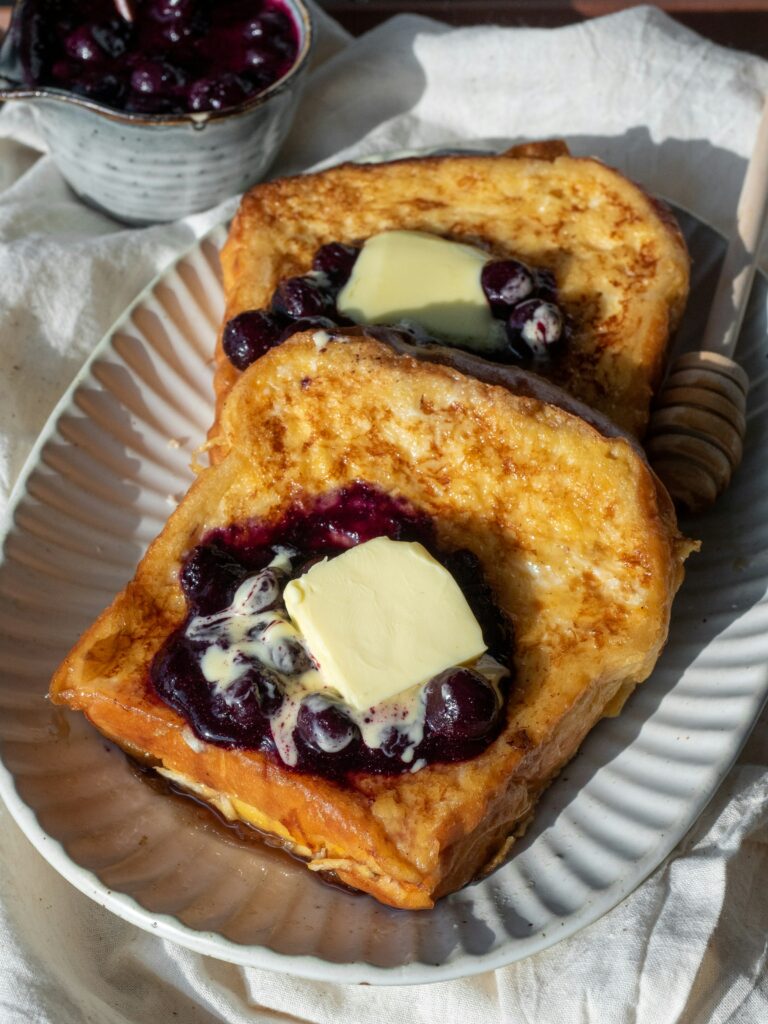
French toast is one of those breakfasts that feels special, even on an ordinary morning. And yes, you can make it perfectly without eggs.
This vegan French toast is golden on the outside, soft in the middle, and full of warm vanilla and cinnamon flavor.
It cooks up beautifully in minutes and uses simple, budget-friendly ingredients you likely already have at home.
I’ll show you exactly how to mix the batter, dip the bread, and cook it until crisp and caramelized. It tastes just like the classic version — just made the plant-based way.
Recipe Quick Facts
| Detail | Value |
|---|---|
| Prep Time | 5 minutes |
| Cook Time | 8 minutes |
| Total Time | 13 minutes |
| Servings | 2 |
| Difficulty | Easy |
| Diet | Vegan |
| Best Bread | Slightly stale brioche, sourdough, or sandwich bread |
| Freezer Friendly | Yes (up to 2 months) |
What Is Vegan French Toast?
Traditional French toast is made by dipping slices of bread into a mixture of eggs, milk, sugar, and spices, then cooking them in a pan until golden and slightly crisp on the outside while staying soft in the center.
The eggs help create structure and that classic custardy texture. In this vegan version, we simply recreate that same texture and flavor without using eggs.
Instead of eggs, we use plant milk as the base, then add flour or cornstarch to thicken the mixture so it coats the bread properly and firms up as it cooks.
A small amount of ground flaxseed or chickpea flour can also help with binding, but it’s optional.
Vanilla and cinnamon bring that warm, familiar flavor, and a touch of sugar helps the outside caramelize beautifully in the pan.
When the bread hits the heat, the batter sets, the edges turn golden, and you get the same comforting bite you expect from classic French toast — just made in a simple, plant-based way.
Why You’ll Love This Recipe
100% Plant-Based
This recipe gives you everything you love about classic French toast without using eggs or dairy. You don’t need any specialty products or hard-to-find ingredients.
Simple pantry staples come together to create the same golden finish and soft center you expect. It’s a straightforward swap that doesn’t feel like a compromise.
Budget-Friendly Ingredients
You’re working with basics here — bread, plant milk, flour or cornstarch, sugar, and a few spices. These are affordable ingredients you likely already have in your kitchen.
There’s no need for expensive egg replacers or fancy additions. It’s a comforting breakfast that feels special but keeps your grocery bill low.
Quick and Easy to Make
From start to finish, this recipe moves fast. You whisk the batter in one bowl, dip the bread, and cook it in a pan. That’s it. There are no complicated steps and no long waiting times.
It’s perfect for busy mornings when you want something warm and homemade without spending an hour at the stove.
Crispy on the Outside, Soft on the Inside
The batter thickens just enough to coat the bread properly. As it cooks, the outside turns golden and slightly crisp while the inside stays tender.
The light caramelization from the sugar gives you that classic French toast flavor. Each bite has a soft middle with a gently crisp edge — exactly what you’re looking for.
Customizable Flavors and Toppings
Once you master the base recipe, you can make it your own. Add extra cinnamon, a splash of orange zest, or a pinch of nutmeg for a deeper flavor.
Top it with maple syrup, fresh berries, sliced bananas, nut butter, or a dusting of powdered sugar. You can keep it simple or dress it up, depending on your mood.
It’s flexible, forgiving, and easy to adapt to whatever you have on hand.
Ingredients You’ll Need
- 4 thick slices of bread – Slightly stale bread works best. Use thick-cut sandwich bread, sourdough, or a soft vegan brioche-style loaf for the best texture.
- ¾ cup (180 ml) plant milk – Almond, soy, oat, or any unsweetened plant milk you like. This forms the base of the batter.
- 2 tablespoons all-purpose flour or 1½ tablespoons cornstarch – This helps thicken the batter and gives the French toast structure as it cooks. Cornstarch creates a slightly crispier finish.
- 1 tablespoon ground flaxseed or 1 tablespoon chickpea flour (optional) – Adds extra binding and a slightly richer texture. You can skip this if needed, but it helps mimic the classic custardy feel.
- 1 tablespoon maple syrup or 1 tablespoon sugar – Adds light sweetness and helps the outside caramelize in the pan.
- 1 teaspoon vanilla extract – Brings warmth and that classic French toast flavor.
- ½ teaspoon ground cinnamon – Adds gentle spice and depth. Adjust to taste.
- Pinch of salt (about ⅛ teaspoon) – Balances the sweetness and enhances flavor.
- 1–2 tablespoons oil or vegan butter (for cooking) – Used to lightly coat the pan and create a golden, crisp exterior.
Best Plant Milks for Vegan French Toast
While almost any unsweetened plant milk will work, some options produce better texture and flavor than others.
| Plant Milk | Flavor | Texture Result |
|---|---|---|
| Oat Milk | Mild and slightly sweet | Closest to classic French toast with a soft, custardy center |
| Soy Milk | Neutral | Rich and creamy texture with good structure |
| Almond Milk | Light and nutty | Slightly lighter texture and less richness |
| Coconut Milk | Rich and creamy | More indulgent and decadent flavor |
| Cashew Milk | Smooth and mild | Soft, tender interior with a creamy finish |
Best Bread for Vegan French Toast
Thick-Cut Bread Works Best
Start with thick slices if you can. Thin bread tends to fall apart once it soaks in the batter. Thicker slices hold their shape, absorb just enough liquid, and stay soft in the center.
You’ll get that perfect contrast — crisp edges with a tender middle — instead of something flat or soggy.
Slightly Stale Bread Is Ideal
Fresh bread is soft, but slightly stale bread is even better for French toast. When bread sits out for a day, it loses a bit of moisture.
That small change helps it soak up the batter without becoming mushy. If your bread is very fresh, you can lightly toast it for a minute or two to dry it out before dipping.
Brioche-Style Vegan Bread
If you want a richer, softer texture, vegan brioche-style bread is a great choice. It has a slight sweetness and a tender crumb that cooks up beautifully in the pan.
The outside turns golden and lightly caramelized, while the inside stays fluffy. This option gives you a more classic, indulgent French toast feel.
Sourdough or Sandwich Bread Options
Sourdough is sturdy and holds up very well in the batter. It gives you a slightly firmer bite and a subtle tang that balances the sweetness.
Regular sandwich bread also works perfectly fine, especially for quick weekday breakfasts. Just choose slices that are not too thin, dip them briefly, and cook them gently.
No matter which bread you use, the key is simple: sturdy enough to soak, soft enough to enjoy.
My Bread Rankings Compared
Different breads create slightly different textures.
Here’s what you can expect from some of the most popular options.
| Bread Type | Rating | Why It Works Well |
|---|---|---|
| Vegan Brioche | 10/10 | Soft center, rich texture, and beautifully caramelized edges |
| Thick Sourdough | 9/10 | Holds its shape well and creates a sturdy, custardy interior |
| Texas Toast | 9/10 | Thick slices absorb batter well while staying fluffy inside |
| Sandwich Bread | 7/10 | Easy to find and convenient, but can become softer when soaked |
| Gluten-Free Bread | 6/10 | Works well, though some varieties can be more delicate and crumbly |
Quick Recommendation
If you’re looking for the closest texture to classic French toast, choose vegan brioche.
For a sturdier option that holds up exceptionally well during cooking, thick-cut sourdough is hard to beat.
How to Make Vegan French Toast (Step-by-Step)
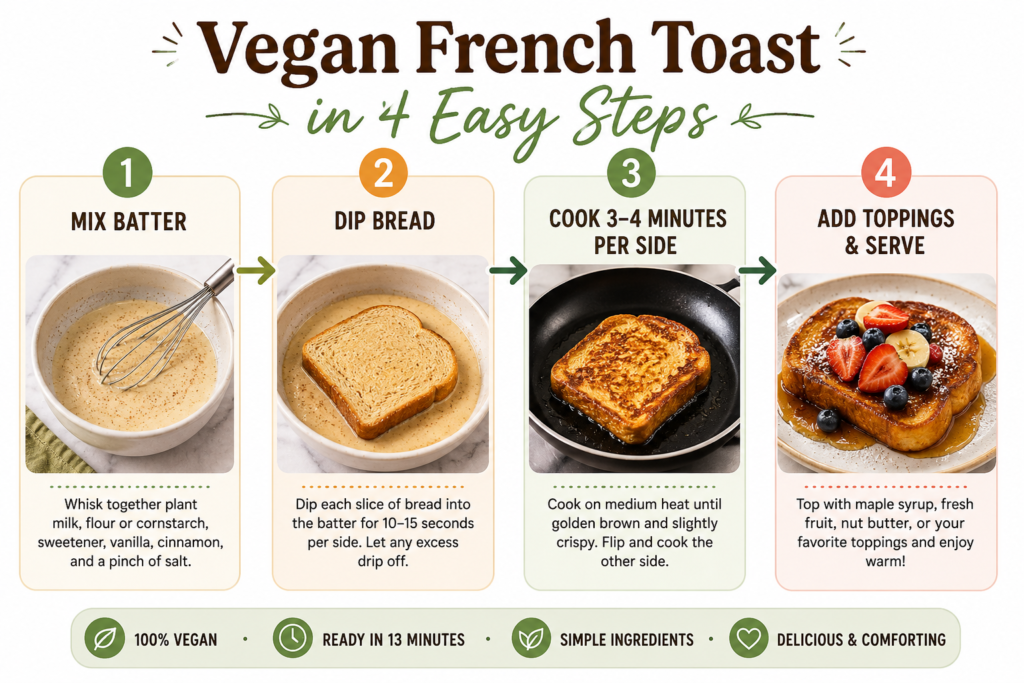
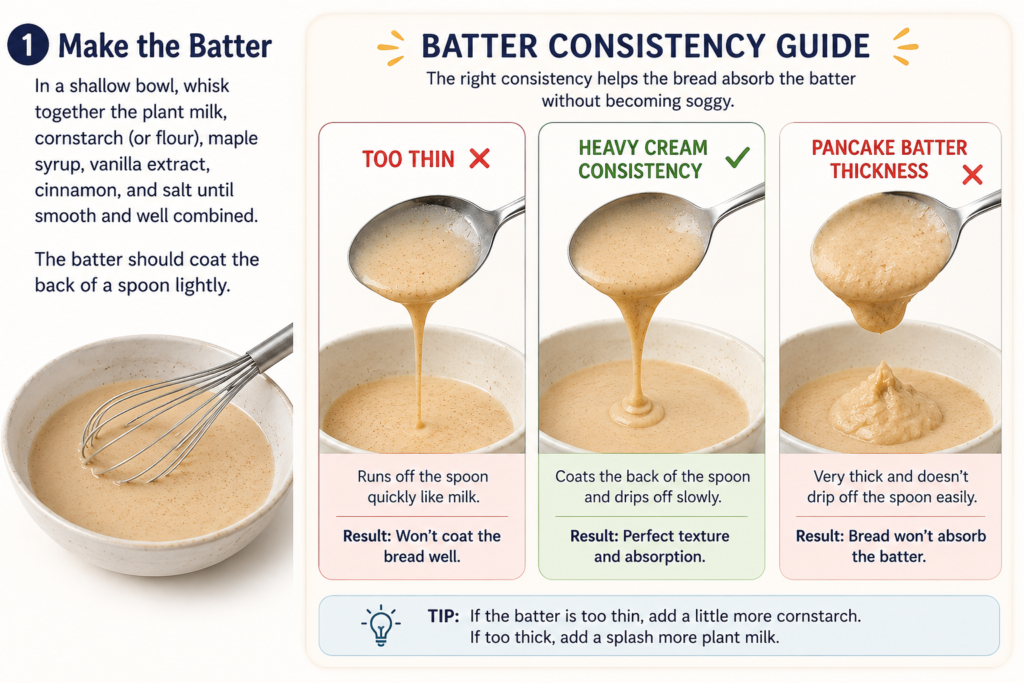
1. Mix the Batter
Start by adding the plant milk, flour or cornstarch, maple syrup, vanilla, cinnamon, and salt to a medium bowl. Whisk until completely smooth.
Make sure there are no lumps of flour left, because a smooth batter coats the bread evenly and cooks more consistently.
The mixture should be slightly thick but still pourable, similar to light cream. If it feels too thick, add a small splash of plant milk and whisk again.
2. Heat the Pan
Place a non-stick pan or skillet over medium heat. Add a small amount of oil or vegan butter and let it melt fully, coating the surface lightly.
The pan should be hot enough that a drop of batter sizzles gently when it touches the surface, but not so hot that it smokes.
Medium heat is key here. Too high, and the outside will burn before the inside sets.
3. Dip the Bread
Place one slice of bread into the batter and let it soak for about 10–15 seconds per side. You want the bread to absorb the mixture without becoming overly wet.
Lift it carefully and let any excess batter drip off before moving it to the pan. Work with one or two slices at a time so you stay in control, and nothing gets soggy.
4. Cook Until Golden Brown
Lay the dipped bread into the hot pan. Let it cook undisturbed for about 3–4 minutes. This gives the bottom time to firm up and develop a golden crust.
You’ll see the edges start to look set and slightly crisp. That’s your sign that it’s ready to flip.
5. Flip and Cook the Other Side
Use a spatula to gently flip the bread. Cook for another 3–4 minutes on the second side until golden brown and slightly crisp.
Press lightly in the center with the spatula to help it cook evenly. The inside should feel soft but not wet.
The French toast is done when both sides are golden brown, and the center feels springy when lightly pressed. If the center still feels wet, cook for another 30–60 seconds per side.
6. Serve Warm
Remove the French toast from the pan and serve it immediately while it’s warm. The outside will be lightly crisp, and the inside will stay soft and tender.
Add your favorite toppings right away so they melt slightly into the surface. Then enjoy it fresh from the pan, just as it should be.
Tips for the Perfect Texture
Don’t Oversoak the Bread
It can be tempting to let the bread sit in the batter for a long time, but that usually leads to soggy French toast.
A quick dip is enough. Thick slices only need about 10–15 seconds per side to absorb flavor without falling apart.
If the bread feels heavy or starts to tear when you lift it, it has soaked too long. You want it coated and slightly softened, not drenched.
Use Medium Heat
Medium heat gives you control. If the pan is too hot, the outside will brown too quickly while the inside stays wet. If it’s too low, the bread can dry out before it develops that golden crust.
Keep the heat steady and listen for a gentle sizzle when the bread hits the pan. That sound tells you the cooking temperature is just right.
Let It Cook Fully Before Flipping
Resist the urge to flip too early. The first side needs time to set and form a crust. When it’s ready, the slice will release easily from the pan and look evenly golden underneath.
If you try to turn it too soon, it may stick or break. Give it a full 3–4 minutes, then flip confidently.
Add Cornstarch for Crispiness
If you love extra crisp edges, use cornstarch in your batter instead of flour. Cornstarch thickens the mixture and creates a slightly firmer coating as it cooks.
The result is a light, crisp exterior with a soft center. It’s a small change, but it makes a noticeable difference in texture.
Common Mistakes to Avoid
Even simple recipes can go wrong if a few small details are overlooked.
Here are the most common mistakes and how to avoid them.
| Mistake | What Happens | How to Fix It |
|---|---|---|
| Using very fresh bread | The bread absorbs too much batter and can become soggy. | Use slightly stale or day-old bread whenever possible. |
| Oversoaking the bread | The slices become heavy, fragile, and may fall apart during cooking. | Dip for only 10–15 seconds per side. |
| Cooking on high heat | The outside browns too quickly while the center stays wet. | Cook over steady medium heat. |
| Skipping the flour or cornstarch | The batter doesn’t coat the bread properly or set as it cooks. | Always include a thickener for the best texture. |
| Flipping too soon | The bread can stick, tear, or lose its crust. | Wait until the first side is fully golden before turning. |
Vegan French Toast Troubleshooting
If your French toast doesn’t turn out exactly as expected, don’t worry.
Most issues are easy to fix with a small adjustment to your technique.
| Problem | Likely Cause | Solution |
|---|---|---|
| Too soggy | Bread soaked up too much batter | Reduce soaking time and use slightly stale bread |
| Too dry | Bread was very stale or didn’t absorb enough batter | Dip the bread a few seconds longer |
| Not browning | Pan wasn’t hot enough | Preheat the pan before adding the bread |
| Batter sliding off | Batter is too thin | Whisk in a little more cornstarch or flour |
| Burnt exterior | Heat is too high | Lower the heat and cook more slowly |
Flavor Variations
Chocolate French Toast
To make a chocolate version, add 1 tablespoon of cocoa powder and an extra teaspoon of maple syrup to the batter. Whisk until smooth so the cocoa blends in fully.
The cocoa gives the toast a deep, rich flavor without making it too sweet.
Cook it the same way as the classic version, then top with sliced strawberries, a drizzle of melted chocolate, or a spoonful of nut butter. It feels special but takes no extra effort.
Pumpkin Spice Version
For a warm, cozy twist, stir 2 tablespoons of pumpkin purée into the batter along with ¼ teaspoon nutmeg and a pinch of ground ginger.
The purée thickens the mixture slightly, so add a splash more plant milk if needed. The flavor becomes gently spiced and comforting.
As it cooks, the edges caramelize while the inside stays soft and lightly spiced. Finish with maple syrup and a dusting of cinnamon.
Banana Cinnamon
Mash half a ripe banana directly into the batter before dipping the bread. The banana adds natural sweetness and makes the center even softer. Increase the cinnamon slightly for extra warmth.
Cook as usual, keeping the heat at medium so the sugars don’t brown too quickly. Top with fresh banana slices and a drizzle of maple syrup for a simple but satisfying finish.
Savory Option (Skip Sugar + Add Herbs)
If you prefer something less sweet, leave out the maple syrup and vanilla.
Add a pinch of black pepper, a tablespoon of nutritional yeast, and a small sprinkle of dried herbs like thyme or parsley to the batter. Dip and cook just as you would the sweet version.
The outside turns golden and crisp, while the inside stays soft and lightly seasoned. Serve with sautéed mushrooms, avocado, or roasted tomatoes for a hearty, savory plate.
Topping Ideas
- Maple syrup – Warm it slightly before pouring so it soaks into the toast. A light drizzle adds sweetness and enhances the golden, caramelized edges.
- Fresh berries – Strawberries, blueberries, or raspberries add freshness and a slight tart contrast to the warm toast. Slice larger berries so every bite gets a little fruit.
- Nut butter – Almond, peanut, or cashew butter melts beautifully over hot French toast. Spread it while the toast is still warm so it softens and coats the surface evenly.
- Powdered sugar – A light dusting adds simple sweetness and a classic finish. Use a small sieve for an even sprinkle.
- Coconut whipped cream – Adds a soft, creamy layer that balances the crisp edges. Spoon it on just before serving so it holds its shape.
- Caramelized bananas – Slice a banana and cook it in a small pan with a touch of maple syrup until golden and glossy. Spoon over the toast for a rich, naturally sweet topping.
What to Serve With Vegan French Toast
Vegan French toast pairs well with both sweet and savory breakfast favorites.
Here are a few simple ideas:
- Fresh fruit salad for a light, refreshing contrast
- Vegan breakfast sausages for extra protein and a savory balance
- Hash browns for a crispy, hearty side
- Coconut yogurt for a creamy, dairy-free addition
- Smoothies for a quick and nutritious breakfast pairing
- Coffee or chai latte for a warm, comforting drink
How to Store and Reheat
If you have leftovers, let the French toast cool completely before storing so steam doesn’t create moisture and make it soggy.
Place the slices in an airtight container and refrigerate for up to 3 days, separating layers with parchment paper if stacking to prevent sticking.
For longer storage, freeze the slices in a single layer on a tray first, then transfer them to a freezer-safe bag once solid; this keeps them from sticking together and makes it easy to grab one or two at a time.
They’ll keep well in the freezer for up to 2 months. When reheating, skip the microwave if possible since it softens the texture.
Instead, warm the slices in a pan over medium heat for a few minutes per side to bring back the crisp edges, or pop them into a toaster for a quick and easy option straight from the fridge or freezer.
If you’re reheating several slices at once, place them on a baking sheet in a preheated oven at 180°C (350°F) for about 8–10 minutes until heated through and lightly crisp again.
Estimated Nutrition Per Serving (Per 100 Grams)
Nutrition values are approximate and will vary depending on the bread, plant milk, and toppings used.
| Nutrient | Amount |
|---|---|
| Calories | ~220 |
| Protein | ~5g |
| Carbohydrates | ~32g |
| Fat | ~8g |
| Fiber | ~3g |
| Sugar | ~6g |
Final Thoughts
Vegan French toast is simple, comforting, and just as satisfying as the classic version.
With a few basic ingredients and the right technique, you’ll get golden edges and a soft, flavorful center every time.
Give it a try in your own kitchen and make it your own with your favorite toppings!
FAQs
Can I make it gluten-free?
Yes. Use your favorite gluten-free bread and replace the all-purpose flour with cornstarch or a gluten-free flour blend. The cooking method stays the same.
What can I use instead of flour?
Cornstarch works best for structure and crisp edges. You can also use chickpea flour or a gluten-free flour blend. Each will slightly change the texture but still work well.
Why is my French toast soggy?
It’s usually from oversoaking the bread or cooking on heat that’s too high or too low. Dip the bread briefly and cook on steady medium heat so the inside sets properly.
Can I make the batter ahead of time?
Yes. You can mix the batter and store it in the fridge for up to 24 hours. Whisk it again before using, as some ingredients may settle at the bottom.
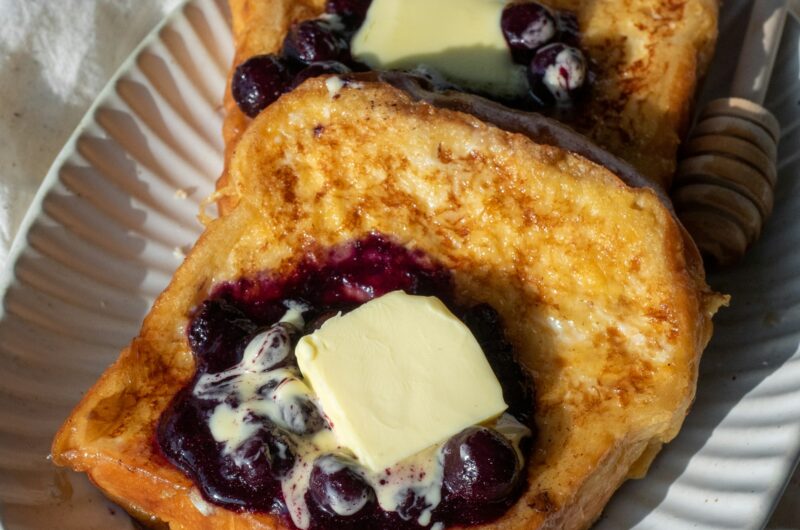
The Best Vegan French Toast (No Eggs Needed!)
Course: Vegan Breakfast RecipesDifficulty: Easy4
Slices5
minutes10
minutes15
minutesGolden, crispy Vegan French Toast made without eggs using simple pantry ingredients. Soft in the center, perfectly spiced, and ready in minutes.
Ingredients
4 thick slices bread
¾ cup (180 ml) plant milk
2 tablespoons all-purpose flour or 1½ tablespoons cornstarch
1 tablespoon maple syrup (or sugar)
1 teaspoon vanilla extract
½ teaspoon ground cinnamon
Pinch of salt
1–2 tablespoons oil or vegan butter (for cooking)
Directions
- In a bowl, whisk together plant milk, flour (or cornstarch), maple syrup, vanilla, cinnamon, and salt until smooth.
- Heat a lightly oiled pan over medium heat.
- Dip each slice of bread into the batter for 10–15 seconds per side, letting excess drip off.
- Place in the pan and cook for 3–4 minutes until golden brown.
- Flip and cook the other side for another 3–4 minutes.
- Serve warm with your favorite toppings.
Notes
- Use slightly stale, thick-cut bread for the best texture.
- Cornstarch creates crispier edges than flour.
- Store leftovers in the fridge for up to 3 days or freeze for up to 2 months.
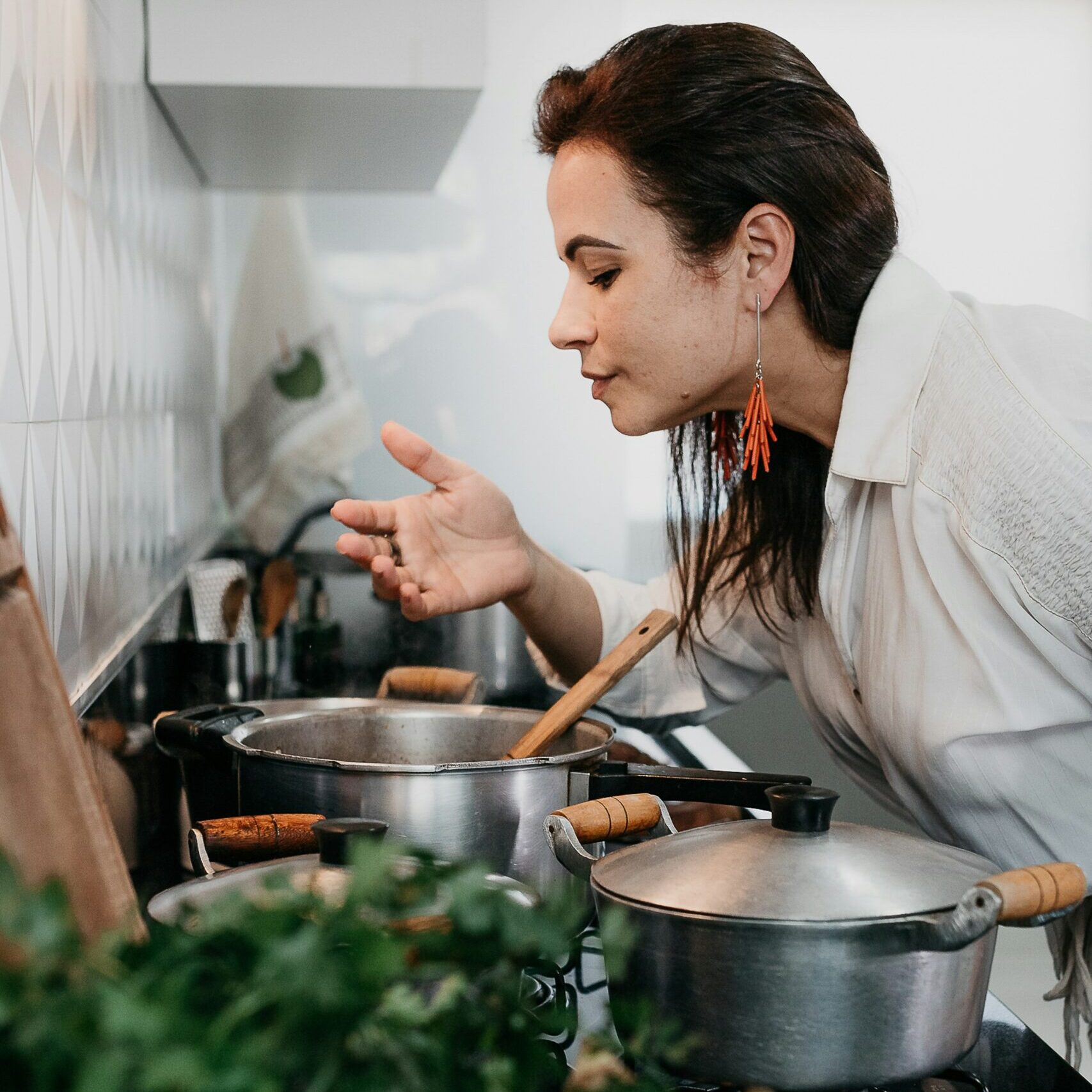
Hi, I’m Daisy Roots, the home cook and recipe developer behind this kitchen. I create simple, tested vegan recipes using everyday ingredients. Every dish is developed and cooked in my own kitchen, with clear steps to help you get reliable results every time. Thanks for stopping by — let’s cook something great!