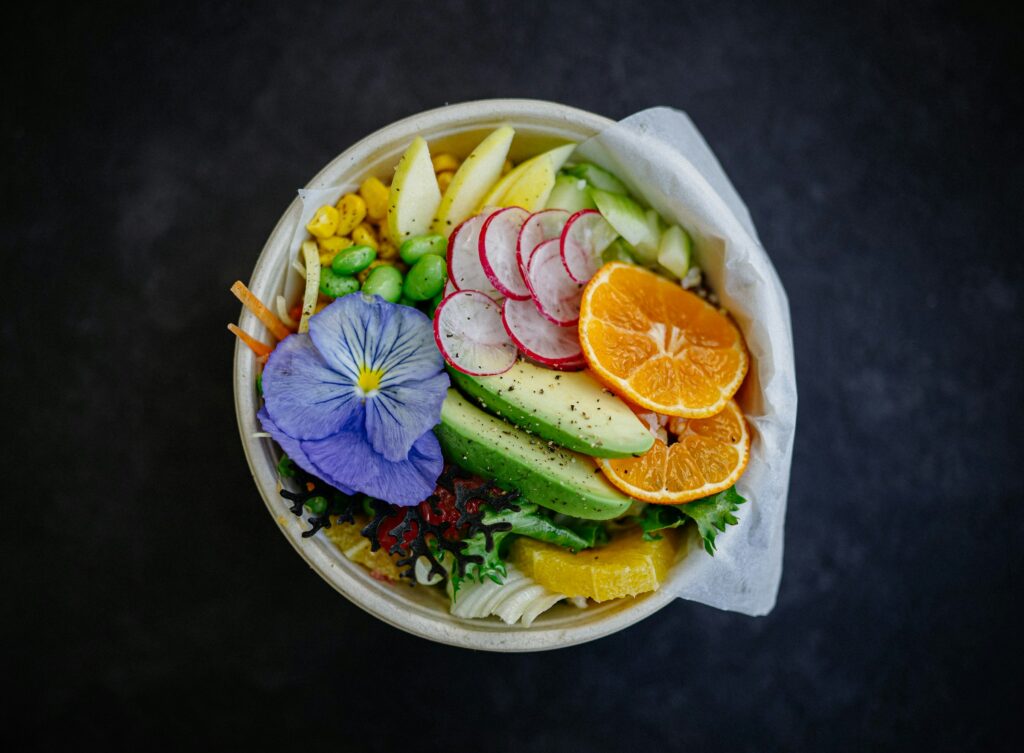
A Buddha bowl is a simple, all-in-one meal built with grains, fresh vegetables, plant-based protein, and a flavorful sauce.
Everything goes into one bowl, layered for color, texture, and balance. It’s hearty, satisfying, and easy to make your own.
You’ll love this vegan version because it’s straightforward and flexible.
Roast what you have, cook a grain, add your favorite protein, and finish with a bold, creamy dressing. That’s it.
It works beautifully for meal prep, quick lunches, or relaxed dinners at home.
Make the components ahead of time and assemble when you’re ready to eat. Fresh, filling, and full of flavor in every bite.
What Is a Buddha Bowl?
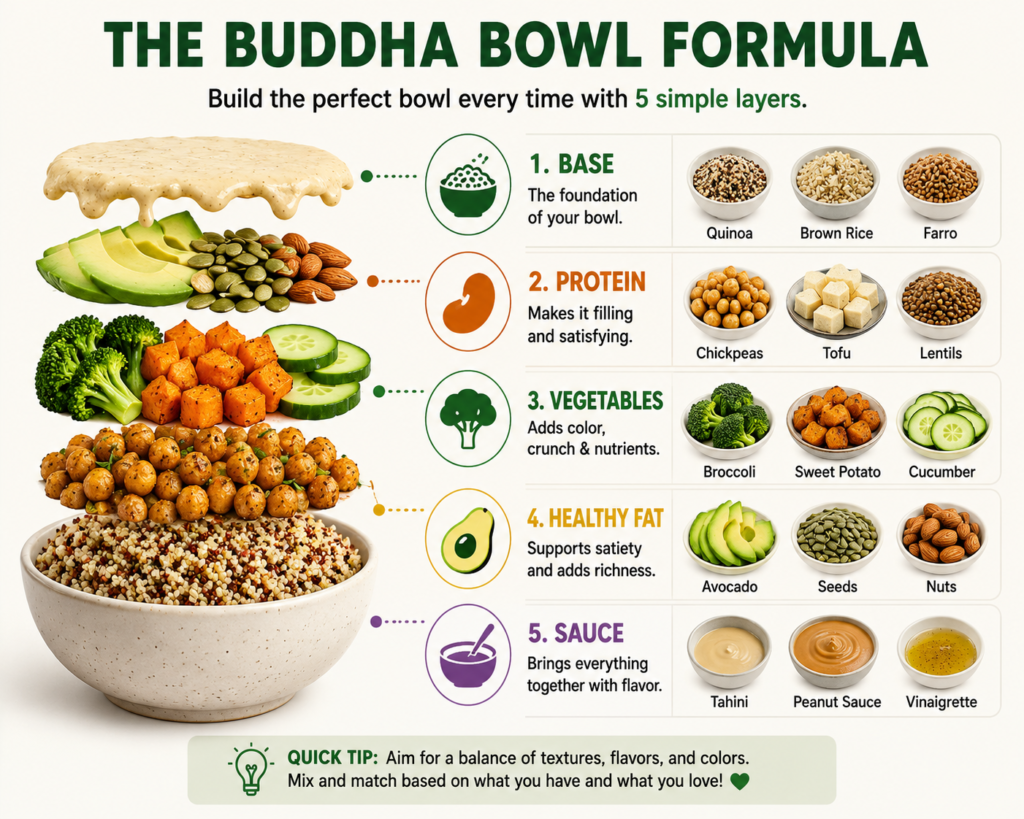
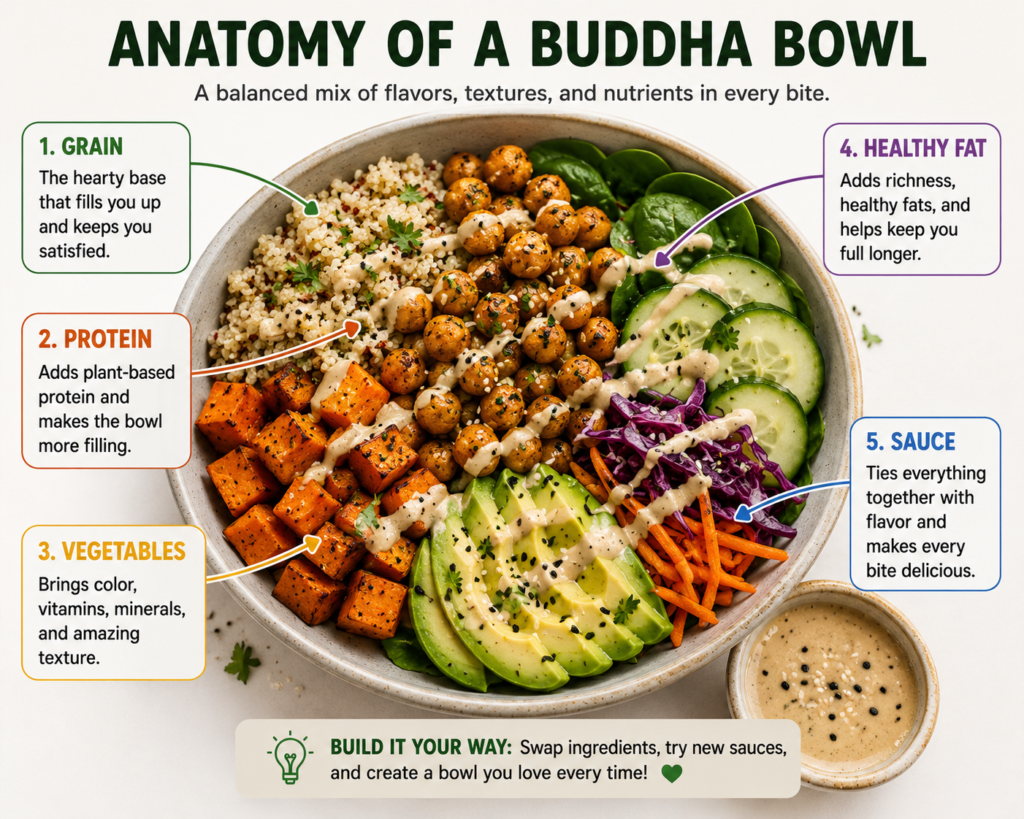
A Buddha bowl is simply a balanced meal served in one bowl, built with a hearty grain at the base, layered with fresh or roasted vegetables, topped with a satisfying plant-based protein, and finished with a bold, flavorful sauce that ties everything together.
You start with something warm and grounding like rice or quinoa, add vegetables for crunch, sweetness, or char, then include protein such as chickpeas or tofu to make it satisfying.
The magic happens when the sauce goes on. A creamy tahini drizzle, a tangy vinaigrette, or a rich peanut sauce brings every bite to life and keeps the bowl from feeling plain.
These bowls are typically plant-based and naturally colorful, which means you get a mix of textures and flavors in every forkful—soft grains, crisp veggies, savory protein, and smooth dressing.
They’re designed to be wholesome and filling without being complicated. Everything has a purpose.
When built well, a Buddha bowl feels generous, comforting, and complete, with no extra side dishes needed.
Why You’ll Love This Recipe
100% Vegan and Dairy-Free
This bowl is completely plant-based, but it never feels like something is missing.
The flavors are bold, the textures are satisfying, and the sauce brings everything together in a rich, creamy way—without any dairy.
You get hearty grains, well-seasoned protein, and roasted vegetables that caramelize beautifully in the oven. Nothing tastes “substitute” or plain. It’s simply good food made with simple ingredients.
Budget-Friendly Ingredients
You don’t need anything fancy here. Rice, quinoa, lentils, chickpeas, seasonal vegetables—these are affordable staples you can find almost anywhere.
Use what’s already in your kitchen. Leftover roasted vegetables work perfectly. Even half a can of beans can become the protein layer.
This recipe helps you stretch ingredients without sacrificing flavor.
Great for Weekly Meal Prep
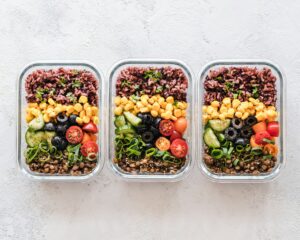
This bowl is built for real life. Cook a batch of grains, roast a tray of vegetables, and prepare your protein at the start of the week. Store everything in separate containers.
When you’re ready to eat, scoop, layer, and drizzle with sauce, and you’re done.
It saves time, reduces stress, and keeps meals interesting because you can mix the components in different ways each day.
Easily Customizable
Think of this recipe as a guide, not a rulebook. Swap rice for quinoa. Use tofu instead of chickpeas. Add crunchy cabbage, roasted peppers, or fresh spinach.
Change the sauce and the whole bowl takes on a new personality. A peanut sauce makes it rich and savory.
A lemon tahini dressing makes it bright and fresh. You can adjust flavors, textures, and portions based on what you enjoy most.
Naturally Gluten-Free Option
If you choose gluten-free grains like rice or quinoa, the entire bowl stays naturally gluten-free without any special adjustments. There’s no need for complicated substitutions.
Just build your bowl with simple whole ingredients, and you’re set. It’s flexible enough to fit different needs while still tasting full and satisfying.
Ingredients You’ll Need
Below are suggested amounts for 4 generous bowls. Mix and match based on what you have, but these quantities will give you balanced, satisfying portions.
1. Base (Grains)
(Choose one)
- Quinoa – 1 cup dry (makes about 3 cups cooked)
- Brown rice – 1 cup dry (makes about 3 cups cooked)
- Couscous – 1 cup dry (makes about 2½ cups cooked)
- Farro – 1 cup dry (makes about 3 cups cooked)
2. Protein
(Choose one)
- Roasted chickpeas – 1 can (400g / 15 oz), drained and rinsed
- Firm tofu – 400g (14 oz), pressed and cubed
- Tempeh – 250g (8 oz), sliced
- Cooked lentils – 1½ cups
- Black beans – 1 can (400g / 15 oz), drained and rinsed
3. Vegetables
(Mix and match — aim for 3–4 cups total vegetables)
- Roasted sweet potatoes – 2 medium, cubed
- Steamed broccoli – 2 cups florets
- Cucumber – 1 large, sliced
- Shredded carrots – 1 cup
- Fresh spinach or kale – 2 cups (lightly packed)
4. Healthy Fats
- Avocado – 1–2, sliced
- Pumpkin or sunflower seeds – ¼ cup
- Chopped nuts (almonds, cashews, or peanuts) – ¼ cup
5. Sauce / Dressing Options
(Choose one — makes enough for 4 bowls)
- Tahini dressing – ¼ cup tahini + 2 tbsp lemon juice + 2–3 tbsp warm water + pinch salt
- Peanut sauce – ¼ cup peanut butter + 1 tbsp soy sauce + 1 tbsp lime juice + 2–3 tbsp warm water
- Lemon vinaigrette – 3 tbsp olive oil + 2 tbsp lemon juice + 1 tsp maple syrup + pinch salt
- Hummus drizzle – ½ cup hummus thinned with 2–3 tbsp warm water
| Sauce | Flavor Profile | Pairs Well With |
|---|---|---|
| Tahini Dressing | Creamy, Nutty | Chickpeas, Quinoa, Roasted Vegetables |
| Peanut Sauce | Rich, Savory | Tofu, Broccoli, Carrots |
| Lemon Vinaigrette | Bright, Fresh | Lentils, Leafy Greens, Cucumbers |
| Hummus Drizzle | Mild, Creamy | Sweet Potatoes, Roasted Vegetables, Kale |
Quick Tip
When choosing a dressing, think about balance. Rich sauces like peanut sauce pair well with fresh, crunchy vegetables, while lighter dressings such as lemon vinaigrette work best with hearty grains and roasted ingredients.
Best Buddha Bowl Ingredient Combinations
Not sure where to start? Try one of these balanced flavor combinations.
Each bowl uses simple ingredients that work well together and can be adjusted based on what you have available.
| Flavor Style | Grain | Protein | Vegetables | Sauce |
|---|---|---|---|---|
| Mediterranean | Quinoa | Chickpeas | Cucumber, Spinach | Lemon Tahini Dressing |
| Asian-Inspired | Brown Rice | Tofu | Carrots, Broccoli | Peanut Sauce |
| Mexican | Rice | Black Beans | Corn, Bell Peppers | Lime Vinaigrette |
| High-Protein | Quinoa | Tofu + Lentils | Broccoli, Kale | Tahini Dressing |
Quick Tip
If you’re new to Buddha bowls, start with one of the combinations above before experimenting with your own ingredients.
Once you understand how the grain, protein, vegetables, and sauce work together, it’s easy to create endless variations using whatever you have on hand.
How to Make an Easy Vegan Buddha Bowl (Step-by-Step)
1. Cook Your Grain
Start with your base. Rinse 1 cup of quinoa or rice under cold water to remove excess starch, then cook according to package instructions.
Use vegetable broth instead of water if you want a deeper flavor. Once cooked, fluff it with a fork and let it sit uncovered for a few minutes so it stays light and not sticky.
Warm grains absorb sauce better, so keep that in mind when assembling.
2. Prepare Your Protein
While the grain cooks, work on your protein.
If using chickpeas, pat them dry, toss with olive oil, salt, and your favorite spices, then roast at 200°C (400°F) for about 20–25 minutes until slightly crisp.
For tofu, press out excess moisture, cube it, and sauté in a hot pan with a little oil until golden on all sides. Season well. Protein should taste good on its own before it goes into the bowl.
3. Roast or Prep Vegetables
Cut sweet potatoes into even cubes so they cook evenly, then roast them with olive oil and salt until tender and lightly caramelized.
Steam broccoli just until bright green and slightly tender. Keep fresh vegetables like cucumbers and carrots crisp by slicing them right before serving.
Aim for contrast—something warm, something crunchy, something fresh.
4. Make the Dressing
In a small bowl, whisk together your chosen sauce ingredients until smooth. If it’s too thick, add warm water one tablespoon at a time.
Taste and adjust. Add more lemon for brightness, more salt for depth, or a touch of maple syrup if it needs balance. The sauce should be bold because it flavors the entire bowl.
5. Assemble the Bowl
Spoon a generous layer of grain into each bowl. Arrange the vegetables and protein in sections rather than mixing everything together.
This keeps textures distinct and makes each bite interesting. Leave space for your sauce.
6. Add Toppings and Serve
Drizzle the dressing over the top. Add sliced avocado, a sprinkle of seeds or nuts, and an extra pinch of salt if needed.
Serve right away while the warm ingredients are still warm, and the fresh ones are crisp. Every layer should be visible, inviting, and ready to dig into.
Common Buddha Bowl Mistakes to Avoid
Even simple Buddha bowls can fall flat if the ingredients aren’t balanced properly.
Here are a few common mistakes and how to avoid them.
Using Too Many Soft Ingredients
A bowl made entirely of soft ingredients can feel heavy and one-dimensional.
Include at least one crunchy component, such as cucumber, shredded cabbage, carrots, nuts, or seeds, to add texture and contrast.
Under-Seasoning the Protein
Tofu, chickpeas, lentils, and beans should be seasoned before they go into the bowl.
Roasting or sautéing them with spices, herbs, and a little salt helps build flavor throughout the entire meal.
Skipping the Sauce
The sauce is what ties all the ingredients together.
Without it, even the freshest vegetables and perfectly cooked grains can taste bland.
Choose a bold dressing that complements the other ingredients in your bowl.
Using Too Much Dressing
A little dressing goes a long way. Start with a small drizzle, toss lightly if desired, and add more only if needed.
Too much sauce can overwhelm the other flavors and make the bowl feel heavy.
Not Balancing Warm and Cold Ingredients
One of the best parts of a Buddha bowl is the contrast between temperatures.
Pair warm grains, roasted vegetables, or protein with crisp fresh vegetables for a more satisfying eating experience.
How to Build a Balanced Buddha Bowl
One of the reasons Buddha bowls are so satisfying is that they combine a variety of flavors, textures, and nutrients in a single meal.
When building your bowl, use this simple formula as a starting point:
| Component | Portion Guide |
|---|---|
| Grain or Starch | ¼ of the bowl |
| Protein | ¼ of the bowl |
| Vegetables | ½ of the bowl |
| Healthy Fat | 1 serving |
| Dressing | 2–3 tablespoons |
This balance helps create a bowl that feels hearty without being overly heavy.
The grains provide a satisfying base, the protein helps keep you full, the vegetables add color and texture, and the healthy fats and dressing bring everything together with flavor.
Don’t worry about measuring perfectly.
Think of this ratio as a flexible guide that can be adjusted based on your preferences, activity level, and hunger.
Quick Examples
| Goal | Simple Adjustment |
|---|---|
| Higher Protein | Increase tofu, lentils, or chickpeas |
| Lower Carb | Reduce grains and add extra vegetables |
| More Filling | Add avocado, seeds, or nuts |
| Lighter Meal | Use extra fresh vegetables and a lighter dressing |
Customization Ideas
High-Protein Option
If you want a more filling bowl, increase the protein portion instead of the grain. Add a full cup of roasted chickpeas or double the tofu.
You can even combine two proteins, like lentils and tempeh, for extra texture and flavor. Sprinkle hemp seeds or pumpkin seeds on top for another boost.
Season the protein well so it stands out and doesn’t get lost under the sauce.
Low-Carb Version
Swap the grain for a base of cauliflower rice or finely shredded cabbage. You can also use a mix of leafy greens and roasted vegetables as your foundation.
Keep the roasted sweet potatoes smaller in portion, and focus on hearty vegetables like zucchini, mushrooms, and broccoli.
The bowl will still feel generous and satisfying, just lighter at the base.
Oil-Free Version
Roast vegetables on parchment paper with a splash of vegetable broth instead of oil. Use dry spices generously to build flavor.
For the dressing, choose hummus thinned with lemon juice and water, or blend tahini with extra lemon and warm water for creaminess without added oil.
Taste and adjust the seasoning so nothing feels flat.
Spicy Variation
If you enjoy heat, add it in layers. Toss your chickpeas or tofu with chili powder, smoked paprika, or cayenne before cooking. Stir sriracha or chili paste into your dressing.
Finish the bowl with sliced fresh chili or a pinch of red pepper flakes. The spice should complement the bowl, not overpower it, so build it gradually and taste as you go.
Seasonal Vegetable Swaps
Let the season guide your choices. In summer, use cherry tomatoes, grilled zucchini, and fresh corn for a bright, juicy bowl.
In cooler months, roast butternut squash, Brussels sprouts, and carrots until caramelized. In spring, try asparagus and peas.
In autumn, add roasted pumpkin and sautéed mushrooms. Using what’s in season keeps the bowl fresh, flavorful, and never boring.
Estimated Nutrition Per Bowl
The nutritional values below are estimates based on a Buddha bowl made with quinoa, chickpeas, mixed vegetables, avocado, and tahini dressing.
| Nutrient | Approximate Amount |
|---|---|
| Calories | 450–650 |
| Protein | 18–30g |
| Carbohydrates | 45–65g |
| Fat | 15–25g |
| Fiber | 10–15g |
Values vary depending on the grain, protein, vegetables, toppings, and dressing used. Larger portions and higher-fat ingredients such as avocado, nuts, seeds, and creamy dressings will increase the calorie and fat content.
Meal Prep Tips
Meal prepping this Buddha bowl is simple when you store each component the right way.
| Component | Fridge Life |
|---|---|
| Cooked Grains | 4–5 Days |
| Roasted Vegetables | Up to 4 Days |
| Tofu | 4–5 Days |
| Chickpeas | 4–5 Days |
| Fresh Vegetables | 2–4 Days |
| Dressing | 5–7 Days |
Let cooked grains cool completely, then place them in an airtight container and refrigerate for up to 4–5 days; this keeps them fluffy instead of soggy.
Store roasted vegetables in a separate container lined with a paper towel to absorb excess moisture, and use them within 4 days for the best texture.
Keep proteins like tofu, chickpeas, lentils, or beans in their own sealed container so they stay flavorful and don’t soften the vegetables; most will last 4–5 days in the fridge.
Fresh ingredients such as cucumbers, shredded carrots, and leafy greens should be stored dry in airtight containers, ideally with a paper towel inside to reduce moisture buildup.
Use sturdy glass containers with tight-fitting lids for the main components since they reheat well and don’t absorb odors.
Most importantly, keep the dressing in a small separate jar or container and add it just before eating. This prevents the grains from becoming mushy and the greens from wilting.
When you’re ready to eat, simply reheat the warm components if desired, assemble your bowl, drizzle with sauce, and enjoy a fresh-tasting meal in minutes.
What to Serve With a Buddha Bowl
A Buddha bowl is satisfying on its own, but pairing it with something simple can round out the meal nicely.
Fresh fruit is an easy choice—think sliced pineapple, juicy orange segments, or a handful of berries to add a sweet, refreshing contrast to the savory bowl.
If you want something more filling, blend a quick smoothie with banana, frozen berries, and plant milk for a creamy side that feels like a treat but takes only minutes to make.
For a light drink, iced tea works beautifully; brew it strong, chill it well, and add a squeeze of lemon or a few mint leaves to keep it crisp and clean.
On cooler days, serve a small bowl of soup alongside—something simple like tomato, lentil, or vegetable soup adds warmth without overpowering the main dish.
Keep the sides easy and balanced so the Buddha bowl stays the star, and aim for flavors that complement rather than compete.
My Best Buddha Bowl Tip
One thing that makes a big difference when building a Buddha bowl is combining both warm and cold ingredients.
Warm grains, roasted vegetables, or freshly cooked protein paired with crisp vegetables like cucumber, carrots, or leafy greens create a much more satisfying mix of textures and flavors.
Another simple trick is to keep the dressing separate until you’re ready to eat.
This helps fresh vegetables stay crisp and prevents the grains from becoming soggy, especially if you’re preparing bowls ahead of time for lunches or busy weeknights.
Final Thoughts
This vegan Buddha bowl is simple to make, full of flavor, and easy to adjust to your taste.
Once you learn the basic formula—grain, veggies, protein, sauce—you can build endless combinations without getting bored.
Try new vegetables, switch up the dressing, or mix two proteins together. Make it yours!
FAQs
Can I make this ahead of time?
Yes. Cook and store each component separately in airtight containers for up to 4–5 days, then assemble when ready to eat.
How do I keep it from getting soggy?
Keep the dressing separate and add it just before serving. Store fresh vegetables dry and reheat warm ingredients before assembling.
Can I use frozen vegetables?
Absolutely. Roast or sauté them straight from frozen to remove excess moisture and improve texture.
Is this recipe good for weight loss?
It can be, depending on your portions. Focus on balanced servings and lighter dressings if that’s your goal.
How do I add more protein?
Increase the portion of tofu, beans, or lentils, or combine two protein sources in one bowl. You can also add seeds or a scoop of hummus for an extra boost.
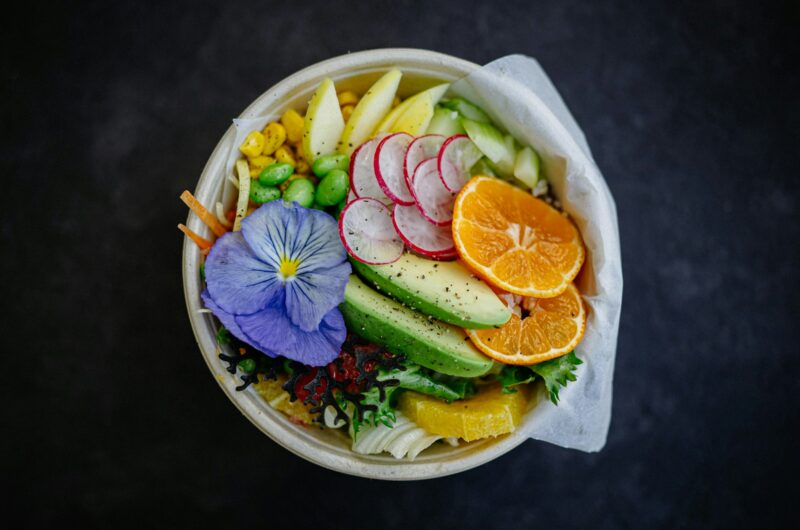
How To Build the Perfect Vegan Buddha Bowl at Home
Course: Vegan Lunch RecipesDifficulty: Easy4
Bowls15
minutes25
minutes40
minutesA simple, flavor-packed vegan Buddha bowl made with hearty grains, roasted vegetables, plant-based protein, and a creamy dressing. Perfect for meal prep or a quick weeknight dinner.
Ingredients
- Base:
1 cup quinoa (or brown rice)
2 cups water or vegetable broth
- Protein:
1 can (400g / 15 oz) chickpeas, drained and rinsed
1 tbsp olive oil
½ tsp paprika
½ tsp garlic powder
Salt to taste
- Vegetables:
2 medium sweet potatoes, cubed
2 cups broccoli florets
1 cucumber, sliced
1 cup shredded carrots
- Healthy fats:
1 avocado, sliced
¼ cup pumpkin seeds
- Tahini Dressing:
¼ cup tahini
2 tbsp lemon juice
2–3 tbsp warm water
Salt to taste
Directions
- Cook quinoa in water or broth according to package instructions. Fluff and set aside.
- Toss chickpeas with olive oil, paprika, garlic powder, and salt. Roast at 200°C (400°F) for 20–25 minutes.
- Roast sweet potatoes alongside chickpeas until tender. Steam broccoli until bright green and slightly soft.
- Whisk together tahini, lemon juice, warm water, and salt until smooth.
- Divide quinoa into four bowls. Top with chickpeas, roasted vegetables, cucumber, and carrots.
- Add avocado and pumpkin seeds. Drizzle with dressing and serve.
Notes
- Store components separately in airtight containers for up to 4–5 days.
- Keep dressing separate until ready to serve.
- Swap quinoa for rice, add tofu instead of chickpeas, or use seasonal vegetables to change it up.
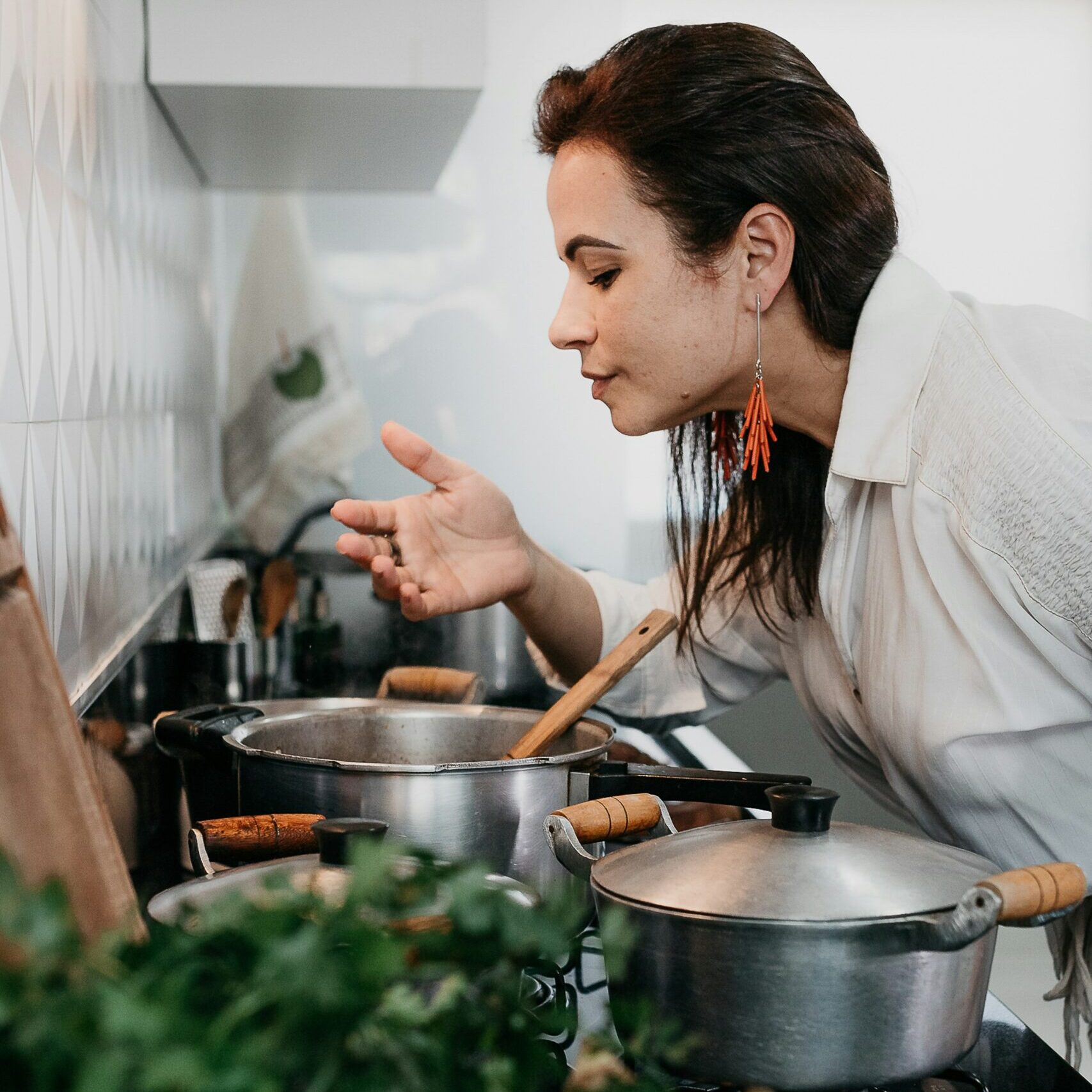
Hi, I’m Daisy Roots, the home cook and recipe developer behind this kitchen. I create simple, tested vegan recipes using everyday ingredients. Every dish is developed and cooked in my own kitchen, with clear steps to help you get reliable results every time. Thanks for stopping by — let’s cook something great!