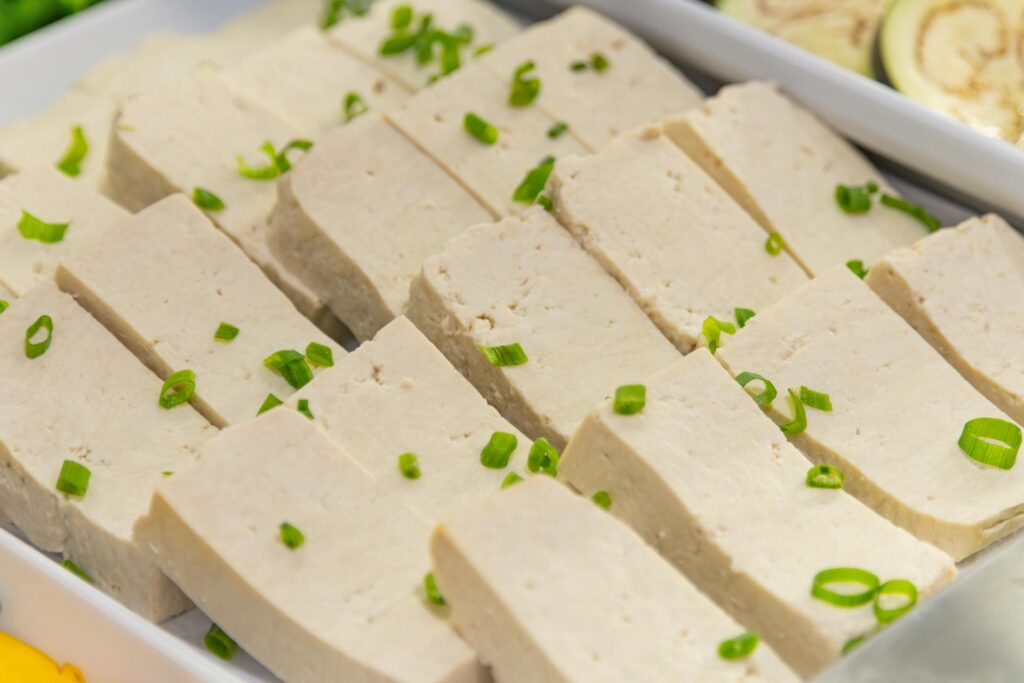
Tofu can be delicious, but only if it’s prepared the right way. One simple step makes a big difference: pressing it.
Pressing tofu removes the extra water trapped inside.
With less moisture, the tofu becomes firmer, cooks better, and soaks up marinades and sauces instead of watering them down. The result is tofu that crisps nicely and carries far more flavor.
If you’ve ever wondered why your tofu turns out soft or bland, this guide will help.
I’ll walk you through exactly how to press tofu properly so it’s ready for frying, baking, or grilling in your favorite meals.
Why Pressing Tofu Is Important
Removes Excess Moisture
Tofu is packed in water to keep it fresh, and a lot of that water stays trapped inside the block.
If you cook tofu straight from the package, that moisture slowly leaks out into the pan. This makes it harder for the tofu to brown and develop flavor.
Pressing gently squeezes out that extra liquid. As the water drains away, the tofu becomes slightly firmer and easier to work with.
You’ll notice the difference right away when cutting it. The pieces hold their shape better and cook more evenly.
A few minutes of pressing prepares the tofu so it behaves more like a cooking ingredient and less like a sponge full of water.
Helps Tofu Absorb Marinades and Sauces
When tofu is full of water, it cannot absorb much flavor. The liquid already inside the tofu blocks the space where marinades and sauces should go.
Pressing clears that space. Once the water is removed, the tofu can soak up whatever you add next—soy sauce, garlic marinades, spicy sauces, or simple seasonings.
This is what turns tofu from plain to flavorful. Instead of tasting watered down, the tofu carries the seasoning all the way through each bite.
Improves Texture for Frying, Baking, and Grilling
Good tofu texture comes from removing moisture before cooking. When tofu is pressed, the surface becomes firmer and cooks much better in high heat.
In a frying pan, pressed tofu browns more easily. In the oven, it develops crisp edges. On a grill, it holds together instead of breaking apart.
The inside stays tender while the outside forms a nice golden crust. That contrast is what makes tofu satisfying to eat.
Prevents Soggy Tofu
Soggy tofu usually happens when too much water remains inside the block. As it cooks, the water releases into the pan and steams the tofu instead of letting it crisp.
Pressing solves this problem before cooking even starts. With less liquid trapped inside, the tofu can properly sear and develop flavor.
The result is tofu that is firm, lightly crisp on the outside, and packed with the flavor of whatever seasoning or sauce you choose.
Types of Tofu and Whether They Need Pressing
Not every type of tofu needs pressing. The texture of the tofu determines whether pressing will help or harm it.
Some types are strong enough to handle pressure, while others are too delicate and will fall apart.
1. Extra-Firm Tofu
Extra-firm tofu is the best type for pressing. It contains less water than other varieties and has a dense structure that holds together well.
When you press extra-firm tofu, even more moisture comes out. This creates a firmer block that slices cleanly and cooks beautifully.
Extra-firm tofu is perfect for recipes where you want crisp edges and a satisfying bite. It works especially well for pan-frying, baking, and grilling.
Once pressed, it also absorbs marinades much better, which makes every piece more flavorful.
If you’re new to cooking tofu, extra-firm tofu is the easiest place to start.
2. Firm Tofu
Firm tofu also benefits from pressing, though it may release a little more water than extra-firm tofu. Pressing helps tighten the texture so the tofu holds together better during cooking.
Without pressing, firm tofu can feel slightly soft in the center. Removing some of the moisture improves the structure and makes it easier to brown in a pan.
Firm tofu is a good choice for stir-fries, baked tofu, and skillet recipes. A simple press for about 20 to 30 minutes usually gives the best results.
3. Medium Tofu
Medium tofu is softer and contains more water. Because of this, it should only be pressed lightly if the recipe calls for it.
Too much pressure can cause the tofu to break apart. If you decide to press medium tofu, use a very gentle weight and a shorter pressing time.
Medium tofu works well in dishes where you want a softer texture. It’s often used in soups, light sautés, or dishes where the tofu is mixed with sauces rather than crisped.
4. Soft and Silken Tofu
Soft and silken tofu should not be pressed. These types are very delicate and have a smooth, custard-like texture. Applying pressure will cause them to crumble or completely fall apart.
Instead of pressing, they are usually used straight from the package.
Silken and soft tofu shine in recipes where creaminess is the goal. They blend well into smoothies, sauces, dressings, and desserts.
They are also excellent in soups, where their gentle texture works perfectly in broths.
How Long Should You Press Tofu?
The time you press tofu depends on the texture you want and how you plan to cook it. A short press removes surface moisture.
A longer press pulls out more water and creates a firmer bite.
You don’t always need a long pressing time. Even a quick press can improve how tofu cooks and how well it absorbs flavor.
Quick Press (10–15 Minutes)
A quick press is useful when you’re short on time but still want a better texture. In about 10 to 15 minutes, the towels will already absorb a good amount of surface moisture.
This light press works well for simple stir-fries or quick skillet meals. The tofu becomes slightly firmer and browns more easily in the pan.
If you plan to toss the tofu in the sauce right away, this short press is often enough. It helps the tofu hold its shape while cooking without requiring much waiting.
Standard Press (20–30 Minutes)
A standard press is the most common method and works for most recipes. During this time, a larger amount of water drains from the tofu.
After about 20 to 30 minutes, the tofu feels noticeably firmer. The surface becomes drier, which helps it crisp up when fried or baked.
This is the ideal pressing time for recipes like crispy baked tofu, pan-fried tofu cubes, or marinated tofu. The tofu will absorb flavor better and develop a nice golden exterior when cooked.
Deep Press (45–60 Minutes)
A deep press removes as much moisture as possible. This longer pressing time creates a dense, sturdy texture that works especially well for high-heat cooking.
Tofu pressed for 45 to 60 minutes becomes firm enough to hold up on the grill or in very hot pans. It also develops crisp edges more easily because there is less water to release during cooking.
This method is perfect when you want tofu that is extra chewy, well-structured, and able to soak up bold marinades. It takes a little more time, but the texture payoff can be worth it for many recipes.
Method 1: Pressing Tofu Without a Tofu Press
You don’t need special equipment to press tofu. A few simple kitchen items work just as well. This method is reliable, easy, and perfect for everyday cooking.
Tools Needed
- Paper towels or a clean kitchen towel – absorbs the water released from the tofu
- Plate – supports the tofu while it presses
- Heavy object – books, a skillet, or a few cans work well for applying gentle pressure
Choose a weight that is heavy enough to press the tofu but not so heavy that it crushes it.
Step-by-Step Instructions
- Remove tofu from the packaging and drain the liquid
Open the tofu package and pour off the packing liquid. Gently remove the tofu block and let any excess water drip away. - Wrap the tofu in paper towels or a clean towel
Place the tofu on a few folded paper towels or inside a clean kitchen towel. Wrap it fully so the towels can absorb the moisture. - Place the tofu on a plate
Set the wrapped tofu flat on a plate. Make sure the surface is stable so the tofu presses evenly. - Add a second plate on top
Place another plate directly on top of the tofu. This spreads the pressure across the entire block instead of pressing in one small spot. - Place a heavy object on the plate
Set a heavy object on the top plate. A skillet, a stack of books, or a few canned goods work well. The goal is steady, gentle pressure. - Let it press for 20–30 minutes
Leave the tofu undisturbed while the towels absorb the liquid. Over time, you’ll notice the towels becoming damp as water is released. - Replace wet towels if needed
If the towels become soaked, unwrap the tofu and replace them with fresh ones. This allows the pressing process to continue removing moisture effectively.
Once finished, the tofu will feel firmer and drier. At this point, it’s ready to slice, marinate, and cook.
Method 2: Using a Tofu Press
A tofu press is a simple tool designed to remove water from tofu quickly and evenly.
It holds the tofu in place while applying steady pressure, so you don’t need plates, towels, or heavy objects.
If you cook tofu often, a press can make the process cleaner and more consistent.
Benefits of a Tofu Press
- Even pressure
A tofu press applies balanced pressure across the entire block. This helps the tofu drain evenly without breaking apart. - Faster results
Because the pressure stays steady, water drains more efficiently. Many presses can remove a good amount of moisture in 15 to 30 minutes. - Less mess
Most tofu presses collect the drained liquid at the bottom. This keeps your counter clean and removes the need for stacks of paper towels.
Step-by-Step Instructions
- Place tofu in the press
Remove the tofu from its package and drain the liquid. Set the tofu block inside the tofu press according to the press design. - Tighten the press gently
Slowly tighten the press until it applies light pressure. The goal is to squeeze out water without crushing the tofu. - Let the tofu press for 15–30 minutes
Leave the tofu in the press while the water drains out. You may see liquid collecting in the container or dripping away, depending on the press style. - Pour out the drained water if necessary
Some tofu presses collect water at the bottom. If it fills up, simply pour it out so the tofu can continue draining. - Remove tofu and cook as desired
Once pressed, take the tofu out and slice it into cubes, strips, or slabs. It’s now ready for marinades, frying, baking, or grilling.
Tips for Pressing Tofu Successfully
Pressing tofu is simple, but a few small tips can make the process much easier. These habits help you get better texture, better flavor, and more consistent results every time you cook tofu.
Use Extra-Firm Tofu for Best Results
Extra-firm tofu is the easiest type to press and cook. It already contains less water and has a stronger structure, so it handles pressure well.
When pressed, extra-firm tofu becomes dense and sturdy. It slices cleanly and holds its shape in the pan. This makes it perfect for recipes where you want golden edges or crisp cubes.
If you want reliable results, extra-firm tofu is always a safe choice.
Avoid Pressing Silken Tofu
Silken tofu is extremely delicate. Its smooth texture is meant for blending and soft dishes, not pressing.
If you try to press it, the tofu will collapse or break apart. Instead of removing water, you’ll simply end up with crumbled tofu.
Use silken tofu straight from the package for smoothies, sauces, desserts, or soups where a creamy texture is the goal.
Don’t Apply Too Much Pressure
Pressing tofu works best with gentle, steady pressure. Too much pressure can crack the tofu or squeeze it unevenly.
Start with moderate weight and let time do the work. The water will slowly drain out without damaging the tofu.
If the tofu begins to split or crumble, the weight is too heavy. Reduce the pressure and continue pressing.
Change Towels if They Become Soaked
When pressing tofu with towels or paper towels, they will quickly absorb water. Once they become soaked, they stop pulling moisture away from the tofu.
If you notice the towels are very wet, unwrap the tofu and replace them with dry ones. This helps continue the pressing process and removes even more moisture.
Dry towels make the pressing process more effective.
Press Longer for Crispy Tofu Recipes
If your goal is crispy tofu, pressing time matters. The less water inside the tofu, the better it browns during cooking.
For recipes like pan-fried tofu, baked tofu cubes, or grilled tofu slices, pressing for 30 to 60 minutes often gives the best texture.
The tofu becomes firmer and drier, which allows the surface to develop a crisp golden crust while the inside stays tender.
What to Do After Pressing Tofu
Once your tofu is pressed, it’s ready to turn into something delicious.
At this stage, the tofu is firmer, drier, and much better at absorbing flavor. Now you can cut it, season it, and cook it the way your recipe needs.
Cutting Tofu for Recipes
Start by placing the pressed tofu block on a cutting board. Use a sharp knife and cut it into the shape your recipe calls for.
Common cuts include:
- Cubes – great for stir-fries, rice bowls, and salads
- Strips – ideal for wraps, noodles, and sandwiches
- Thin slabs – perfect for grilling or pan-searing
- Small crumbles – useful for tacos or scrambled-style dishes
Try to keep the pieces evenly sized. This helps the tofu cook at the same speed and brown more evenly.
Marinating Tofu for Better Flavor
Pressed tofu absorbs marinades much better than unpressed tofu. This is the moment to add flavor.
Place the tofu pieces in a bowl or shallow dish. Pour your marinade over the tofu and gently toss or turn the pieces so they are coated.
Simple marinades work very well, such as:
- Soy sauce and garlic
- Soy sauce with a little maple syrup or sugar
- Teriyaki sauce
- Chili sauce or spicy marinades
Let the tofu sit in the marinade for 15–30 minutes if possible. Even a short soak helps the flavor move into the tofu.
Cooking Options
Once the tofu is cut and seasoned, it’s ready to cook. Several cooking methods work well, depending on the texture you want.
Pan-frying
Heat a little oil in a skillet over medium heat. Add the tofu and cook until the sides turn golden and lightly crisp. Turn the pieces occasionally so they brown evenly.
Baking
Spread the tofu on a baking sheet in a single layer. Bake in a hot oven until the edges become firm and slightly crispy. This method works well for larger batches.
Air frying
Place the tofu in the air fryer basket with space between the pieces. Cook until the tofu develops a crisp outer layer while staying tender inside.
Grilling
Use thicker slices or slabs of tofu for grilling. Brush them lightly with oil or marinade and place them on a hot grill. Cook until grill marks form, and the tofu is heated through.
Common Mistakes When Pressing Tofu
Pressing tofu is simple, but a few common mistakes can lead to poor texture or broken tofu. Avoiding these problems will help you get better results every time you cook.
Pressing Soft or Silken Tofu
Soft and silken tofu are not meant to be pressed. Their texture is delicate and smooth, almost like custard.
If you try to press them, they will break apart quickly. Instead of releasing water slowly, the tofu will crumble and lose its shape.
Use these softer types straight from the package. They work best in soups, blended sauces, smoothies, and desserts where a silky texture is the goal.
Using Too Much Weight
It might seem like adding more weight will press the tofu faster. In reality, too much pressure can damage the tofu.
Heavy weight can crack the block or squeeze it unevenly. The tofu may split in the center or crumble along the edges.
Gentle, steady pressure works best. A moderate weight combined with enough time will remove the moisture without ruining the tofu’s structure.
Not Pressing Long Enough
Pressing tofu for only a few minutes often leaves too much water inside. When the tofu hits the pan, that moisture releases and prevents proper browning.
If the towels are still very wet after a short press, the tofu likely needs more time. Let it continue pressing until a good amount of liquid has drained away.
For most recipes, 20 to 30 minutes is a reliable pressing time.
Skipping Pressing for Crispy Recipes
One of the biggest reasons tofu turns out soft instead of crisp is skipping the pressing step.
When tofu still holds a lot of water, it steams in the pan rather than browning. The surface stays pale, and the texture remains soft.
Pressing removes that extra moisture. This allows the tofu to sear, form golden edges, and develop the crispy texture many recipes aim for.
Final Thoughts
Pressing tofu is a small step that makes a big difference. Removing the extra water helps the tofu hold its shape, absorb flavor, and cook with better texture.
Once you try it, the process becomes quick and easy. A few minutes of pressing can turn plain tofu into something crisp, flavorful, and satisfying.
Give it a try the next time you cook tofu—you’ll notice the improvement right away.
FAQs
Do you always need to press tofu?
Some recipes require it, especially for crispy or fried tofu.
How long should tofu be pressed?
Usually 20–30 minutes for most recipes.
Can I press tofu overnight?
Yes, but it should be refrigerated.
Do tofu presses work better than DIY methods?
They provide more even pressure, but both methods work well.
Can I cook tofu without pressing it?
Yes, but the texture may be softer and less crispy.

Hi, I’m Daisy Roots, the home cook and recipe developer behind this kitchen. I create simple, tested vegan recipes using everyday ingredients. Every dish is developed and cooked in my own kitchen, with clear steps to help you get reliable results every time. Thanks for stopping by — let’s cook something great!