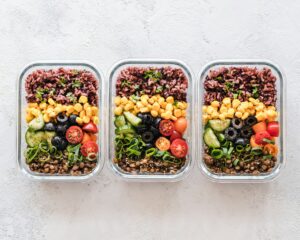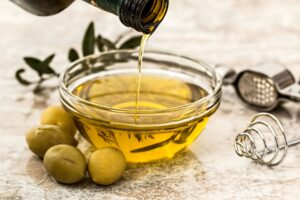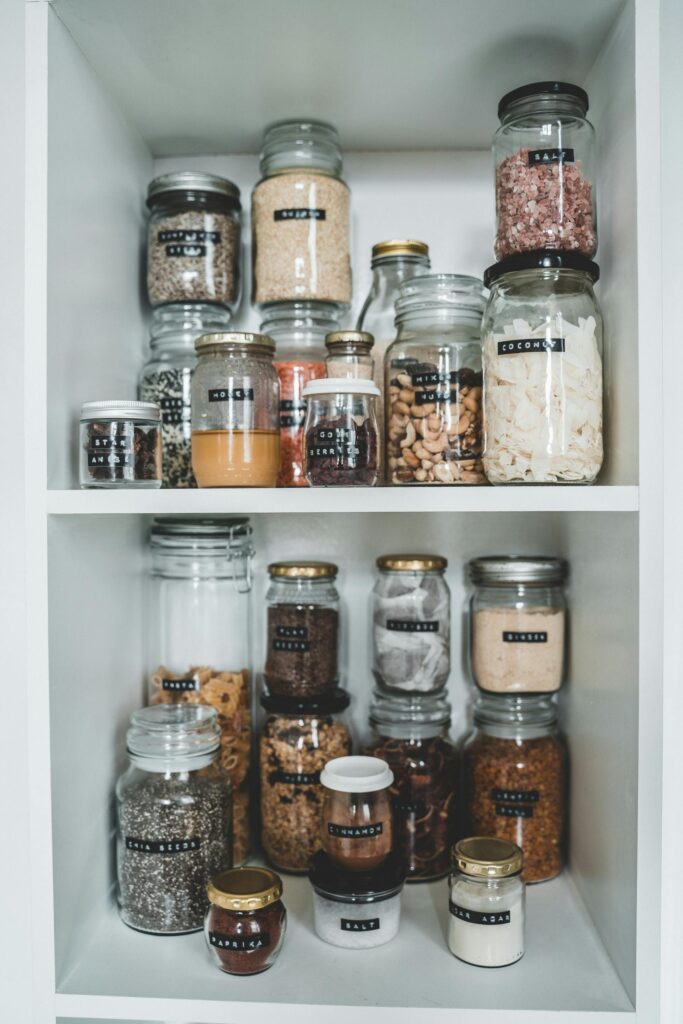
A vegan pantry is simply a kitchen stocked with plant-based ingredients you can use anytime. Think grains, beans, spices, and a few flavor boosters that make everyday cooking simple.
When your pantry is well stocked, making vegan meals becomes much easier. You can turn basic ingredients into filling dishes without extra shopping or complicated prep.
It also saves money and helps with meal planning. With the right staples on hand, quick dinners, simple lunches, and hearty bowls come together fast.
In this guide, you’ll learn the essential vegan pantry staples to keep at home and how they help you cook easy, flavorful plant-based meals any day of the week.
Vegan Pantry Starter Checklist
If you’re building a vegan pantry for the first time, start with these core staples.
They provide the foundation for dozens of simple, affordable plant-based meals and help you prioritize the most useful ingredients first.
| Pantry Category | Must-Have Starter Item | Budget-Friendly Choice |
|---|---|---|
| Grains | Rice | Brown Rice |
| Legumes | Lentils | Brown Lentils |
| Protein | Chickpeas | Canned Chickpeas |
| Healthy Fats | Peanut Butter | Peanut Butter |
| Cooking Oil | Olive Oil | Olive Oil |
| Flavor Boosters | Soy Sauce | Soy Sauce |
| Spices | Garlic Powder | Garlic Powder |
| Baking | Oats | Rolled Oats |
| Plant Milk | Soy Milk | Soy Milk |
Starting with these basics makes it easier to prepare balanced vegan meals without buying many ingredients.
As your pantry grows, you can gradually add more grains, beans, spices, and specialty items based on the recipes you enjoy most.
Why a Well-Stocked Vegan Pantry Matters
Saves Time When Cooking Everyday Meals
When your pantry is stocked with vegan staples, cooking becomes much faster. You already have the basics ready to go.
A simple dinner can come together in minutes. Cook some rice, warm up canned beans, and add spices or a quick sauce. Dinner is done without much effort.
The same idea works for many meals. Pasta with tomato sauce, lentil soup, or a quick stir-fry all start with ingredients that are easy to keep in the pantry.
Instead of figuring out what to cook, you can focus on combining what you already have.
Makes It Easier to Create Balanced Vegan Dishes
A good pantry gives you the building blocks for satisfying meals. Grains, beans, nuts, and seeds work together to create dishes that feel complete and filling.
For example, rice or quinoa can serve as the base of a bowl. Add chickpeas or lentils for protein. Then finish it with spices, sauce, or roasted vegetables.
These simple combinations make everyday cooking feel effortless. You don’t need complicated recipes when the right ingredients are already in your kitchen.
With a few staples, you can mix and match flavors and create plenty of variety.
Helps Reduce Grocery Trips
When your pantry is stocked, you don’t have to run to the store every time you want to cook.
Shelf-stable ingredients like dried lentils, canned beans, pasta, and oats last a long time. They sit quietly in your pantry until you need them.
This makes weeknight cooking easier. Even if the fridge looks a little empty, you can still make a hearty meal.
Keeping these basics on hand also helps you stay flexible. You can cook with what you have instead of relying on frequent grocery runs.
Supports Budget-Friendly Cooking
Pantry staples are often some of the most affordable ingredients you can buy. Beans, rice, oats, and lentils cost very little but go a long way.
Buying these foods in bulk can stretch your grocery budget even further. A single bag of rice or lentils can make many meals.
Simple ingredients also reduce food waste. You use what you already have instead of buying new items for every recipe.
Over time, a well-stocked pantry helps you cook more at home, save money, and enjoy satisfying meals without overspending.
1. Essential Grains and Carbohydrates
Key Staples to Keep on Hand
Rice (white, brown, jasmine, basmati)
Rice is one of the most versatile pantry staples. White rice cooks quickly and pairs well with stir-fries, curries, and bean dishes. Brown rice has a slightly nutty flavor and works well in grain bowls or salads.
Jasmine and basmati rice add extra aroma and are perfect for flavorful meals like vegetable curries or spiced rice bowls.
Pasta
Pasta is a reliable ingredient for quick meals. Keep a few shapes on hand, such as spaghetti, penne, or fusilli. It cooks fast and works with many simple sauces.
Toss it with tomato sauce, olive oil and garlic, or roasted vegetables for an easy dinner.
Quinoa
Quinoa is a small grain that cooks quickly and adds a light, fluffy texture to meals. It works well in grain bowls, salads, and warm side dishes.
Its mild flavor makes it easy to pair with vegetables, beans, and dressings.
Oats
Oats are a versatile pantry staple. They’re perfect for breakfast oatmeal, but they can also be used in baking, smoothies, and homemade granola.
Rolled oats are the most flexible option to keep in your pantry.
Couscous
Couscous is one of the fastest grains to prepare. Just add hot water, cover, and let it steam for a few minutes.
The small, fluffy grains pair well with roasted vegetables, chickpeas, and simple lemon or olive oil dressings.
Bread or Wraps
Bread and wraps are useful for quick lunches and simple meals.
Use them for sandwiches, toast, veggie wraps, or quick flatbread-style meals filled with beans, hummus, or roasted vegetables.
Potatoes and Sweet Potatoes
These kitchen staples are filling, affordable, and very flexible. Roast them, mash them, or add them to soups and stews.
Sweet potatoes bring a natural sweetness, while regular potatoes create hearty and comforting dishes.
Why These Ingredients Are Important
Provide Energy
Grains and starches give meals substance and help keep you full. They make dishes satisfying and help turn simple ingredients into a complete meal.
Serve as the Base for Many Meals
Most vegan dishes start with a grain or starch. A bowl of rice, pasta, quinoa, or potatoes becomes the foundation.
From there, you can add beans, vegetables, sauces, and spices to build flavor and variety.
2. Beans and Legumes
Protein-Packed Pantry Essentials
Canned Beans (Black Beans, Kidney Beans, Chickpeas)
Canned beans are one of the quickest ways to build a meal. They are already cooked, so all you need to do is rinse and add them to your dish.
Black beans work well in tacos, burrito bowls, and rice dishes. Kidney beans are great in chili and stews.
Chickpeas are especially versatile and can be used in curries, salads, hummus, or roasted for a crispy snack.
Dried Beans
Dried beans take a little longer to prepare, but they are very economical and store well for a long time.
Once cooked, they can be used the same way as canned beans. Many home cooks like to cook a large batch and store the extras for future meals.
Lentils (Red, Green, Brown)
Lentils cook faster than most beans and are perfect for quick meals. Red lentils soften quickly and work well in soups, stews, and creamy curries.
Green and brown lentils hold their shape better, making them ideal for salads, grain bowls, and hearty vegetable dishes.
Split Peas
Split peas are commonly used in thick, comforting soups and stews.
They cook down into a smooth, creamy texture and absorb the flavors of herbs, spices, and vegetables very well.
Benefits
Affordable Plant-Based Protein
Beans and legumes are some of the most budget-friendly ingredients you can buy.
A single bag or can can stretch into several meals, making them a practical staple for everyday cooking.
Great for Soups, Curries, Salads, and Stews
These ingredients are incredibly adaptable.
Add them to soups for a hearty texture, stir them into curries for richness, toss them into salads for extra substance, or simmer them in stews for a comforting meal.
With a few pantry spices and grains, they can easily become the center of a satisfying vegan dish.
3. Plant-Based Protein Sources
Important Vegan Protein Staples
Tofu
Tofu is one of the most versatile plant-based proteins you can cook with. It has a mild flavor that easily absorbs marinades, sauces, and spices.
Cube it for stir-fries, crumble it into scrambles, or bake it until crispy for bowls and salads.
Tempeh
Tempeh has a firmer texture and a slightly nutty flavor. It works well sliced, crumbled, or cubed.
Pan-fry it for sandwiches, add it to grain bowls, or toss it into stir-fries for a hearty bite.
Textured Vegetable Protein (TVP)
TVP is a shelf-stable soy product that quickly absorbs water and seasoning. Once rehydrated, it has a texture similar to ground meat.
It works well in tacos, pasta sauces, chili, and veggie burgers.
Canned Lentils and Chickpeas
While dried versions are common pantry items, canned lentils and chickpeas are convenient when you want something quick.
They can be added straight to soups, salads, pasta dishes, and curries with very little preparation.
Peanut Butter and Nut Butters
Nut butters are simple pantry staples that add richness and protein to meals.
Spread peanut butter on toast, stir it into sauces, blend it into smoothies, or use it in noodle dishes for a creamy texture.
Approximate Protein Content of Common Vegan Pantry Staples
If you’re looking to build more protein-rich vegan meals, some pantry staples provide significantly more protein than others.
The table below offers a quick comparison of common plant-based protein sources.
| Food | Approximate Protein Per Serving |
|---|---|
| Lentils (1 cup cooked) | 18g |
| Tempeh (100g) | 19g |
| Tofu (100g) | 10–15g |
| Chickpeas (1 cup cooked) | 15g |
| Black Beans (1 cup cooked) | 15g |
| TVP (½ cup dry) | 24g |
| Peanut Butter (2 tbsp) | 7g |
Keep in mind that exact protein amounts vary by brand and preparation method, but this guide can help you identify some of the most protein-dense staples to keep stocked in your vegan pantry.
Tip: Pair protein-rich foods like beans, lentils, tofu, or tempeh with grains such as rice, oats, or quinoa to create more satisfying and balanced meals.
Why Protein Staples Matter
Help Build Balanced Vegan Meals
Protein ingredients give structure to a dish. Pair tofu, beans, or lentils with grains and vegetables, and you instantly create a meal that feels satisfying and complete.
Provide Essential Nutrients
Plant-based protein foods also bring important nutrients and texture to vegan cooking.
They help make meals more filling and add depth to everyday dishes. With the right staples on hand, building flavorful vegan meals becomes much easier.
4. Nuts, Seeds, and Healthy Fats
Pantry Staples to Include
Almonds
Almonds are a reliable pantry staple with a mild, slightly sweet flavor. Enjoy them as a snack, chop them into salads, or add them to oatmeal and granola for extra crunch.
They also work well in baking and homemade energy bites.
Cashews
Cashews are especially useful in vegan cooking because they blend into a smooth, creamy texture.
Soaked cashews can be turned into sauces, dressings, dips, and dairy-free creams. They are also great in stir-fries and grain bowls.
Walnuts
Walnuts have a rich, earthy flavor that pairs well with both sweet and savory dishes. Add them to salads, baked goods, or oatmeal.
They can also be chopped and used as a topping for pasta or roasted vegetables.
Chia Seeds
Chia seeds are tiny but powerful in the kitchen. When mixed with liquid, they form a thick gel that works well for puddings, smoothies, and overnight oats.
They can also be used as a simple egg substitute in baking.
Flaxseeds
Ground flaxseeds are commonly used in vegan baking. When mixed with water, they create a mixture that helps bind ingredients together.
They are also easy to stir into oatmeal, smoothies, or homemade granola.
Sunflower Seeds
Sunflower seeds are affordable and easy to add to many dishes. Sprinkle them over salads, grain bowls, or roasted vegetables. They add a pleasant crunch and a mild nutty flavor.
Tahini
Tahini is a smooth paste made from ground sesame seeds. It’s a key ingredient in hummus and many dressings.
A spoonful of tahini can add richness to sauces, grain bowls, and roasted vegetable dishes.
Benefits
Provide Healthy Fats
Nuts and seeds add richness and help make meals more satisfying. A small handful can turn a simple bowl or salad into something more filling.
Add Texture and Flavor to Meals
Crunchy almonds, creamy cashews, and smooth tahini bring contrast to dishes. These ingredients help balance flavors and keep meals interesting.
Great for Smoothies and Baking
Many nuts and seeds blend easily into smoothies, sauces, and batters.
They add body, flavor, and structure to baked goods and creamy drinks, making them useful staples to keep on hand.
5. Essential Vegan Cooking Oils
Common Oils to Keep Stocked
Olive Oil
Olive oil is one of the most useful oils to keep in your pantry. It has a smooth, slightly fruity flavor that works well in many recipes.
Use it for sautéing vegetables, drizzling over roasted dishes, or mixing into simple salad dressings.
Coconut Oil
Coconut oil has a mild coconut flavor and a solid texture at room temperature. It’s often used in baking, curries, and some stir-fries.
It can also add richness to roasted vegetables or sweet recipes.
Avocado Oil
Avocado oil has a clean, neutral taste that works well in many types of cooking. It’s great for sautéing, roasting, and pan-frying.
Because it doesn’t overpower other ingredients, it blends easily into both simple and flavorful dishes.
Sesame Oil
Sesame oil has a strong, nutty flavor and is usually used in small amounts.
A drizzle can add depth to stir-fries, noodle dishes, marinades, and sauces. Toasted sesame oil is especially popular for finishing dishes and adding aroma.
How They Are Used
Cooking
Oils help ingredients cook smoothly and prevent sticking. They are commonly used when sautéing vegetables, roasting potatoes, or preparing stir-fries.
Salad Dressings
Many simple dressings start with oil. Combine olive oil or sesame oil with vinegar, lemon juice, and a pinch of salt for a quick homemade dressing.
Baking
Some oils work well in baked goods. Coconut oil and neutral oils can add moisture to cakes, muffins, and quick breads while keeping the texture soft and tender.
6. Flavor Boosters and Condiments
Must-Have Flavor Ingredients
Soy Sauce or Tamari
Soy sauce is one of the easiest ways to add savory flavor to a meal. It works well in stir-fries, marinades, noodle dishes, and simple sauces.
Tamari is a similar option with a slightly richer taste and is often used as a gluten-free alternative.
Nutritional Yeast
Nutritional yeast has a savory, slightly cheesy flavor that many vegans love.
Sprinkle it over pasta, popcorn, roasted vegetables, or mix it into sauces and dressings for extra depth.
Miso Paste
Miso paste is made from fermented soybeans and has a strong, savory flavor.
A small spoonful can add richness to soups, broths, marinades, and sauces. It blends especially well into dressings and noodle dishes.
Tomato Paste
Tomato paste is a concentrated ingredient that brings bold tomato flavor to recipes.
It works well in pasta sauces, stews, soups, and chili. Even a small amount can deepen the flavor of a dish.
Hot Sauce
Hot sauce adds a quick kick of heat and brightness.
A few drops can bring life to bowls, tacos, soups, and roasted vegetables. It’s an easy way to adjust flavor right before serving.
Mustard
Mustard adds a sharp, tangy flavor to dressings, sauces, and spreads. It works well in salad dressings, marinades, and sandwiches.
Maple Syrup or Agave
A touch of sweetness can balance savory flavors. Maple syrup or agave is often used in dressings, sauces, marinades, and baking.
Just a small amount helps round out the flavor of many dishes.
Why They Are Important
Vegan cooking relies heavily on layering flavors. Ingredients like soy sauce, miso, and nutritional yeast add savory depth that makes meals taste fuller and more satisfying.
Common Vegan Pantry Staple Substitutions
Running out of an ingredient doesn’t always mean you need to skip a recipe.
Many vegan pantry staples can be swapped with similar ingredients you may already have on hand.
Use this quick reference guide to make simple substitutions when needed.
| If You Don’t Have | Use Instead |
|---|---|
| Soy Sauce | Tamari or Coconut Aminos |
| Chickpeas | White Beans |
| Quinoa | Brown Rice |
| Tahini | Sunflower Seed Butter |
| Maple Syrup | Agave Syrup |
| Black Beans | Kidney Beans |
| Oat Milk | Soy Milk |
| Lentils | Split Peas |
These substitutions won’t always create identical results, but they can help you prepare flavorful meals without making an extra trip to the grocery store.
7. Herbs, Spices, and Seasonings
Essential Spices for Vegan Cooking
Garlic Powder
Garlic powder adds savory flavor quickly and evenly. It works well in soups, sauces, roasted vegetables, and marinades.
It’s also useful when you want garlic flavor without chopping fresh cloves.
Onion Powder
Onion powder brings a mild, sweet onion taste to dishes. It blends easily into sauces, spice mixes, dressings, and roasted vegetables.
Paprika
Paprika adds color and gentle warmth to meals. It works well in stews, roasted potatoes, grain bowls, and sauces. Smoked paprika can add a deeper, slightly smoky flavor.
Cumin
Cumin has a warm, earthy taste that is common in many savory dishes.
It pairs well with beans, lentils, rice, and roasted vegetables. It’s especially useful in chili, curries, and taco-style meals.
Turmeric
Turmeric adds a bright golden color and mild earthy flavor. It is often used in curries, rice dishes, soups, and tofu scrambles.
Chili Powder
Chili powder brings gentle heat and depth. It works well in chili, bean dishes, roasted vegetables, and sauces when you want a bit of spice.
Black Pepper
Black pepper is a simple seasoning that enhances almost any savory dish. A small pinch can sharpen and balance flavors.
Sea Salt
Salt is one of the most important seasonings in cooking. It helps bring out the natural flavor of ingredients and balances the overall taste of a dish.
Italian Seasoning
Italian seasoning is a blend of herbs such as oregano, basil, and thyme. It’s perfect for pasta sauces, roasted vegetables, soups, and grain dishes.
How Spices Improve Vegan Meals
Enhance Flavor Without Added Fats
Spices add strong flavor without needing extra oils or heavy sauces. A simple sprinkle can make a dish taste richer and more satisfying.
Create Variety in Simple Dishes
Using different spices can completely change the flavor of a meal. The same ingredients can taste different depending on the seasoning you choose.
This makes it easy to keep everyday meals interesting while using the same pantry staples.
8. Baking and Cooking Essentials
Vegan Pantry Baking Staples
All-Purpose Flour
All-purpose flour is one of the most useful baking ingredients.
It works for cakes, muffins, pancakes, cookies, and quick breads. It can also help thicken sauces and soups when mixed with liquid.
Whole Wheat Flour
Whole wheat flour adds a slightly nutty flavor and a heartier texture to baked goods.
It works well in breads, pancakes, and muffins. Many recipes combine it with all-purpose flour for a balanced texture.
Baking Powder
Baking powder helps baked goods rise and become light and fluffy. It’s commonly used in cakes, muffins, biscuits, and pancakes.
Baking Soda
Baking soda is another leavening ingredient that helps baked goods expand during baking.
It’s often used in cookies, quick breads, and recipes that include acidic ingredients.
Cornstarch
Cornstarch is a helpful thickening ingredient. It can be mixed with water to thicken soups, sauces, gravies, and pie fillings. It also helps create smooth textures in desserts.
Cocoa Powder
Cocoa powder brings rich chocolate flavor to vegan desserts. It’s used in cakes, brownies, cookies, hot chocolate, and chocolate sauces.
Vanilla Extract
Vanilla extract adds warmth and sweetness to baked goods and desserts.
Even a small amount can make cakes, muffins, and frostings taste more balanced.
Sugar or Coconut Sugar
Sugar helps sweeten baked goods and balance flavors. Regular sugar works well in most recipes, while coconut sugar adds a slightly caramel-like taste.
Common Uses
Vegan Baking
These ingredients are the foundation of many vegan baked goods.
With flour, leavening agents, sugar, and flavorings, you can easily make simple cakes, cookies, pancakes, and muffins.
Thickening Sauces
Ingredients like flour and cornstarch help create thicker sauces and gravies. They bring body and smooth texture to soups, stews, and savory dishes.
Making Desserts
From brownies to chocolate cakes, these staples make it easy to prepare sweet treats at home.
Once they’re in your pantry, you’ll always be ready to bake something simple and satisfying.
9. Shelf-Stable Plant-Based Milk
Good Pantry Options
Almond Milk
Almond milk has a light, mild flavor that works well in many recipes.
It’s commonly used in smoothies, oatmeal, cereal, and baking. Unsweetened versions are especially versatile for cooking.
Soy Milk
Soy milk has a slightly creamier texture and works well in baking and cooking. It’s a reliable option for sauces, soups, pancakes, and coffee.
Oat Milk
Oat milk is known for its smooth and slightly sweet taste. It blends nicely into coffee, smoothies, and baked goods. Its creamy texture also works well in sauces and oatmeal.
Coconut Milk
Coconut milk is richer than most plant-based milks and adds a subtle coconut flavor.
It’s often used in curries, soups, sauces, and desserts. Canned coconut milk is especially useful for creating creamy dishes.
Why They Are Useful
Plant-based milk is a flexible ingredient that fits into many everyday recipes.
Use it for baking cakes and pancakes, blending smoothies, making creamy sauces, or simply adding to coffee or tea.
Keeping a few cartons in the pantry means you’re always prepared to cook or bake without needing fresh milk from the store.
Optional Convenience Staples
While a basic vegan pantry focuses on simple ingredients, a few convenience items can make everyday cooking even easier.
These foods save time and help you prepare quick meals when you’re busy or low on fresh ingredients.
They’re not essential, but they can be very helpful to keep around for fast lunches, simple dinners, or last-minute meals.
Helpful but Optional Items
Canned Soups
Canned soups are a quick solution for busy days. Many vegetable, lentil, and bean soups are naturally vegan.
You can enjoy them on their own or use them as a base by adding extra beans, grains, or vegetables.
Jarred Pasta Sauce
A jar of pasta sauce can turn a simple pot of pasta into a quick dinner. It’s also useful for pizza, grain bowls, or baked vegetable dishes.
Look for basic tomato-based sauces with simple ingredients.
Frozen Vegetables
Frozen vegetables are convenient and last much longer than fresh produce. They’re easy to add to stir-fries, soups, pasta dishes, and rice bowls.
Since they’re already chopped, they save time during meal prep.
Instant Noodles
Instant noodles can be a quick base for a meal. Add tofu, vegetables, and a simple sauce to make them more filling and flavorful.
Pre-Cooked Grains
Pre-cooked rice, quinoa, or grain packets are useful when you need something fast.
They heat in just a few minutes and pair well with beans, vegetables, and sauces for an easy meal.
Tips for Building a Vegan Pantry on a Budget
Start With Basic Staples First
Begin with the ingredients you will use the most. Grains like rice and oats, along with beans, lentils, and pasta, are a great starting point.
Once you have these basics, you can create many simple meals. Rice and beans, lentil soup, pasta with tomato sauce, or oatmeal for breakfast are all easy options that rely on pantry staples.
After the essentials are in place, you can slowly add spices, sauces, and other ingredients that build flavor.
Buy Dry Goods in Bulk
Dry ingredients often cost less when purchased in larger quantities. Items like rice, lentils, oats, and beans store well for long periods, making them perfect for bulk buying.
Buying a larger bag may seem like more upfront, but it usually lowers the cost per meal. Store these foods in sealed containers to keep them fresh and easy to access.
This simple habit can save money over time while ensuring your pantry stays stocked.
Choose Store Brands
Store-brand products are often just as good as name brands but cost less. Pantry staples like canned beans, pasta, flour, and spices are great examples.
Compare prices and choose the option that fits your budget. Over time, these small savings can make a noticeable difference in your grocery spending.
The goal is to build a pantry that works for you without overspending.
Use Versatile Ingredients
Choose ingredients that can be used in many different meals. Foods like rice, chickpeas, oats, and pasta can appear in a wide range of dishes.
For example, chickpeas can be added to salads, blended into hummus, roasted for snacks, or stirred into curries. Oats can be used for breakfast, baking, or homemade granola.
Versatile ingredients give you more cooking options while keeping your grocery list simple and budget-friendly.
If You’re Starting From Scratch, Buy These 10 Items First
Building a vegan pantry doesn’t have to happen all at once.
If you’re starting from scratch, focus on a few versatile staples that can be used across multiple meals.
These ingredients offer the best combination of affordability, convenience, and flexibility.
- Rice
- Oats
- Pasta
- Canned Chickpeas
- Lentils
- Peanut Butter
- Olive Oil
- Soy Sauce
- Garlic Powder
- Plant-Based Milk
With these ten staples, you can make everything from oatmeal and grain bowls to soups, pasta dishes, and simple meal-prep lunches.
Start with the basics, then gradually add more pantry items as you discover new recipes and cooking styles.
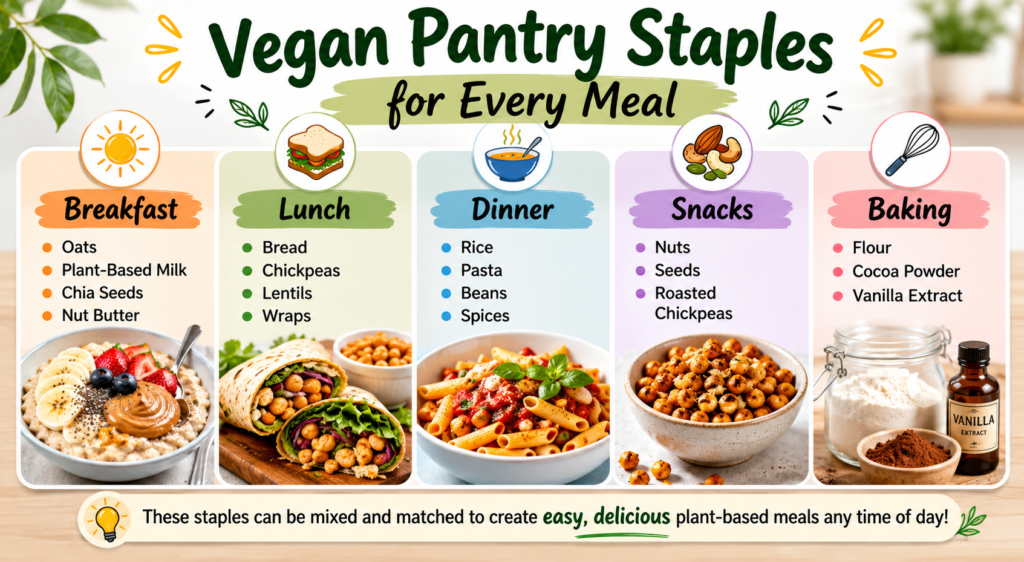
Vegan Pantry Staples by Meal Type
One of the biggest benefits of a well-stocked vegan pantry is the ability to build meals quickly without much planning.
Use this guide to see which staples are most useful for different types of meals throughout the day.
| Meal | Pantry Staples |
|---|---|
| Breakfast | Oats, Plant-Based Milk, Chia Seeds, Nut Butter |
| Lunch | Bread, Chickpeas, Lentils, Wraps |
| Dinner | Rice, Pasta, Beans, Spices |
| Snacks | Nuts, Seeds, Roasted Chickpeas |
| Baking | Flour, Cocoa Powder, Vanilla Extract |
This simple framework makes meal planning easier and helps ensure you’re stocking ingredients that can be used in multiple ways throughout the week.
Simple Meals You Can Make With Pantry Staples
Bean and Rice Bowls
Bean and rice bowls are one of the easiest meals to make with pantry staples. Start by cooking a pot of rice. While it cooks, warm up canned beans with a little garlic powder, cumin, salt, and pepper.
Spoon the beans over the rice and add a drizzle of olive oil, hot sauce, or a squeeze of lemon if you have it. If you have vegetables on hand, toss them in as well.
This simple combination is hearty, comforting, and easy to change depending on what ingredients you have.
Lentil Soup
Lentil soup is a classic pantry meal that requires very little effort. Add lentils to a pot with water or broth, then season with garlic powder, onion powder, cumin, and a pinch of salt.
Let the soup simmer until the lentils are tender. You can stir in tomato paste for extra depth and richness.
The result is a warm, filling soup that works well for lunch or dinner. It also stores well, making it great for leftovers.
Chickpea Salad Sandwiches
Chickpea salad sandwiches are a quick and satisfying option for lunch. Drain and mash a can of chickpeas in a bowl.
Add mustard, a little olive oil, salt, pepper, and any spices you enjoy. Mix until everything is well combined.
Spread the mixture onto bread or wrap it in a tortilla. The texture is hearty, and the flavor is bright and savory.
Vegan Pasta Dishes
Pasta is one of the most reliable pantry meals. Cook your favorite pasta and toss it with jarred tomato sauce, olive oil, garlic powder, and Italian seasoning.
You can also stir in canned beans or lentils to make the dish more filling. Nutritional yeast sprinkled on top adds a savory finish.
This simple meal is fast, flexible, and always satisfying.
Oatmeal With Nuts and Fruit
Oatmeal is a pantry favorite that works well for breakfast or even a simple snack. Cook oats with water or plant-based milk until soft and creamy.
Top the bowl with nuts, seeds, or nut butter for richness. Add fruit if you have it, or a drizzle of maple syrup for sweetness.
It’s warm, comforting, and easy to customize using ingredients already in your kitchen.
One-Week Vegan Pantry Meal Plan Example
A well-stocked pantry makes meal planning much easier.
To show how versatile these ingredients can be, here’s a simple one-week meal plan built around common vegan pantry staples.
| Day | Simple Meal |
|---|---|
| Monday | Bean and Rice Bowl |
| Tuesday | Lentil Soup |
| Wednesday | Chickpea Salad Sandwiches |
| Thursday | Pasta with Tomato Sauce and Lentils |
| Friday | Tofu Stir-Fry with Rice |
| Saturday | Oatmeal with Nut Butter and Fruit |
| Sunday | Leftover Grain Bowl with Beans |
Meal Prep Tip: Cook a large batch of rice and lentils at the beginning of the week. Having these staples ready to go can significantly reduce cooking time and make it easier to assemble quick meals throughout the week.
Vegan Pantry Storage Guide
Proper storage helps pantry staples stay fresh longer, reduces food waste, and protects ingredients from moisture and pests.
Use the table below as a quick reference when organizing your vegan pantry.
| Ingredient | Best Storage Method | Typical Shelf Life |
|---|---|---|
| Rice | Airtight container | 1–2 years |
| Pasta | Airtight container | 1–2 years |
| Dried Beans | Cool, dry pantry | Up to 2 years |
| Lentils | Airtight container | Up to 2 years |
| Oats | Sealed container | Up to 1 year |
| Nuts | Pantry or refrigerator | 3–12 months |
| Seeds | Refrigerator preferred | 6–12 months |
| Flour | Airtight container | 6–12 months |
For the best results, store dry goods in airtight containers away from heat, direct sunlight, and excess moisture.
Labeling containers with purchase dates can also help you rotate ingredients and use older items first.
The 5 Most Versatile Vegan Pantry Staples
If you only keep 5 vegan pantry staples, make them these:
Rice – A simple base for grain bowls, stir-fries, curries, and side dishes.
Lentils – Affordable, protein-rich, and perfect for soups, stews, curries, and salads.
Chickpeas – Great for hummus, grain bowls, curries, salads, and roasted snacks.
Oats – Useful for breakfast, baking, homemade granola, and energy bites.
Soy Sauce – An easy way to add savory flavor to stir-fries, marinades, sauces, and noodle dishes.
Together, these ingredients can be used to make breakfasts, lunches, dinners, snacks, soups, grain bowls, curries, and meal-prep recipes while keeping your grocery budget under control.
Final Thoughts
A well-stocked vegan pantry makes everyday cooking simple. With grains, beans, spices, and a few flavor boosters on hand, you can turn basic ingredients into satisfying meals.
Start small and build your pantry over time. Add a few staples each shopping trip and focus on ingredients you’ll use often.
Before long, you’ll have everything you need to cook quick, flavorful vegan meals whenever you step into the kitchen.
FAQs
What can I make if my pantry is almost empty?
Some of the easiest pantry meals include rice and beans, lentil soup, oatmeal with nut butter, pasta with tomato sauce, or chickpea salad sandwiches.
These meals require only a handful of shelf-stable ingredients and can be made without a fully stocked refrigerator.
What are the most important vegan pantry staples?
Some of the most useful staples include rice, pasta, oats, canned beans, lentils, plant-based milk, cooking oils, and basic spices.
These ingredients form the base for many simple vegan meals.
How do I start a vegan pantry from scratch?
Start with a few basics like grains, beans, and simple seasonings. Then slowly add sauces, spices, and other ingredients you use often.
Are vegan pantry staples expensive?
Most vegan staples are actually very budget-friendly. Foods like rice, lentils, beans, and oats are inexpensive and can be used in many meals.
How long do vegan pantry staples last?
Many pantry staples last a long time when stored properly. Dry goods like rice, beans, pasta, and oats can last months or even longer in sealed containers.
What proteins should vegans always keep in the pantry?
Good pantry protein options include canned beans, lentils, chickpeas, nut butters, and shelf-stable items like textured vegetable protein (TVP).
What are the best vegan pantry staples for beginners?
Start with versatile basics like rice, oats, lentils, canned chickpeas, pasta, peanut butter, olive oil, soy sauce, garlic powder, and plant-based milk.
These ingredients are affordable, easy to use, and can be combined into dozens of simple vegan meals.
Hi, I’m Daisy Roots, the home cook and recipe developer behind this kitchen. I create simple, tested vegan recipes using everyday ingredients. Every dish is developed and cooked in my own kitchen, with clear steps to help you get reliable results every time. Thanks for stopping by — let’s cook something great!