Tofu and tempeh are two popular plant-based proteins made from soybeans. Both are versatile, satisfying, and widely used in everyday cooking.
But they behave very differently in the kitchen.
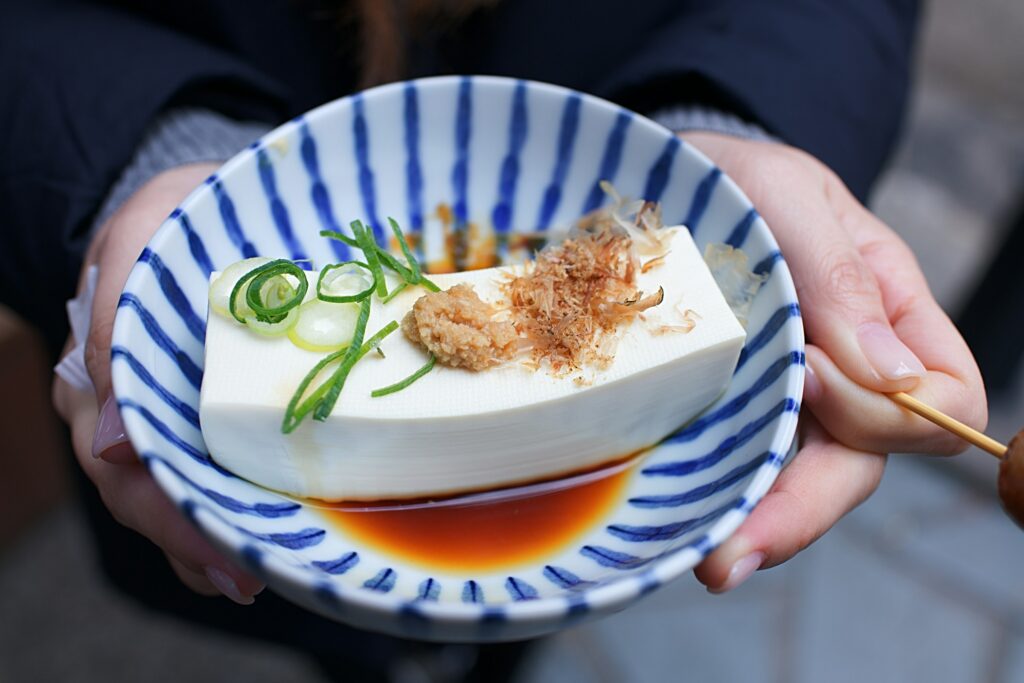
Tofu is soft and mild, which means it easily absorbs marinades and sauces.
Tempeh is firm and hearty with a naturally nutty flavor. Because of these differences, they cook in different ways and work best in different types of dishes.
In this guide, you’ll learn the key cooking differences between tofu and tempeh, how to prepare each one, and when to use them so your meals turn out flavorful every time.
Tofu vs Tempeh at a Glance
| If You Want… | Choose |
|---|---|
| Crispy exterior and soft interior | Tofu |
| Highest protein per serving | Tempeh |
| Best marinade absorption | Tofu |
| Heartier, meatier texture | Tempeh |
| Smooth sauces and desserts | Tofu |
| Tacos and sandwich fillings | Tempeh |
| Mild flavor | Tofu |
| Nutty flavor | Tempeh |
What Is Tofu?
Tofu is a soy-based ingredient made by curdling fresh soy milk and pressing the curds into solid blocks, a process similar to how cheese is made from dairy milk.
The liquid soy milk is heated, a coagulant is added to separate the curds, and those curds are then pressed together to form tofu.
The amount of pressing determines the final texture, which is why tofu comes in several varieties.
Silken tofu is very smooth and delicate, almost like custard, and works well in blended sauces, desserts, and creamy soups.
Soft tofu holds its shape slightly better but is still tender, making it great for gentle dishes like soups or light sautés.
Firm tofu is more solid and versatile, while extra-firm tofu is dense and sturdy, which makes it ideal for pan-frying, baking, grilling, or air frying.
One of tofu’s biggest strengths is its mild, neutral flavor.
On its own, it tastes very subtle, but that’s exactly what makes it so useful in the kitchen because it absorbs marinades, sauces, and spices extremely well.
When you season tofu properly, it takes on the flavors around it while adding a satisfying texture to the dish.
Because of this flexibility, tofu shows up in many everyday recipes, including stir-fries, noodle bowls, crispy tofu bites, sandwiches, curries, salads, and even blended sauces.
Once you understand its texture and how well it carries flavor, tofu becomes one of the easiest ingredients to work with.
What Is Tempeh?
Tempeh is a traditional soy-based ingredient made from whole soybeans that have been cooked and then fermented with a natural culture that binds the beans together into a firm block.
During fermentation, the soybeans develop a white layer that holds everything together, creating a sliceable cake with visible whole beans inside.
Unlike tofu, which is smooth and uniform, tempeh keeps the shape and texture of the beans, giving it a much firmer and denser bite.
When you cut into it, you’ll notice it feels sturdy and slightly chewy, which makes it hold up well during cooking. Tempeh also has a naturally nutty, earthy flavor that is more pronounced than tofu.
This deeper flavor means it can stand on its own in a dish while still absorbing marinades, sauces, and spices.
Tempeh has been a staple food in Indonesia for centuries, where it is commonly pan-fried, grilled, or simmered in flavorful sauces.
In everyday cooking, it works especially well when sliced thin, cubed, or crumbled.
You can pan-fry it until golden, bake it with a marinade, add it to stir-fries, layer it into sandwiches, or crumble it into tacos and pasta sauces.
Its firm texture makes it a great option when you want something hearty that keeps its shape during cooking.
Once you learn how to season and cook it properly, tempeh becomes a reliable ingredient that brings both texture and flavor to a wide range of meals.
Main Cooking Differences Between Tofu and Tempeh
| Feature | Tofu | Tempeh |
|---|---|---|
| How It’s Made | Soy milk is coagulated and pressed into blocks | Whole soybeans are fermented and pressed into a firm cake |
| Texture | Ranges from soft and silky to firm and smooth | Dense, firm, and chewy with visible soybeans |
| Flavor | Mild and neutral | Nutty, earthy, and more pronounced |
| Marinade Absorption | Absorbs marinades very easily | Absorbs flavor but keeps its natural taste |
| Preparation | Often pressed to remove excess moisture | Sometimes steamed to reduce bitterness |
| Cooking Time | Cooks quickly | Takes slightly longer due to density |
| Best Uses | Stir-fries, bowls, soups, sauces, crispy tofu | Sandwiches, tacos, stir-fries, grilled dishes |
1. Texture Differences
Texture is one of the biggest differences you’ll notice when cooking with tofu and tempeh.
Tofu ranges from very soft to quite firm, depending on the type you buy.
Silken and soft tofu are delicate and smooth, so they work best in soups, sauces, or blended dishes where a creamy texture is welcome.
Firm and extra-firm tofu hold their shape much better, which makes them ideal for pan-frying, baking, grilling, or air frying.
Tempeh, on the other hand, is naturally dense and chewy because it is made from whole soybeans bound together through fermentation.
It feels solid when you slice it and stays sturdy while cooking. This difference affects how you cook each ingredient.
Tofu can crisp up nicely on the outside while staying tender inside, but it needs gentle handling if it’s a softer variety.
Tempeh is much tougher and rarely falls apart, so it works well for slicing into strips, cubes, or even crumbling into hearty dishes like tacos or grain bowls.
2. Flavor Differences
Flavor is another key point where tofu and tempeh behave differently in the kitchen. Tofu has a very mild taste, almost neutral, which makes it a blank canvas for seasoning.
When you marinate tofu or cook it in a flavorful sauce, it soaks up those flavors and becomes whatever the dish needs it to be.
This makes tofu very flexible for many types of cuisine, from stir-fries to curries to crispy snack-style bites.
Tempeh starts with more flavor on its own. It has a nutty, earthy taste that comes from the fermentation process and the whole soybeans used to make it.
Because of this stronger base flavor, tempeh tends to shine in bold dishes where you want a hearty bite and a deeper taste.
It works especially well in sandwiches, grilled dishes, stir-fries, and savory sauces where its natural flavor adds character to the meal.
3. Preparation Before Cooking
Before cooking, tofu and tempeh benefit from slightly different preparation steps. Firm and extra-firm tofu are often pressed before cooking to remove excess water.
Pressing helps the tofu hold its shape better and allows marinades to soak in more easily.
You can do this by wrapping the tofu in a clean towel and placing something heavy on top for about 15 to 30 minutes. Once pressed, tofu can be sliced, cubed, or torn into pieces depending on the recipe.
Tempeh usually doesn’t need pressing, but many cooks like to steam it briefly before using it.
A quick steam for about 10 minutes helps soften the texture and can reduce any slight bitterness from the fermentation process.
After steaming, tempeh can be sliced into thin strips, cut into cubes, or crumbled for dishes like tacos, pasta sauces, or stir-fries.
4. Marinade Absorption
When it comes to marinades, tofu and tempeh both absorb flavor, but they do it in slightly different ways. Tofu acts like a sponge, especially after pressing.
Its mild flavor means the marinade becomes the main taste in the dish, so even simple mixtures of soy sauce, garlic, oil, and spices can make a big difference.
For best results, let tofu sit in a marinade for at least 15 to 30 minutes before cooking. Tempeh also absorbs marinades well, but its natural flavor remains noticeable.
Instead of fully disappearing into the sauce like tofu, tempeh blends its nutty taste with the marinade. This creates a deeper, layered flavor.
Marinades with bold ingredients like soy sauce, ginger, garlic, maple syrup, chili paste, or vinegar work especially well with tempeh.
| Flavor Profile | Best for Tofu | Best for Tempeh | Why It Works |
|---|---|---|---|
| Teriyaki | ✓ | ✓ | Sweet and savory flavors complement both proteins. |
| Garlic Soy | ✓ | ✓ | A versatile everyday marinade that enhances both ingredients. |
| Buffalo | ✓ | Tofu absorbs the bold, spicy flavor particularly well. | |
| Maple Dijon | ✓ | The sweet-tangy balance pairs nicely with tempeh’s nutty flavor. | |
| BBQ | ✓ | ✓ | Creates a rich, smoky coating on either protein. |
| Peanut Sauce | ✓ | ✓ | Works well in bowls, stir-fries, and noodle dishes. |
| Smoky Chipotle | ✓ | Strong smoky flavors complement tempeh’s hearty texture. | |
| Lemon Herb | ✓ | ✓ | A lighter option that adds freshness without overpowering the dish. |
If you’re trying tofu for the first time, start with a simple garlic soy or teriyaki marinade.
If you’re new to tempeh, maple Dijon or smoky chipotle marinades tend to complement its natural flavor especially well.
5. Cooking Time
Tofu generally cooks faster than tempeh because it is softer and contains more moisture. Once it hits a hot pan or oven, it can quickly develop a golden crust while staying tender inside.
Small cubes of tofu can crisp in just a few minutes when pan-fried or air-fried. Tempeh takes a little longer because it is denser and more compact.
It needs extra time to heat through and develop a good crust on the outside.
When pan-frying or baking tempeh, give it enough time so the edges become nicely browned and the texture turns slightly crispy.
The extra time helps bring out its natural nutty flavor and gives it a satisfying bite.
Best Cooking Methods for Tofu
Pan-Frying
Pan-frying is one of the easiest and most reliable ways to cook tofu. Start with firm or extra-firm tofu and press it first to remove excess moisture.
Cut the tofu into cubes, slices, or small rectangles depending on how you plan to use it. Heat a skillet over medium heat and add a small amount of oil so the tofu doesn’t stick.
Place the pieces in a single layer and let them cook without moving for a few minutes. This allows the bottom to turn golden and slightly crispy.
Flip the pieces and repeat on the other sides until the tofu develops a light crust.
Once the tofu is browned, you can add sauces, spices, or marinades directly to the pan so the flavor coats each piece.
Baking
Baking is a simple, hands-off method that produces evenly cooked tofu with a firm texture. Begin with pressed firm or extra-firm tofu and cut it into cubes, strips, or triangles.
Toss the tofu with a little oil, salt, and any seasonings or marinade you like. Spread the pieces on a lined baking sheet in a single layer so the heat can circulate around them.
Bake in a hot oven until the edges become golden and slightly crisp. Halfway through baking, flip the tofu to help it cook evenly on both sides.
Baked tofu works well in bowls, salads, wraps, and grain dishes because it holds its shape and carries flavor well.
Air Frying
Air frying is a great option when you want crispy tofu with very little oil. After pressing the tofu, cut it into small cubes or bite-sized pieces.
Lightly coat the tofu with oil and seasoning, or toss it in a marinade first. Place the pieces in the air fryer basket in a single layer so the hot air can circulate properly.
Cook until the tofu becomes crisp on the outside while staying tender inside. Shake the basket halfway through cooking to ensure even browning.
Air-fried tofu is perfect for quick meals, snack-style bites, or adding crunch to bowls and salads.
Stir-Frying
Tofu works beautifully in stir-fries because it cooks quickly and absorbs sauce easily. Use firm or extra-firm tofu and cut it into cubes or thin slices.
Start by heating oil in a hot pan or wok and lightly browning the tofu first. This step helps create a slightly crisp exterior so the tofu holds up well when mixed with vegetables and sauce.
Once the tofu is lightly golden, remove it from the pan and stir-fry your vegetables.
Add the tofu back in near the end, along with the sauce, then toss everything together so the tofu soaks up the flavors.
Blending (for Sauces and Smoothies)
Silken and soft tofu are excellent for blending because of their smooth and creamy texture. Instead of cooking them in pieces, they are added directly to a blender.
When blended, tofu creates a thick and silky base that works well for sauces, dressings, dips, soups, and even smoothies.
It can add creaminess to pasta sauces, help thicken soups, or create smooth dessert-style mixtures.
Because the flavor is so mild, the other ingredients in the recipe remain the main focus while tofu provides the texture that ties everything together.
Best Cooking Methods for Tempeh
Pan-Frying
Pan-frying is one of the most popular and effective ways to cook tempeh. Start by slicing the tempeh into thin strips, cubes, or small rectangles so it cooks evenly.
Heat a skillet over medium heat and add a little oil to prevent sticking.
Place the tempeh in a single layer and allow it to cook undisturbed for a few minutes so the surface can develop a golden crust.
Once the first side is browned, flip the pieces and cook the other side. The goal is to create crispy edges while keeping the inside firm and hearty.
After browning, you can add a sauce or marinade directly to the pan and let the tempeh simmer for a few minutes so it absorbs more flavor.
Steaming Before Cooking
Steaming tempeh before cooking is a simple step that can improve both its texture and flavor.
Because tempeh is fermented, it sometimes has a slightly bitter taste when used straight from the package. A quick steam helps soften the tempeh and mellow that bitterness.
To do this, place sliced tempeh in a steamer basket or a pan with a small amount of water, then steam it for about 10 minutes.
Once steamed, the tempeh becomes more tender and ready to absorb marinades and seasonings.
After this step, you can cook it using methods like pan-frying, baking, or grilling for the best results.
Grilling
Tempeh holds up very well on the grill because of its firm structure. Slice it into thicker strips or rectangles so it stays sturdy during cooking.
Before grilling, brush the tempeh with oil or marinate it for extra flavor. Place the pieces on a hot grill and cook until grill marks form and the edges begin to crisp slightly.
Flip the tempeh once or twice to cook both sides evenly.
The heat from the grill deepens the nutty flavor and creates a lightly smoky taste that works especially well in sandwiches, wraps, or grain bowls.
Baking
Baking tempeh is a great method when you want a simple and hands-off approach. Slice the tempeh into cubes, strips, or triangles, then toss it with oil and your favorite marinade or seasoning.
Spread the pieces on a baking sheet in a single layer so they cook evenly. Bake until the edges turn golden and slightly crisp. Halfway through baking, flip the tempeh to ensure even browning.
This method works well for meal prep because baked tempeh can be added to salads, bowls, wraps, or noodle dishes throughout the week.
Crumbling Into Sauces or Tacos
Tempeh can also be crumbled into small pieces to create a hearty texture in sauces and fillings. Simply break the block apart with your hands or crumble it with a fork into small chunks.
Once crumbled, cook it in a skillet with oil and seasonings so the pieces brown slightly. As the tempeh cooks, it absorbs spices and sauces while keeping a satisfying bite.
This method works especially well in tacos, pasta sauces, stir-fries, and grain bowls. The crumbles spread evenly through the dish, giving each bite a balanced mix of flavor and texture.
When to Use Tofu vs Tempeh in Recipes
| Dish | Better Choice | Why |
|---|---|---|
| Stir-Fry | Tofu | Absorbs sauces and seasonings more easily. |
| Buddha Bowl | Either | Choose based on whether you prefer a softer or heartier texture. |
| Tacos | Tempeh | Its firm, meaty texture works well as a filling. |
| Smoothies | Tofu | Blends into a smooth and creamy consistency. |
| Sandwiches | Tempeh | Holds its shape and provides a satisfying bite. |
| Curry | Tofu | Soaks up flavorful sauces and broths exceptionally well. |
| Salad | Either | Tofu adds tenderness, while tempeh adds chewiness and texture. |
| Pasta Sauce | Tempeh | Crumbles easily and mimics a ground-meat texture. |
Quick Takeaway
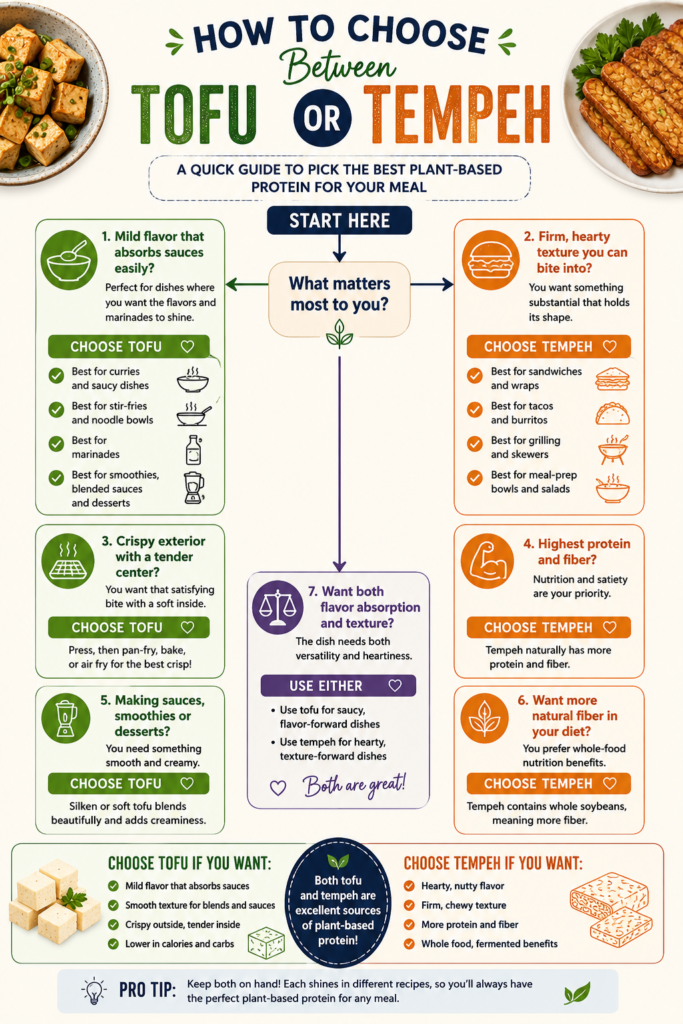
Choose tofu when you want a mild, versatile protein that absorbs flavor easily. Choose tempeh when you want a firmer texture, a nuttier flavor, and a more substantial bite.
Stir-Fries
Both tofu and tempeh work well in stir-fries, but they bring slightly different textures to the pan. Tofu is a great choice when you want pieces that are tender inside with lightly crisp edges.
Firm or extra-firm tofu can be cubed and pan-fried first, then tossed with vegetables and sauce at the end. It absorbs the stir-fry sauce easily, so each bite carries plenty of flavor.
Tempeh creates a heartier stir-fry. Because it is dense and chewy, it holds its shape even after cooking with sauces and vegetables.
Thin slices or small cubes of tempeh work best here, especially if they are lightly browned before adding them to the dish.
Sandwiches and Wraps
For sandwiches and wraps, tempeh often stands out because of its firm bite.
Sliced tempeh can be pan-fried or grilled until golden, which gives it a sturdy texture that works well between bread or inside a wrap. It stays intact and adds a satisfying chew.
Tofu can also work well in sandwiches, especially when baked or pan-fried until crispy.
Thin slabs of tofu layered with sauces, crunchy vegetables, and spreads create a balanced bite that is flavorful without feeling heavy.
Salads
When adding protein to salads, texture matters. Crispy tofu cubes are a popular option because they add light crunch while soaking up dressings and sauces.
Baked or air-fried tofu works especially well here since it stays firm but tender. Tempeh adds a more substantial element to salads.
Thin slices or small cubes of pan-fried tempeh bring a nutty flavor and chewy texture that pair nicely with fresh vegetables, grains, and bold dressings.
Bowls
Grain bowls and rice bowls are perfect for both tofu and tempeh. Tofu fits nicely when you want a soft, sauce-coated protein that blends smoothly with vegetables, grains, and sauces.
Cubed tofu that has been baked, fried, or air-fried adds balance without overpowering the other ingredients. Tempeh works well when you want something a bit heartier.
Its firm texture holds up against warm grains, roasted vegetables, and thick sauces, making the bowl feel more filling and textured.
Meat Substitutes
When a recipe calls for a meat-like texture, tempeh often does the job best.
Its dense, chewy structure gives it a bite that works well in dishes like tacos, stir-fries, sandwiches, or savory sauces.
Crumbled tempeh can easily replace ground meat in many recipes because it browns nicely and holds seasoning well.
Tofu can also act as a meat substitute, especially when pressed and cooked until crispy.
Cubed or sliced tofu works well in dishes where you want protein that carries the flavor of the sauce rather than dominating the dish.
Nutrition Comparison
Approximate Nutrition Per 100g
| Nutrient | Firm Tofu | Tempeh |
|---|---|---|
| Calories | 144 | 193 |
| Protein | 17g | 20g |
| Fat | 9g | 11g |
| Carbohydrates | 3g | 9g |
| Fiber | 2g | 6g |
| Calcium | 350mg | 111mg |
Values vary by brand and preparation method.
Protein Content
Both tofu and tempeh are excellent sources of plant-based protein.
Tempeh generally contains slightly more protein per serving because it is made from whole fermented soybeans.
This makes it a popular choice for people looking for a heartier protein source in meals like sandwiches, grain bowls, tacos, and stir-fries.
Fiber
One of the biggest nutritional differences between tofu and tempeh is fiber content.
Because tempeh is made from whole soybeans, it contains significantly more fiber.
Tofu is made from soy milk, which removes much of the fiber during processing.
Fermentation Benefits
Tempeh is a fermented food, which gives it its characteristic nutty flavor and dense texture.
The fermentation process also contributes to its unique nutritional profile and is one reason many people choose tempeh as part of a balanced diet.
Calories and Macronutrients
Tofu is slightly lower in calories and carbohydrates, while tempeh contains more protein and fiber.
For most home cooks, the choice between the two comes down less to nutrition and more to texture, flavor, and how they plan to use the ingredient in a recipe.
Bottom Line: Tempeh generally contains more protein and fiber, while tofu is slightly lower in calories and has a milder flavor that readily absorbs marinades and sauces.
Common Mistakes When Cooking Tofu and Tempeh
Even high-quality tofu and tempeh can turn out disappointing if a few common cooking mistakes are overlooked.
Avoiding these issues can dramatically improve texture, flavor, and overall results.
Mistake #1: Not Pressing Firm Tofu
Firm and extra-firm tofu contain a significant amount of water. If you skip pressing, the tofu may steam instead of crisping and won’t absorb marinades as effectively.
Fix: Press firm or extra-firm tofu for 15 to 30 minutes before cooking to remove excess moisture and improve browning.
Mistake #2: Overcrowding the Pan
Placing too much tofu or tempeh in the pan at once lowers the temperature and traps steam.
Instead of developing a golden crust, the pieces can become soft and soggy.
Fix: Cook in a single layer with space between the pieces, working in batches if necessary.
Mistake #3: Skipping Tempeh Steaming
Tempeh has a naturally earthy flavor that some people find slightly bitter.
Cooking it straight from the package can result in a stronger flavor and less effective marinade absorption.
Fix: Steam tempeh for about 10 minutes before marinating or cooking to soften its flavor and improve texture.
Mistake #4: Adding Sauce Too Early
Many cooks add sauce before tofu or tempeh has had time to brown. This prevents proper caramelization and can leave the exterior soft.
Fix: Let the tofu or tempeh develop a golden crust first, then add sauces or glazes during the final few minutes of cooking.
Mistake #5: Using Low Heat
Low heat often prevents proper browning and can leave tofu pale or tempeh less flavorful.
Fix: Use medium-high heat when pan-frying, baking, air frying, or grilling to encourage crisp edges and better texture.
Tips for Cooking Tofu and Tempeh Successfully
Press Tofu for Better Texture
Pressing tofu is one of the simplest steps that can improve your results. Firm and extra-firm tofu holds a lot of water, which can prevent the surface from browning properly.
By pressing the tofu, you remove that excess moisture and create a better texture for cooking.
Wrap the block in a clean kitchen towel or paper towels and place something heavy on top, like a pan or a small cutting board with a can on it. Let it sit for about 15 to 30 minutes.
Once pressed, the tofu becomes firmer and more ready to absorb marinades and seasonings. It also crisps much more easily when pan-fried, baked, or air-fried.
Use Cornstarch for Crispy Tofu
If you want tofu with a crispy outer layer, a light coating of cornstarch works very well.
After pressing and cutting the tofu into cubes or pieces, toss it gently with a small amount of cornstarch until the surfaces are lightly coated.
The cornstarch forms a thin layer that helps the tofu crisp up when it cooks. When the tofu hits a hot pan, oven, or air fryer, that coating turns golden and slightly crunchy.
The inside stays tender while the outside develops a crisp bite that holds sauces beautifully.
Steam Tempeh to Soften Flavor
Tempeh has a naturally nutty flavor, but it can sometimes taste slightly bitter if cooked straight from the package. A quick steaming step can make a noticeable difference.
Place sliced tempeh in a steamer basket or in a pan with a small amount of simmering water and steam it for about 10 minutes. This softens the texture and mellows the flavor.
After steaming, the tempeh becomes more receptive to marinades and sauces. It also cooks more evenly when pan-fried, baked, or grilled.
Use Bold Marinades and Sauces
Both tofu and tempeh benefit from strong, flavorful marinades. Since tofu has a mild taste, it acts like a sponge and easily absorbs the seasoning around it.
Tempeh has more flavor of its own, but bold marinades help balance its earthy taste.
Simple combinations like soy sauce, garlic, ginger, vinegar, maple syrup, chili paste, or citrus juice can build layers of flavor quickly.
Let the tofu or tempeh sit in the marinade for at least 15 to 30 minutes when possible.
This short resting time allows the flavors to settle into the surface so the final dish tastes richer and more satisfying.
What Works Best in Practice
If you’re deciding between tofu and tempeh, a few cooking approaches consistently produce the best results:
- Use extra-firm tofu when crispiness is the goal. It contains less moisture and browns more easily than softer varieties.
- Air frying is one of the easiest ways to make crispy tofu. It creates a crunchy exterior with very little oil.
- Steam tempeh before marinating. This simple step can soften its flavor and help it absorb seasonings more effectively.
- Choose tempeh for sandwiches and wraps. Its firm texture helps it stay intact and provides a hearty bite.
- Choose tofu for curries, stir-fries, and saucy dishes. Its mild flavor and sponge-like texture allow it to absorb sauces exceptionally well.
Quick Takeaway
For maximum crispiness and flavor absorption, tofu is usually the better choice. For a firmer texture and a more substantial bite, tempeh often performs better.
Tofu vs Tempeh: Which Is Better?
Depends on Texture Preference
The better choice often comes down to the texture you enjoy most in your meals. Tofu offers a wide range of textures, from very soft and silky to firm and crisp on the outside.
This makes it extremely flexible in the kitchen. It can be creamy when blended, tender in soups, or crispy when pan-fried or baked.
Tempeh is much firmer and chewier by nature because it is made from whole soybeans.
When cooked, it keeps its shape and provides a hearty bite that stands up well in sandwiches, bowls, and grilled dishes.
If you prefer something softer that easily adapts to different recipes, tofu is often the better choice.
If you enjoy a denser texture that feels more substantial, tempeh may be the one you reach for more often.
Depends on Flavor Preference
Flavor is another important factor when choosing between tofu and tempeh. Tofu has a very mild taste, which makes it ideal for absorbing the flavors of sauces, marinades, and spices.
In many dishes, tofu takes on the character of whatever you cook it with. Tempeh has a stronger natural flavor that is slightly nutty and earthy.
This gives it more presence in a dish even before seasoning is added. Some cooks enjoy this depth because it adds character to simple recipes.
Others prefer tofu’s neutral base because it allows the seasoning to lead the flavor of the meal.
Both Can Fit Into Plant-Based Meals
In practice, most kitchens benefit from using both tofu and tempeh. Each ingredient brings something different to the table.
Tofu is versatile, easy to season, and works in a wide range of cooking styles. Tempeh adds texture and a deeper flavor that can make meals feel more hearty and satisfying.
Instead of thinking of one as better than the other, it helps to see them as two useful ingredients with different strengths.
Final Thoughts
If you’re looking for maximum versatility and flavor absorption, tofu is usually the better choice.
Its mild taste and ability to soak up marinades make it ideal for everything from stir-fries and curries to bowls and salads.
If you want a firmer texture, more protein and fiber, and a naturally savory flavor, tempeh often comes out ahead.
Its hearty bite makes it especially well-suited for sandwiches, tacos, grain bowls, and other dishes where texture matters.
Rather than choosing one over the other, many home cooks find that keeping both on hand provides the most flexibility.
Tofu excels in saucy, flavor-forward dishes, while tempeh shines when you want a more substantial, meat-like texture.
The best choice ultimately depends on the recipe you’re making and the eating experience you’re looking for.
How to Store Cooked Tofu and Tempeh
Whether you’re meal prepping for the week or saving leftovers, proper storage helps maintain the best texture and flavor.
Storing Cooked Tofu
- Store cooked tofu in an airtight container in the refrigerator.
- For best quality, use within 3 to 4 days.
- Reheat in a skillet, oven, or air fryer to restore some of its crispness.
- Microwaving works too, but the texture may become softer.
Storing Cooked Tempeh
- Store cooked tempeh in an airtight container in the refrigerator.
- For best quality, use within 4 to 5 days.
- Reheat in a skillet, oven, or air fryer until warmed through.
- Tempeh generally maintains its texture better than tofu after reheating.
Can You Freeze Them?
Both tofu and tempeh can be frozen for longer storage.
- Tofu: Freezing changes the texture, making it firmer and chewier once thawed. Many people intentionally freeze tofu to create a meatier texture.
- Tempeh: Freezes well with minimal texture changes and can be thawed before reheating or cooking.
Meal Prep Tip
Cook a large batch of tofu or tempeh at the beginning of the week and store it in portion-sized containers.
Having ready-to-use protein on hand makes it easy to build quick grain bowls, salads, wraps, sandwiches, stir-fries, and noodle dishes throughout the week.
FAQs
Is tempeh healthier than tofu?
Both are nutritious soy-based foods. Tempeh contains more fiber because it is made from whole soybeans, while tofu is usually softer and slightly lower in calories.
Does tempeh taste better than tofu?
It depends on personal preference. Tempeh has a nutty, earthy flavor, while tofu is mild and takes on the flavor of sauces and seasonings.
Can tofu replace tempeh in recipes?
Yes, in many recipes, tofu can replace tempeh. Keep in mind that tofu is softer and milder, so the texture and flavor of the dish may change slightly.
Why does tempeh taste bitter sometimes?
Tempeh can taste slightly bitter because of the fermentation process. Steaming it for about 10 minutes before cooking can help reduce the bitterness.
Do you have to press tofu before cooking?
Pressing tofu is recommended for firm and extra-firm varieties. It removes excess moisture, helping the tofu crisp better and absorb marinades more easily.

Hi, I’m Daisy Roots, the home cook and recipe developer behind this kitchen. I create simple, tested vegan recipes using everyday ingredients. Every dish is developed and cooked in my own kitchen, with clear steps to help you get reliable results every time. Thanks for stopping by — let’s cook something great!