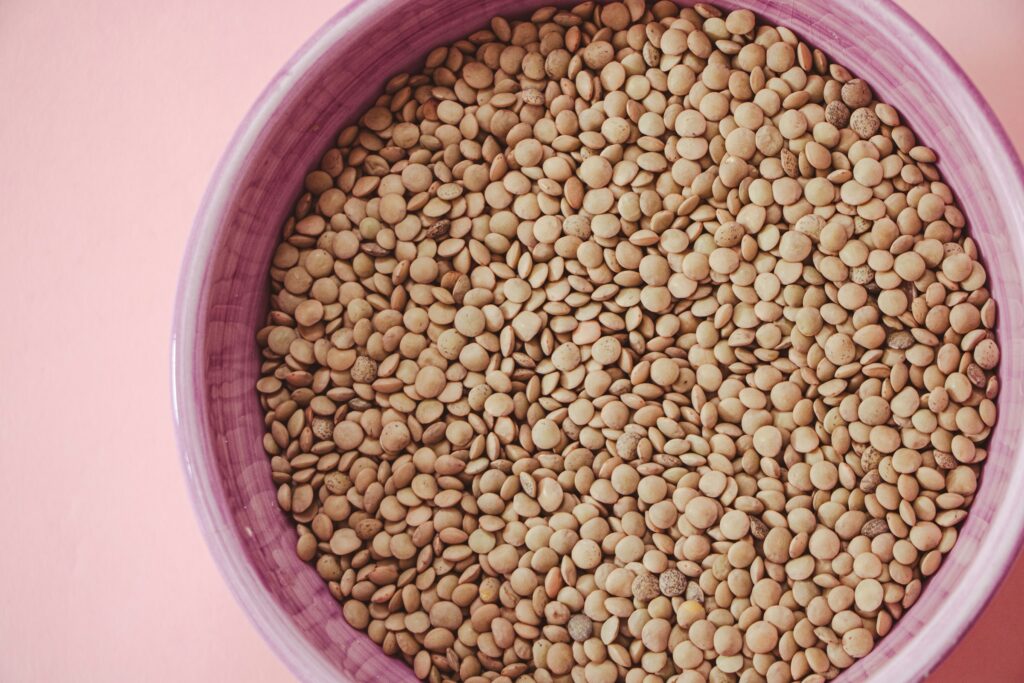
Lentils are one of the most reliable ingredients you can keep in your pantry.
They’re affordable, easy to cook, and work in everything from soups and stews to salads and simple weeknight meals.
The key to great lentils is cooking them the right way. Different types cook a little differently, and small details can make a big difference in texture and flavor.
In this guide, you’ll learn exactly how to cook lentils step by step. By the end, you’ll know how to get tender, flavorful lentils every time.
What Are Lentils?
Lentils are small, lens-shaped legumes that cook quickly and absorb flavor beautifully, which makes them a favorite in kitchens around the world.
Unlike many dried beans, lentils don’t need long soaking, so they’re perfect when you want a hearty meal without a lot of waiting.
They have a mild, earthy taste that works well with spices, herbs, broths, and sauces, which is why they show up in so many different dishes.
Lentils are also naturally rich in plant-based protein, fiber, and important minerals like iron and magnesium, making them a filling and satisfying ingredient in everyday cooking.
Because they’re affordable, easy to store, and incredibly versatile, lentils are used in many global cuisines—from comforting Indian dals and Middle Eastern soups to Mediterranean salads and simple home-style stews.
Once you learn how to cook them properly, lentils become one of those reliable ingredients you can turn into countless flavorful meals.
Types of Lentils
A. Brown Lentils
Brown lentils are the most common type you’ll find in grocery stores, and they’re a great place to start if you’re new to cooking lentils.
They have a mild, earthy flavor that works well with many seasonings, from simple garlic and herbs to warm spices.
When cooked properly, brown lentils become tender but still hold their shape, which makes them perfect for soups, stews, grain bowls, and simple side dishes.
They usually cook in about 20–30 minutes, giving you soft lentils that stay slightly firm instead of turning mushy.
Because they’re so reliable and versatile, brown lentils are often the everyday choice for home cooks.
B. Green Lentils
Green lentils are similar to brown lentils but slightly firmer and a bit more flavorful. They have a gentle peppery taste that adds depth to simple dishes without overpowering other ingredients.
These lentils hold their shape very well during cooking, which is why they are especially good for salads, warm grain bowls, and dishes where you want the lentils to stay whole.
When cooked, they remain firm and slightly chewy, giving your dish more texture.
Green lentils usually take around 25–35 minutes to cook, so they need a little patience, but the result is worth it when you want lentils that stay nicely intact.
C. Red and Yellow Lentils
Red and yellow lentils cook much faster than other types and have a softer texture once they’re done.
As they simmer, they begin to break down and turn creamy, which naturally thickens whatever dish you’re making. This makes them perfect for soups, curries, and comforting dishes like dal.
Their flavor is mild and slightly sweet, so they easily absorb spices, garlic, ginger, and broth.
Because they soften quickly, they usually cook in about 10–20 minutes, which makes them ideal when you want a quick meal.
If you’re aiming for a smooth, hearty texture rather than whole lentils, red or yellow lentils are the best choice.
D. Black Lentils (Beluga Lentils)
Black lentils, often called beluga lentils, are small, shiny, and deeply flavorful. Their name comes from their resemblance to beluga caviar.
When cooked, they stay firm and hold their shape beautifully, which makes them excellent for salads, side dishes, and grain bowls where presentation matters.
They have a rich, earthy flavor that tastes slightly deeper than brown or green lentils, adding a more robust taste to simple recipes.
Black lentils usually cook in about 20–25 minutes and maintain a pleasantly firm texture that works well in dishes where you want clear, distinct lentils instead of a softer mixture.
Do You Need to Soak Lentils?
The good news is that lentils usually do not need to be soaked before cooking, which is one reason they are so convenient for everyday meals.
Unlike many dried beans, lentils are smaller and cook much faster, so you can rinse them and move straight to the pot.
In most cases, soaking doesn’t change the final result very much, especially for common varieties like brown, green, or red lentils.
However, a short soak can still be helpful in a few situations.
If your lentils are older and have been sitting in the pantry for a long time, soaking them for 1–2 hours can help them cook a little faster and more evenly.
Some cooks also like to soak lentils briefly to make them slightly easier to digest, though it isn’t required.
The key difference between lentils and dried beans is cooking time and structure. Beans are larger, have thicker skins, and usually need several hours of soaking to soften before cooking.
Lentils are much smaller and have thinner skins, so they soften quickly while simmering. In most cases, a quick rinse to remove dust or debris is all the preparation they need before you start cooking.
How to Prepare Lentils Before Cooking
A. Rinse the Lentils
Start by placing your lentils in a fine-mesh strainer and rinsing them under cool running water.
This quick step removes dust, small particles, and any residue that may have built up during packaging and storage.
As you rinse, gently move the lentils around with your fingers so the water flows through them evenly. It only takes a few seconds, but it helps ensure cleaner, better-tasting lentils once they cook.
Clean lentils also simmer more evenly in the pot, which helps you get a better texture in the final dish.
B. Sort Through the Lentils
After rinsing, take a moment to quickly look through the lentils. Spread them across your hand, a plate, or the strainer, and check for anything that doesn’t belong.
Because lentils are harvested and packaged in large batches, small bits of debris or tiny stones can occasionally slip in.
This step takes less than a minute but makes a big difference when it comes to cooking safely and smoothly.
Simply remove anything that looks hard, discolored, or out of place, and your lentils will be ready for the pot.
C. Optional Soaking
Soaking lentils isn’t usually necessary, but it can still be helpful in certain situations.
If your lentils are older or you want them to cook slightly faster, soaking them for about 1–2 hours in a bowl of water can help soften them before cooking.
To do this, place the rinsed lentils in a bowl and cover them with plenty of water, since they will absorb some as they sit.
After soaking, drain and rinse them once more before adding them to your pot.
Most of the time, though, you can skip this step and cook lentils right away, which is part of what makes them such a simple and convenient ingredient to use.
Basic Lentil-to-Water Ratio
Getting the water ratio right is one of the simplest ways to cook lentils perfectly. Lentils need enough liquid to soften while they simmer, but not so much that they become watery or lose their texture.
In most everyday cooking, a 2:1 water-to-lentil ratio works well. This means using about 2 cups of water for every 1 cup of dried lentils.
The exact amount can vary slightly depending on the type of lentil and the texture you want.
If you prefer firmer lentils for salads or grain bowls, use slightly less water and keep an eye on the pot while they cook.
If you want softer, creamier lentils for soups, stews, or curries, add a little more water and allow them to simmer a bit longer.
Lentils absorb water as they cook, so maintaining a gentle simmer helps them soften evenly without breaking apart too quickly.
Here are some simple ratios to guide you:
| Lentil Type | Lentils | Water | Texture Result |
|---|---|---|---|
| Brown or Green Lentils | 1 cup | 2½–3 cups water | Tender but still hold their shape |
| Red or Yellow Lentils | 1 cup | 2–2½ cups water | Softer and creamier texture |
| Black Lentils (Beluga) | 1 cup | 2½–3 cups water | Firm and well-defined lentils |
As the lentils cook, check them occasionally and add a splash of water if the pot starts to look dry.
This small adjustment keeps the lentils simmering smoothly and helps you reach the exact texture you want.
How to Cook Lentils on the Stove (Step-by-Step)
1. Rinse and Sort Lentils
Start by placing the lentils in a fine-mesh strainer and rinsing them under cool running water. Move them around gently with your fingers so any dust or small particles wash away.
After rinsing, quickly look through the lentils to remove anything that doesn’t belong, such as small stones or bits of debris.
This step takes less than a minute but helps ensure your lentils cook cleanly and evenly.
2. Add Lentils and Water to a Pot
Transfer the rinsed lentils to a medium saucepan. Add the correct amount of water based on the type of lentils you’re cooking, usually about 2 to 3 cups of water for every 1 cup of lentils.
Make sure the lentils are fully covered with liquid so they can soften properly as they cook.
If you want extra flavor, this is also a good time to add simple aromatics like a bay leaf, garlic clove, or a small piece of onion.
3. Bring to a Boil
Place the pot on the stove over medium-high heat and bring the water to a boil. This step starts the cooking process and helps the lentils begin to soften.
Once you see steady bubbles across the surface, you’re ready to move to the next step.
There’s no need to stir constantly, but keeping an eye on the pot helps prevent it from boiling over.
4. Reduce to a Gentle Simmer
As soon as the water reaches a boil, lower the heat so the lentils cook at a gentle simmer. You should see small, steady bubbles rather than a strong rolling boil.
A slow simmer allows the lentils to cook evenly and keeps their texture intact. Cooking too aggressively can cause some lentils to break apart while others remain firm.
5. Cook Until Tender
Let the lentils simmer uncovered and check them occasionally as they cook. Different varieties take different amounts of time, but most lentils are ready within 15 to 30 minutes.
Taste a few lentils to check the texture. They should be tender but not mushy unless you are making a creamy dish like dal.
If the water level gets too low before the lentils finish cooking, simply add a small splash of hot water and continue simmering.
6. Season After Cooking
Once the lentils are tender, drain any excess liquid if needed. Now is the best time to add salt and other seasonings.
Adding salt too early can sometimes slow down the softening process, so waiting until the end helps ensure the lentils cook properly. Taste and adjust with salt, pepper, herbs, or a squeeze of lemon.
At this stage, your lentils are ready to serve or to use as the base for soups, stews, salads, and many other dishes.
Cooking Time for Different Lentils
Brown Lentils
Brown lentils are one of the most forgiving varieties to cook. They soften nicely while still keeping their shape, which makes them great for soups, stews, and simple side dishes.
Once they reach a gentle simmer, brown lentils usually take 20–30 minutes to become tender. Start checking them around the 20-minute mark.
They should feel soft when bitten but still hold together rather than falling apart.
Green Lentils
Green lentils are slightly firmer and take a little longer to cook.
Their texture stays pleasantly firm even after simmering, which is why they work well in salads, grain bowls, and dishes where you want the lentils to stay whole.
Expect green lentils to cook in about 25–35 minutes. Give them a taste as they cook so you can stop the heat once they reach the texture you prefer.
Red Lentils
Red lentils cook much faster than other types and break down as they simmer. Instead of holding their shape, they soften and turn creamy, which naturally thickens soups, curries, and dals.
Because they are smaller and have their outer skins removed, they usually cook in 10–20 minutes.
Stir them occasionally as they simmer, since they tend to soften quickly toward the end of cooking.
Black Lentils
Black lentils, often called beluga lentils, stay firm and glossy even after cooking. They hold their shape very well, which makes them excellent for salads and hearty side dishes.
Their cooking time is similar to brown lentils, usually around 20–25 minutes at a gentle simmer. When done, they should be tender but still slightly firm, with each lentil remaining separate.
Simple Lentil Cooking Time Guide
| Lentil Type | Cooking Time | Texture |
|---|---|---|
| Brown Lentils | 20–30 minutes | Tender, holds shape |
| Green Lentils | 25–35 minutes | Firm, slightly chewy |
| Red Lentils | 10–20 minutes | Soft and creamy |
| Black Lentils | 20–25 minutes | Tender and firm |
Cooking times can vary slightly depending on the age of the lentils and the heat of your simmer.
The best approach is simple: taste a few as they cook and stop when they reach the texture you like.
Tips for Perfect Lentils Every Time
Do Not Overcook
Lentils cook fairly quickly, and leaving them on the stove too long can turn them soft and mushy. A gentle simmer is all they need.
Start tasting them a few minutes before the expected cooking time so you can stop the heat once they reach the right texture.
For salads or grain bowls, aim for lentils that are tender but still hold their shape. If you’re making soups or stews, slightly softer lentils work well because they blend into the dish.
Add Salt at the Right Time
Salt helps bring out the natural flavor of lentils, but timing matters. Adding a large amount of salt at the beginning can sometimes slow down how quickly lentils soften.
A simple approach is to cook the lentils in plain water or lightly flavored liquid first, then add salt once they are nearly tender or fully cooked.
This keeps the cooking process smooth while still giving you full control over seasoning.
Use Broth for Extra Flavor
Cooking lentils in vegetable broth instead of plain water instantly adds more depth and richness. The lentils absorb the liquid as they simmer, so every bite carries more flavor.
If you have homemade broth, that works beautifully, but store-bought broth is also perfectly fine. Even a half-and-half mix of water and broth can make a noticeable difference.
Add Aromatics (Garlic, Onion, Bay Leaf)
A simple way to build flavor is to add a few aromatics to the pot while the lentils cook. A crushed garlic clove, a chunk of onion, or a bay leaf can gently flavor the lentils as they simmer.
These ingredients don’t need much preparation and can be removed easily before serving if you prefer. Small additions like this create a deeper, more balanced taste without extra effort.
Check Texture While Cooking
The best way to cook lentils perfectly is to taste them as they simmer. Cooking times are helpful guides, but the exact timing can change depending on the type of lentil and how fresh they are.
Stir occasionally and taste a few lentils once they begin to soften. This quick check lets you stop cooking at the exact moment they reach the texture you want.
Common Mistakes to Avoid
Adding Too Little Water
Lentils need enough liquid to soften properly as they cook. If there isn’t enough water in the pot, they may cook unevenly or stick to the bottom.
Always start with the recommended water ratio and keep an eye on the pot while the lentils simmer.
If the liquid drops too low before the lentils are tender, simply add a small splash of hot water and continue cooking.
Keeping enough liquid in the pot helps the lentils soften evenly and prevents scorching.
Cooking at a Rolling Boil
A strong boil might seem like it will cook lentils faster, but it actually works against you. Rapid boiling can cause the lentils to break apart while the outside softens too quickly.
Instead, bring the pot to a boil first, then immediately lower the heat to maintain a gentle simmer. Small, steady bubbles are exactly what you want.
This slower cooking method keeps the lentils tender while helping them maintain their shape.
Overcooking Red Lentils
Red lentils cook much faster than most other varieties. Because they soften quickly, they can easily turn into a thick mash if left on the stove too long.
This texture works well for dishes like soups, curries, and dals, but it may not be ideal if you want distinct lentils.
Start checking red lentils around the 10-minute mark and stir occasionally so they cook evenly. Removing them from the heat at the right moment keeps the texture balanced.
Skipping the Rinse
It can be tempting to pour lentils straight into the pot, but skipping the rinse often leads to less clean cooking. Lentils may carry dust or small particles from processing and packaging.
A quick rinse under running water removes this residue and helps the lentils cook more cleanly. It only takes a few seconds and makes a noticeable difference in the final dish.
Ways to Use Cooked Lentils
Soups and Stews
Cooked lentils are perfect for adding body and depth to soups and stews. Their earthy flavor blends well with vegetables, herbs, and warm spices, creating a hearty base for comforting meals.
Simply stir cooked lentils into vegetable soup, tomato-based stews, or broth-heavy dishes to make them more filling.
Brown and green lentils work especially well here because they hold their shape while simmering with other ingredients.
Salads
Lentils also make excellent salad ingredients. Once cooked and slightly cooled, they add a satisfying bite and rich flavor to fresh vegetables and simple dressings.
Green and black lentils are ideal for salads because they stay firm and don’t fall apart easily.
Toss them with chopped cucumbers, tomatoes, herbs, and a light vinaigrette for a quick and flavorful dish.
Lentil Curry or Dal
Red lentils shine in warm, comforting dishes like curry and dal. As they cook, they soften and break down into a smooth, creamy texture that naturally thickens the dish.
Simmer them with garlic, onion, ginger, and spices to create a rich base full of flavor.
These dishes are simple to prepare and incredibly satisfying, making them a staple in many home kitchens.
Lentil Bowls
Cooked lentils are a great foundation for easy meal bowls. Start with a scoop of lentils, then layer in roasted vegetables, grains, leafy greens, and your favorite sauce or dressing.
The lentils bring warmth, texture, and savory flavor that ties everything together. Brown, green, or black lentils all work well for this style of meal.
Plant-Based Protein for Meals
Lentils are one of the easiest ways to add hearty plant-based protein to everyday dishes.
Stir them into pasta sauces, mix them into rice dishes, or use them as a filling for wraps and stuffed vegetables.
They absorb flavor well, which makes them a flexible ingredient in many recipes.
Keeping cooked lentils in the fridge gives you a quick way to build simple, satisfying meals throughout the week.
How to Store Cooked Lentils
Cooked lentils store very well, which makes them perfect for meal prep or quick meals later in the week.
To refrigerate them, first allow the lentils to cool to room temperature, then transfer them to an airtight container and place them in the refrigerator.
Properly stored, cooked lentils will stay fresh for about 3 to 5 days.
If the lentils seem dry when you’re ready to use them, simply warm them in a small saucepan with a splash of water or broth to bring back their soft texture.
For longer storage, freezing works very well. Let the cooked lentils cool completely, then portion them into freezer-safe containers or resealable freezer bags so you can thaw only what you need.
Flattening the bags slightly helps them freeze and thaw more evenly. Frozen lentils can keep their quality for about 2 to 3 months.
When you’re ready to use them, thaw the lentils overnight in the refrigerator or warm them directly in a saucepan over low heat with a little water or broth.
As they heat, stir occasionally until they are fully warmed through and tender again.
Final Thoughts
Cooking lentils is simple, quick, and easy to master once you know the basics.
With the right water ratio, gentle simmer, and a quick texture check, you can get tender, flavorful lentils every time.
Try different types of lentils and see which ones you enjoy most.
They fit easily into soups, salads, bowls, and many everyday meals, making them a reliable ingredient to keep in your kitchen.
FAQs
Can you overcook lentils?
Yes. Lentils can become mushy if cooked too long, especially red lentils. Check them as they simmer and remove them from the heat once they are tender.
Do lentils need to be soaked before cooking?
No. Most lentils cook well without soaking. A simple rinse before cooking is usually all they need.
Why are my lentils still hard after cooking?
This can happen if the lentils are old or if there wasn’t enough cooking time or liquid. Continue simmering with a little more water until they soften.
How much does 1 cup of dried lentils make?
One cup of dried lentils typically makes about 2 to 2½ cups of cooked lentils, depending on the type.
Can I cook lentils in a rice cooker or Instant Pot?
Yes. Lentils cook well in both. A rice cooker works similarly to stovetop cooking, while an Instant Pot cooks them faster using pressure.

Daisy Roots is the home cook and recipe developer behind this kitchen. She creates simple, tested vegan recipes using everyday ingredients. Every dish is developed and cooked in her own kitchen, with clear steps to help you get reliable results every time. Thanks for stopping by — let’s cook something great!