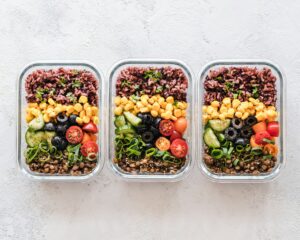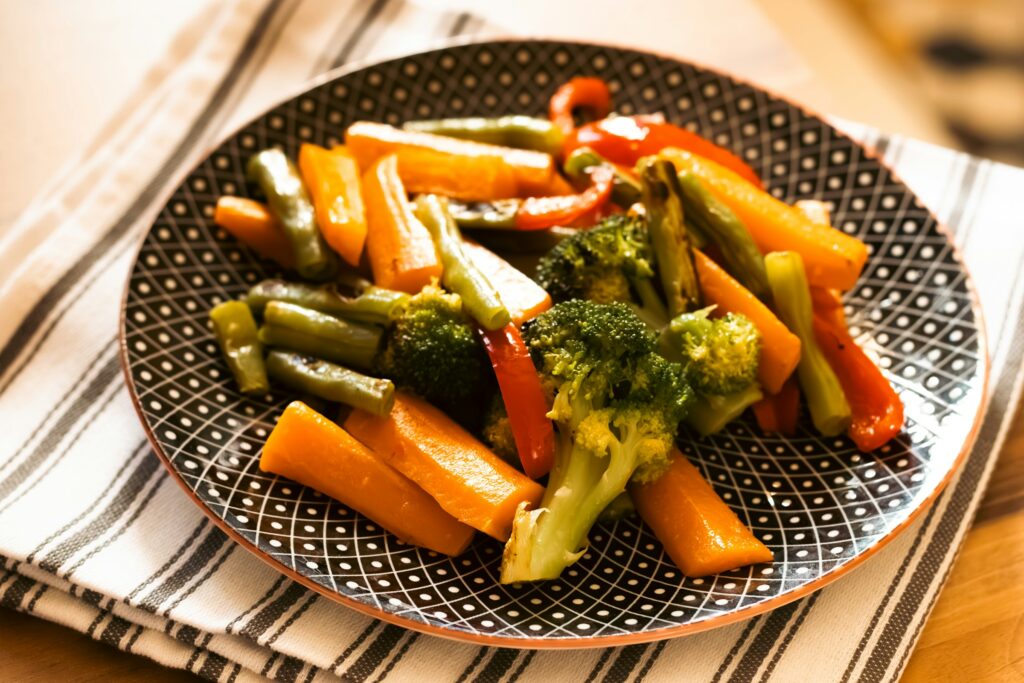
Switching to a vegan diet is about more than simply leaving out animal products.
The real secret is learning how to build meals that are satisfying, colorful, and made with ingredients that work well together.
When you have the right balance on your plate, every meal feels more complete and enjoyable.
Many beginners make the same mistakes, like relying on pasta, bread, or salads alone, or forgetting to include enough protein and healthy fats.
The good news is that building balanced vegan meals is much easier than it seems, and you don’t need complicated recipes or expensive ingredients to do it.
In this guide, you’ll learn a simple step-by-step method for putting together delicious vegan meals using everyday foods.
You’ll also discover the best plant-based proteins, whole grains, healthy fats, and vegetables to keep on hand, along with practical tips to help you cook with confidence from your very first meal.
What Is a Balanced Vegan Meal?
The Four Essential Components
Plant Protein
Plant protein is the foundation of a balanced vegan meal because it helps make your meals more filling and satisfying.
Great choices include tofu, tempeh, lentils, chickpeas, black beans, edamame, split peas, and seitan.
Each option has its own texture and flavor, so mixing them into your weekly meals keeps things interesting.
For example, crispy baked tofu works well in grain bowls, while lentils are perfect for soups, curries, and pasta sauces.
If you’re just getting started, aim to include a source of plant protein every time you eat a main meal.
It quickly becomes a habit and makes meal planning much easier.
Complex Carbohydrates
Complex carbohydrates provide steady energy and make meals feel complete.
Whole grains and starchy vegetables are excellent choices because they pair well with almost every plant protein.
Brown rice, quinoa, oats, sweet potatoes, barley, whole wheat pasta, and whole grain bread are all great staples to keep in your kitchen.
These foods have a hearty texture that makes meals more satisfying while giving you plenty of options for different cuisines.
Cooking a batch of grains at the beginning of the week also saves time when you’re preparing lunches and dinners.
Healthy Fats
Healthy fats add richness and help tie all the flavors on your plate together.
Simple additions like sliced avocado, chopped nuts, seeds, tahini, or a drizzle of olive oil can completely change the taste and texture of a meal.
A grain bowl, for example, becomes much creamier with avocado or a spoonful of tahini dressing.
Even a small handful of toasted walnuts or pumpkin seeds can add a satisfying crunch.
Think of healthy fats as the finishing touch that makes a good meal feel complete.
Fruits and Vegetables
Fruits and vegetables bring freshness, color, and variety to every meal.
Instead of eating the same vegetables every day, try rotating your choices throughout the week.
Leafy greens, broccoli, carrots, peppers, tomatoes, mushrooms, zucchini, cabbage, and cauliflower are all easy to mix and match.
Fresh fruit also makes a great side, snack, or dessert and adds natural sweetness to your day.
A colorful plate isn’t just more appealing to look at—it usually means you’re enjoying a wider variety of flavors and textures.
Why Balance Matters
Stable Energy
Meals built with protein, whole grains, healthy fats, and vegetables tend to keep you satisfied for longer.
Instead of feeling hungry again soon after eating, you’ll have a meal that sticks with you and keeps you going through your day.
Better Digestion
Whole plant foods naturally provide fiber, which helps keep your digestive system working smoothly.
Including a variety of vegetables, fruits, beans, and whole grains throughout the day is an easy way to build meals that feel both light and satisfying.
If you’re new to eating more fiber, increase it gradually and drink plenty of water to stay comfortable.
Muscle Maintenance
Protein plays an important role in supporting your muscles, whether you’re exercising regularly or simply staying active throughout the day.
Adding a reliable plant protein to each meal makes it easier to meet your daily needs without much extra planning.
Small, consistent choices often work better than trying to eat a large amount of protein all at once.
Long-Lasting Fullness
Meals made with only bread, pasta, or salad often leave you looking for another snack not long afterward.
Adding protein, healthy fats, and fiber-rich foods creates a more satisfying meal that helps you stay comfortably full.
Even simple changes, like adding chickpeas to a salad or peanut butter to oatmeal, can make a noticeable difference.
Improved Nutrient Intake
Every plant food brings something different to the table.
Beans provide protein, whole grains add fiber, nuts and seeds contribute healthy fats, and colorful fruits and vegetables offer a wide range of vitamins and minerals.
Rather than worrying about making every meal perfect, focus on eating a variety of foods throughout the week.
That simple habit makes it much easier to build balanced vegan meals you’ll enjoy again and again.
The Vegan Plate Method
Building balanced vegan meals doesn’t have to involve counting calories or following complicated rules.
One of the easiest ways to create satisfying meals is to use the vegan plate method.
Think of your plate as four simple sections.
Fill half with vegetables, one quarter with plant protein, one quarter with whole grains or starchy vegetables, and finish with a serving of healthy fats.
Fill Half Your Plate with Vegetables
Vegetables should take up the largest space on your plate because they add color, texture, and fresh flavor to every meal.
Instead of choosing only one vegetable, try combining two or three for a more interesting dish.
Mixing different colors also creates a meal that looks just as good as it tastes.
| Vegetable Type | Great Choices | Best Uses |
|---|---|---|
| Leafy greens | Spinach, kale, Swiss chard, romaine, arugula | Salads, smoothies, stir-fries, soups |
| Cruciferous vegetables | Broccoli, cauliflower, Brussels sprouts, cabbage | Roasting, steaming, curries, sheet-pan meals |
| Colorful vegetables | Bell peppers, carrots, tomatoes, zucchini, eggplant | Grain bowls, pasta, tacos, wraps |
| Seasonal produce | Fresh fruits and vegetables available during the season | Adds variety, better flavor, and often costs less |
A colorful plate is an easy way to make meals more exciting without adding extra work.
One Quarter Protein
Plant protein helps make meals hearty and satisfying.
Aim to include one good protein source in every main meal.
Each option has its own flavor and texture, so rotating them throughout the week keeps meals from becoming repetitive.
| Protein | Great For |
|---|---|
| Tofu | Stir-fries, curries, bowls, sandwiches |
| Tempeh | Salads, wraps, grain bowls, grilling |
| Lentils | Soups, curries, pasta sauces, shepherd’s pie |
| Chickpeas | Salads, roasted snacks, hummus, curries |
| Black beans | Burritos, tacos, chili, rice bowls |
| Edamame | Stir-fries, salads, noodle dishes, snacks |
| Seitan | Sandwiches, stir-fries, fajitas, grilling |
Don’t worry about eating the same protein every day.
Changing your protein source throughout the week adds new flavors and makes meal planning more enjoyable.
One Quarter Whole Grains or Starches
Whole grains and starchy vegetables provide the hearty base that brings a meal together.
They’re filling, versatile, and pair well with nearly every plant protein.
Cooking larger batches ahead of time makes weeknight meals much faster to prepare.
| Whole Grain or Starch | Delicious Ways to Use It |
|---|---|
| Brown rice | Grain bowls, stir-fries, curries |
| Quinoa | Salads, bowls, stuffed vegetables |
| Oats | Breakfast bowls, overnight oats, baking |
| Sweet potatoes | Roasted, baked, mashed, stuffed |
| Whole wheat pasta | Pasta dishes, pasta salads |
| Barley | Soups, grain salads, vegetable bowls |
| Farro | Warm salads, grain bowls, side dishes |
There’s no need to stick to one grain.
Rotating your choices keeps meals fresh and introduces different textures to your cooking.
Add Healthy Fats
Healthy fats are the finishing touch that brings everything together.
They add creaminess, crunch, and richness while making meals feel more satisfying.
Even a small amount can completely change the flavor of a dish.
| Healthy Fat | Easy Ways to Add It |
|---|---|
| Avocados | Sliced on bowls, toast, salads, tacos |
| Nuts | Sprinkle over oatmeal, salads, or grain bowls |
| Seeds | Add chia, flax, hemp, sunflower, or pumpkin seeds to meals |
| Nut butters | Stir into oatmeal, smoothies, or sauces |
| Olive oil | Drizzle over roasted vegetables and salads |
| Tahini | Blend into dressings, sauces, or grain bowls |
A simple tahini dressing, a handful of toasted nuts, or a few slices of avocado can turn an ordinary meal into one that’s packed with flavor and texture.
As you build your meals, remember this easy formula:
- ½ plate: Vegetables
- ¼ plate: Plant protein
- ¼ plate: Whole grains or starchy vegetables
- Finish with: A healthy fat
Once you use this method a few times, building balanced vegan meals becomes second nature, and you can mix and match ingredients with confidence.
Understanding Vegan Macronutrients
Macronutrients are the three main nutrients your body uses every day: protein, carbohydrates, and fats.
Instead of thinking of them as separate pieces, picture them working together to create meals that are filling, flavorful, and satisfying.
When each meal includes a good balance of all three, it’s much easier to enjoy a wide variety of foods without overthinking every bite.
Protein
Protein is an important part of every balanced vegan meal because it helps make your meals more satisfying and gives them structure.
The good news is that plant-based eaters have plenty of delicious protein options to choose from.
Daily Needs
Most adults can meet their protein needs by eating a variety of plant foods throughout the day.
A common guideline is about 0.8 grams of protein per kilogram (2.2 pounds) of body weight each day for healthy adults.
If you’re very active, strength training regularly, or have specific fitness goals, you may need a little more.
Rather than trying to fit all your protein into one meal, aim to include a good source with breakfast, lunch, and dinner.
Best Plant Protein Sources
Some plant foods naturally contain more protein than others.
Keeping a few of these staples in your kitchen makes balanced meals much easier to prepare.
- Tofu
- Tempeh
- Lentils
- Chickpeas
- Black beans
- Kidney beans
- Edamame
- Seitan
- Split peas
- Quinoa
- Soy milk
- Unsweetened plant-based yogurt made from soy
You don’t need to eat every food on this list.
Choose the ones you enjoy most and rotate them throughout the week for variety.
Combining Proteins: Myth vs. Fact
You may have heard that vegans need to combine certain proteins at every meal.
Thankfully, that’s an old idea that has been proven unnecessary.
As long as you eat a variety of protein-rich plant foods over the course of the day, your body gets the amino acids it needs.
For example, you don’t have to eat rice and beans together at the same meal.
If you enjoy oatmeal for breakfast, a lentil soup for lunch, and tofu stir-fry for dinner, you’re naturally eating a wide mix of plant proteins.
The goal isn’t perfection at every meal.
It’s variety over time.
Carbohydrates
Carbohydrates often get a bad reputation, but they’re an important part of balanced vegan cooking.
They provide the hearty base for many meals and pair beautifully with vegetables and plant proteins.
Choosing mostly whole-food carbohydrates also adds flavor, texture, and variety to your plate.
Simple vs. Complex Carbohydrates
Not all carbohydrates are the same.
Simple carbohydrates are found in foods like sugary drinks, candy, pastries, and other highly processed snacks.
They can be enjoyable once in a while, but they aren’t the best foundation for everyday meals.
Complex carbohydrates are found in whole foods that have more fiber and a heartier texture.
These foods digest more gradually and help create meals that feel complete.
Great choices include brown rice, quinoa, oats, barley, farro, sweet potatoes, corn, beans, and whole wheat pasta.
The Benefits of Fiber
Fiber is a natural part of many plant foods.
It adds texture to meals, supports comfortable digestion, and helps keep meals satisfying.
Beans, lentils, fruits, vegetables, nuts, seeds, and whole grains are all excellent sources.
If you’re new to eating more fiber, increase it little by little instead of making a huge change overnight.
Drinking enough water also helps your body adjust comfortably.
Best Whole-Food Carbohydrate Choices
Stocking a few versatile carbohydrate staples makes meal planning much easier.
Some of the best options include:
- Brown rice
- Quinoa
- Oats
- Sweet potatoes
- Potatoes
- Whole wheat pasta
- Barley
- Farro
- Corn
- Whole grain bread
Cooking one or two of these in advance gives you a head start on busy weeknights.
You can easily mix them with different vegetables, proteins, and sauces to create completely different meals.
Healthy Fats
Healthy fats do much more than add calories.
They bring richness, creaminess, and depth of flavor that make meals feel complete.
Without a source of healthy fat, even a colorful meal can sometimes feel like it’s missing something.
Why Fats Matter
Think about how much better roasted vegetables taste with a drizzle of olive oil or how creamy avocado makes a grain bowl.
Healthy fats improve texture and help carry the flavors of herbs, spices, and dressings throughout a dish.
Even small amounts can make homemade meals more satisfying and enjoyable.
Good Sources of Omega-3 Fats
Omega-3 fats are a type of healthy fat that deserves a place in a balanced vegan diet.
Some of the easiest plant-based sources include:
- Ground flaxseed
- Chia seeds
- Hemp seeds
- Walnuts
- Walnut oil
- Algae-based omega-3 supplements
Ground flaxseed and chia seeds are especially easy to use.
Stir them into oatmeal, smoothies, yogurt, or homemade baked goods for a simple boost.
Portion Recommendations
Healthy fats are rich and satisfying, so a little goes a long way.
A practical serving for most meals could be one of the following:
- ¼ to ½ avocado
- 1 tablespoon olive oil
- 1 to 2 tablespoons tahini
- 1 to 2 tablespoons nut butter
- A small handful of nuts
- 1 to 2 tablespoons seeds
There’s no need to measure every serving perfectly.
Use these amounts as a simple guide, adjust them to suit your meal, and focus on creating plates that taste delicious and leave you feeling satisfied.
Essential Micronutrients Vegans Should Prioritize
Macronutrients like protein, carbohydrates, and fats make up the foundation of a balanced meal, but micronutrients are just as important.
Micronutrients are vitamins and minerals that your body needs in smaller amounts to support everyday functions.
The good news is that many of them are easy to include in a well-planned vegan diet.
A few, however, deserve extra attention because they’re harder to get from plant foods alone.
Vitamin B12
Vitamin B12 plays an important role in supporting healthy nerves and helping your body make red blood cells.
Unlike many other nutrients, reliable natural plant sources of vitamin B12 are very limited.
Some fortified foods contain added vitamin B12, including certain plant milks, breakfast cereals, nutritional yeast, and meat alternatives.
Check the nutrition label if you’re relying on fortified foods, as the amount can vary from one product to another.
Most vegans are encouraged to take a vitamin B12 supplement because it’s one of the simplest and most dependable ways to meet daily needs.
If you’re unsure about the right amount, speak with your healthcare provider for personal guidance.
Iron
Iron helps your body carry oxygen where it’s needed and supports normal energy production.
Plant-based iron is found in many everyday foods, making it easier to include than many people expect.
Good sources include lentils, chickpeas, black beans, kidney beans, tofu, tempeh, spinach, pumpkin seeds, quinoa, and fortified breakfast cereals.
A simple kitchen trick can help your body absorb more iron from plant foods.
Pair iron-rich meals with foods high in vitamin C, such as bell peppers, oranges, strawberries, tomatoes, kiwi, or broccoli.
For example, squeeze fresh lemon juice over a lentil salad or add chopped bell peppers to a bean bowl.
Most people can meet their iron needs through a varied diet, but some individuals may benefit from supplements if recommended by a healthcare professional.
Calcium
Calcium helps keep bones and teeth strong and also supports normal muscle and nerve function.
Fortunately, dairy isn’t the only source of calcium.
Many fortified plant milks, fortified yogurts, calcium-set tofu, kale, bok choy, broccoli, almonds, sesame seeds, and tahini contain useful amounts.
Including calcium-rich foods throughout the day is often easier than trying to get it all in one meal.
If you regularly avoid fortified foods or have higher calcium needs, your healthcare provider may recommend a supplement.
Vitamin D
Vitamin D works together with calcium to support healthy bones.
Your body can produce vitamin D when your skin is exposed to sunlight, although this depends on factors like the season, where you live, your skin tone, and how much time you spend outdoors.
Food sources are more limited.
Some fortified plant milks, breakfast cereals, and plant-based margarines contain added vitamin D.
Because it can be difficult to get enough from food and sunlight alone, many people—including vegans and non-vegans—choose to take a vitamin D supplement, especially during the winter months or if they spend most of their time indoors.
Zinc
Zinc supports many important processes in the body and plays a role in normal growth and immune function.
Thankfully, many vegan pantry staples contain zinc.
Beans, lentils, chickpeas, tofu, tempeh, oats, quinoa, pumpkin seeds, hemp seeds, cashews, and whole grains are all good choices.
Eating a wide variety of these foods throughout the week is usually enough for most people.
Supplements are generally only needed if a healthcare provider identifies a deficiency or increased need.
Iodine
Iodine helps support normal thyroid function, which plays a key role in regulating the body’s metabolism.
Plant foods naturally vary in iodine content because it depends on the soil where they’re grown.
One of the easiest ways to get iodine is by using iodized table salt in everyday cooking.
Some sea vegetables, such as nori, also contain iodine, but the amount can vary widely depending on the type.
If you don’t use iodized salt or regularly eat iodine-rich foods, a supplement may be worth discussing with your healthcare provider.
Omega-3 Fatty Acids
Omega-3 fatty acids are healthy fats that support normal heart and brain function.
Plant-based sources include ground flaxseed, chia seeds, hemp seeds, walnuts, and walnut oil.
These foods are easy to add to everyday meals.
Sprinkle chia seeds over oatmeal, blend flaxseed into smoothies, or toss walnuts into a salad for extra crunch.
Some people also choose an algae-based omega-3 supplement because it provides the same DHA and EPA fats found in fish without using animal products.
This can be especially helpful if omega-3-rich foods aren’t a regular part of your diet.
Selenium
Selenium is a mineral that supports normal cell function and helps protect the body from everyday oxidative stress.
One of the richest vegan sources is the Brazil nut.
Just one or two Brazil nuts can provide a significant amount of selenium, so there’s usually no need to eat large quantities.
Other sources include whole grains, beans, lentils, sunflower seeds, and mushrooms, although the selenium content of these foods depends on the soil where they’re grown.
Most people eating a varied vegan diet can meet their needs through food.
If your diet is very limited or your healthcare provider identifies a deficiency, supplementation may be recommended.
Best Plant-Based Protein Foods
Adding a variety of protein-rich foods to your meals is one of the easiest ways to build a balanced vegan diet.
Each option has its own flavor, texture, and best uses, so rotating them throughout the week keeps meals interesting and gives you plenty of flexibility in the kitchen.
The protein values below are approximate and can vary slightly depending on the brand and how the food is prepared.
| Food | Protein (Approx.)* | Best Uses |
|---|---|---|
| Lentils | 18 g per cooked cup | Soups, curries, pasta sauces, stews, salads |
| Chickpeas | 15 g per cooked cup | Hummus, curries, salads, roasted snacks, wraps |
| Tofu | 10 g per 100 g | Stir-fries, grain bowls, sandwiches, scrambles, grilling |
| Tempeh | 20 g per 100 g | Stir-fries, sandwiches, tacos, salads, grilling |
| Edamame | 18 g per cooked cup | Snacks, salads, noodle dishes, rice bowls |
| Seitan | 25 g per 100 g | Stir-fries, sandwiches, fajitas, kebabs, grilling |
| Black Beans | 15 g per cooked cup | Burritos, chili, tacos, soups, grain bowls |
| Quinoa | 8 g per cooked cup | Grain bowls, salads, stuffed vegetables, side dishes |
There’s no need to rely on a single protein source every day.
Mixing foods like lentils, tofu, beans, and tempeh throughout the week adds variety to your meals and introduces different flavors and textures.
Keeping a few cooked proteins in the refrigerator also makes meal prep much easier.
A batch of lentils, roasted tofu, or cooked chickpeas can be added to salads, wraps, grain bowls, soups, or pasta dishes in just a few minutes, helping you create balanced meals even on busy days.
Best Complex Carbohydrates for Vegan Meals
Complex carbohydrates are the foundation of many balanced vegan meals.
They provide lasting energy, add satisfying texture, and pair well with almost every plant protein.
Unlike highly processed carbohydrates, whole-food options also contain fiber, which helps make meals more filling and enjoyable.
| Food | Why It’s a Great Choice | Best Uses |
|---|---|---|
| Whole grains | Rich in fiber and naturally satisfying | Grain bowls, salads, side dishes |
| Potatoes | Versatile, budget-friendly, and comforting | Baked, mashed, roasted, soups |
| Sweet potatoes | Naturally sweet with a creamy texture | Roasted, stuffed, mashed, fries |
| Brown rice | Mild flavor that pairs with almost anything | Stir-fries, curries, burrito bowls |
| Oats | Quick to prepare and very versatile | Oatmeal, overnight oats, smoothies, baking |
| Quinoa | A hearty grain with extra plant protein | Salads, grain bowls, stuffed vegetables |
| Whole grain breads | Convenient for everyday meals | Toast, sandwiches, avocado toast |
| Legumes | High in both fiber and protein | Soups, curries, stews, salads, chili |
Why Fiber Matters
Fiber is one of the biggest advantages of choosing whole plant foods.
It helps create meals that feel hearty and satisfying without needing lots of extra ingredients.
Foods like oats, beans, lentils, brown rice, and vegetables naturally contain fiber, making them excellent everyday choices.
If you’re increasing your fiber intake, do it gradually and drink plenty of water to help your body adjust comfortably.
Slow Energy Release
Complex carbohydrates are broken down more gradually than refined carbohydrates.
That slower process helps provide a steadier supply of energy instead of the quick rise and fall that often comes from sugary snacks or heavily processed foods.
A bowl of brown rice with roasted vegetables and tofu, for example, is likely to keep you satisfied much longer than a meal made mostly from refined white bread or pastries.
Choosing whole-food carbohydrates also makes it easier to build meals that feel balanced from the first bite to the last.
Better Satiety
Satiety simply means how full and satisfied you feel after eating.
Meals that combine complex carbohydrates with plant protein and healthy fats are often more satisfying than meals built around just one food group.
For example, a baked sweet potato topped with black beans, avocado, and a spoonful of salsa is far more filling than eating the sweet potato on its own.
The same is true for oatmeal topped with peanut butter, berries, and chopped walnuts instead of plain oats.
As you plan your meals, think of complex carbohydrates as the base that supports everything else on your plate.
Pair them with colorful vegetables, a good source of plant protein, and a healthy fat, and you’ll have a simple formula for delicious vegan meals you’ll want to make again and again.
Healthy Fats Every Vegan Should Include
Healthy fats bring more than richness to a meal.
They add creaminess, crunch, and depth of flavor that make simple ingredients taste even better.
Including a small serving of healthy fat alongside vegetables, whole grains, and plant protein also helps create meals that feel more complete and satisfying.
The key isn’t to eat large amounts.
Instead, aim to include one or two healthy fat sources with your meals throughout the day.
| Healthy Fat | Why It’s Worth Including | Easy Serving Suggestion |
|---|---|---|
| Avocados | Creamy, versatile, and packed with heart-healthy fats | ¼–½ avocado sliced onto toast, salads, tacos, or grain bowls |
| Almonds | Add a satisfying crunch and mild nutty flavor | Small handful (about ¼ cup) as a snack or sprinkled over oatmeal and salads |
| Walnuts | Rich, buttery flavor and one of the best plant sources of omega-3 fats | Small handful (about ¼ cup) in oatmeal, baked goods, or salads |
| Cashews | Naturally creamy and perfect for sauces and dips | Small handful (about ¼ cup) or blended into creamy pasta sauces and dressings |
| Chia Seeds | Tiny seeds that absorb liquid and add texture | 1–2 tablespoons stirred into oatmeal, smoothies, yogurt, or pudding |
| Hemp Seeds | Soft texture with a mild, nutty taste | 2–3 tablespoons sprinkled over grain bowls, salads, or avocado toast |
| Ground Flaxseed | An easy way to add plant-based omega-3 fats | 1–2 tablespoons mixed into oatmeal, smoothies, pancakes, or muffins |
| Pumpkin Seeds | Crunchy, flavorful, and great for topping meals | 2–3 tablespoons on soups, salads, grain bowls, or roasted vegetables |
| Sunflower Seeds | Mild flavor that works with both sweet and savory dishes | 2–3 tablespoons added to salads, cereal, trail mix, or yogurt |
| Olive Oil | A pantry staple that enhances almost any meal | 1 tablespoon drizzled over roasted vegetables, salads, or cooked grains |
| Tahini | Smooth sesame seed paste with a rich, nutty flavor | 1–2 tablespoons whisked into dressings, sauces, or spread on wraps |
Healthy fats are easy to include once you start thinking of them as a finishing touch.
A spoonful of tahini can turn roasted vegetables into a restaurant-worthy side dish.
A handful of toasted walnuts can add crunch to a simple salad.
Even a drizzle of olive oil over warm grains and vegetables brings out their natural flavors.
You don’t need to use every healthy fat every week.
Choose the ones you enjoy most and keep a few favorites stocked in your pantry and refrigerator.
Rotating different nuts, seeds, and healthy oils also adds new flavors and textures to your meals, making everyday cooking more enjoyable.
If you’re ever unsure which healthy fat to choose, follow this simple guide:
- For creaminess: Avocado, tahini, or cashew-based sauces
- For crunch: Almonds, walnuts, pumpkin seeds, or sunflower seeds
- For smoothies and breakfast: Chia seeds, ground flaxseed, or hemp seeds
- For cooking and dressings: Extra virgin olive oil
A little goes a long way, and these simple additions can transform an ordinary vegan meal into one that’s flavorful, satisfying, and full of variety.
Color Matters: Eating the Rainbow
One of the easiest ways to build balanced vegan meals is to fill your plate with a variety of colorful fruits and vegetables.
Different colors often mean different natural plant compounds, called phytonutrients, which help give fruits and vegetables their unique colors, flavors, and aromas.
You don’t need to memorize their names or count how many colors you eat every day.
Instead, aim to include a mix of colors throughout the week.
Green Foods
Green vegetables are some of the most versatile ingredients you can keep in your kitchen.
They’re easy to add to salads, soups, pasta dishes, stir-fries, smoothies, and grain bowls.
Popular choices include spinach, kale, broccoli, Brussels sprouts, green beans, zucchini, peas, asparagus, and leafy herbs like parsley and cilantro.
A handful of fresh spinach can disappear into a pasta sauce without changing the flavor very much.
Roasted broccoli also pairs beautifully with tofu, brown rice, and a creamy tahini dressing.
Whenever possible, try adding at least one green vegetable to your lunch or dinner.
Red Foods
Red fruits and vegetables bring bright color and fresh flavor to vegan meals.
Tomatoes, red bell peppers, strawberries, raspberries, cherries, radishes, and red cabbage are all delicious options.
Fresh tomatoes add sweetness to sandwiches and grain bowls.
Roasted red peppers make wraps and pasta dishes more colorful.
Red cabbage stays crisp in salads and tacos while adding a satisfying crunch.
Even a handful of berries with breakfast is an easy way to bring another color onto your plate.
Orange and Yellow Foods
Orange and yellow fruits and vegetables often add natural sweetness and vibrant color to meals.
Carrots, sweet potatoes, pumpkin, butternut squash, yellow peppers, corn, mangoes, oranges, peaches, and pineapple are excellent choices.
Roasted sweet potatoes make an easy side dish for almost any dinner.
Shredded carrots add freshness to wraps and salads.
Fresh mango or pineapple can brighten grain bowls with a sweet, juicy contrast.
These colorful ingredients make meals look inviting while adding plenty of variety.
Purple Foods
Purple fruits and vegetables bring bold color and rich flavor to your meals.
Try adding eggplant, purple cabbage, purple carrots, beets, blackberries, blueberries, plums, grapes, or purple potatoes to your weekly menu.
Purple cabbage works well in slaws, tacos, and grain bowls because it stays crisp and colorful.
Roasted beets pair wonderfully with leafy greens, walnuts, and a simple vinaigrette.
Blueberries and blackberries are perfect for oatmeal, smoothies, or a quick afternoon snack.
White Foods
White vegetables may not be as colorful, but they deserve a place on your plate.
Garlic, onions, cauliflower, mushrooms, parsnips, turnips, and potatoes all add their own unique flavors and textures.
Garlic and onions create a flavorful base for soups, stews, curries, and pasta sauces.
Roasted cauliflower becomes wonderfully golden and slightly nutty in the oven.
Mushrooms add a rich, savory flavor that works well in tacos, stir-fries, and pasta dishes.
Instead of trying to include every color at every meal, focus on variety over the course of the week.
A green salad one day, roasted orange vegetables the next, and a bowl filled with purple cabbage and red peppers later in the week all help create a colorful, interesting diet.
As your plate becomes more colorful, your meals naturally become more exciting to cook and eat.
The next time you’re shopping, challenge yourself to pick up one fruit or vegetable you’ve never tried before.
It could become your new favorite ingredient and inspire even more delicious vegan meals.
How to Build Balanced Vegan Breakfasts
A balanced vegan breakfast should leave you feeling satisfied and ready for the day ahead.
The easiest way to build one is to combine a source of plant protein, a whole-food carbohydrate, healthy fats, and fruit or vegetables.
Overnight Oats
Overnight oats are one of the easiest make-ahead vegan breakfasts.
Start with rolled oats and your favorite fortified plant milk, then stir in chia seeds or ground flaxseed for healthy fats.
Add fresh berries, sliced banana, or chopped apple for natural sweetness, and finish with a spoonful of peanut or almond butter.
This combination includes whole grains, healthy fats, fruit, and extra protein from the seeds and nut butter.
For even more protein, use soy milk or stir in a scoop of your favorite plant-based protein powder.
Tofu Scramble
Tofu scramble is a hearty breakfast that’s ready in about the same time as scrambled eggs.
Crumble firm tofu into a pan with onions, mushrooms, spinach, tomatoes, and bell peppers, then season with turmeric, garlic powder, black pepper, and nutritional yeast.
Serve it with whole grain toast or roasted potatoes for a complete meal.
The tofu provides protein, the vegetables add color and freshness, and the whole grain or potatoes make the meal more satisfying.
Adding sliced avocado on the side is an easy way to include healthy fats.
Smoothie Bowls
Smoothie bowls are perfect when you want something refreshing but still filling.
Blend frozen fruit with fortified soy milk or another high-protein plant milk until thick and creamy.
Pour it into a bowl and top with granola, fresh fruit, chia seeds, hemp seeds, walnuts, or sliced almonds.
Using toppings instead of blending everything together creates different textures in every bite.
A balanced smoothie bowl includes fruit, protein, healthy fats, and whole grains, making it much more satisfying than a fruit-only smoothie.
Peanut Butter Toast with Fruit
Sometimes the simplest breakfasts are the most satisfying.
Start with whole grain bread and spread it generously with natural peanut butter or another nut butter you enjoy.
Top it with sliced banana, strawberries, blueberries, or apple slices.
Sprinkle on chia seeds, hemp seeds, or cinnamon for extra flavor and texture.
The whole grain bread provides complex carbohydrates, the peanut butter adds protein and healthy fats, and the fruit brings freshness and natural sweetness.
It’s a quick breakfast that’s easy to make even on busy mornings.
Vegan Breakfast Burritos
A breakfast burrito is a great choice when you want a warm, filling meal.
Fill a whole wheat tortilla with scrambled tofu, black beans, sautéed peppers and onions, spinach, avocado, and fresh salsa.
You can also add roasted sweet potatoes for extra flavor and texture.
Each bite includes protein, whole grains, vegetables, and healthy fats, making it a well-balanced breakfast.
Breakfast burritos also freeze well, so you can prepare several at once for busy mornings.
No matter which breakfast you choose, remember this simple formula:
- Plant protein to make the meal satisfying.
- Whole-food carbohydrates for a hearty base.
- Healthy fats for richness and flavor.
- Fruit or vegetables to add color, freshness, and variety.
Once you start using this approach, creating balanced vegan breakfasts becomes second nature, and you’ll have endless combinations to enjoy throughout the week.
How to Build Balanced Vegan Lunches
Lunch is the perfect opportunity to bring together everything you’ve learned about building balanced vegan meals.
Instead of thinking about individual ingredients, start with a simple formula: choose a plant protein, add a whole-food carbohydrate, pile on colorful vegetables, and finish with a healthy fat or flavorful dressing.
Many vegan lunches can be prepared ahead of time, making busy weekdays much less stressful.
They also travel well, so they’re great for work, school, or meals on the go.
Buddha Bowls
Buddha bowls are one of the easiest balanced vegan lunches because they naturally include a little of everything.
Start with a base of brown rice, quinoa, or another whole grain.
Add a generous serving of roasted or fresh vegetables, then include a protein such as tofu, chickpeas, lentils, or tempeh.
Finish with avocado, pumpkin seeds, or a drizzle of tahini dressing.
Every bite offers a mix of textures, colors, and flavors, making Buddha bowls both satisfying and easy to customize.
Grain Bowls
Grain bowls are similar to Buddha bowls but place more focus on hearty whole grains.
Cook a batch of quinoa, brown rice, barley, or farro at the beginning of the week, then build different lunches around it.
Add vegetables like roasted broccoli, carrots, cucumbers, cherry tomatoes, or shredded cabbage.
Top everything with black beans, edamame, or baked tofu, and finish with a simple lemon-tahini dressing or olive oil and fresh herbs.
Changing the vegetables or dressing is an easy way to create a completely different meal using the same grain.
Lentil Soup
A pot of lentil soup is one of the most comforting lunches you can make.
Lentils provide plenty of plant protein while vegetables like carrots, celery, onions, tomatoes, and spinach add color and flavor.
Serve the soup with a slice of whole grain bread or a side salad to create an even more satisfying meal.
Lentil soup also freezes beautifully, making it a smart choice for meal prep.
Chickpea Wraps
Chickpea wraps come together quickly and are easy to take anywhere.
Fill a whole wheat tortilla with mashed or whole chickpeas, crisp lettuce, shredded carrots, cucumber, tomatoes, and sliced avocado.
Add hummus or a light tahini dressing for extra creaminess and flavor.
The whole grain wrap, protein-rich chickpeas, fresh vegetables, and healthy fats create a balanced lunch that’s filling without feeling heavy.
Bean Salads
Bean salads are fresh, colorful, and packed with texture.
Combine black beans, kidney beans, or cannellini beans with chopped bell peppers, cucumbers, cherry tomatoes, red onion, sweet corn, and fresh herbs.
Dress everything with olive oil, lemon juice, and your favorite seasonings.
For an even heartier meal, stir in cooked quinoa or brown rice.
Bean salads often taste even better after they’ve had a little time to chill, making them ideal for meal prep.
Pasta Salads
Pasta salad can easily become a balanced vegan lunch with a few simple choices.
Use whole wheat pasta as the base, then mix in colorful vegetables like cherry tomatoes, cucumbers, spinach, olives, roasted peppers, and broccoli.
Add chickpeas, white beans, or cubes of baked tofu for protein.
Toss everything with a light vinaigrette or a creamy tahini dressing to bring the flavors together.
Making a large batch means you’ll have ready-to-eat lunches waiting in the refrigerator for several days.
Keep this simple checklist in mind:
- Start with a plant protein like beans, lentils, tofu, or tempeh.
- Add a whole grain or other complex carbohydrate such as brown rice, quinoa, barley, or whole wheat pasta.
- Include plenty of colorful vegetables for freshness, crunch, and variety.
- Finish with a healthy fat like avocado, nuts, seeds, olive oil, or tahini.
How to Build Balanced Vegan Dinners
Dinner is a great time to slow down and enjoy a meal that’s both comforting and balanced.
The same simple formula still applies: start with a plant protein, add a whole-food carbohydrate, fill your plate with colorful vegetables, and finish with a healthy fat or flavorful sauce.
Many vegan dinners are also perfect for cooking in larger batches, giving you delicious leftovers for lunch the next day.
Stir-Fries
Stir-fries are one of the quickest ways to build a balanced vegan dinner.
Start with tofu, tempeh, or edamame for protein, then add a variety of vegetables like broccoli, bell peppers, carrots, mushrooms, snap peas, and onions.
Serve everything over brown rice or quinoa and finish with a simple sauce made from soy sauce, garlic, ginger, and a splash of sesame oil or a sprinkle of sesame seeds.
Every bite combines crisp vegetables, hearty grains, and satisfying protein, making this an easy weeknight favorite.
Curry with Brown Rice
A homemade curry is warm, comforting, and full of bold flavors.
Use chickpeas, lentils, or tofu as your protein, then simmer them with vegetables like cauliflower, spinach, peas, sweet potatoes, or carrots in a flavorful curry sauce.
Serve the curry over brown rice to create a complete and satisfying meal.
Fresh cilantro, a squeeze of lime, or a spoonful of dairy-free yogurt makes a simple finishing touch that adds freshness and balance.
Lentil Shepherd’s Pie
Lentil shepherd’s pie is a comforting dish that’s perfect for cooler evenings.
The filling combines lentils with onions, carrots, celery, peas, and herbs to create a rich, savory base.
Creamy mashed potatoes are spread over the top before the dish is baked until lightly golden.
The lentils provide protein, the vegetables add flavor and texture, and the potatoes create a hearty finish that brings everything together.
It’s also an excellent meal to prepare ahead and reheat throughout the week.
Stuffed Sweet Potatoes
Stuffed sweet potatoes are simple to prepare and easy to customize with whatever ingredients you have available.
Bake sweet potatoes until tender, then fill them with black beans, chickpeas, lentils, or baked tofu.
Top with fresh salsa, avocado, chopped green onions, or a drizzle of tahini dressing for extra flavor.
The natural sweetness of the potato pairs beautifully with savory toppings, creating a meal that’s colorful, filling, and satisfying.
Chili
A pot of vegan chili is one of the easiest dinners to make in large batches.
Combine black beans, kidney beans, lentils, tomatoes, onions, bell peppers, corn, and your favorite spices in one pot.
Serve it with brown rice, baked potatoes, or a slice of whole grain bread.
A few toppings like sliced avocado, fresh cilantro, or pumpkin seeds add extra texture and make each bowl even more enjoyable.
Chili often tastes even better the next day, making it a great meal-prep option.
Pasta with Tofu
Pasta night can easily fit into a balanced vegan meal plan.
Choose whole wheat pasta for extra fiber, then add crispy baked tofu or crumbled tofu for protein.
Mix in vegetables like spinach, mushrooms, zucchini, broccoli, or cherry tomatoes to add color and freshness.
Finish with your favorite tomato sauce, pesto, or a creamy cashew-based sauce.
A sprinkle of nutritional yeast or fresh basil adds even more flavor without much extra effort.
When planning dinner, remember this simple formula:
- Choose a plant protein such as tofu, lentils, beans, chickpeas, or tempeh.
- Add a whole-food carbohydrate like brown rice, sweet potatoes, or whole wheat pasta.
- Fill the meal with colorful vegetables for freshness, texture, and variety.
- Finish with a healthy fat or flavorful sauce such as avocado, tahini, olive oil, nuts, or seeds.
Once you start building dinners this way, you’ll discover that balanced vegan meals are both easy to prepare and full of flavor.
15-Minute Balanced Vegan Meal Ideas
Short on time? A balanced vegan meal doesn’t have to take hours to prepare.
With a few pantry staples and some simple meal prep, you can put together a satisfying meal in about 15 minutes or less.
- Microwave Sweet Potato + Black Beans + Avocado: Top a cooked sweet potato with black beans, sliced avocado, and your favorite salsa for a quick, flavorful meal.
- Hummus Veggie Wrap: Spread hummus on a whole wheat tortilla, then fill it with spinach, shredded carrots, cucumber, bell peppers, and chickpeas before rolling it up.
- Edamame Grain Bowl: Combine cooked brown rice or quinoa with steamed edamame, shredded carrots, cucumbers, and a drizzle of soy sauce or tahini dressing.
- Quick Tofu Fried Rice: Sauté baked tofu with frozen mixed vegetables and cooked brown rice, then season with garlic, ginger, and soy sauce.
- Chickpea Salad Bowl: Toss chickpeas with tomatoes, cucumbers, spinach, red onion, olive oil, and lemon juice for a fresh, no-cook lunch.
- Peanut Noodle Bowl: Mix cooked whole wheat noodles with steamed vegetables, edamame, and a simple peanut sauce for a creamy, satisfying meal.
- Mediterranean Quinoa Bowl: Combine cooked quinoa with cherry tomatoes, cucumber, olives, chickpeas, and a drizzle of lemon-tahini dressing.
- Bean and Avocado Toast: Top whole grain toast with mashed black beans, sliced avocado, cherry tomatoes, and a sprinkle of pumpkin seeds for a quick, filling meal.
Healthy Vegan Snacks That Keep You Full
Snacks can be a helpful part of a balanced vegan diet, especially on busy days or when there’s a long gap between meals.
The most satisfying snacks combine plant protein, fiber, and healthy fats instead of relying on sugary or heavily processed foods alone.
Roasted Chickpeas
Roasted chickpeas are crispy, flavorful, and easy to make at home.
Simply toss cooked chickpeas with a little olive oil and your favorite seasonings, then roast them until golden and crunchy.
They’re packed with plant protein and fiber, making them much more satisfying than ordinary chips or crackers.
Store a batch in an airtight container for an easy snack throughout the week.
Trail Mix
Homemade trail mix is perfect for busy afternoons or when you’re on the go.
Combine almonds, walnuts, pumpkin seeds, sunflower seeds, and a small handful of dried fruit for a balanced mix of crunch and natural sweetness.
Making your own trail mix lets you control the ingredients and avoid unnecessary added sugars.
Because nuts and seeds are rich and filling, a small handful is usually all you need.
Apple with Peanut Butter
This classic snack is simple for a reason.
Fresh apple slices add natural sweetness and crunch, while peanut butter provides creaminess, healthy fats, and plant protein.
The combination of fruit and nut butter creates a snack that’s both delicious and satisfying.
For extra texture, sprinkle a little cinnamon or a few chia seeds over the top.
Hummus and Vegetables
Hummus pairs beautifully with crisp, colorful vegetables.
Carrot sticks, cucumber slices, celery, bell peppers, cherry tomatoes, broccoli florets, and snap peas all work well.
The vegetables provide plenty of crunch, while the hummus adds protein, healthy fats, and a creamy texture.
It’s an easy snack that feels fresh and keeps things interesting.
Edamame
Edamame is one of the simplest high-protein vegan snacks you can make.
Steam frozen edamame for a few minutes, sprinkle with a little sea salt or your favorite seasoning, and enjoy while it’s warm.
You can also chill it and pack it for lunch or work.
It’s filling, easy to prepare, and requires very little effort.
Protein Smoothies
A protein smoothie is a great choice when you need something quick and refreshing.
Blend fortified soy milk with frozen fruit, spinach, peanut butter, ground flaxseed, and, if you like, a scoop of plant-based protein powder.
The fruit adds natural sweetness, while the protein and healthy fats help make the smoothie more satisfying.
Changing the fruit each time is an easy way to keep your smoothies exciting.
Energy Balls
Energy balls are perfect for meal prep because you can make a batch in just a few minutes.
Mix rolled oats with peanut butter, almond butter, or tahini, then stir in ground flaxseed, chia seeds, chopped nuts, and a few dairy-free chocolate chips or dried fruit if you’d like a touch of sweetness.
Roll the mixture into bite-sized balls and store them in the refrigerator.
They’re convenient, portable, and ready whenever you need a quick snack.
Sample Balanced Vegan Meal Plans
Putting everything together is easier when you can see what a balanced day of eating looks like.
These sample meal plans show how simple it can be to combine plant protein, whole-food carbohydrates, healthy fats, and colorful fruits and vegetables throughout the day.
Feel free to swap ingredients based on your preferences, what’s in season, or what you already have in your kitchen.
One-Day Meal Plan
| Meal | Sample Menu | Why It Works |
|---|---|---|
| Breakfast | Overnight oats made with soy milk, topped with blueberries, chia seeds, and almond butter | Combines whole grains, protein, healthy fats, and fruit |
| Morning Snack | Apple slices with natural peanut butter | Provides fiber, healthy fats, and plant protein |
| Lunch | Buddha bowl with brown rice, baked tofu, roasted broccoli, carrots, cucumber, avocado, and tahini dressing | Includes vegetables, protein, whole grains, and healthy fats |
| Afternoon Snack | Hummus with carrot sticks, cucumber slices, and bell peppers | Adds vegetables, fiber, and protein to keep you satisfied |
| Dinner | Chickpea and vegetable curry served with brown rice and fresh cilantro | A balanced combination of protein, vegetables, and complex carbohydrates |
| Optional Dessert | Fresh berries with dairy-free yogurt and a sprinkle of chopped walnuts | A light dessert that adds fruit, healthy fats, and extra protein |
This meal plan uses simple ingredients that work together to create satisfying meals from morning until evening.
Three-Day Meal Plan
The following ideas show how easy it is to enjoy variety without making every meal completely different.
| Day | Breakfast | Lunch | Dinner |
|---|---|---|---|
| Day 1 | Tofu scramble with spinach, mushrooms, and whole grain toast | Lentil soup with a side salad and whole grain bread | Vegetable stir-fry with tofu and brown rice |
| Day 2 | Smoothie bowl topped with granola, hemp seeds, and fresh berries | Chickpea wrap with lettuce, tomatoes, cucumber, and avocado | Stuffed sweet potato with black beans, salsa, and tahini drizzle |
| Day 3 | Overnight oats with banana, walnuts, and ground flaxseed | Quinoa salad with roasted vegetables, edamame, and lemon dressing | Whole wheat pasta with baked tofu, spinach, mushrooms, and tomato sauce |
You’ll notice that many ingredients appear more than once throughout the three days.
Cooking grains, beans, or roasted vegetables in larger batches saves time while still allowing you to create completely different meals.
For example, roasted broccoli can be served in a grain bowl for lunch one day and added to a stir-fry the next.
Brown rice can become the base for a Buddha bowl, then later be served alongside a flavorful curry.
Planning meals this way reduces food waste, shortens cooking time, and makes balanced vegan eating feel much more manageable.
As you become more comfortable with the process, you’ll naturally start mixing and matching your favorite ingredients to create meal plans that fit your own tastes and schedule.
Meal Prep Tips for Balanced Vegan Eating
- Cook grains in bulk: Prepare a large batch of brown rice, quinoa, barley, or farro and store it in the refrigerator for quick meals throughout the week.
- Batch-cook beans: Cook dried beans ahead of time or rinse and portion canned beans so they’re ready for salads, soups, wraps, and grain bowls.
- Prepare proteins ahead: Bake tofu, marinate tempeh, or cook lentils in advance to make adding protein to meals fast and effortless.
- Chop vegetables: Wash and chop vegetables as soon as you get home from the grocery store so they’re ready to use whenever you need them.
- Portion snacks: Divide nuts, trail mix, roasted chickpeas, fresh fruit, or vegetable sticks into individual containers for convenient grab-and-go snacks.
- Freeze leftovers: Freeze extra soups, curries, chili, and cooked grains in meal-sized portions for quick lunches and busy weeknight dinners.
- Make sauces in advance: Prepare versatile sauces like tahini dressing, peanut sauce, or simple vinaigrettes to add fresh flavor to meals in just a few seconds.
Meal Prep Storage Guide
Once you’ve prepped your ingredients, storing them properly helps keep them fresh and ready to use throughout the week.
The following guidelines are suitable for most cooked foods when stored in airtight containers in the refrigerator or freezer.
| Food | Refrigerator | Freezer |
|---|---|---|
| Cooked brown rice or quinoa | Up to 4 days | Up to 3 months |
| Cooked lentils | Up to 5 days | Up to 3 months |
| Cooked chickpeas or other beans | Up to 5 days | Up to 3 months |
| Cooked tofu | Up to 4 days | Up to 3 months |
| Soups and stews | Up to 4 days | Up to 3 months |
| Roasted vegetables | Up to 4 days | Up to 3 months |
| Cooked pasta | Up to 4 days | Up to 2 months |
| Homemade sauces and dressings | Up to 5–7 days | Up to 2 months (most freeze well) |
Storage Tips
- Label containers with the preparation date so you know what to use first.
- Allow cooked foods to cool before refrigerating or freezing.
- Store meals in individual portions to make lunches and dinners quick to reheat.
- Thaw frozen meals overnight in the refrigerator whenever possible for the best texture.
Common Mistakes When Building Vegan Meals
- Not eating enough protein: Include a plant protein like tofu, beans, lentils, tempeh, or edamame with each main meal to make it more balanced and satisfying.
- Too few calories: Don’t be afraid to eat enough whole foods, as meals that are too small can leave you feeling hungry and low on energy.
- Skipping healthy fats: Add foods like avocado, nuts, seeds, olive oil, or tahini to improve both the flavor and satisfaction of your meals.
- Eating mostly refined carbs: Choose whole grains, potatoes, legumes, and other minimally processed carbohydrates more often than white bread, pastries, and sugary snacks.
- Forgetting vitamin B12: Include B12-fortified foods regularly or take a reliable vitamin B12 supplement, since it’s difficult to get enough from plant foods alone.
- Ignoring iron intake: Eat iron-rich foods like lentils, beans, tofu, and spinach, and pair them with vitamin C-rich foods to support better absorption.
- Lack of meal planning: Spend a little time each week planning meals and preparing a few ingredients to make balanced eating much easier.
Budget-Friendly Tips for Balanced Vegan Meals
Eating balanced vegan meals doesn’t have to be expensive.
With a few smart shopping habits and a little planning, you can enjoy delicious, nutritious meals while keeping your grocery bill under control.
- Buy dried beans: Dried beans are usually more affordable than canned beans and can be cooked in large batches for multiple meals.
- Choose frozen vegetables: Frozen vegetables are convenient, often cost less than fresh, and are ready to use whenever you need them.
- Buy seasonal produce: Fruits and vegetables that are in season are typically fresher, more flavorful, and less expensive.
- Purchase grains in bulk: Staples like brown rice, oats, quinoa, barley, and farro are often cheaper when bought in larger quantities.
- Make homemade sauces: Preparing simple sauces like tahini dressing, peanut sauce, or vinaigrettes at home costs less than buying bottled versions and lets you control the ingredients.
- Plan your meals: Creating a weekly meal plan helps you shop with purpose, avoid unnecessary purchases, and make better use of the food you buy.
- Reduce food waste: Use leftovers in soups, stir-fries, wraps, salads, or grain bowls, and freeze extra portions before they go to waste.
Building balanced vegan meals on a budget is all about making the most of simple, affordable ingredients.
A well-stocked pantry, thoughtful planning, and a little creativity can go a long way toward creating satisfying meals without overspending.
Kitchen Staples for Building Balanced Vegan Meals
Use this checklist as a simple shopping guide and build your pantry over time—you don’t need to buy everything at once.
✅ Proteins
- Lentils
- Chickpeas
- Black beans
- Tofu
- Tempeh
- Edamame
✅ Whole Grains
- Brown rice
- Quinoa
- Oats
- Whole wheat pasta
✅ Healthy Fats
- Olive oil
- Tahini
- Peanut butter
- Almonds
- Walnuts
- Chia seeds
- Ground flaxseed
✅ Vegetables
- Spinach
- Broccoli
- Bell peppers
- Carrots
- Onions
- Tomatoes
✅ Fruit
- Bananas
- Berries
- Apples
- Oranges
✅ Flavor Builders
- Garlic
- Ginger
- Nutritional yeast
- Soy sauce
- Lemon juice
- Dried and fresh herbs and spices
One-Week Grocery List for Balanced Vegan Meals
If you’re just getting started, this simple grocery list will give you everything you need to prepare a variety of balanced vegan breakfasts, lunches, dinners, and snacks throughout the week.
Produce
- Spinach
- Broccoli
- Bell peppers
- Carrots
- Onions
- Garlic
- Tomatoes
- Sweet potatoes
- Avocados
- Cucumbers
- Bananas
- Apples
- Oranges
- Fresh berries (or substitute with seasonal fruit)
- Lemons
- Fresh herbs (parsley, cilantro, or basil)
Refrigerated
- ☐ Firm tofu
- ☐ Tempeh
- ☐ Fortified soy milk
- ☐ Unsweetened plant-based yogurt
- ☐ Hummus
Pantry
- Lentils
- Chickpeas
- Black beans
- Brown rice
- Quinoa
- Rolled oats
- Whole wheat pasta
- Whole grain bread
- Peanut butter
- Tahini
- Chia seeds
- Ground flaxseed
- Almonds
- Walnuts
- Pumpkin seeds
- Nutritional yeast
Frozen
- Edamame
- Mixed vegetables
- Broccoli florets
- Mixed berries
- Spinach
Condiments
- Extra virgin olive oil
- Soy sauce or tamari
- Dijon mustard
- Apple cider vinegar
- Balsamic vinegar
- Salsa
- Curry powder
- Garlic powder
- Smoked paprika
- Ground cumin
- Black pepper
- Sea salt
Beginner Ingredient Swaps
Don’t worry if you don’t have every ingredient listed in this guide.
Balanced vegan meals are flexible, and many ingredients can be swapped without changing the overall meal.
Use this table whenever you need an easy substitute.
| Instead of… | Try… | Why It Works |
|---|---|---|
| Tofu | Tempeh | Both are excellent plant-based protein sources. |
| Tempeh | Lentils | Adds plenty of protein and works well in bowls, salads, and curries. |
| Quinoa | Brown rice | Both make hearty, versatile bases for balanced meals. |
| Brown rice | Barley or farro | Whole grains with a similar satisfying texture. |
| Sweet potatoes | Regular potatoes | Both provide a filling starchy base. |
| Tahini | Peanut butter or almond butter | Creates creamy sauces and dressings with healthy fats. |
| Chickpeas | Lentils or black beans | All are protein-rich legumes that work in many of the same recipes. |
| Black beans | Kidney beans or cannellini beans | Easy substitutions for soups, chili, salads, and wraps. |
| Kale | Spinach | Both are leafy greens that cook quickly and pair with almost any meal. |
| Broccoli | Cauliflower | Similar texture and excellent for roasting or stir-fries. |
| Fresh berries | Frozen berries | Just as convenient for smoothies, oatmeal, and yogurt bowls. |
| Fresh herbs | Dried herbs | A simple way to add flavor when fresh herbs aren’t available. |
Remember, balanced vegan cooking isn’t about following a recipe exactly.
Work with the ingredients you already have, make simple substitutions when needed, and focus on building a meal with a good mix of protein, whole-food carbohydrates, vegetables, and healthy fats.
Simple Formula for Building Balanced Vegan Meals
When you’re not sure what to cook, this simple formula takes the guesswork out of meal planning.
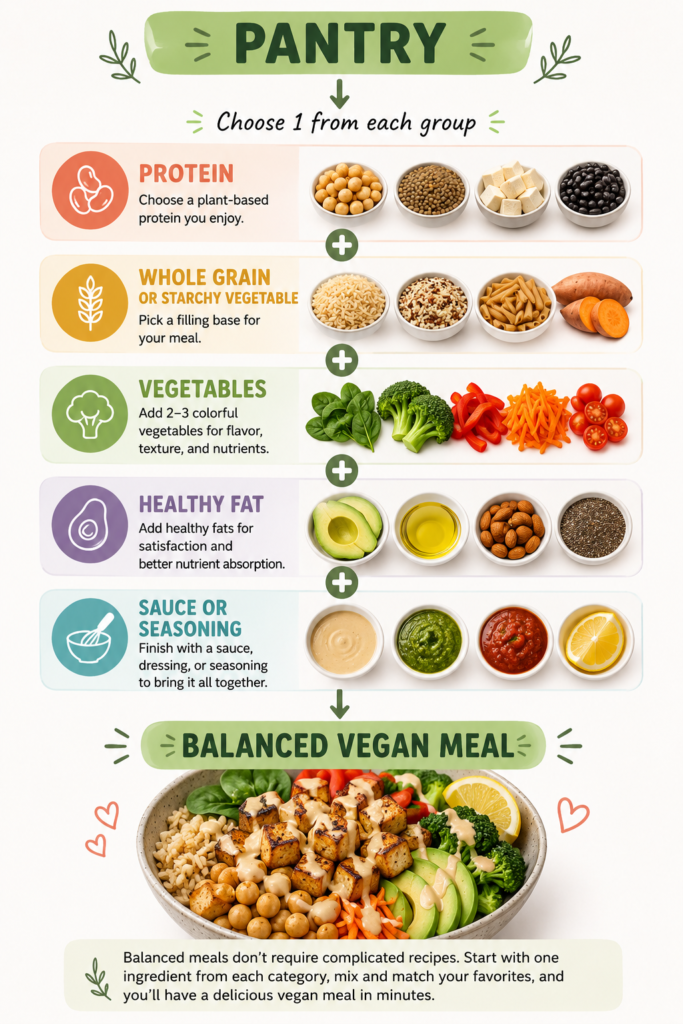
Start with one ingredient from each category, mix and match your favorites, and you’ll have a balanced vegan meal in just a few minutes.
Your Everyday Meal Formula
Choose:
- 1 plant protein – Tofu, tempeh, lentils, chickpeas, black beans, edamame, or another favorite protein.
- 1 whole grain or starchy vegetable – Brown rice, quinoa, whole wheat pasta, barley, oats, potatoes, or sweet potatoes.
- 2–3 vegetables – Pick a colorful mix of fresh or cooked vegetables for variety, texture, and flavor.
- 1 healthy fat – Avocado, olive oil, nuts, seeds, tahini, or natural nut butter.
- Optional sauce or seasoning – Add a flavorful finishing touch with a homemade sauce, fresh herbs, spices, salsa, or a squeeze of lemon juice.
Example Balanced Meal
Using the formula above, here’s one simple meal you can build in minutes:
| Meal Component | Example |
|---|---|
| Plant protein | Baked tofu |
| Whole grain or starchy vegetable | Brown rice |
| Vegetables | Roasted broccoli and carrots |
| Healthy fat | Sliced avocado |
| Sauce or seasoning | Tahini-lemon dressing |
Once you learn this simple pattern, creating balanced vegan meals becomes much more natural.
Swap one ingredient for another, try different vegetables with the seasons, or experiment with new sauces and spices to keep your meals exciting.
| Choose a Protein | Add a Grain | Pick 2–3 Vegetables | Healthy Fat | Sauce |
|---|---|---|---|---|
| Tofu | Brown rice | Broccoli + carrots | Avocado | Tahini dressing |
| Lentils | Quinoa | Spinach + tomatoes | Olive oil | Lemon herb |
| Chickpeas | Sweet potato | Cucumber + peppers | Pumpkin seeds | Hummus |
| Tempeh | Farro | Mushrooms + kale | Walnuts | Peanut sauce |
| Black beans | Whole wheat pasta | Zucchini + onions | Tahini | Tomato basil |
💡 Kitchen Tip
Keep one cooked protein, one cooked whole grain, and a container of chopped vegetables in your refrigerator each week. With those three basics ready to go, you can build a balanced vegan meal in less than 10 minutes. Simply mix and match the ingredients, add a healthy fat like avocado or tahini, and finish with your favorite herbs, spices, or dressing for a quick meal that never feels repetitive.
Build Better Meals Checklist
Before serving your meal, take a quick look at your plate and ask yourself:
- ✅ Did I include a plant protein?
- ✅ Did I add a whole grain or starchy vegetable?
- ✅ Did I include 2–3 colorful vegetables?
- ✅ Did I add a healthy fat?
- ✅ Did I finish with herbs, spices, or a flavorful sauce?
If you can check off most of these, you’ve built a balanced vegan meal that’s colorful, satisfying, and full of flavor.
Final Thoughts
Building balanced vegan meals doesn’t have to be complicated.
Start with a plant protein, add a whole grain or starchy vegetable, pile on colorful vegetables, and finish with a healthy fat to create meals that are both satisfying and full of flavor.
Don’t worry about making every meal perfect.
Focus on using a variety of whole foods, follow the plate method as a simple guide, and make small changes that fit naturally into your routine.
With a little practice, these simple habits will become second nature, and you’ll feel more confident creating delicious vegan meals that you look forward to making again and again.
FAQs
What makes a vegan meal balanced?
A balanced vegan meal includes a plant protein, a whole grain or starchy vegetable, plenty of colorful vegetables or fruit, and a healthy fat.
This combination creates meals that are satisfying, flavorful, and easy to enjoy.
Do vegans need to combine proteins?
No. You don’t need to combine specific plant proteins at every meal.
Eating a variety of protein-rich foods throughout the day provides all the essential amino acids your body needs.
How much protein should I eat daily?
Most healthy adults need about 0.8 grams of protein per kilogram (2.2 pounds) of body weight each day. People who exercise regularly or are building muscle may need more.
Can I build muscle on a vegan diet?
Yes. A balanced vegan diet that includes enough protein, calories, and regular strength training can support muscle growth just as effectively as other eating patterns.
How do I get enough iron on a vegan diet?
Choose iron-rich foods like lentils, beans, tofu, spinach, and pumpkin seeds.
Pair them with vitamin C-rich foods, such as bell peppers, oranges, or tomatoes, to help your body absorb more iron.
Are vegan meals filling?
Yes. Meals that combine plant protein, whole-food carbohydrates, healthy fats, and fiber-rich vegetables are often very satisfying and can help keep you full for longer.
What foods should every vegan keep at home?
Good staples include lentils, beans, tofu, oats, brown rice, quinoa, whole wheat pasta, frozen vegetables, fresh fruit, nuts, seeds, olive oil, and basic herbs and spices.
Do I need supplements on a vegan diet?
Vitamin B12 is generally recommended because reliable plant sources are limited.
Depending on your diet, lifestyle, and individual needs, some people may also benefit from vitamin D or an algae-based omega-3 supplement.
What is the healthiest vegan meal?
A healthy vegan meal includes a variety of whole foods, such as a plant protein, whole grains, colorful vegetables, healthy fats, and a flavorful homemade sauce or seasoning.
Can balanced vegan meals help with weight loss?
They can. Balanced vegan meals made with whole foods are often filling and satisfying, which may help you maintain a healthy weight when combined with an overall balanced lifestyle.
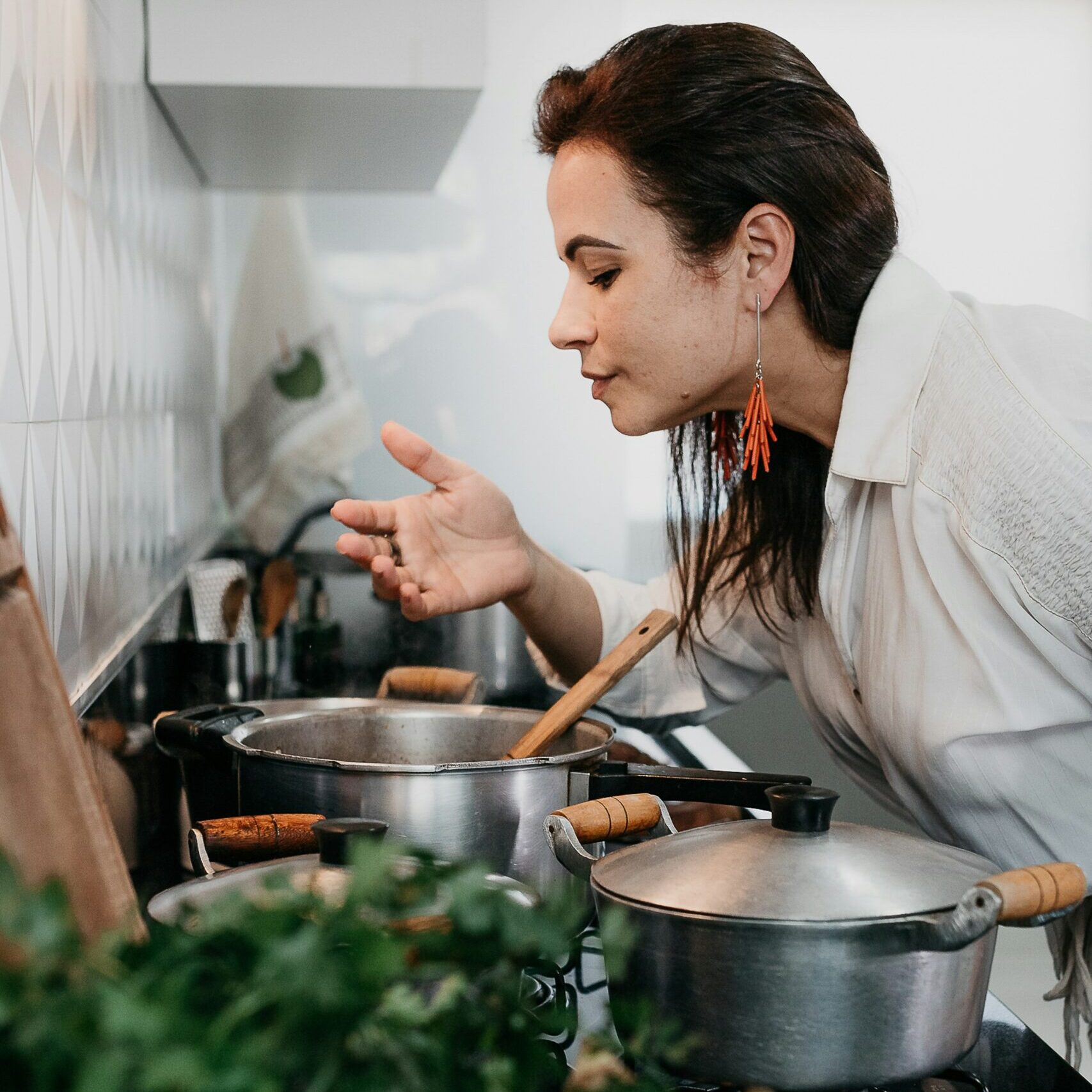
Hi, I’m Daisy Roots, the home cook and recipe developer behind this kitchen. I create simple, tested vegan recipes using everyday ingredients. Every dish is developed and cooked in my own kitchen, with clear steps to help you get reliable results every time. Thanks for stopping by — let’s cook something great!