Shopping for vegan groceries can feel overwhelming at first.
With so many products on the shelves, it’s not always obvious what to buy or where to start.
The good news is that building a well-stocked vegan kitchen is much simpler than it looks.
A little planning goes a long way.
Knowing which pantry staples, fresh produce, frozen foods, and everyday essentials to add to your cart can save time, reduce food waste, and make cooking at home much easier.
In this guide, you’ll find a practical vegan grocery list, helpful shopping tips, and the must-have ingredients that belong in every beginner-friendly plant-based kitchen.
By the end, you’ll feel confident walking through the grocery store and filling your cart with everything you need to cook delicious vegan meals.
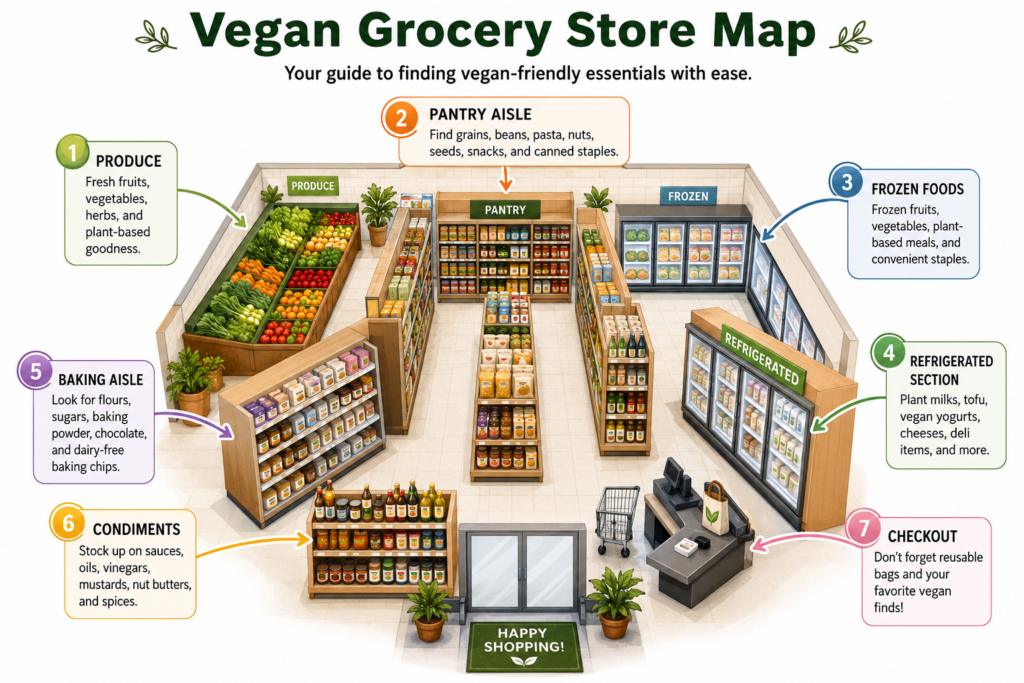
Before You Shop: Quick Checklist
A few minutes of planning before you leave home can make your grocery trip faster, easier, and more budget-friendly.
Use this simple checklist to stay organized and avoid unnecessary purchases.
- ☐ Check your pantry, refrigerator, and freezer to see what you already have.
- ☐ Plan 3–5 meals for the week to guide your shopping.
- ☐ Write a grocery list and stick to it while you’re in the store.
- ☐ Bring reusable shopping bags if you have them.
- ☐ Eat a small snack before shopping to help avoid impulse purchases.
What Does a Vegan Grocery List Include?
A balanced vegan grocery list includes a mix of fresh ingredients, pantry staples, and convenient foods that make everyday cooking simple.
You don’t need to buy everything at once. Start with the basics and add more items as you discover new recipes and favorite meals.
Whole Plant Foods
These everyday ingredients form the foundation of many vegan meals.
- Fruits: Apples, bananas, berries, oranges, grapes, and seasonal favorites.
- Vegetables: Leafy greens, broccoli, carrots, peppers, onions, mushrooms, and more.
- Whole grains: Brown rice, oats, quinoa, whole wheat pasta, and barley.
- Legumes: Chickpeas, lentils, black beans, kidney beans, and split peas.
- Nuts and seeds: Almonds, walnuts, cashews, chia seeds, flaxseeds, pumpkin seeds, and sunflower seeds.
Convenient Vegan Staples
These time-saving foods make it easy to prepare quick, satisfying meals.
- Plant-based milks for cereal, coffee, smoothies, and baking.
- Tofu and tempeh for adding texture and variety to meals.
- Vegan yogurt for breakfast, snacks, or desserts.
- Frozen vegetables that are ready to cook whenever you need them.
- Canned beans for fast salads, soups, tacos, and grain bowls.
Optional Treats
Once you’ve stocked the essentials, consider adding a few fun extras to enjoy in moderation.
- Dairy-free ice cream
- Vegan chocolate
- Chips and crackers
- Plant-based frozen meals for busy days when you need a quick and convenient option.
Fresh Produce to Add to Your Cart
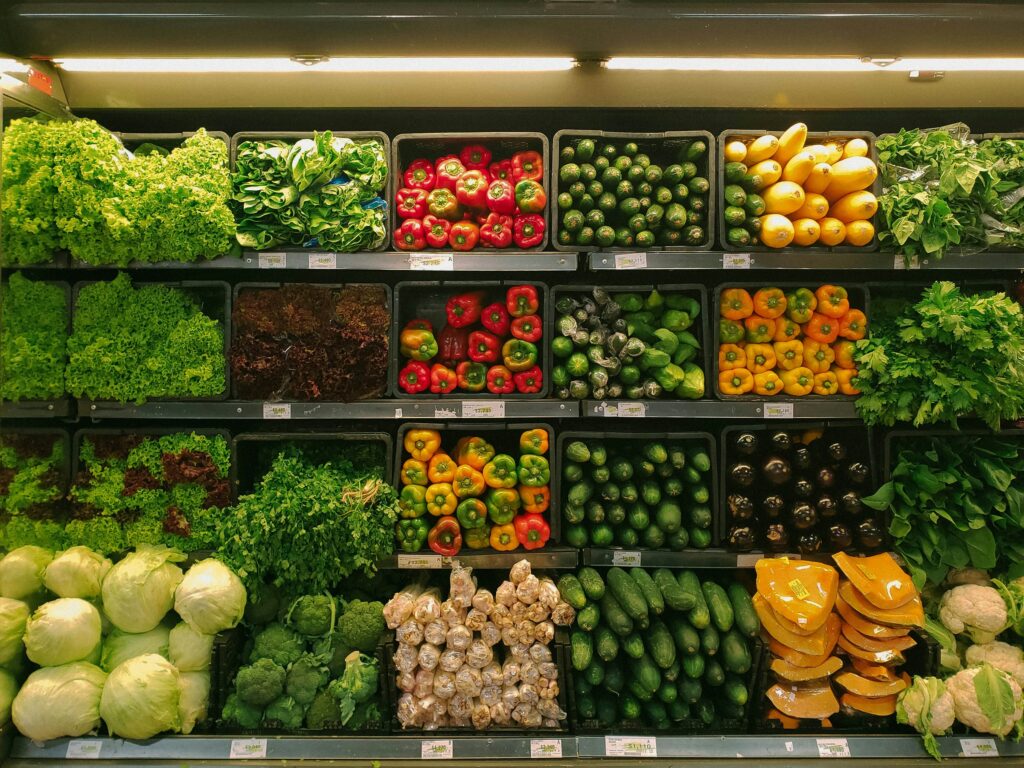
Fresh produce is the heart of a vegan kitchen.
Filling your cart with a colorful mix of vegetables, fruits, and herbs gives you endless options for salads, stir-fries, soups, smoothies, and snacks.
Choose the items you enjoy most, and don’t worry about buying everything on your first trip.
Leafy Greens
Leafy greens are versatile, easy to cook, and work well in both fresh and cooked dishes.
- Spinach: Great for salads, smoothies, pasta dishes, and sautés.
- Kale: A hearty green that’s delicious in soups, grain bowls, and baked into crispy chips.
- Lettuce: Perfect for salads, wraps, and sandwiches.
- Swiss chard: Mild and slightly earthy, making it a tasty addition to stir-fries and side dishes.
Everyday Vegetables
These kitchen staples can be used in countless recipes throughout the week.
- Bell peppers: Add color and sweetness to fajitas, salads, and roasted vegetable trays.
- Broccoli: Delicious steamed, roasted, or tossed into pasta and stir-fries.
- Carrots: Enjoy them raw as a snack, roasted, or added to soups and stews.
- Cauliflower: A versatile vegetable that’s great roasted, mashed, or blended into creamy sauces.
- Zucchini: Ideal for grilling, roasting, sautéing, or adding to pasta dishes.
- Cucumbers: Crisp and refreshing for salads, sandwiches, and quick snacks.
- Mushrooms: Add a rich, savory flavor to pasta, rice dishes, burgers, and tacos.
- Tomatoes: Use fresh in salads, sandwiches, sauces, or homemade salsa.
Fruits
Fresh fruit is perfect for breakfasts, desserts, smoothies, and grab-and-go snacks.
- Apples: Crisp, portable, and great for snacking or baking.
- Bananas: Ideal for smoothies, oatmeal, baking, or enjoying on their own.
- Berries: Add natural sweetness to yogurt, oatmeal, cereal, and desserts.
- Citrus fruits: Oranges, lemons, and limes brighten both sweet and savory dishes.
- Grapes: A refreshing snack that’s easy to pack for busy days.
- Avocados: Creamy and satisfying in toast, salads, grain bowls, and dips.
Fresh Herbs
Fresh herbs add vibrant flavor without much effort and can completely transform a simple meal.
- Cilantro: Excellent for tacos, curries, and rice dishes.
- Basil: A classic choice for pasta, pesto, pizzas, and tomato salads.
- Parsley: Brightens soups, roasted vegetables, grain bowls, and dressings.
- Mint: Refreshing in fruit salads, drinks, and homemade sauces.
Pantry Essentials Every Vegan Kitchen Needs
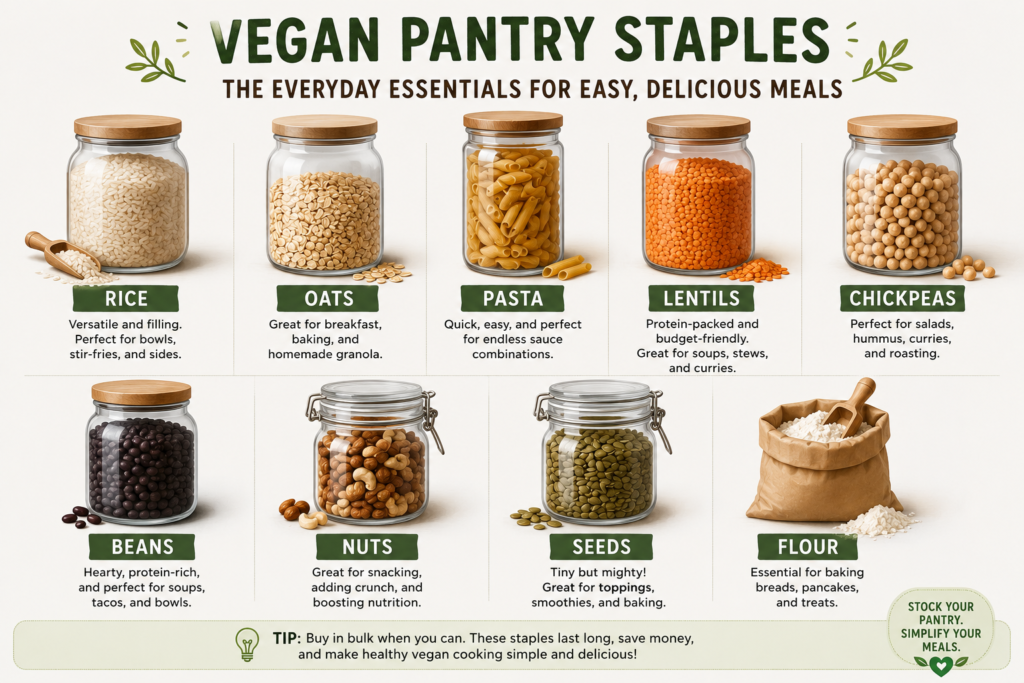
A well-stocked pantry makes everyday cooking much easier.
These shelf-stable staples last a long time and can be mixed and matched to create everything from hearty dinners to quick breakfasts and homemade baked goods.
Whole Grains
Whole grains are filling, versatile, and pair well with vegetables, beans, and flavorful sauces.
- Brown rice: A hearty base for grain bowls, stir-fries, and curries.
- White rice: Quick to cook and perfect for everyday meals.
- Quinoa: A light, fluffy grain that’s great in salads and bowls.
- Oats: Ideal for oatmeal, overnight oats, smoothies, and baking.
- Pasta: Keep a few shapes on hand for easy weeknight dinners.
- Couscous: A fast-cooking grain that’s ready in just a few minutes.
- Barley: Adds a chewy texture to soups, stews, and grain salads.
Beans and Legumes
Beans and legumes are affordable pantry staples that make meals hearty and satisfying.
- Chickpeas: Great for hummus, curries, roasted snacks, and salads.
- Black beans: A favorite for tacos, burritos, chili, and rice bowls.
- Kidney beans: Perfect for chili, soups, and hearty stews.
- Lentils: Cook quickly and work well in soups, curries, pasta sauces, and veggie burgers.
- Split peas: Ideal for thick, comforting soups and stews.
Nuts and Seeds
Keep a variety of nuts and seeds on hand for snacking, baking, and adding crunch to meals.
- Almonds: Enjoy as a snack or sprinkle over oatmeal and salads.
- Walnuts: A delicious addition to baked goods, granola, and grain bowls.
- Cashews: Blend into creamy sauces, soups, and dairy-free desserts.
- Pumpkin seeds: Add crunch to salads, soups, and homemade trail mix.
- Sunflower seeds: Great for salads, snacks, and baking.
- Chia seeds: Stir into oatmeal, smoothies, or make simple chia pudding.
- Flaxseeds: Perfect for smoothies, oatmeal, and vegan baking.
Baking Basics
A few pantry baking essentials make it easy to prepare everything from muffins to homemade bread and cookies.
- All-purpose flour: A versatile choice for everyday baking.
- Whole wheat flour: Adds a hearty texture and nutty flavor to baked goods.
- Baking powder: Helps cakes, muffins, and pancakes rise.
- Baking soda: Commonly used with acidic ingredients for light, fluffy baked goods.
- Cornstarch: Useful for thickening sauces, gravies, and pie fillings.
- Vanilla extract: Adds warm, sweet flavor to cakes, cookies, pancakes, and desserts.
| Item | Typical Pantry Life |
|---|---|
| Rice | 1–2 years |
| Pasta | 1–2 years |
| Dried beans | 1–2 years |
| Lentils | About 1 year |
| Oats | 6–12 months |
| Flour | 6–12 months |
Refrigerated Vegan Foods Worth Buying
The refrigerated section is where you’ll find many of the ingredients that make vegan cooking quick, convenient, and delicious.
Pick a few that fit your favorite recipes and expand your selection over time.
Plant-Based Milks
Plant-based milks are useful for cooking, baking, cereal, coffee, and smoothies. Trying a few different varieties is the best way to find your favorite.
- Soy milk: A versatile option with a creamy texture that’s great for cooking and baking.
- Oat milk: Smooth and naturally mild, making it a popular choice for coffee and cereal.
- Almond milk: Light and slightly nutty, perfect for smoothies, oatmeal, and everyday use.
- Coconut milk: Rich and creamy, ideal for curries, soups, and desserts.
- Pea milk: A creamy alternative that works well in drinks, baking, and savory recipes.
| If you’re making… | Try… |
|---|---|
| Coffee | Oat milk |
| Baking | Soy milk |
| Smoothies | Almond milk |
| Curries | Coconut milk |
| Everyday use | Oat or soy milk |
Plant Proteins
These refrigerated staples make it easy to prepare satisfying meals throughout the week.
- Extra-firm tofu: Holds its shape well and is perfect for stir-fries, baking, grilling, and pan-frying.
- Silken tofu: Soft and smooth, making it ideal for creamy sauces, soups, smoothies, and desserts.
- Tempeh: A firm, hearty ingredient with a slightly nutty flavor that’s excellent for sandwiches, bowls, and stir-fries.
- Seitan (optional): A chewy, meat-like ingredient that works well in wraps, sandwiches, and savory main dishes if you enjoy its texture.
Dairy-Free Alternatives
These products can make the transition to vegan cooking feel familiar while adding variety to everyday meals.
- Vegan butter: A simple substitute for spreading, cooking, and baking.
- Vegan yogurt: Enjoy with fruit, granola, or smoothies for an easy breakfast or snack.
- Vegan cream cheese: Delicious on bagels, toast, crackers, and sandwiches.
- Dairy-free cheese: Available in shredded, sliced, and block varieties for pizzas, pasta, tacos, and casseroles.
Best First Purchases for a Beginner Vegan Kitchen
If you’re starting from scratch or shopping on a limited budget, don’t feel like you need to buy everything in this guide.
Begin with these versatile staples, and build your pantry over time.
Start with these 10 essentials:
- Rice
- Oats
- Pasta
- Lentils
- Chickpeas
- Frozen vegetables
- Plant-based milk
- Extra-firm tofu
- Olive oil
- Garlic powder
With just these ingredients, you can prepare a surprising variety of simple breakfasts, lunches, dinners, and snacks while gradually expanding your grocery list as you discover new favorite recipes.
Frozen Foods That Save Time
Your freezer can be one of the most useful parts of your kitchen.
Keeping a few frozen staples on hand means you’re always just minutes away from a homemade meal, even on busy days.
Frozen foods are also a great way to reduce food waste.
Since they keep much longer than fresh ingredients, you can use only what you need and save the rest for another recipe.
| Fresh | Frozen |
|---|---|
| Great for salads | Great for cooking |
| Short shelf life | Long shelf life |
| Seasonal | Available year-round |
| Requires prep | Often ready to cook |
Frozen Vegetables
Frozen vegetables are picked and frozen at their peak, making them a convenient choice for everyday cooking.
They save prep time because most come washed, trimmed, and ready to cook.
Keep a variety in your freezer so you always have vegetables for quick meals.
Some of the most useful options include:
- Broccoli
- Cauliflower
- Mixed vegetables
- Green beans
- Corn
- Peas
- Spinach
- Stir-fry vegetable blends
Simply add them to soups, curries, fried rice, pasta dishes, casseroles, or stir-fries. There’s no need to thaw most frozen vegetables before cooking, which makes dinner even easier.
Frozen Fruit
Frozen fruit is perfect when fresh fruit isn’t in season, or you want something that lasts longer.
Use it to make smoothies, overnight oats, oatmeal, fruit sauces, or simple desserts. Since the fruit is already washed and chopped, you can pour it straight from the bag into your recipe.
Popular choices include mixed berries, strawberries, blueberries, mango, pineapple, peaches, and cherries.
A bag or two of frozen fruit is an easy way to add natural sweetness to breakfasts and snacks without worrying about fruit spoiling.
Frozen Edamame
Frozen edamame is one of the easiest ingredients to keep on hand for quick meals.
The shelled version can be added directly to fried rice, noodle dishes, grain bowls, salads, and stir-fries. Whole pods also make a simple snack after a few minutes of steaming or microwaving.
Because it cooks so quickly, it’s an excellent option for weeknight dinners when you want something convenient without much preparation.
Frozen Veggie Burgers
A package of veggie burgers can be a real time-saver when you need a fast lunch or dinner.
Many cook straight from frozen, making them an easy choice for busy evenings.
Serve them on burger buns with your favorite toppings, crumble them into wraps, or slice them over salads for a quick meal with very little effort.
Keeping one package in the freezer means you’ll always have a convenient backup when you don’t feel like cooking from scratch.
Ready-to-Cook Grain Mixes
Ready-to-cook grains are another freezer staple worth buying.
Many stores sell frozen pouches of brown rice, quinoa, mixed grains, or rice blends that heat in just a few minutes.
They’re perfect for building grain bowls, serving alongside roasted vegetables, or pairing with tofu, tempeh, beans, or your favorite sauces.
While cooking grains from scratch is often more budget-friendly, these freezer options are incredibly convenient when time is short and you still want a homemade meal.
Flavor Boosters and Condiments
A handful of pantry condiments can completely change the flavor of a meal.
With just a few bottles and jars, you can turn simple ingredients like rice, vegetables, tofu, and beans into meals that taste fresh and exciting.
You don’t need an overflowing pantry to cook delicious vegan food.
Start with a few everyday favorites, then add new flavors as you discover recipes you love.
Oils
Cooking oils each bring something different to the kitchen, so it’s helpful to keep more than one on hand.
- Olive oil: A versatile everyday oil that’s great for sautéing vegetables, roasting, homemade dressings, and dipping bread.
- Avocado oil: A mild-flavored oil that works well for roasting, pan-frying, and grilling.
- Sesame oil: A flavorful finishing oil that adds a rich, nutty taste to stir-fries, noodle dishes, marinades, and dressings. A little goes a long way.
Vinegars
Vinegar adds brightness and balance to recipes, making flavors taste fresher and more vibrant.
- Apple cider vinegar: Perfect for salad dressings, marinades, sauces, and quick pickled vegetables.
- Balsamic vinegar: Slightly sweet and rich, making it a delicious addition to salads, roasted vegetables, and glazes.
- Rice vinegar: Mild and lightly tangy, ideal for Asian-inspired sauces, slaws, and homemade dressings.
Sauces
Keeping a few staple sauces in your pantry makes it easy to add bold flavor without much effort.
- Soy sauce: A savory staple for stir-fries, fried rice, marinades, and dipping sauces.
- Tamari: Similar to soy sauce with a rich, smooth flavor that’s excellent in many of the same recipes.
- Coconut aminos: A slightly sweeter alternative that works well in marinades, dressings, and stir-fries.
- Hot sauce: Adds a spicy kick to tacos, soups, grain bowls, and sandwiches.
- Sriracha: A bold chili sauce that’s delicious in noodle dishes, rice bowls, burgers, and homemade sauces.
- Mustard: Great for sandwiches, salad dressings, marinades, and potato salads.
- Ketchup: A classic condiment for burgers, fries, veggie nuggets, and even a few homemade sauces.
Nut Butters
Nut butters aren’t just for toast. They can also add creaminess, richness, and flavor to both sweet and savory recipes.
- Peanut butter: Perfect for sandwiches, smoothies, oatmeal, cookies, and peanut sauces.
- Almond butter: A creamy spread that’s delicious with fruit, toast, pancakes, and baked goods.
- Cashew butter: Mild and rich, making it a tasty addition to smoothies, desserts, and creamy sauces.
Herbs, Spices, and Seasonings
Herbs, spices, and seasonings are what bring simple ingredients to life.
A pantry stocked with a few favorites lets you create a wide variety of meals without buying dozens of specialty ingredients.
If you’re just getting started, focus on the basics first.
As you cook more often, you can gradually expand your spice collection to match the flavors you enjoy most.
Everyday Spices
These versatile seasonings work in countless recipes and are worth keeping within easy reach.
- Garlic powder: Adds savory flavor to roasted vegetables, soups, sauces, dressings, and marinades.
- Onion powder: A convenient way to add onion flavor to burgers, dips, casseroles, and spice blends.
- Paprika: Mild and slightly sweet, it’s excellent for roasted potatoes, vegetables, soups, and rice dishes.
- Black pepper: A kitchen staple that enhances the flavor of almost any savory meal.
- Cumin: Warm and earthy, making it perfect for tacos, chili, curries, and bean dishes.
- Chili powder: Adds gentle heat and depth to soups, stews, burritos, and Mexican-inspired recipes.
- Oregano: A classic herb for pasta sauces, pizza, roasted vegetables, and marinades.
- Italian seasoning: A ready-made blend that’s ideal for pasta, soups, casseroles, and homemade tomato sauce.
- Cinnamon: A warm spice that’s perfect for oatmeal, smoothies, muffins, pancakes, cookies, and other baked treats.
Specialty Seasonings
These flavorful additions can give everyday meals extra character with very little effort.
- Nutritional yeast: Adds a rich, cheesy flavor to pasta, popcorn, roasted vegetables, mashed potatoes, and homemade sauces.
- Smoked paprika: Brings a deep, smoky flavor to roasted vegetables, chili, bean dishes, and barbecue-inspired recipes.
- Turmeric: Adds a warm golden color and mild earthy flavor to curries, rice dishes, soups, and tofu scrambles.
- Curry powder: A convenient spice blend that makes it easy to prepare flavorful curries, soups, and roasted vegetables.
- Everything bagel seasoning: A crunchy blend that’s delicious sprinkled over avocado toast, salads, roasted vegetables, baked potatoes, and vegan cream cheese.
Healthy Snacks for Busy Days
Keeping a few simple snacks on hand makes it easier to satisfy your hunger between meals without reaching for whatever happens to be nearby.
The best vegan snacks are quick to grab, easy to prepare, and full of flavor.
Mix and match a few of these options so you always have something ready, whether you’re working, studying, traveling, or relaxing at home.
Fresh Fruit
Fresh fruit is one of the easiest snacks to keep in your kitchen.
Apples, bananas, grapes, oranges, pears, and berries require little or no preparation, making them perfect for busy days.
Try pairing fruit with a spoonful of peanut or almond butter for a more satisfying snack.
Buying fruit that’s in season is also a great way to enjoy the best flavor while stretching your grocery budget.
Trail Mix
Trail mix is easy to customize with your favorite ingredients.
A simple homemade mix can include almonds, walnuts, cashews, pumpkin seeds, sunflower seeds, dried fruit, and a few dairy-free chocolate chips if you’d like a touch of sweetness.
Store it in small containers or reusable bags so it’s ready whenever you need a quick snack.
Making your own trail mix also lets you choose exactly what goes into it.
Roasted Chickpeas
Roasted chickpeas are crunchy, flavorful, and surprisingly easy to make at home.
Simply toss cooked chickpeas with a little oil and your favorite seasonings before roasting them until crisp.
Garlic powder, smoked paprika, chili powder, and Italian seasoning are all great choices.
Make a larger batch and store it in an airtight container for easy snacking throughout the week.
Popcorn
Popcorn is an affordable snack that’s ready in just a few minutes.
Air-popped popcorn is easy to customize with your favorite seasonings.
Try nutritional yeast for a cheesy flavor, smoked paprika for a little depth, or cinnamon for a lightly sweet twist.
Homemade popcorn is also a fun snack for movie nights or afternoon breaks.
Rice Cakes
Rice cakes are a simple pantry staple that can be dressed up in countless ways.
Spread them with peanut butter, almond butter, hummus, mashed avocado, or dairy-free cream cheese.
Top them with sliced bananas, berries, tomatoes, cucumbers, or a sprinkle of everything bagel seasoning for extra flavor.
They’re light, convenient, and easy to personalize with whatever you have on hand.
Hummus with Vegetables
Hummus and fresh vegetables make a colorful snack that’s both simple and satisfying.
Carrot sticks, cucumber slices, bell pepper strips, celery, broccoli florets, and cherry tomatoes all pair well with hummus.
Preparing a container of sliced vegetables after grocery shopping makes healthy snacking much more convenient during the week.
Granola Bars
Granola bars are a handy option for busy mornings, road trips, or afternoons when you’re away from home.
Keep a few in your pantry, work bag, or backpack so you always have something ready when hunger strikes.
You can also make homemade granola bars in batches and store them for an easy grab-and-go snack whenever you need one.
Reading Ingredient Labels Made Simple
When you’re new to vegan grocery shopping, reading ingredient labels can take a little extra time.
That’s completely normal. The more often you shop, the quicker you’ll recognize which products fit your needs.
Instead of focusing only on the front of the package, take a moment to check the ingredient list and any labels or certifications.
It becomes second nature after a few shopping trips.
Common Animal-Derived Ingredients to Watch For
Some packaged foods contain ingredients that aren’t always obvious at first glance.
Here are a few common ones you’ll come across:
- Gelatin: Often used to help foods set or maintain their texture. It’s commonly found in gummies, marshmallows, and some desserts.
- Whey: A milk-derived ingredient frequently used in baked goods, snack foods, protein products, and creamy sauces.
- Casein: Another milk ingredient that appears in some dairy-free alternatives, processed foods, and packaged snacks.
- Honey: Used as a sweetener in cereals, granola bars, sauces, dressings, and baked goods.
- Carmine: A red food coloring that may be used in certain candies, drinks, desserts, and other packaged foods.
If you’re unsure about an ingredient, a quick online search or the manufacturer’s website can often provide more information.
Understanding Vegan Labels
Many grocery products now include labels that make vegan shopping much easier.
- Certified vegan logos: Products displaying a certified vegan logo have been verified to meet established vegan standards, making them easy to spot while shopping.
- “May contain” statements: These statements usually indicate that a product is made in a facility that also handles ingredients like milk or eggs. They refer to possible cross-contact during manufacturing rather than the ingredients intentionally used in the product.
- Plant-based marketing claims: Labels that say “plant-based” can be helpful, but they don’t always mean a product is completely vegan. It’s still a good idea to check the ingredient list if you’re unsure.
The more familiar you become with ingredient labels, the faster grocery shopping gets.
Before long, you’ll be able to recognize your favorite products with just a quick glance.
Budget-Friendly Vegan Shopping Tips
Buy Dry Goods in Bulk
Dry pantry staples are often more affordable when purchased in larger quantities.
Items like rice, oats, beans, lentils, quinoa, pasta, and nuts usually keep well for months when stored in airtight containers.
If your grocery store has a bulk section, buy only the amount you need.
This is a great way to try new ingredients without committing to a large package.
Choose Seasonal Produce
Seasonal fruits and vegetables are often less expensive and full of fresh flavor.
Planning meals around what’s in season can help stretch your grocery budget while giving you more variety throughout the year.
If your favorite produce isn’t in season, don’t worry.
There’s almost always another delicious option that’s at its best right now.
Use Frozen Fruits and Vegetables
Frozen produce is one of the easiest ways to save money and reduce food waste.
Since it lasts much longer than fresh produce, you can use only what you need and keep the rest in the freezer for another meal.
Frozen vegetables are perfect for soups, stir-fries, pasta dishes, and casseroles.
Frozen fruit is just as convenient for smoothies, oatmeal, baking, and desserts.
Keeping a few bags on hand means you’re always prepared, even when your refrigerator is running low.
Compare Store Brands
Store-brand products are often just as useful as name-brand alternatives and can cost noticeably less.
Compare the price per package or the unit price listed on the shelf to see which option offers the best value.
This simple habit can lead to meaningful savings over time, especially on pantry staples you buy regularly.
Plan Meals Before Shopping
One of the easiest ways to save money is to decide what you’ll cook before heading to the store.
Start by checking what you already have in your pantry, refrigerator, and freezer.
Then create a short meal plan and write a shopping list based on the ingredients you actually need.
Shopping with a list helps you stay focused and reduces the chance of buying items that may never get used.
Avoid Shopping While Hungry
It sounds simple, but shopping on an empty stomach often leads to extra purchases.
Having a small snack before you leave makes it easier to stick to your shopping list and avoid impulse buys.
You’ll be more likely to fill your cart with ingredients for meals instead of grabbing foods that simply look tempting in the moment.
A little planning before each grocery trip can save both money and food, making your vegan kitchen easier to stock and enjoy.
Budget Swap Ideas
Small changes can stretch your grocery budget without changing the meals you make.
These simple swaps help you stock your kitchen with versatile ingredients while reducing unnecessary spending.
| Instead of… | Try… | Why It Helps |
|---|---|---|
| Fresh berries | Frozen berries | Last longer and are perfect for smoothies, oatmeal, and baking. |
| Canned beans | Dry beans | A pantry staple that goes a long way and can be cooked in larger batches. |
| Microwave rice | Dry rice | Easy to cook at home and useful in countless recipes. |
| Packaged trail mix | Homemade trail mix | Customize it with your favorite nuts, seeds, and dried fruit. |
| Pre-cut vegetables | Whole vegetables | Usually stay fresh longer and can be prepared as needed. |
One-Week Beginner Vegan Grocery List
If you’re shopping for one person or a small household, this simple grocery list is a great place to start.
It includes versatile ingredients that can be mixed and matched to make breakfasts, lunches, dinners, snacks, and simple desserts throughout the week.
Use this list as a starting point and adjust it based on your favorite recipes, what’s already in your pantry, and what’s in season.
| Category | What to Buy |
|---|---|
| Fresh Produce | Spinach, broccoli, bell peppers, carrots, zucchini, cucumbers, tomatoes, onions, garlic, mushrooms, apples, bananas, berries, avocados, lemons |
| Pantry Staples | Brown rice, rolled oats, pasta, quinoa, canned chickpeas, canned black beans, dried lentils, peanut butter, chia seeds, all-purpose flour |
| Refrigerated Foods | Oat milk, extra-firm tofu, vegan yogurt, vegan butter, dairy-free cheese |
| Frozen Foods | Mixed vegetables, broccoli florets, spinach, mixed berries, mango chunks, shelled edamame, veggie burgers |
| Snacks | Trail mix, popcorn kernels, rice cakes, hummus, granola bars, fresh fruit |
| Condiments | Olive oil, soy sauce, balsamic vinegar, mustard, ketchup, hot sauce |
| Herbs & Spices | Garlic powder, onion powder, paprika, black pepper, cumin, Italian seasoning, nutritional yeast, cinnamon |
This grocery list covers the essentials without feeling overwhelming.
As you become more comfortable cooking vegan meals, you can add new ingredients, experiment with different flavors, and tailor your shopping list to the dishes you enjoy making most.
Pantry Restock Checklist
Use this quick checklist before each grocery trip to see which everyday essentials need replacing.
It’s an easy way to keep your vegan kitchen stocked and ready for simple home-cooked meals.
- Rice
- Pasta
- Beans
- Lentils
- Oats
- Olive oil
- Soy sauce
- Peanut butter
- Plant-based milk
- Frozen vegetables
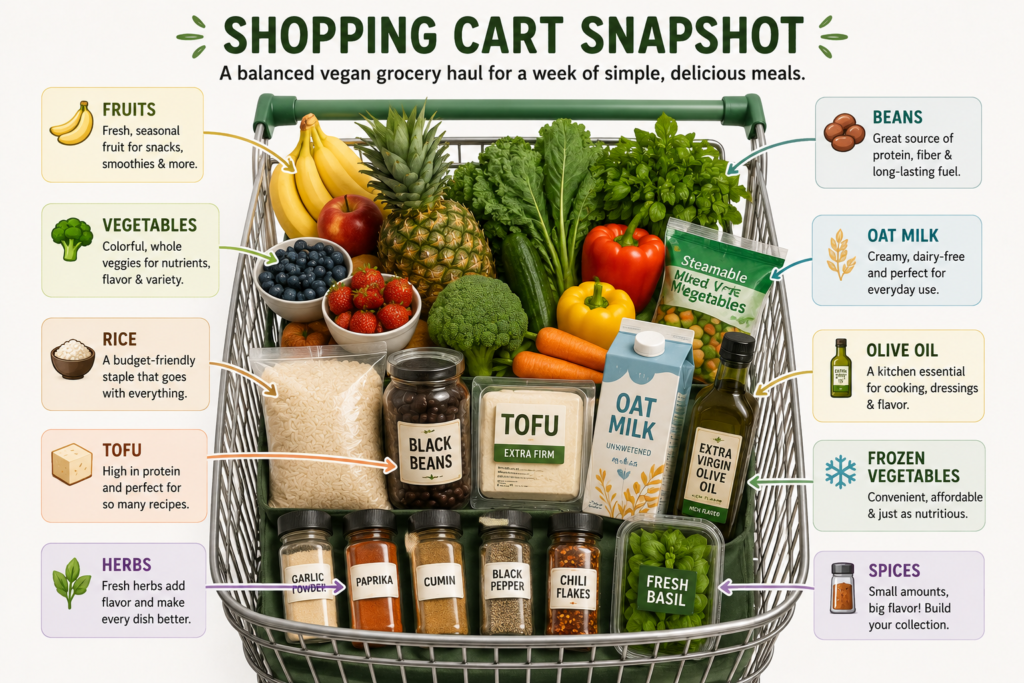
Grocery Shopping Mistakes Beginners Often Make
Buying Too Many Specialty Products
It’s easy to get excited by the growing selection of vegan products on grocery store shelves.
While plant-based cheeses, meats, desserts, and frozen meals can be fun to try, they don’t all need to go into your cart at once.
Start by building your meals around simple staples like vegetables, beans, grains, tofu, and fruit.
Then add specialty products here and there as treats or convenient extras.
This approach keeps grocery shopping simple and helps you discover which products you genuinely enjoy.
Forgetting Protein Sources
When you’re focused on fruits and vegetables, it’s easy to overlook the ingredients that make meals hearty and satisfying.
Before you head to the checkout, make sure you’ve picked up a few reliable protein staples for the week.
Tofu, tempeh, beans, lentils, chickpeas, and edamame are all versatile options that work in a wide range of recipes.
Keeping a few of these ingredients in your pantry, refrigerator, or freezer makes meal planning much easier.
Ignoring Frozen Produce
Many beginners head straight for the fresh produce section and skip the freezer aisle.
Frozen fruits and vegetables are just as convenient for many recipes and stay fresh much longer.
They’re ready whenever you need them, making them perfect for soups, smoothies, stir-fries, pasta dishes, and grain bowls.
Keeping a few bags in your freezer also means you’ll always have ingredients available, even if you haven’t been shopping for a while.
Not Planning Meals
Walking into the grocery store without a plan often leads to an overflowing cart and ingredients that don’t work well together.
Take a few minutes before shopping to decide what you’ll cook during the week.
Check your pantry, refrigerator, and freezer first, so you don’t accidentally buy items you already have.
A simple shopping list keeps you focused and helps ensure every ingredient has a purpose.
Buying More Fresh Produce Than You Can Use
Fresh fruits and vegetables are wonderful to have, but it’s easy to buy more than you’ll actually use.
Instead of filling your cart with every colorful item you see, choose produce that fits the meals you’ve planned.
If you know you won’t use everything within a few days, balance your shopping with frozen fruits and vegetables that keep much longer.
Remember, building a well-stocked vegan kitchen doesn’t happen in a single grocery trip.
With each visit, you’ll learn what you cook most often, which ingredients you reach for again and again, and how much food your household realistically uses.
Before long, grocery shopping will feel quicker, easier, and much more enjoyable.
🌿 Kitchen Confidence Tip
You don’t need to fill your pantry in a single grocery trip. Start with the ingredients you’ll use most often, then add one or two new vegan staples each time you shop. Before long, you’ll have a well-stocked kitchen without feeling overwhelmed, and you’ll naturally discover the foods and flavors you enjoy cooking with the most.
Final Thoughts
Building a vegan kitchen doesn’t have to happen all at once.
Start with a few everyday staples like grains, beans, fresh produce, plant-based proteins, and your favorite seasonings, then add new ingredients as you try more recipes.
Shopping with a simple plan and keeping versatile pantry essentials on hand makes cooking easier, saves time, and helps you create flavorful meals with confidence.
Before long, you’ll know exactly what belongs in your cart and enjoy having everything you need to prepare delicious vegan dishes at home.
FAQs
What foods should every vegan always keep at home?
A good vegan pantry includes rice, pasta, oats, beans, lentils, canned chickpeas, plant-based milk, tofu, frozen vegetables, fresh fruit, nuts, seeds, cooking oil, and a selection of herbs and spices.
Is vegan grocery shopping expensive?
It doesn’t have to be. Building meals around affordable staples like beans, lentils, rice, oats, seasonal produce, and frozen vegetables can help keep grocery costs low.
What is the best plant-based milk for beginners?
Oat milk is a great choice for beginners because it has a mild flavor and works well in coffee, cereal, cooking, and baking.
Soy milk is another versatile option that’s easy to use in everyday recipes.
How often should I shop for fresh produce?
Most people find that shopping for fresh produce once a week works well.
If you use a lot of fruits and vegetables, you may prefer a smaller midweek trip to restock your favorites.
Are frozen vegetables just as useful as fresh ones for everyday cooking?
Yes. Frozen vegetables are convenient, last much longer than fresh produce, and are perfect for soups, stir-fries, pasta dishes, casseroles, and many other everyday meals.
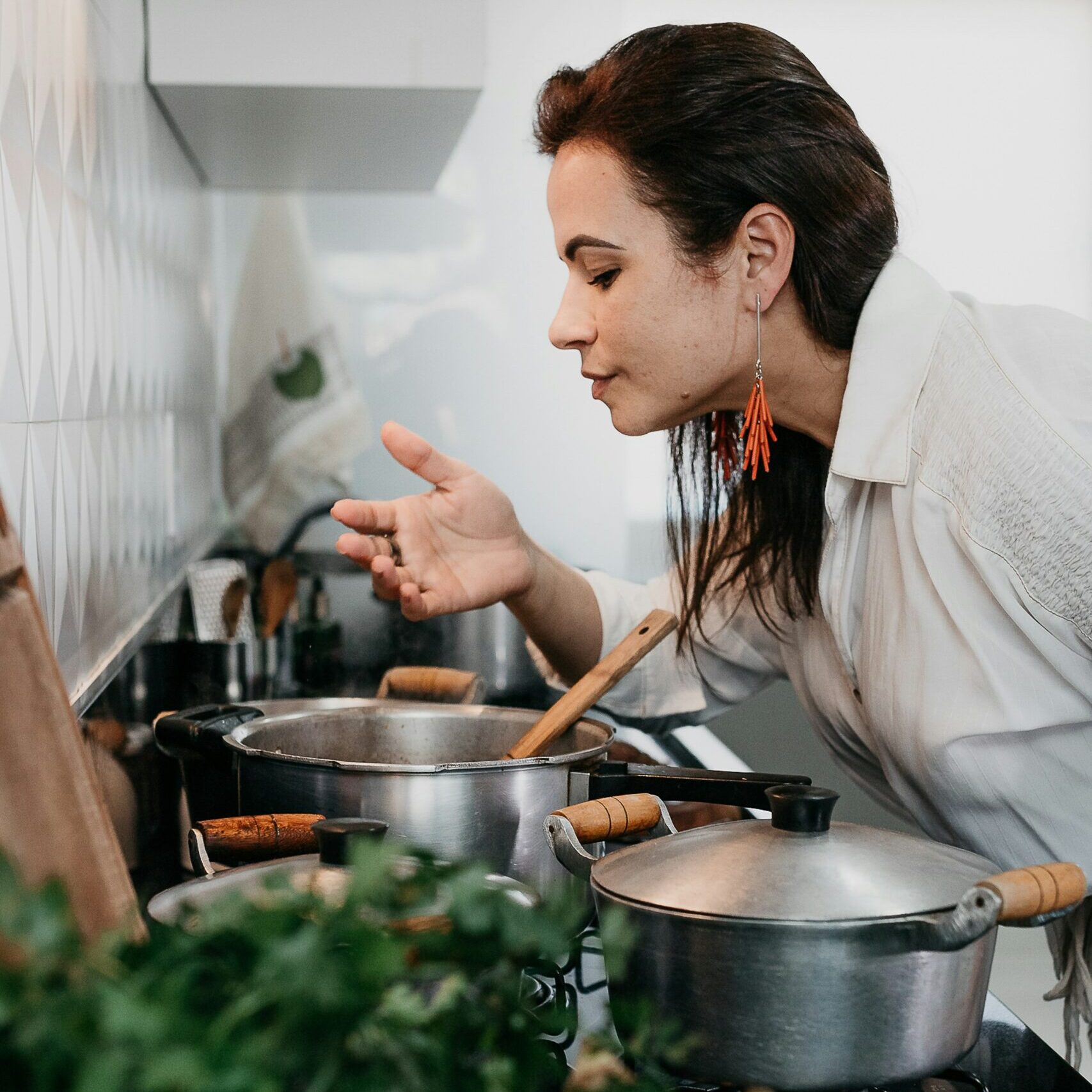
Hi, I’m Daisy Roots, the home cook and recipe developer behind this kitchen. I create simple, tested vegan recipes using everyday ingredients. Every dish is developed and cooked in my own kitchen, with clear steps to help you get reliable results every time. Thanks for stopping by — let’s cook something great!