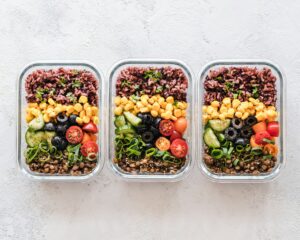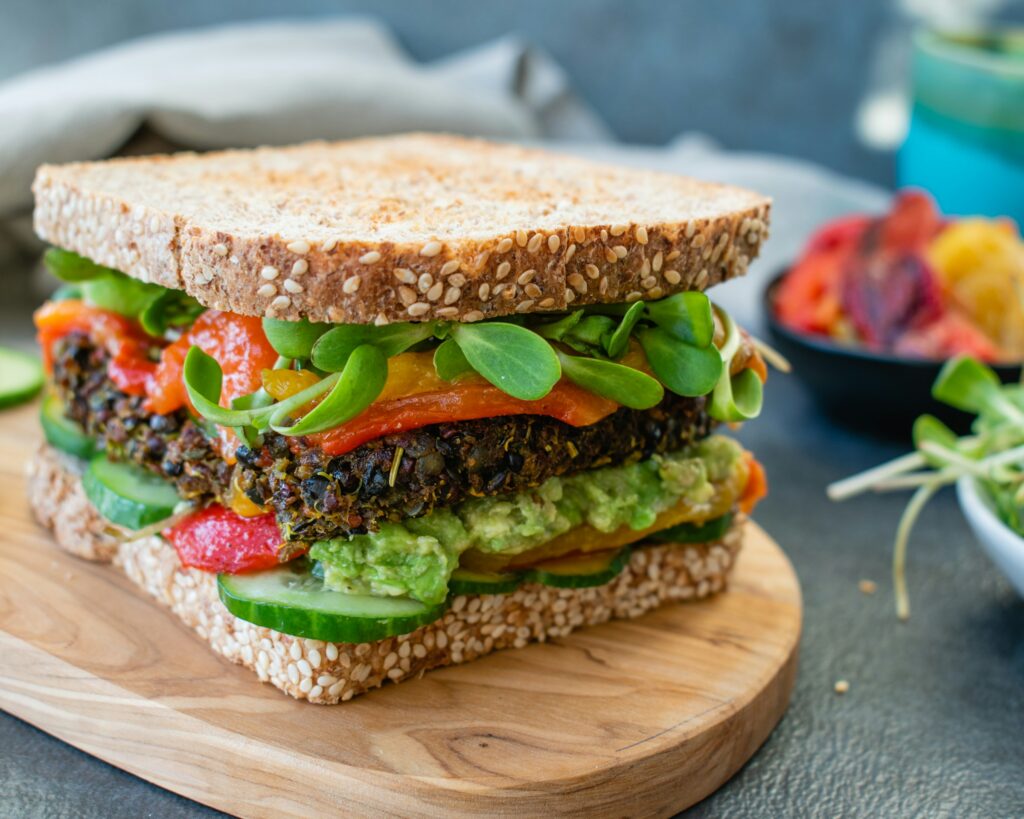
Many people think vegan meals are bland, but that usually comes down to how they’re cooked, not the ingredients themselves.
A few simple techniques can turn everyday vegetables, beans, grains, and plant-based proteins into meals that are rich, satisfying, and full of flavor.
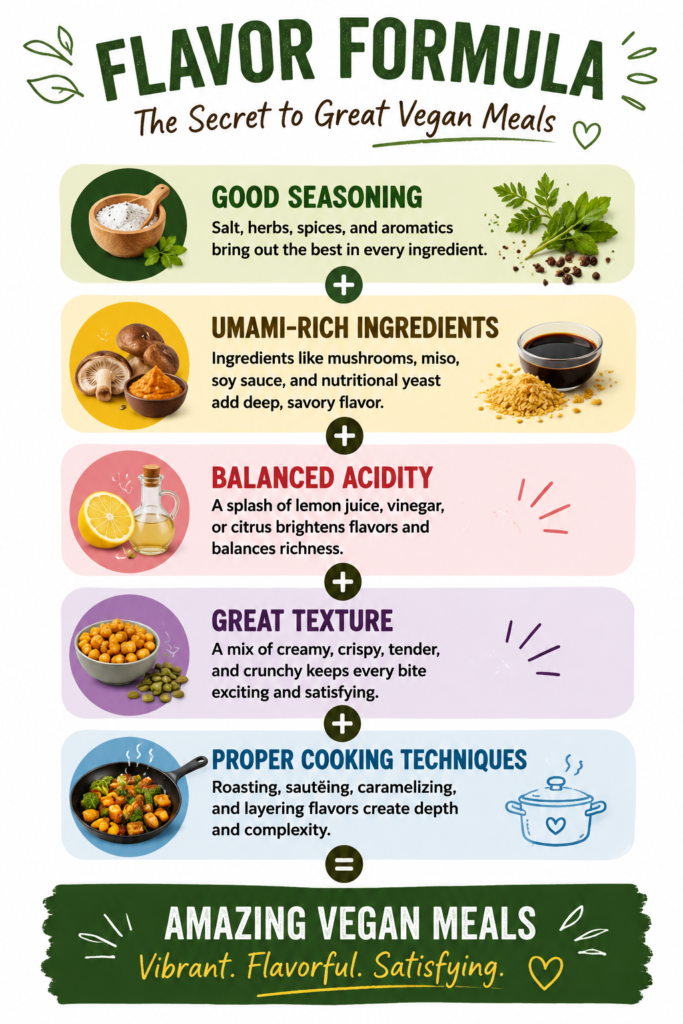
Great vegan cooking is all about building layers of taste.
The right seasoning, a splash of acidity, crispy textures, creamy sauces, and smart ingredient pairings can make a huge difference.
You don’t need fancy ingredients or years of cooking experience to get delicious results.
In this guide, you’ll learn easy ways to boost flavor at every step, from choosing the right herbs and spices to roasting vegetables, adding umami-rich ingredients, and finishing dishes with simple flavor boosters.
Quick Flavor Fixes at a Glance
| If Your Food Tastes… | Try Adding… |
|---|---|
| Bland | Salt or soy sauce |
| Flat | Lemon juice or vinegar |
| Bitter | A little maple syrup or sugar |
| Too Rich | Citrus or fresh herbs |
| Dry | Olive oil or tahini |
| Missing Depth | Mushrooms or nutritional yeast |
| Too Spicy | Coconut milk or plant yogurt |
Why Vegan Meals Sometimes Taste Bland
If your vegan meals taste a little flat, don’t worry because it’s a common problem, especially when you’re just getting started.
Most of the time, the issue isn’t the ingredients. It’s simply that a few key flavor-building steps are missing.
Let’s look at the most common reasons and how to fix them.
Under-Seasoning
One of the biggest reasons vegan meals lack flavor is not using enough seasoning.
Salt isn’t the enemy of good cooking—it’s what helps bring out the natural flavors in vegetables, grains, beans, and herbs. Instead of adding all your seasoning at the very end, build flavor as you cook.
For the best results:
- Season vegetables while they cook.
- Add herbs and spices in stages instead of all at once.
- Taste your food before serving and adjust if needed.
Even a small pinch of salt or an extra sprinkle of spices can make a surprising difference.
Lack of Acidity
A splash of acid can completely change a dish.
Acid brightens flavors, balances rich ingredients, and makes everything taste fresher and more vibrant.
If a meal tastes dull even after seasoning, adding a little acidity is often the missing step.
Some easy options include:
- Lemon juice
- Lime juice
- Vinegar
- Pickled vegetables
A squeeze of fresh lemon or a dash of vinegar just before serving is often enough to wake up the entire dish.
Missing Umami
Umami is the rich, savory taste that gives food more depth and makes it feel satisfying.
While it’s often associated with meat, many plant-based ingredients are naturally packed with umami.
Some of the best vegan sources include:
- Mushrooms
- Nutritional yeast
- Miso
- Soy sauce
- Tamari
- Tomato paste
- Sun-dried tomatoes
Using one or two of these ingredients in soups, pasta sauces, stir-fries, grain bowls, or stews can add a deeper, more balanced flavor without much extra effort.
Understand the Five Basic Tastes
Great-tasting vegan meals aren’t usually built around just one flavor.
The most satisfying dishes combine several tastes that work together, creating a meal that feels balanced and enjoyable from the first bite to the last.
Learning these five basic tastes makes it much easier to season your food with confidence.
Sweet
Sweet flavors add warmth and help balance bitterness or acidity.
They don’t have to come from sugar—many vegetables naturally become sweeter when cooked.
Common vegan examples include:
- Roasted carrots
- Sweet potatoes
- Maple syrup
- Dates
Salty
Salt brings out the natural flavor of ingredients and helps other seasonings shine.
A little goes a long way, so add it gradually and taste as you cook.
Good sources include:
- Sea salt
- Soy sauce
- Tamari
Sour
Sour ingredients add brightness and freshness.
They can lift a rich or heavy dish and make the flavors taste more vibrant.
Popular options include:
- Lemon
- Vinegar
- Pickles
Bitter
Bitterness adds contrast and complexity when used in balance.
Pairing bitter ingredients with sweet, salty, or acidic flavors creates a more rounded dish.
Examples include:
- Kale
- Arugula
- Cocoa
Umami
Umami is the deep, savory flavor that makes meals taste richer and more satisfying.
It’s one of the easiest ways to give vegan dishes extra depth.
Some of the best plant-based sources are:
- Mushrooms
- Miso
- Nutritional yeast
Why Balance Matters
The most flavorful meals combine several of these tastes instead of relying on just one.
For example, roasted sweet potatoes become even better with a pinch of salt and a squeeze of lemon, while mushrooms cooked with soy sauce create a rich, savory base for grain bowls, pasta, and stir-fries.
As you cook, taste your food and think about what’s missing. If it feels flat, it may need a little salt. If it tastes heavy, try adding something sour.
Build Flavor Before You Start Cooking
The best vegan meals don’t rely on seasoning alone. Great flavor starts before the main ingredients even go into the pan.
Taking a few extra minutes to build a flavorful base gives soups, stews, stir-fries, pasta sauces, curries, and grain dishes a richer taste from the very beginning.
Start with Aromatics
Aromatics are vegetables and fresh ingredients that release incredible flavor as they cook.
They create the foundation for many of the world’s most popular dishes and make your kitchen smell amazing.
Some of the most common aromatics include:
- Onion
- Garlic
- Shallots
- Ginger
- Celery
- Carrots
- Scallions
To get the best flavor, heat a little oil in a pan over medium heat, then add your aromatics. Cook them gently, stirring occasionally, until they become soft and fragrant.
Onions should look slightly translucent, while garlic should smell rich and inviting without turning brown, as burnt garlic can become bitter.
Different combinations work well in different recipes.
Onion, garlic, and ginger are perfect for many Asian-inspired dishes, while onion, celery, and carrots make an excellent base for soups, stews, and hearty sauces.
Scallions are great for quick stir-fries and as a fresh finishing touch.
Cook with Healthy Fats
Fat does more than keep food from sticking to the pan—it helps carry flavor throughout a dish.
It coats ingredients, helps spices bloom, and creates a richer, more satisfying mouthfeel.
A small amount is often all you need to make herbs, spices, and aromatics taste their best.
Some great options for vegan cooking include:
- Olive oil
- Avocado oil
- Sesame oil
- Coconut milk
- Tahini
Each one brings something different to the table. Olive oil has a mild, fruity flavor that’s perfect for sautéing vegetables and making dressings.
Avocado oil has a neutral taste and a high smoke point, making it a good choice for roasting and pan-frying. Sesame oil adds a rich, nutty finish to stir-fries, noodles, and grain bowls.
Coconut milk creates creamy curries and soups, while tahini adds a smooth, nutty richness to sauces, dressings, and dips.
For even better flavor, cook your onions, garlic, and spices in a little oil before adding the remaining ingredients.
As they heat, their flavors are released into the fat, helping them spread more evenly throughout the dish.
Toast Your Spices
One of the easiest ways to make vegan meals taste more flavorful is to toast your spices before adding liquids or other ingredients.
Heating spices for a short time wakes up their natural oils, making their aromas stronger and their flavors deeper.
Instead of tasting dull or dusty, they become warmer, richer, and more fragrant.
Spices that respond especially well to toasting include:
- Cumin
- Coriander
- Paprika
- Curry powder
- Garam masala
After your aromatics have softened, add the spices to the pan and stir continuously for about 30 to 60 seconds over medium heat.
You’ll notice a stronger aroma almost immediately, and that’s a sign they’re ready.
Be careful not to leave them unattended, as spices can burn quickly and develop a bitter taste.
Once the spices are fragrant, add your vegetables, beans, tomatoes, broth, or coconut milk.
This helps spread their flavor evenly throughout the dish, creating a more balanced and flavorful result.
Master Seasoning Techniques
Great flavor doesn’t come from adding a large amount of seasoning at the end.
It comes from building flavor little by little as your meal cooks.
This simple habit helps every ingredient absorb seasoning, creating a dish that tastes balanced instead of salty or overpowering.
Season in Layers
Think of seasoning as something you do throughout the cooking process, not just before serving.
Start by seasoning your vegetables while they sauté. A small pinch of salt helps draw out moisture and brings out their natural sweetness.
As the dish simmers, taste it again. This is a good time to add more herbs, spices, or a little extra salt if the flavors need a boost.
Ingredients change as they cook, so what tasted well-seasoned at the beginning may need a small adjustment later.
Before serving, give the dish one final taste. You might find that it only needs a squeeze of lemon, another pinch of salt, or a little black pepper to bring everything together.
Building flavor in stages creates meals that taste rich and well-rounded instead of flat.
Combine Herbs and Spices
Herbs and spices each have their own role in the kitchen.
Using a combination of both creates more depth than relying on just one.
Fresh Herbs
Fresh herbs add brightness, color, and a clean finish.
Some favorites include:
- Parsley
- Basil
- Cilantro
- Dill
Dried Herbs
Dried herbs have a more concentrated flavor and work well in dishes that cook for longer.
Popular choices include:
- Oregano
- Thyme
- Rosemary
Spices
Spices add warmth, richness, and complexity.
Try cooking with:
- Smoked paprika
- Turmeric
- Chili powder
- Cumin
Don’t be afraid to experiment with different combinations.
A simple mix of garlic, smoked paprika, cumin, and oregano can transform roasted vegetables, while basil, thyme, and rosemary are perfect for hearty pasta sauces and soups.
Finish with Fresh Herbs
Fresh herbs are at their best when added just before serving.
Cooking them for too long can soften their flavor and reduce their bright aroma.
Sprinkling chopped parsley, basil, cilantro, or dill over a finished dish adds freshness, color, and a burst of flavor that makes the meal feel complete.
Even a small handful of fresh herbs can make soups, grain bowls, roasted vegetables, and pasta dishes taste brighter and more vibrant without any extra effort.
Add More Umami Naturally
Umami is the deep, savory flavor that makes meals taste richer and more satisfying.
It’s often described as a “meaty” taste, but many plant-based ingredients are naturally packed with it.
Adding just one or two umami-rich ingredients can give vegan dishes much more depth without making them complicated.
Mushrooms
Mushrooms are one of the easiest ways to add savory flavor to vegan cooking.
Each variety has its own taste and texture, making them useful in a wide range of dishes.
Some popular choices include:
- Cremini: Mild, earthy, and great for everyday cooking.
- Shiitake: Rich and intensely savory, perfect for stir-fries, soups, and noodle dishes.
- Oyster: Tender with a delicate flavor that works well in sautés and pasta.
- Portobello: Meaty and hearty, making it an excellent choice for burgers, sandwiches, and grilled dishes.
For the best flavor, cook mushrooms over medium-high heat and give them enough space in the pan.
Let them brown before stirring too often. This develops a richer, more concentrated flavor.
Nutritional Yeast
Nutritional yeast has a naturally savory, slightly cheesy flavor that adds depth to many vegan meals.
It’s easy to sprinkle into:
- Pasta dishes
- Soups
- Popcorn
- Sauces
You can also stir it into mashed potatoes, grain bowls, tofu scrambles, and homemade dressings for an extra boost of savory flavor.
Miso Paste
Miso paste is a fermented soybean paste with a rich, salty, umami flavor.
A small spoonful can make soups, sauces, marinades, and dressings taste much more complex.
For the best results, whisk miso with a little warm water before stirring it into your dish.
If you’re making soup, add it near the end of cooking instead of boiling it for a long time. This helps preserve its rich flavor.
Tomato Paste
Tomato paste is much more than a thick tomato sauce.
When it’s cooked for a few minutes before adding liquids, its natural sugars caramelize, creating a deeper, slightly sweeter, and more concentrated flavor.
After sautéing your onions and garlic, add the tomato paste to the pan and cook it for 2 to 3 minutes, stirring frequently.
It should darken slightly in color and become fragrant before you add broth, tomatoes, or other liquids.
This simple step makes pasta sauces, stews, chili, and curries taste noticeably richer.
Soy Sauce and Tamari
Both soy sauce and tamari add saltiness and umami, but they have slightly different flavors.
Soy sauce has a balanced savory taste that works well in stir-fries, fried rice, noodle dishes, marinades, and dipping sauces.
Tamari has a smoother, richer flavor with less sharpness. It’s an excellent choice for dressings, dipping sauces, roasted vegetables, and recipes where you want a deeper savory taste without overpowering the other ingredients.
Keep a bottle of either one in your pantry, and use small amounts to season dishes as they cook.
Even a splash can add noticeable depth to soups, sauces, vegetables, beans, and grain bowls.
Roast Instead of Boil Whenever Possible
If you want vegetables with deeper, richer flavor, roasting is one of the best cooking methods you can use.
While boiling cooks vegetables quickly, it can soften their texture and dilute some of their natural flavor.
Roasting, on the other hand, brings out their natural sweetness and creates delicious golden-brown edges.
This happens because of caramelization. As vegetables cook in the dry heat of the oven, their natural sugars begin to brown, creating a sweeter, richer, and more complex flavor.
The result is vegetables that are crispy on the outside, tender on the inside, and much more satisfying than boiled ones.
Some of the best vegetables for roasting include:
- Broccoli
- Cauliflower
- Brussels sprouts
- Sweet potatoes
- Carrots
- Bell peppers
For the best results, toss the vegetables with a little olive or avocado oil, season with salt, pepper, and your favorite herbs or spices, then spread them in a single layer on a baking sheet.
Avoid overcrowding the pan, as this traps steam and prevents the vegetables from browning properly.
Recommended Roasting Temperatures
| Vegetable | Oven Temperature | Approximate Time |
|---|---|---|
| Broccoli | 425°F (220°C) | 20–25 minutes |
| Cauliflower | 425°F (220°C) | 25–30 minutes |
| Brussels sprouts | 425°F (220°C) | 25–35 minutes |
| Sweet potatoes | 400°F (200°C) | 30–40 minutes |
| Carrots | 400°F (200°C) | 25–35 minutes |
| Bell peppers | 425°F (220°C) | 20–25 minutes |
For even more flavor, finish your roasted vegetables with a squeeze of fresh lemon juice, a sprinkle of nutritional yeast, or a handful of chopped fresh herbs just before serving.
Which Cooking Method Builds the Most Flavor?
Not every vegetable needs to be cooked the same way.
This quick comparison can help you choose the best method based on the flavor and texture you want.
| Cooking Method | Flavor Level | Texture | Best For |
|---|---|---|---|
| Roasting | ⭐⭐⭐⭐⭐ Excellent | Crispy outside, tender inside | Root vegetables, broccoli, cauliflower, Brussels sprouts |
| Sautéing | ⭐⭐⭐⭐☆ Very Good | Tender with light browning | Mushrooms, zucchini, green beans, spinach |
| Grilling | ⭐⭐⭐⭐⭐ Excellent | Smoky with charred edges | Bell peppers, zucchini, eggplant, corn |
| Steam Then Sauté | ⭐⭐⭐⭐☆ Very Good | Tender-crisp | Broccoli, asparagus, green beans |
| Steaming | ⭐⭐⭐☆☆ Good | Tender-crisp | Broccoli, asparagus, peas |
| Boiling | ⭐⭐☆☆☆ Fair | Soft | Potatoes, pasta, dried beans |
Kitchen Tip: When you’re deciding between two cooking methods, choose the one that creates browning. Roasting, grilling, and sautéing develop deeper, richer flavors, while steaming and boiling preserve a lighter, fresher taste.
Don’t Forget Texture
Flavor isn’t just about seasoning because texture plays a big role too.
A meal with a variety of textures feels more interesting and satisfying, even when it uses simple ingredients.
Think about the difference between a bowl of soft rice and beans and the same bowl topped with crunchy chickpeas, creamy avocado, and fresh herbs.
The flavors haven’t changed much, but the eating experience is completely different.
Adding a mix of crunchy, creamy, and fresh ingredients is an easy way to make vegan meals more enjoyable.
Add Crunch
Crunch adds contrast and makes every bite more exciting.
It also gives softer foods like soups, salads, grain bowls, and roasted vegetables a satisfying finish.
Easy ways to add crunch include:
- Toasted nuts
- Seeds
- Crispy chickpeas
For even more flavor, lightly toast nuts and seeds in a dry skillet for a few minutes before using them.
The gentle heat enhances their natural aroma and creates an even crispier texture.
Add Creaminess
Creamy ingredients help balance bold seasonings and spicy flavors while making meals feel richer and more comforting.
Some delicious options include:
- Cashew cream
- Hummus
- Avocado
- Tahini
Try drizzling cashew cream over roasted vegetables, adding sliced avocado to grain bowls, or whisking tahini into a simple dressing. Even a small amount can tie all the flavors together.
Add Fresh Elements
Fresh ingredients add brightness, color, and a crisp bite that balances cooked foods beautifully.
They’re especially useful for adding contrast to roasted vegetables, hearty grains, and warm stews.
Some great choices are:
- Cucumbers
- Tomatoes
- Fresh herbs
- Radishes
Adding these ingredients just before serving helps preserve their crisp texture and fresh flavor.
A handful of chopped parsley, a few sliced radishes, or some diced tomatoes can make a finished dish look more inviting and taste even fresher.
Learn to Use Acid at the End
Sometimes a meal tastes well-seasoned but still feels like it’s missing something. In many cases, the answer isn’t more salt, but it’s a little acid.
Adding an acidic ingredient just before serving brightens flavors, balances richness, and helps the other ingredients stand out.
It’s a simple finishing touch that can make a dish taste fresher and more vibrant without changing the recipe.
Some of the best options include:
- Lemon juice
- Lime juice
- Apple cider vinegar
- Balsamic vinegar
Each one adds its own character. Lemon juice brings a clean, fresh flavor that’s perfect for roasted vegetables, grain bowls, and pasta.
Lime juice pairs well with tacos, curries, and Asian-inspired dishes.
Apple cider vinegar has a mild tang that works well in soups, salads, and bean dishes, while balsamic vinegar adds a touch of sweetness that’s delicious on roasted vegetables and fresh tomatoes.
Start with a small amount—usually a squeeze of citrus or a teaspoon of vinegar is enough.
Taste the dish, then add a little more if needed. The goal is to brighten the flavors, not make the meal taste sour.
Using acid as a finishing touch is one of the easiest ways to make vegan meals taste fresher, more balanced, and full of flavor.
Use Homemade Flavor Boosters
Sometimes all a meal needs is one extra ingredient to bring everything together.
Homemade dressings, sauces, and seasoning blends are quick to make, easy to customize, and can completely transform simple vegetables, grains, beans, and plant-based proteins.
Keeping a few of these flavor boosters on hand makes it easy to create delicious vegan meals without much extra effort.
Simple Dressings
A fresh dressing can add brightness, creaminess, or a burst of bold flavor in just a few spoonfuls.
Try making:
- Lemon tahini
- Herb vinaigrette
- Peanut dressing
These dressings are perfect for salads, grain bowls, roasted vegetables, wraps, and pasta salads.
They also work well as dipping sauces for fresh vegetables or baked potatoes.
Quick Sauces
A flavorful sauce is one of the easiest ways to make everyday meals taste more exciting.
Some favorites include:
- Chimichurri
- Salsa
- Cashew cream
- Vegan pesto
Drizzle them over roasted vegetables, stir them into grain bowls, spread them on sandwiches, or use them as a dip for crispy potatoes and fresh vegetables.
Seasoning Blends
Homemade seasoning blends save time and help you add consistent flavor to your cooking.
Some versatile options include:
- Taco seasoning
- Italian seasoning
- Cajun seasoning
- Curry blend
Mix a batch ahead of time and store it in an airtight jar.
That way, you can quickly season vegetables, beans, tofu, soups, and roasted potatoes without measuring individual spices every time you cook.
Flavor Pairing Guide
Not sure which flavors go together? Use this quick reference when planning meals or adding the finishing touches to a dish.
| Ingredient | Pairs Well With |
|---|---|
| Lemon juice | Broccoli, kale, asparagus, chickpeas |
| Tahini | Sweet potatoes, cauliflower, roasted carrots, grain bowls |
| Miso | Mushrooms, tofu, noodles, soups |
| Smoked paprika | Potatoes, beans, carrots, roasted cauliflower |
| Nutritional yeast | Pasta, popcorn, roasted vegetables, mashed potatoes |
| Garlic | Nearly all savory vegetables, beans, grains, and tofu |
| Fresh basil | Tomatoes, pasta, zucchini, vegan pesto |
| Cumin | Black beans, lentils, sweet potatoes, rice |
| Soy sauce or tamari | Stir-fries, mushrooms, tofu, fried rice |
| Fresh parsley | Roasted vegetables, potatoes, soups, grain bowls |
Kitchen Tip: If you’re unsure what to add, combine one savory ingredient, one source of acidity, and one fresh herb. This simple combination creates balanced, flavorful vegan meals without making the recipe complicated.
Cook Vegetables Properly
Even the freshest vegetables can taste bland if they’re not cooked the right way.
Paying attention to cooking time and technique helps preserve their natural flavor, texture, and color.
Avoid Overcooking
Overcooking is one of the most common reasons vegetables lose their appeal.
When vegetables cook for too long, they can become soft, watery, and dull in both flavor and color.
Bright green vegetables may turn olive-colored, while naturally sweet vegetables lose some of their freshness.
Instead, cook vegetables until they are tender-crisp—soft enough to eat comfortably but still slightly firm when you bite into them.
This helps them keep their natural sweetness, vibrant color, and pleasant texture.
Brown Vegetables
A little browning can make a big difference in flavor.
When vegetables are roasted or cooked over medium-high heat, their surface develops a golden-brown color through a process called the Maillard reaction.
In simple terms, the heat creates new, richer flavors that make vegetables taste deeper, toastier, and more savory.
Vegetables like mushrooms, broccoli, cauliflower, and Brussels sprouts become especially delicious when they’re allowed to brown instead of being constantly stirred.
For the best results, give vegetables enough space in the pan and let them cook undisturbed for a few minutes before turning them.
This helps create a flavorful browned surface instead of steaming them.
Steam Then Sauté
Some vegetables taste best when you combine two cooking methods.
Steaming softens them gently while helping them keep their bright color.
A quick sauté afterward adds light browning, richer flavor, and a better texture.
This method works particularly well for:
- Green beans
- Broccoli
- Asparagus
Steam the vegetables until they’re almost tender, then transfer them to a hot skillet with a little olive oil, garlic, or your favorite seasonings.
Sauté for just a few minutes until they’re lightly browned and fragrant.
Balance Every Plate
The most flavorful vegan meals aren’t built around just one ingredient.
They combine a variety of flavors, textures, and components that work together in every bite.
Instead of serving vegetables or grains on their own, think about building a balanced plate with a few simple elements.
Plant-Based Protein
Protein adds substance and helps make meals feel more satisfying.
Some great options include:
- Beans
- Lentils
- Chickpeas
- Tofu
- Tempeh
- Edamame
Season your protein well so it becomes a flavorful part of the meal rather than just a filling ingredient.
Whole Grains
Whole grains provide a hearty base that soaks up sauces and seasonings.
Popular choices include:
- Brown rice
- Quinoa
- Farro
- Barley
- Bulgur
Cooking grains in vegetable broth instead of water is an easy way to add even more flavor.
Vegetables
Fill your plate with a colorful mix of vegetables for variety in both flavor and texture.
Try combining roasted, sautéed, steamed, or fresh vegetables to keep each bite interesting.
Healthy Fats
Healthy fats help carry flavor and add richness to the meal.
Good options include:
- Avocado
- Tahini
- Olive oil
- Nuts
- Seeds
Even a small drizzle or sprinkle can make a noticeable difference.
Sauce
A flavorful sauce ties everything together.
Whether it’s a creamy tahini dressing, fresh chimichurri, peanut sauce, salsa, or vegan pesto, a good sauce adds moisture and gives every bite more flavor.
Fresh Herbs
Finish your plate with chopped herbs such as parsley, basil, cilantro, or dill.
They add freshness, color, and a bright flavor that balances richer ingredients.
Crunch
Don’t forget a crunchy topping.
Toasted nuts, roasted seeds, or crispy chickpeas provide contrast that makes each bite more enjoyable and satisfying.
Bring It All Together
A simple grain bowl is a great example of a balanced plate.
Start with warm quinoa or brown rice, add roasted vegetables and seasoned chickpeas, drizzle with lemon tahini dressing, top with sliced avocado, sprinkle on toasted pumpkin seeds, and finish with fresh parsley.
Flavor Combination Example
Here’s how several simple ingredients can work together to create a balanced, flavorful vegan meal.
Sweet Potato & Chickpea Grain Bowl
Base
- Roasted sweet potatoes
- Brown rice or quinoa
Protein
- Crispy roasted chickpeas
Creamy Element
- Lemon tahini dressing
Fresh Finish
- Chopped fresh parsley
Crunch
- Toasted pumpkin seeds
Bright Finish
- Fresh lemon juice
Why It Works
| Flavor Element | Ingredient |
|---|---|
| Sweet | Roasted sweet potatoes |
| Savory (Umami) | Crispy chickpeas |
| Creamy | Tahini dressing |
| Crunchy | Toasted pumpkin seeds |
| Bright | Lemon juice |
| Fresh | Parsley |
Result: A meal that’s sweet + savory + creamy + crunchy + bright + fresh, with balanced flavors and a variety of textures in every bite.
Pantry Staples That Instantly Improve Flavor
A well-stocked pantry makes it much easier to prepare flavorful vegan meals without extra effort.
These everyday ingredients add depth, brightness, richness, or aroma in just a few seconds and work in a wide variety of recipes.
Keep these staples on hand, and you’ll always have an easy way to boost the flavor of your cooking.
| Ingredient | Why It Helps | Best Uses |
|---|---|---|
| Soy sauce | Adds rich umami and saltiness | Stir-fries, fried rice, marinades, noodle dishes |
| Nutritional yeast | Provides a savory, cheesy flavor | Pasta, popcorn, sauces, roasted vegetables |
| Miso | Adds deep savory richness | Soups, dressings, marinades, sauces |
| Tahini | Creates a creamy, nutty texture | Dressings, dips, grain bowls, roasted vegetables |
| Lemon juice | Brightens and balances flavors | Nearly everything, especially vegetables and grain bowls |
| Smoked paprika | Adds a smoky, slightly sweet flavor | Roasted vegetables, potatoes, beans, tofu |
| Garlic powder | Delivers quick, savory flavor | Seasoning blends, roasted vegetables, sauces |
| Tomato paste | Creates rich, concentrated flavor | Pasta sauces, stews, chili, curries |
| Dijon mustard | Adds tang and depth | Dressings, marinades, sauces |
| Toasted sesame oil | Provides a rich, nutty aroma | Asian-inspired dishes, stir-fries, noodle bowls |
Flavor Booster Pantry Checklist
Keep these pantry staples on hand so you can add flavor to vegan meals without making a special trip to the store.
Umami & Savory
- Soy sauce or tamari
- Nutritional yeast
- Miso paste
- Tomato paste
Herbs & Spices
- Smoked paprika
- Garlic powder
- Ground cumin
- Dried oregano
- Black pepper
Acidity & Brightness
- Apple cider vinegar
- Balsamic vinegar
- Lemons or bottled lemon juice
Creamy & Rich
- Tahini
- Extra-virgin olive oil
- Toasted sesame oil
Kitchen Tip: You don’t need every item on this list to cook flavorful vegan meals. Start with a few essentials—such as soy sauce, garlic powder, smoked paprika, lemon juice, and tahini—and build your pantry over time as you discover new favorite recipes.
Common Flavor Mistakes to Avoid
Avoiding a few common mistakes can make a noticeable difference in how your vegan meals taste.
- Under-seasoning: Add seasoning gradually throughout cooking instead of relying on one final sprinkle.
- Skipping salt entirely: A small amount of salt helps bring out the natural flavors of vegetables, grains, and beans.
- Forgetting acidity: Finish dishes with a squeeze of lemon juice or a splash of vinegar to brighten the overall flavor.
- Using old spices: Replace spices that have lost their aroma, as fresh spices provide much better flavor.
- Overcooking vegetables: Cook vegetables until they’re tender-crisp to preserve their texture, color, and natural sweetness.
- Crowding the pan: Leave space between vegetables so they roast or brown instead of steaming.
- Not tasting while cooking: Taste your food at different stages so you can adjust the seasoning before serving.
- Using too much oil without balancing flavors: Pair fats with herbs, spices, and acidity to keep dishes rich but well-balanced.
| Problem | Quick Fix |
|---|---|
| Too bland | Add salt or soy sauce |
| Too rich | Add lemon juice |
| Too bitter | Add a touch of maple syrup |
| Too salty | Stir in cooked grains or vegetables |
| Too dry | Add a sauce or dressing |
| Missing depth | Add miso or tomato paste |
Easy Flavor Upgrades for Everyday Vegan Meals
You don’t need to completely change your recipes to make them taste better.
Often, one or two simple additions are enough to transform an everyday meal into something much more flavorful.
Use these ideas as inspiration the next time you’re cooking.
| Meal | Easy Flavor Upgrade |
|---|---|
| Oatmeal | Add cinnamon, toasted nuts, and fresh berries for extra warmth, crunch, and natural sweetness. |
| Salads | Top with crunchy seeds, fresh herbs, and a homemade lemon dressing for brighter flavor and texture. |
| Soups | Stir in a little miso, nutritional yeast, and chopped fresh herbs just before serving. |
| Rice bowls | Finish with pickled onions and a drizzle of creamy tahini sauce for tang and richness. |
| Pasta | Toss with garlic, fresh basil, and nutritional yeast for a simple savory boost. |
| Roasted vegetables | Sprinkle with smoked paprika before roasting and finish with fresh lemon juice. |
| Bean dishes | Cook with cumin and tomato paste, then garnish with fresh cilantro before serving. |
| Tofu | Marinate for at least 30 minutes before cooking to help it absorb more flavor. |
These small upgrades take very little extra time but can make a big difference.
Try mixing and matching different herbs, spices, sauces, and toppings until you find combinations you love.
Before You Serve: A Quick Flavor Checklist
Before you bring your meal to the table, take one final taste.
These simple questions can help you make small adjustments that often have a big impact on the finished dish.
- Does it need a little more salt to bring out the flavors?
- Would a squeeze of lemon or a splash of vinegar make it taste brighter?
- Could it use more savory depth from soy sauce, miso, or nutritional yeast?
- Is there enough texture, or would toasted nuts, seeds, or crispy chickpeas improve it?
- Would a creamy element like tahini, avocado, or cashew cream bring everything together?
- Could fresh herbs add more color and freshness?
- Do all the flavors feel balanced, or is one ingredient overpowering the rest?
Remember: Small finishing touches often make the biggest difference. A pinch of salt, a squeeze of lemon, or a handful of fresh herbs can turn a good vegan meal into a great one.
Kitchen Tip
If you’re new to vegan cooking, don’t feel like you need to master every technique at once.
Choose one small improvement for each meal—such as roasting vegetables instead of boiling them, adding a squeeze of lemon before serving, or sprinkling on fresh herbs.
As you become comfortable with one change, try another.
Over time, these simple adjustments become second nature and can transform everyday vegan meals into dishes that are rich, balanced, and full of flavor.
Final Thoughts
Making vegan meals more flavorful doesn’t require complicated recipes or hard-to-find ingredients.
It’s all about building layers of flavor with good seasoning, a mix of textures, a touch of acidity, umami-rich ingredients, and simple cooking techniques that bring out the best in every ingredient.
Start with one or two tips at a time and taste your food as you cook.
As your pantry grows and these habits become second nature, you’ll find it easier to create plant-based meals that are vibrant, satisfying, and packed with flavor every time.
FAQs
Why does my vegan food taste bland?
Vegan meals often taste bland because they’re under-seasoned or missing key flavor elements like acidity, umami, or texture.
Building flavor in layers and tasting as you cook can make a big difference.
How do restaurants make vegan food taste so good?
Many restaurants use techniques like sautéing aromatics, toasting spices, adding umami-rich ingredients, balancing flavors with acidity, and finishing dishes with fresh herbs or flavorful sauces.
What ingredient adds the most flavor to vegan cooking?
There’s no single best ingredient, but soy sauce, miso, mushrooms, nutritional yeast, garlic, and fresh lemon juice are some of the easiest ways to add rich, balanced flavor.
Is nutritional yeast necessary?
No. It’s a great way to add a savory, cheesy flavor, but you can also build depth with ingredients like miso, mushrooms, soy sauce, tomato paste, or roasted vegetables.
How can I make vegetables taste better?
Roast them instead of boiling, season them well, cook them until they’re browned, and finish with fresh herbs or a squeeze of lemon juice for extra flavor.
Should I season before or after cooking?
Both. Season in layers while you cook, then give the dish a final taste before serving and adjust the seasoning if needed.
Hi, I’m Daisy Roots, the home cook and recipe developer behind this kitchen. I create simple, tested vegan recipes using everyday ingredients. Every dish is developed and cooked in my own kitchen, with clear steps to help you get reliable results every time. Thanks for stopping by — let’s cook something great!