Plant-based sweeteners do more than make food taste sweet—they also change the flavor, texture, and even the way baked goods turn out.
From rich maple syrup to caramel-like coconut sugar, each one brings something different to your kitchen.
Knowing when to use each option can make everyday cooking and baking much easier.
You may have noticed terms like refined sugar, natural sweeteners, and minimally processed sweeteners.
While they all come from plants, they aren’t made the same way or used in the same recipes.
Choosing the right one often comes down to the flavor you want and how you want your finished dish to look and taste.
In this guide, you’ll learn about the most popular plant-based sweeteners, how they compare, where each one works best, and simple substitution tips to help you cook and bake with confidence.
Plant-Based Sweeteners at a Glance
| Sweetener | Flavor | Best For | Liquid or Dry | Vegan |
|---|---|---|---|---|
| Maple Syrup | Rich caramel | Pancakes, baking | Liquid | Yes |
| Agave Nectar | Mild | Drinks, desserts | Liquid | Yes |
| Coconut Sugar | Caramel-like | Cookies, cakes | Dry | Yes |
| Date Syrup | Fruity | Smoothies, oatmeal | Liquid | Yes |
| Date Paste | Rich fruit | Muffins, energy balls | Thick paste | Yes |
| Molasses | Deep, robust | Gingerbread, BBQ sauce | Liquid | Yes |
| Brown Rice Syrup | Mild | Granola bars | Thick syrup | Yes |
| Beet Sugar | Neutral | Everyday baking | Dry | Usually* |
| Cane Sugar | Neutral | General baking | Dry | Sometimes** |
What Makes a Sweetener Plant-Based?
A plant-based sweetener is any sweetener that comes from plants such as trees, fruits, grasses, or root vegetables, making it a popular choice for vegan cooking and baking.
Common examples include maple syrup from maple trees, coconut sugar from coconut palm blossoms, agave nectar from the agave plant, date syrup made from dates, and beet sugar produced from sugar beets.
Although these sweeteners all come from plants, they can taste very different, ranging from the rich caramel notes of maple syrup and coconut sugar to the light, mild sweetness of agave nectar, which is why choosing the right one can make a noticeable difference in your finished recipe.
Plant-based sweeteners are different from artificial sweeteners because they are derived from real plant ingredients instead of being created primarily through chemical processes to imitate sweetness, and they often contribute more than just sweetness by adding color, moisture, texture, or depth of flavor to a dish.
For example, maple syrup can give pancakes and muffins a warm, caramel-like flavor, while molasses adds a deep richness that works beautifully in gingerbread, baked beans, and barbecue sauces, making these sweeteners part of the recipe rather than simply a replacement for sugar.
You may also see the terms natural and minimally processed when reading about sweeteners, but they are not exactly the same thing.
A naturally derived sweetener simply means it starts with a plant source, while a minimally processed sweetener has gone through fewer manufacturing steps, helping it keep more of its original flavor, color, and character.
For instance, maple syrup is made by collecting sap from maple trees and gently boiling away the water until it becomes a thick syrup, while date paste is created by blending softened dates into a smooth mixture with very little processing.
On the other hand, sweeteners such as white cane sugar are processed much further to create the fine white crystals most people recognize, giving them a neutral flavor that works well in many recipes.
Not every sugar made from plants is automatically considered vegan, and this is where many beginners get confused.
Some brands of cane sugar are filtered during production using bone char, a filtering material made from animal bones, even though no bone char remains in the finished sugar itself.
Because of this processing method, many people following a vegan lifestyle choose certified vegan cane sugar or use alternatives like beet sugar, maple syrup, coconut sugar, or date syrup instead.
If you’re simply looking for versatile plant-based sweeteners to stock in your kitchen, don’t feel like you need to buy every option at once.
Starting with just two or three choices, such as maple syrup for pancakes and baking, coconut sugar for cookies, and agave nectar for drinks and no-bake recipes, gives you plenty of flexibility while helping you learn how each sweetener behaves in different recipes.
💡 Did You Know?
Two plant-based sweeteners can taste equally sweet but produce very different results in the oven. That’s because each one interacts differently with moisture, heat, and the other ingredients in a recipe, affecting everything from texture and browning to how soft or crisp the finished bake becomes.
Why Some Sugars Aren’t Always Vegan
At first glance, it may seem like every type of sugar is vegan because it starts with a plant, but the way some sugars are processed can make a difference for people following a vegan lifestyle.
The main concern is with certain brands of cane sugar, which may be filtered through bone char during the refining process to help remove color and create bright white sugar crystals.
Bone char is a black, porous material made from animal bones, and it acts as a filter rather than an ingredient, so it does not become part of the finished sugar.
Even though no bone char remains in the final product, some vegans choose to avoid sugars made with this filtering method because animal-derived materials were used during production.
It’s also worth knowing that not all cane sugar is processed this way, so one brand may be suitable for a vegan kitchen while another may not be.
A simple way to shop with confidence is to look for packages labeled Certified Vegan or clearly marked as vegan, since these products meet vegan standards and remove the guesswork.
Many organic cane sugars are also produced without bone char, but it’s still a good idea to check the packaging if following a vegan lifestyle is important to you.
If you’d rather avoid the question altogether, beet sugar is an easy alternative because it is made from sugar beets and is generally not refined using bone char.
Beet sugar has a clean, neutral flavor that is very similar to white cane sugar, making it an easy swap in cakes, cookies, muffins, breads, and everyday baking without changing the taste of your recipes.
Other plant-based sweeteners like maple syrup, coconut sugar, agave nectar, date syrup, and date paste are also naturally vegan choices, giving you plenty of options depending on the flavor and texture you want to create.
The good news is that you don’t have to memorize complicated processing methods to enjoy plant-based baking.
With a quick look at the label and a few trusted sweeteners in your pantry, you’ll be ready to bake and cook with confidence while choosing ingredients that fit your preferences.
Types of Plant-Based Sweeteners
Maple Syrup
Flavor Profile
Maple syrup has a smooth, rich sweetness with warm caramel and vanilla notes.
Its flavor is noticeable without being overpowering, making it one of the most versatile liquid sweeteners for both sweet and savory dishes.
Best Uses
Maple syrup is perfect for pancakes, waffles, oatmeal, yogurt alternatives, smoothies, muffins, cakes, cookies, salad dressings, roasted vegetables, and homemade sauces.
It also dissolves easily, making it an excellent choice for hot and cold drinks.
Baking Tips
Since maple syrup is a liquid sweetener, it adds moisture to baked goods.
If you’re replacing granulated sugar, you may need to slightly reduce another liquid ingredient so the batter doesn’t become too thin.
For the best flavor, choose pure maple syrup rather than maple-flavored syrup.
Foods That Pair Well
Maple syrup pairs beautifully with cinnamon, apples, pears, pumpkin, sweet potatoes, pecans, walnuts, oats, vanilla, chocolate, coffee, and roasted root vegetables.
Agave Nectar
Flavor Profile
Agave nectar has a light, clean sweetness with a very mild flavor, making it ideal when you want sweetness without changing the overall taste of a recipe.
Best Uses
It works especially well in iced coffee, tea, lemonade, smoothies, fruit salads, overnight oats, no-bake desserts, and homemade dressings because it mixes smoothly into both hot and cold liquids.
Liquid Sweetener Tips
Agave is thinner than many other liquid sweeteners, so it blends quickly into recipes.
Because it adds moisture, recipes may need a slight adjustment when replacing dry sugar.
Start with a little less than you think you need and taste as you go for drinks and sauces.
Ideal Recipes
Use agave nectar in cheesecakes, smoothie bowls, fruit sorbets, energy bites, chia pudding, homemade granola, and frozen desserts.
Coconut Sugar
Flavor Profile
Coconut sugar has a gentle caramel flavor with hints of toffee and brown sugar, giving baked goods a warm, rich taste without being overly sweet.
Texture
It looks similar to brown sugar but is usually a little drier and coarser. It dissolves well during baking while helping create a pleasant texture in cookies and cakes.
Baking Applications
Coconut sugar is excellent for cookies, muffins, quick breads, brownies, cakes, crisps, crumbles, and homemade granola. It also works well in spice-heavy recipes where its caramel notes can really shine.
Substitution Ideas
In many recipes, coconut sugar can replace white or brown sugar using a one-to-one ratio.
Keep in mind that it may produce a slightly darker color and deeper flavor.
Date Syrup
Flavor
Date syrup offers a naturally rich sweetness with notes of caramel and dried fruit. It brings plenty of flavor while complementing many baked goods and breakfast recipes.
Consistency
It has a smooth, pourable texture that’s thicker than maple syrup but still easy to drizzle and stir into recipes.
Best Recipes
Date syrup works wonderfully in oatmeal, pancakes, waffles, smoothies, muffins, baked oatmeal, homemade sauces, marinades, and salad dressings.
Storage Tips
Keep date syrup tightly sealed in a cool, dry place. After opening, follow the storage directions on the label, as some brands recommend refrigeration for the best quality.
Date Paste
How It’s Made
Date paste is made by blending softened dates with a small amount of water until completely smooth, creating a naturally thick and creamy sweetener.
Homemade vs. Store-Bought
Homemade date paste lets you control the consistency and sweetness, while store-bought versions offer convenience and a ready-to-use option for busy days. Both work well in most recipes.
Best Uses
Date paste is ideal for energy balls, muffins, snack bars, oatmeal cookies, smoothies, baked oatmeal, and homemade spreads where its thick texture blends easily.
Baking Considerations
Because date paste contains fruit fiber and extra moisture, it may make baked goods denser than liquid syrups or granulated sugar. It works best in recipes that already have a soft, moist texture.
Molasses
Types of Molasses
The most common varieties include light molasses, dark molasses, and blackstrap molasses.
Light molasses has the mildest flavor, while dark molasses is richer and more robust.
Blackstrap molasses has a very bold taste and is usually used in small amounts.
Strong Flavor Characteristics
Molasses has a deep, smoky, slightly bittersweet flavor with rich caramel notes. Even a small amount can add complexity to a recipe.
Traditional Recipes
It’s a classic ingredient in gingerbread, molasses cookies, baked beans, barbecue sauces, spice cakes, and holiday baking.
When to Use Sparingly
Because its flavor is so bold, molasses works best when combined with other sweeteners or used in recipes designed to highlight its rich taste.
Brown Rice Syrup
Mild Flavor
Brown rice syrup has a gentle sweetness that won’t overpower other ingredients, making it useful when you want subtle flavor.
Sticky Texture
Its thick, sticky consistency makes it excellent for holding ingredients together in recipes that need extra binding.
Great Uses
Brown rice syrup works well in homemade granola bars, cereal treats, snack bars, energy bites, and chewy cookies.
Recipe Considerations
Its mild sweetness means you may need a little more compared to sweeter syrups. It also creates a pleasantly chewy texture in many baked goods.
Beet Sugar
How It’s Made
Beet sugar is produced from sugar beets, which are cleaned, sliced, and processed to extract their natural sugar before being refined into familiar white crystals.
Similarities to Cane Sugar
Beet sugar looks, tastes, and measures almost exactly like regular white cane sugar, making it one of the easiest plant-based sweeteners to use without changing your recipes.
Common Uses
It’s suitable for everyday baking, cooking, beverages, homemade jams, desserts, frostings, cookies, cakes, muffins, breads, and sweet sauces.
Baking Performance
Because beet sugar behaves much like white cane sugar, it provides reliable sweetness, helps create tender baked goods, and produces consistent results without requiring recipe adjustments, making it an excellent pantry staple for beginners and experienced home bakers alike.
Less Common Plant-Based Sweeteners
Fruit Purees
Fruit purees sweeten recipes using whole fruits, so they also contribute moisture, flavor, and a soft texture.
They’re especially useful in baking where a little extra moisture is welcome.
Applesauce
Unsweetened applesauce has a mild apple flavor that blends easily into many recipes without standing out.
It works well in muffins, quick breads, pancakes, baked oatmeal, snack cakes, and some cookies, adding sweetness while helping keep baked goods soft and tender.
Mashed Bananas
Ripe mashed bananas offer a naturally sweet flavor with creamy texture and a noticeable banana taste.
They’re perfect for banana bread, muffins, pancakes, baked oats, smoothies, and breakfast cookies where their flavor complements the recipe.
Pumpkin Puree
Pumpkin puree brings a gentle sweetness and a smooth, creamy texture.
It pairs especially well with warm spices like cinnamon, nutmeg, and ginger, making it an excellent choice for muffins, quick breads, pancakes, cakes, and fall-inspired desserts.
Pear Puree
Pear puree has a delicate sweetness that doesn’t overpower other ingredients.
Its light flavor makes it a good addition to cakes, muffins, fruit breads, sauces, and smoothies when you want subtle sweetness.
Best Uses
Fruit purees are best used in recipes where a soft, moist texture is desirable, such as muffins, snack cakes, baked oatmeal, pancakes, waffles, quick breads, smoothies, and homemade breakfast bars.
Moisture Considerations
Because fruit purees contain a lot of natural moisture, replacing dry sugar with them usually requires reducing some of the other liquid ingredients in the recipe.
Fruit Concentrates
Fruit concentrates are made by removing much of the water from fruit juice, creating a thicker, sweeter ingredient with concentrated fruit flavor.
Apple Concentrate
Apple concentrate has a mild sweetness that works well in baked goods, homemade sauces, dressings, granola, and fruit-based desserts without changing the overall flavor too much.
Grape Concentrate
Grape concentrate offers a richer fruit flavor and is often used in baked goods, marinades, glazes, sauces, and homemade snacks where a deeper sweetness is welcome.
Pear Concentrate
Pear concentrate has a clean, gentle sweetness that pairs nicely with muffins, cakes, smoothies, fruit fillings, and light desserts.
Monk Fruit (Plant-Derived)
What It Is
Monk fruit sweetener comes from the monk fruit, a small green fruit grown in parts of Asia.
The sweet compounds are extracted from the fruit to create a sweetener that can be used in drinks, desserts, and baking.
Common Blends
Many monk fruit sweeteners sold in stores are blended with ingredients such as erythritol or allulose to improve texture and make measuring easier.
Reading the ingredient list helps you understand exactly what you’re buying.
Flavor Considerations
Monk fruit is much sweeter than regular sugar, so only a small amount is needed.
Some people notice a slight aftertaste, while others find it blends well, especially when mixed with flavors like vanilla, cinnamon, chocolate, or coffee.
Best Uses
Monk fruit sweetener works well in coffee, tea, smoothies, yogurt alternatives, baked goods, sauces, and desserts.
For the easiest results, follow the package’s conversion guide since different blends can vary in sweetness and baking performance.
Liquid vs. Dry Sweeteners
Understanding the Difference
One of the biggest differences between plant-based sweeteners is whether they are liquid or dry. While both add sweetness, they don’t behave the same way in recipes.
Understanding how each type affects moisture, texture, and structure will help you choose the right sweetener and make substitutions with confidence.
| Feature | Liquid Sweeteners | Dry Sweeteners |
|---|---|---|
| Common Examples | Maple syrup, agave nectar, date syrup, molasses | Coconut sugar, beet sugar |
| Moisture | Adds moisture to recipes | Adds very little moisture |
| Browning | Often creates deeper color and faster browning | Produces more traditional browning |
| Texture | Creates softer, moister baked goods | Helps create lighter or crisper textures |
| Structure | Can make batters looser | Provides structure and stability |
| Measuring | Poured into measuring cups | Measured by volume like regular sugar |
| Best For | Pancakes, muffins, sauces, drinks, soft cakes | Cookies, cakes, pie crusts, pastries |
Liquid Sweeteners
Moisture
Liquid sweeteners naturally add extra moisture to a recipe, which often results in softer cakes, tender muffins, chewy cookies, and moist quick breads.
This extra liquid is one reason baked goods made with maple syrup or agave nectar stay soft for longer.
Browning
Because liquid sweeteners contain natural sugars in syrup form, they often help baked goods develop a rich golden color during baking.
Recipes made with maple syrup or molasses usually brown faster than those made with granulated sugar, so it’s worth checking your baked goods a few minutes before the suggested baking time.
Texture
Liquid sweeteners create a smooth, moist crumb and are excellent for recipes where softness is the goal.
They’re also ideal for sauces, marinades, salad dressings, smoothies, and beverages because they blend easily without leaving any grainy texture.
Dry Sweeteners
Structure
Dry sweeteners play an important role beyond adding sweetness. They help create the structure that gives cookies, cakes, muffins, and pastries their shape.
Because they don’t add extra liquid, batters and doughs are generally easier to handle and bake more predictably.
Crispness
If you enjoy cookies with crisp edges or pie crusts with a flaky bite, dry sweeteners are usually the better choice.
They encourage a firmer texture that is harder to achieve with liquid sweeteners alone.
Volume
Dry sweeteners also add bulk to recipes, helping create the proper balance between wet and dry ingredients.
This is why replacing granulated sugar with a liquid sweetener isn’t always a direct swap.
If you’re making a substitution, it’s often helpful to reduce another liquid ingredient slightly so the batter keeps the right consistency.
A simple rule to remember is this: use liquid sweeteners when you want extra moisture and rich flavor, and reach for dry sweeteners when you want dependable structure, crispness, and familiar baking results.
Which Sweeteners Work Best for Different Recipes?
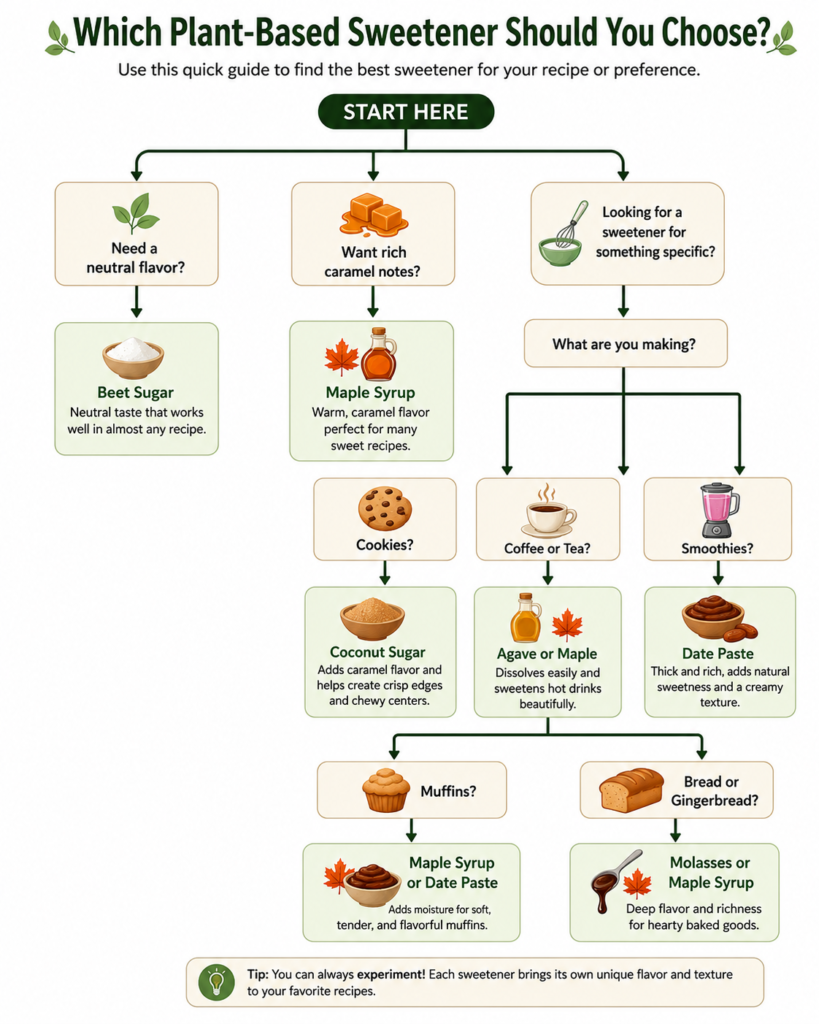
The best plant-based sweetener depends on what you’re making.
Some sweeteners add moisture, others create crisp edges, and some bring bold flavors that can completely change the finished dish.
Use this guide as a starting point, then adjust based on your personal taste and the recipe you’re preparing.
| Recipe | Best Sweeteners | Why They Work Well |
|---|---|---|
| Cakes | Maple syrup, beet sugar, coconut sugar | Create soft, tender cakes with balanced sweetness. |
| Cookies | Coconut sugar, beet sugar, maple syrup | Help develop great texture and rich flavor. |
| Muffins | Maple syrup, date syrup, coconut sugar | Keep muffins moist while adding natural sweetness. |
| Brownies | Coconut sugar, maple syrup, date paste | Enhance chocolate flavor and create a fudgy texture. |
| Bread | Molasses, maple syrup, beet sugar | Add flavor, color, and help create a soft crumb. |
| Pancakes | Maple syrup, date syrup | Blend easily into batter and make delicious toppings. |
| Waffles | Maple syrup, coconut sugar | Add warmth, sweetness, and promote even browning. |
| Oatmeal | Maple syrup, date syrup, date paste | Stir in easily and pair well with fruit and nuts. |
| Smoothies | Date paste, date syrup, agave nectar | Sweeten naturally while blending smoothly. |
| Coffee & Tea | Maple syrup, agave nectar | Dissolve quickly without leaving a grainy texture. |
| Homemade Sauces | Maple syrup, molasses, date syrup | Add sweetness along with depth of flavor. |
| Salad Dressings | Maple syrup, agave nectar | Mix easily with oil and vinegar for smooth dressings. |
Cakes
Maple syrup gives cakes a soft, moist crumb with a gentle caramel flavor, while beet sugar delivers a classic texture that works in almost any recipe.
Coconut sugar is another excellent choice when you want a richer, slightly caramel-like taste in spice cakes, chocolate cakes, or banana cakes.
Cookies
For chewy cookies with plenty of flavor, coconut sugar is hard to beat.
Beet sugar is perfect when you want a more traditional cookie, while maple syrup works well in softer cookies where extra moisture is welcome.
If you’re experimenting, start by replacing only part of the sugar so you can see how the texture changes.
Muffins
Maple syrup, date syrup, and coconut sugar all work beautifully in muffins.
They create a moist texture and pair especially well with ingredients like berries, apples, bananas, carrots, and warm spices.
Brownies
Chocolate loves rich sweeteners. Coconut sugar brings out deep cocoa flavors, maple syrup creates extra fudginess, and date paste adds moisture while blending naturally into dense brownie batter.
Bread
Quick breads like banana bread or pumpkin bread benefit from maple syrup or coconut sugar, while molasses shines in darker loaves such as gingerbread and spice bread.
Beet sugar remains the best all-purpose option when you want a neutral sweetness.
Pancakes
Maple syrup is a natural favorite because it can be mixed into the batter and poured over the finished pancakes.
Date syrup is another delicious option, adding a richer flavor that pairs wonderfully with fruit, nuts, and cinnamon.
Waffles
Waffles become beautifully golden with maple syrup or coconut sugar.
Coconut sugar adds a subtle caramel flavor that complements crispy edges, while maple syrup keeps the inside tender.
Oatmeal
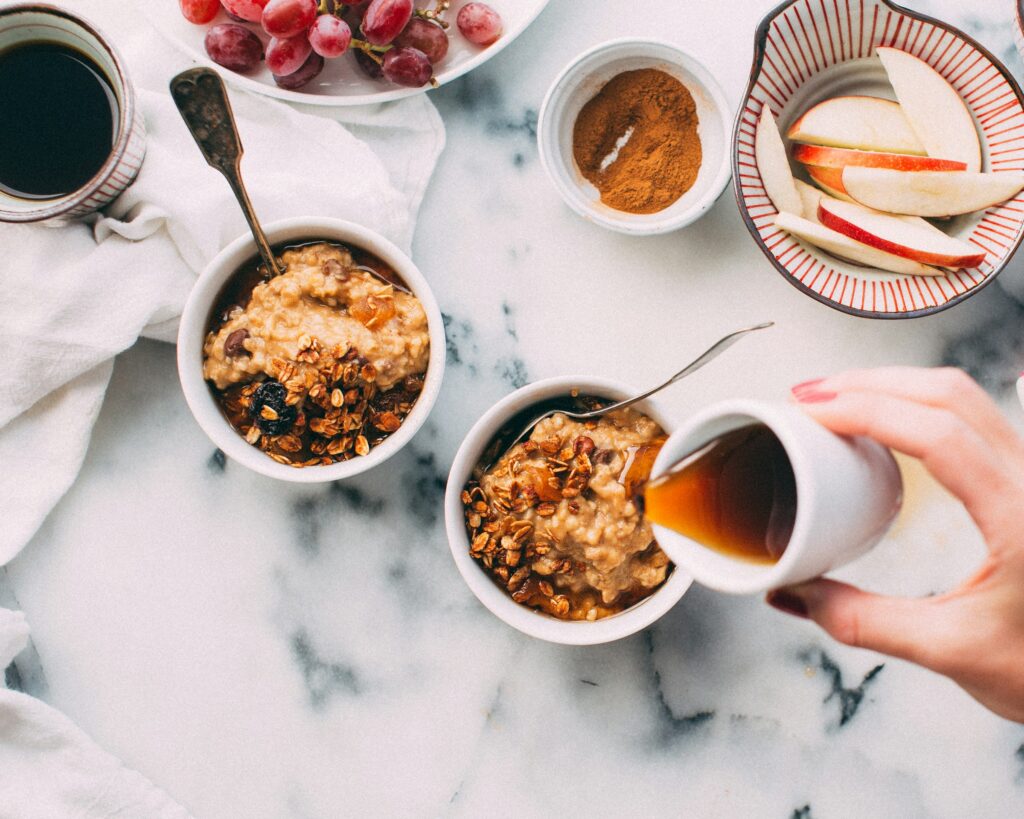
Maple syrup, date syrup, and date paste all stir easily into warm oatmeal.
They pair well with fresh fruit, toasted nuts, seeds, cinnamon, vanilla, and a spoonful of nut butter for a comforting breakfast.
Smoothies
Date paste is one of the easiest ways to sweeten smoothies because it blends into a creamy consistency.
Date syrup and agave nectar also work well when you want sweetness without adding any crunchy texture.
Coffee and Tea
Liquid sweeteners are usually the easiest choice for hot drinks.
Maple syrup adds a warm, slightly caramel flavor that pairs especially well with coffee, while agave nectar has a mild taste that lets the flavor of your coffee or tea remain the star.
Homemade Sauces
Maple syrup, molasses, and date syrup all add more than sweetness to sauces.
They bring depth, richness, and balance to barbecue sauce, glazes, stir-fry sauces, and marinades while blending smoothly with other ingredients.
Salad Dressings
Maple syrup and agave nectar mix effortlessly with olive oil, vinegar, citrus juice, and herbs.
Their smooth consistency helps create balanced dressings that complement everything from leafy green salads to roasted vegetables without overpowering the other flavors.
Sweetener Conversion Guide
Switching from one sweetener to another is often easier than it seems, but it’s important to remember that not all sweeteners behave the same way.
Dry sweeteners mainly add sweetness and structure, while liquid sweeteners also contribute moisture and can change the texture of the finished recipe.
Use the guide below as a starting point, then make small adjustments as needed based on your batter or dough.
| Original Sweetener | Plant-Based Substitute | Suggested Starting Ratio | Helpful Notes |
|---|---|---|---|
| White sugar | Coconut sugar | 1:1 | An easy swap with a slightly richer caramel flavor. |
| White sugar | Maple syrup | About ¾ cup maple syrup for every 1 cup sugar | Reduce another liquid ingredient slightly to keep the batter balanced. |
| White sugar | Agave nectar | About ⅔ cup agave for every 1 cup sugar | Because agave is sweeter than sugar, you can usually use less. Reduce other liquids slightly if needed. |
| Honey | Maple syrup | 1:1 | Provides similar moisture with a richer, more complex flavor. |
| Honey | Agave nectar | 1:1 | Offers a milder taste that works well in drinks, dressings, and desserts. |
| Molasses | Date syrup | 1:1 | The texture is similar, but the flavor becomes fruitier and less smoky. |
Tips for Successful Sweetener Swaps
- Start small when trying a new sweetener. If you’re making a favorite recipe for the first time with a substitute, test it before making larger changes.
- Expect flavor differences. Coconut sugar adds caramel notes, maple syrup brings warmth, and date syrup contributes a rich fruit flavor, so the finished recipe may taste slightly different even when the sweetness is similar.
- Adjust liquid ingredients when needed. Maple syrup, agave nectar, and other liquid sweeteners add moisture, so reducing another liquid ingredient by a small amount often helps maintain the right batter consistency.
- Watch your baking time. Recipes made with liquid sweeteners may brown a little faster, so begin checking for doneness a few minutes before the suggested baking time.
- Trust the texture of the batter. If it seems slightly thicker or thinner than usual, don’t panic. Small adjustments with flour or liquid can often bring it back to the consistency you’re looking for.
| Sweetener | Relative Sweetness |
|---|---|
| Beet Sugar | Similar to sugar |
| Maple Syrup | Slightly less sweet |
| Coconut Sugar | Slightly less sweet |
| Agave | Sweeter than sugar |
| Molasses | Less sweet |
| Date Syrup | Mild sweetness |
| Date Paste | Mild sweetness |
Before You Start Baking
- Read the recipe first so you know which ingredients may need adjusting when swapping sweeteners.
- Measure sweeteners accurately using the correct measuring cups for dry and liquid ingredients.
- Change one ingredient at a time so it’s easier to see how each sweetener affects the final result.
- Mix liquid sweeteners thoroughly before adding dry ingredients to ensure even sweetness throughout the batter.
- Bake a small test batch when trying a new sweetener, especially for cookies or muffins, so you can make adjustments before baking the full recipe.
How Sweeteners Affect Baking
Moisture
Some sweeteners naturally add more moisture than others.
Liquid sweeteners like maple syrup, agave nectar, and date syrup create softer cakes, tender muffins, and chewy cookies because they add extra liquid to the batter.
Dry sweeteners such as beet sugar and coconut sugar contribute very little moisture, helping recipes hold their intended consistency.
If you’re replacing a dry sweetener with a liquid one, reducing another liquid ingredient slightly will usually give you better results.
Browning
Sweeteners help baked goods develop their beautiful golden color in the oven.
Liquid sweeteners often encourage faster browning, giving cakes, muffins, and breads a deeper color and richer appearance.
Sweeteners with naturally darker colors, such as maple syrup, coconut sugar, and molasses, can also make baked goods look darker even when they’re perfectly baked, so it’s a good idea to rely on a toothpick test instead of color alone.
Texture
The type of sweetener you choose has a noticeable effect on texture.
Maple syrup and date syrup create soft, moist baked goods, while coconut sugar can produce slightly denser results with a pleasant caramel flavor.
Beet sugar creates the light, tender texture that many traditional baking recipes are designed around.
Matching the sweetener to the texture you want is one of the easiest ways to improve your baking.
Spread
Sweeteners play a big role in how cookies spread while baking.
Recipes made with liquid sweeteners often spread a little more because of their added moisture, creating thinner, softer cookies.
Dry sweeteners usually help cookies keep their shape, making them thicker with slightly firmer edges.
If your cookie dough feels too soft after using a liquid sweetener, chilling it for 20 to 30 minutes before baking can help control spreading.
Rise
Sweeteners also influence how well baked goods rise.
Dry sweeteners help create structure that supports cakes, muffins, and quick breads as they bake.
Liquid sweeteners can make batters slightly heavier, so replacing all of the dry sugar with syrup may result in a denser finished product.
Using the right amount and making small adjustments to the liquids helps baked goods rise more evenly.
Flavor
Every plant-based sweetener brings its own personality to a recipe.
Maple syrup adds warm caramel notes, coconut sugar contributes a light toffee flavor, date syrup offers fruity richness, and molasses delivers a deep, bold taste.
Beet sugar has a clean, neutral sweetness, making it the best choice when you want the other ingredients, like vanilla, chocolate, berries, or spices, to stand out.
Shelf Life
The sweetener you choose can also affect how long baked goods stay fresh. Recipes made with liquid sweeteners often remain soft for an extra day or two because they help retain moisture.
Baked goods made with dry sweeteners may become firm a little sooner, although storing them in an airtight container will help preserve their texture.
Common Baking Goals → Best Sweetener
If you’re not sure which sweetener to use, start by thinking about the result you want.
This quick guide matches common baking goals with the plant-based sweetener that’s most likely to help you achieve them.
| If You Want… | Best Sweetener | Why It Works |
|---|---|---|
| Soft cookies | Maple syrup | Adds moisture for a softer, chewier texture. |
| Crispy cookies | Coconut sugar | Helps create crisp edges and a rich caramel flavor. |
| Moist muffins | Date syrup | Adds natural sweetness while keeping muffins soft and tender. |
| Light-colored cake | Beet sugar | Provides sweetness without darkening the batter. |
| Rich caramel flavor | Coconut sugar | Naturally contributes warm, toffee-like notes. |
| Neutral sweetness | Beet sugar | Lets ingredients like vanilla, fruit, and chocolate stand out. |
| Chewy brownies | Maple syrup | Helps create a moist, fudgy texture. |
| Golden quick breads | Maple syrup | Encourages beautiful browning and adds subtle depth of flavor. |
| Smooth frostings | Beet sugar | Dissolves well and maintains a light color and clean flavor. |
| Soft breakfast bars | Date paste | Adds moisture while helping bind the ingredients together. |
Use this table as a starting point rather than a strict rule.
Every recipe is a little different, but choosing a sweetener based on the texture and flavor you want will usually give you the best results.
Choosing the Right Sweetener
With so many plant-based sweeteners available, it’s easy to wonder which one belongs in your pantry.
The good news is that you don’t need a shelf full of options to make delicious recipes.
| What to Consider | Best Choice | Why It Matters |
|---|---|---|
| Desired flavor | Maple syrup, coconut sugar, beet sugar, date syrup | Every sweetener adds its own flavor to a recipe. |
| Moisture level | Maple syrup, agave, date syrup | Liquid sweeteners create softer, moister baked goods. |
| Texture | Beet sugar, coconut sugar | Dry sweeteners provide better structure and crispness. |
| Color | Beet sugar for lighter recipes, maple syrup or molasses for darker recipes | Sweeteners can affect the final appearance of baked goods. |
| Budget | Beet sugar, coconut sugar | Some sweeteners are more affordable for everyday use. |
| Availability | Choose what’s easy to find locally | A readily available sweetener is easier to keep stocked. |
| Recipe type | Match the sweetener to the recipe | Different recipes benefit from different textures and flavors. |
Desired Flavor
Flavor is often the best place to start. If you want a clean, neutral sweetness that lets ingredients like vanilla, berries, or chocolate shine, beet sugar is an excellent choice.
For recipes that benefit from warm caramel notes, maple syrup and coconut sugar are wonderful options.
If you’re making oatmeal, smoothies, or snack bars, date syrup adds a naturally rich fruit flavor that blends beautifully with nuts and spices.
Moisture Level
Think about how moist you want the finished recipe to be.
Liquid sweeteners such as maple syrup, agave nectar, and date syrup add extra moisture, making them perfect for soft cakes, muffins, quick breads, and pancakes.
If you’re after a firmer dough or crispier baked treat, a dry sweetener is usually the better fit.
Texture
Texture can completely change the eating experience.
Beet sugar helps produce light cakes and crisp cookies, while coconut sugar creates slightly denser baked goods with a pleasant chew.
Liquid sweeteners often make desserts softer and more tender, so choosing one depends on the result you’re hoping to achieve.
Color
Sweeteners can also change the appearance of your baking.
Beet sugar keeps cakes and frostings light in color, making it a great choice for vanilla cakes or delicate desserts.
Maple syrup, coconut sugar, date syrup, and especially molasses create a deeper golden or brown color that works beautifully in spice cakes, chocolate desserts, gingerbread, and rustic baked goods.
Budget
Some sweeteners cost more than others, so it’s worth thinking about how often you’ll use them.
Beet sugar and coconut sugar are practical choices for everyday baking, while maple syrup and specialty sweeteners may be better reserved for recipes where their unique flavor really stands out.
Availability
The best sweetener is often one you can easily replace when it runs out.
Stocking a few versatile options that are readily available at your local grocery store makes everyday cooking much more convenient and keeps you from having to search for specialty ingredients at the last minute.
Recipe Type
Finally, let the recipe guide your decision. Maple syrup is a natural choice for pancakes, waffles, and oatmeal, while coconut sugar shines in cookies and brownies.
Beet sugar works well in almost any traditional baking recipe, and date syrup is excellent for smoothies, breakfast bowls, and homemade sauces.
Matching the sweetener to the recipe is one of the easiest ways to achieve consistent, delicious results.
If you’re building your pantry from scratch, start with three versatile staples: beet sugar, maple syrup, and coconut sugar.
Together, they cover most everyday cooking and baking, giving you the flexibility to make everything from cookies and cakes to dressings, sauces, pancakes, and warm bowls of oatmeal with confidence.
First-Time Pantry Checklist
If you’re just getting started with plant-based sweeteners, you don’t need to buy every option. Begin with these three versatile staples:
✓ Beet sugar – A neutral, everyday sweetener that’s ideal for cakes, cookies, muffins, and most traditional baking recipes.
✓ Maple syrup – Perfect for pancakes, waffles, oatmeal, drinks, sauces, and adding moisture to baked goods.
✓ Coconut sugar – A great choice for cookies, brownies, and recipes where a light caramel flavor is welcome.
Storage Tips for Plant-Based Sweeteners
Storing your plant-based sweeteners properly helps preserve their flavor, texture, and quality for as long as possible.
Most sweeteners don’t require complicated storage methods, but protecting them from excess moisture, heat, and air can make a noticeable difference.
A well-organized pantry also makes it easier to find the right sweetener whenever you’re ready to cook or bake.
Liquid Sweeteners
Proper Containers
Most liquid sweeteners, including maple syrup, agave nectar, date syrup, and molasses, are best stored in their original tightly sealed bottles.
If you transfer them to another container, choose a clean glass jar or food-safe airtight container with a secure lid. This helps prevent contamination while keeping the sweetener fresh.
Preventing Crystallization
Some liquid sweeteners may naturally develop sugar crystals over time, especially if they’re exposed to air or temperature changes.
Keeping the lid tightly closed and storing the container in a cool, consistent environment helps reduce the chance of crystallization.
If a few crystals appear, they usually don’t affect the quality or usability of the sweetener.
Shelf Storage
Before opening, many liquid sweeteners can be stored in a cool, dry pantry away from direct sunlight and heat sources.
Once opened, always check the manufacturer’s storage recommendations on the label.
Keeping bottles clean and wiping away sticky residue after each use helps prevent messes and makes containers easier to open the next time you need them.
Dry Sweeteners
Airtight Containers
Dry sweeteners such as coconut sugar and beet sugar stay freshest when stored in airtight containers.
Keeping air exposure to a minimum helps prevent clumping and protects the sweetener from absorbing unwanted odors from other pantry items.
Keeping Moisture Out
Moisture is one of the biggest enemies of dry sweeteners.
Always use a clean, dry measuring cup or spoon, and avoid returning unused sweetener that has come into contact with wet ingredients back into the storage container.
Even a small amount of moisture can cause clumps to form over time.
Pantry Organization
Store your dry sweeteners together in a cool, dry pantry where they’re easy to see and access.
Clear containers or labeled jars make it simple to identify each sweetener at a glance, while grouping similar ingredients together can save time when baking.
Keeping sweeteners away from the stove, dishwasher, or other sources of heat and steam also helps maintain their quality.
General Storage Tips
- Keep lids tightly closed after every use.
- Store sweeteners away from direct sunlight and excessive heat.
- Use clean, dry utensils to prevent contamination.
- Label containers if you’ve transferred sweeteners from their original packaging.
- Check containers occasionally for clumping, leaks, or signs of moisture before using.
Signs Your Sweetener Has Gone Bad
Most plant-based sweeteners have a long shelf life when stored properly, but it’s still a good idea to check them before using them in your recipes.
Discard your sweetener if you notice:
- Mold: Any visible mold means the sweetener should be thrown away immediately.
- Fermented or sour smell: A sour or alcoholic odor is a sign that the sweetener has spoiled.
- Unusual discoloration: Significant changes in color that weren’t present when you opened the container may indicate deterioration.
- Leaking or damaged packaging: A broken seal or damaged container can allow moisture and contaminants to enter.
- Off flavor: If the sweetener tastes noticeably different or unpleasant, it’s best to replace it.
Good to know: A few sugar crystals in maple syrup or other liquid sweeteners are usually harmless and don’t necessarily mean the product has gone bad.
Common Mistakes When Using Plant-Based Sweeteners
Even experienced home bakers occasionally run into problems when experimenting with new sweeteners.
Fortunately, most issues are easy to avoid once you know what to look for.
- Swapping liquid and dry sweeteners without adjusting the recipe: Liquid sweeteners add moisture, so you’ll often need to reduce another liquid ingredient to maintain the proper batter or dough consistency.
- Choosing strong-flavored sweeteners for delicate desserts: Bold sweeteners like molasses or dark maple syrup can overpower light-flavored desserts such as vanilla cakes, sugar cookies, or delicate pastries.
- Over-sweetening recipes: Some sweeteners, such as agave nectar, taste sweeter than regular sugar, so using the same amount can make the finished recipe overly sweet.
- Ignoring moisture differences: Different sweeteners affect the texture of baked goods, and overlooking these differences can result in desserts that are too dry, too dense, or too soft.
- Not measuring sticky syrups accurately: Thick sweeteners like maple syrup, molasses, and date syrup can cling to measuring cups, so using liquid measuring cups or lightly coating utensils with oil can improve accuracy.
- Storing sweeteners improperly: Exposure to air, heat, or moisture can cause dry sweeteners to clump and may reduce the quality of liquid sweeteners over time, so always store them in tightly sealed containers.
| Problem | Quick Fix |
|---|---|
| Batter too thin | Reduce liquid next time |
| Cookies spread too much | Chill dough before baking |
| Dessert too sweet | Use less sweetener next batch |
| Cake too dense | Avoid replacing all sugar with syrup |
| Strong maple flavor | Use beet sugar instead |
Plant-Based Sweetener Pairing Guide
While there’s plenty of room to experiment, the combinations below are excellent starting points for everyday cooking and baking.
| Recipe Type | Recommended Sweetener | Why It Works |
|---|---|---|
| Chocolate Desserts | Coconut sugar, maple syrup | Their warm caramel notes enhance the richness of chocolate without overpowering it. |
| Fruit Desserts | Agave nectar, date syrup | Their mild, fruity sweetness lets fresh fruit remain the star of the dessert. |
| Cookies | Coconut sugar | Creates a delicious caramel flavor while helping cookies develop crisp edges and chewy centers. |
| Muffins | Maple syrup, date paste | Both add moisture, resulting in soft, tender muffins with plenty of flavor. |
| Bread | Molasses, maple syrup | These sweeteners deepen the flavor and contribute to a beautifully browned crust. |
| Coffee | Maple syrup, agave nectar | Both dissolve easily in hot drinks, with maple adding richness and agave providing a milder sweetness. |
| Tea | Agave nectar, maple syrup | Agave blends smoothly without changing the tea’s flavor too much, while maple adds subtle warmth to stronger teas. |
| Oatmeal | Date syrup, maple syrup | They mix effortlessly into warm oats and pair beautifully with fruit, nuts, and spices. |
| Smoothies | Date paste, agave nectar | Date paste adds natural sweetness and body, while agave blends in smoothly without affecting the texture. |
Remember, these pairings are simply helpful guidelines rather than strict rules.
As you become more familiar with each plant-based sweetener, you’ll discover your own favorite combinations based on the flavors and textures you enjoy most.
Kitchen Tips: Simple Tricks for Better Results
- Lightly oil measuring cups before using sticky syrups to help maple syrup, agave, and molasses slide out cleanly with less waste.
- Mix liquid sweeteners thoroughly before adding dry ingredients so the sweetness is evenly distributed throughout the batter or dough.
- Taste as you go when making sauces, drinks, or dressings since it’s much easier to add more sweetener than to fix an overly sweet recipe.
- Start with a little less sweetener than you think you need because you can always stir in more, but you can’t easily remove excess sweetness.
- Label opened syrup bottles with the date to help you keep track of freshness and know when it’s time to replace them.
Final Thoughts
There isn’t one perfect plant-based sweetener for every recipe, and that’s part of the fun.
Each one brings something different to the table, whether it’s a rich caramel flavor, extra moisture, or a lighter, more neutral sweetness.
Start with one or two sweeteners that fit the kinds of recipes you make most often, then experiment as you grow more confident.
The more you understand how each sweetener behaves in cooking and baking, the easier it becomes to make successful substitutions and create delicious plant-based dishes you’ll want to make again and again.
FAQs
Are all plant-based sweeteners vegan?
Most are, but not all. Some cane sugars may be processed using bone char, so look for beet sugar, organic cane sugar, or products labeled vegan if this is important to you.
Which sweetener tastes most like white sugar?
Beet sugar has the cleanest, most neutral flavor and is the closest match to traditional white sugar in both taste and baking performance.
Can I substitute maple syrup for sugar in baking?
Yes. Maple syrup can replace sugar in many recipes, but you’ll usually need to reduce some of the other liquid ingredients since maple syrup adds extra moisture.
What’s the difference between date syrup and date paste?
Date syrup is smooth and pourable, making it great for drinks and sauces, while date paste is thicker and works well in smoothies, muffins, and energy bites.
Do liquid sweeteners make baked goods softer?
Yes. Liquid sweeteners like maple syrup, agave nectar, and date syrup generally produce softer, moister cakes, muffins, and quick breads.
Which sweetener works best in coffee?
Maple syrup and agave nectar are both excellent choices because they dissolve easily in hot coffee. Maple adds a richer flavor, while agave has a milder taste.
Can I mix different plant-based sweeteners?
Absolutely. Combining sweeteners can create a balanced flavor and texture, such as using maple syrup with coconut sugar in baked goods.
Which sweeteners are best for beginners?
Beet sugar, maple syrup, and coconut sugar are great starting points. They’re versatile, easy to find, and work well in a wide variety of everyday recipes.
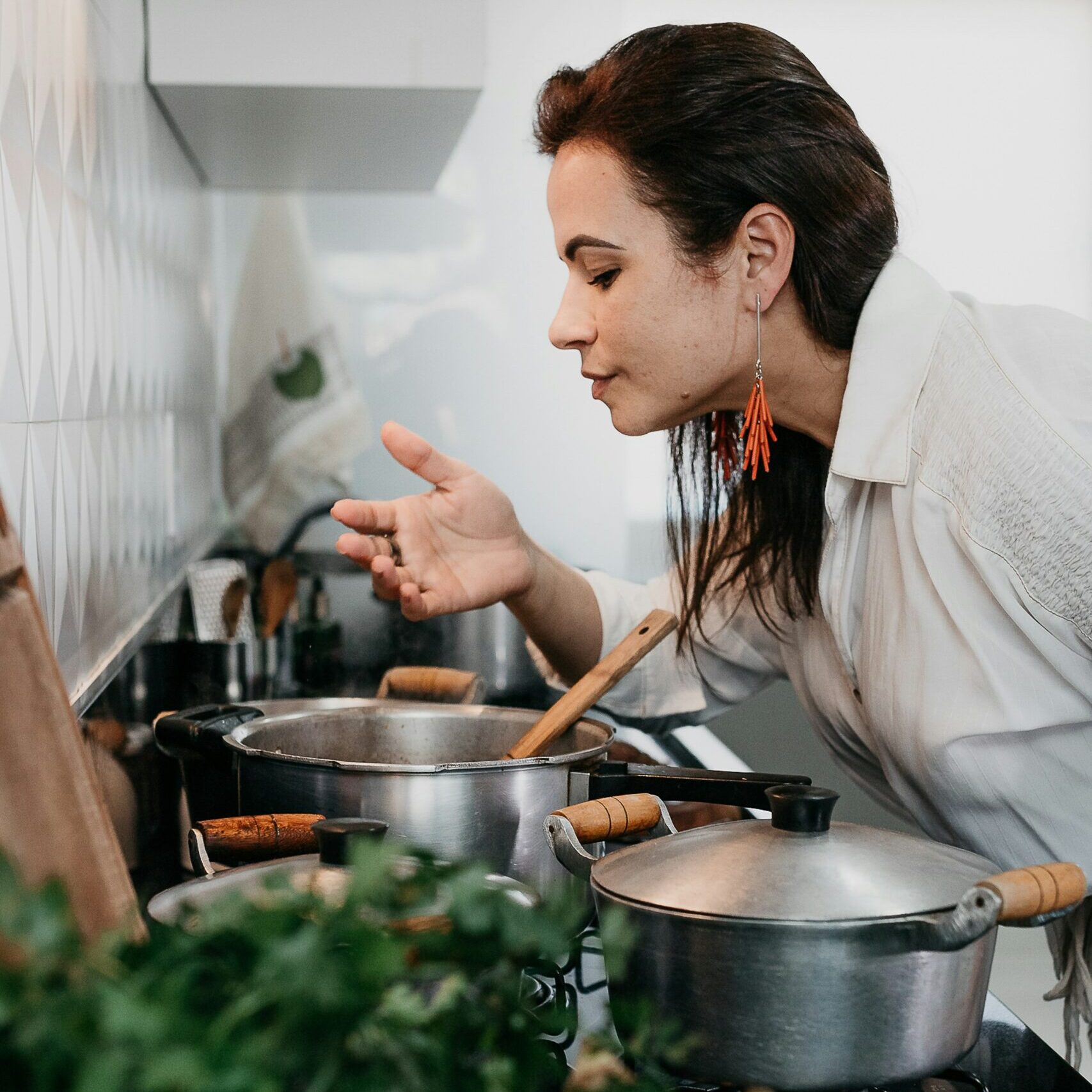
Hi, I’m Daisy Roots, the home cook and recipe developer behind this kitchen. I create simple, tested vegan recipes using everyday ingredients. Every dish is developed and cooked in my own kitchen, with clear steps to help you get reliable results every time. Thanks for stopping by — let’s cook something great!