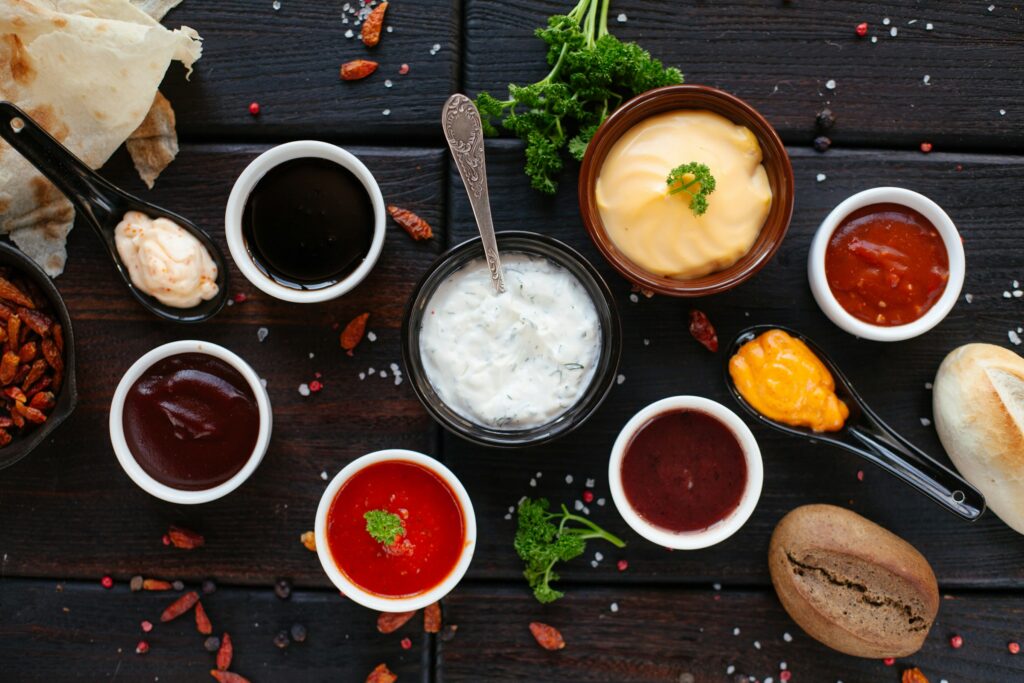
A great sauce should be smooth, rich, and cling to your food instead of running off the plate. The right consistency makes every bite more satisfying and helps bring all the flavors together.
Vegan sauces can sometimes turn out thinner than expected because they don’t rely on ingredients like dairy, eggs, or gelatin for thickness.
The good news is that getting the texture just right is easier than you might think.
In this guide, you’ll learn simple ways to thicken vegan sauces using everyday pantry staples and whole-food ingredients.
We’ll also cover when each method works best, common mistakes to avoid, and easy fixes if your sauce doesn’t turn out quite as planned.
By the end, you’ll have the confidence to make creamy, silky vegan sauces for everything from pasta and curries to gravies and stir-fries.
At a Glance
| Topic | Quick Answer |
|---|---|
| Difficulty | Easy |
| Best Method | Depends on the type of sauce you’re making |
| Quickest Thickener | Cornstarch slurry |
| Most Natural Thickener | Pureed vegetables |
| Best for Creamy Sauces | Cashew cream or blended silken tofu |
| Gluten-Free Options | Cornstarch, arrowroot powder, tapioca starch |
| Nut-Free Options | Oat flour, white beans, potatoes |
| Beginner Friendly | Yes |
Why Vegan Sauces Sometimes Stay Thin
If you’ve ever wondered why a vegan sauce isn’t as thick or creamy as you expected, you’re not alone.
Plant-based sauces often behave differently from traditional recipes because they use different ingredients.
Understanding the cause makes it much easier to choose the right solution.
Here are some of the most common reasons vegan sauces stay thin:
- No dairy proteins: Dairy products like cream and cheese naturally add body and richness to sauces. Since vegan recipes leave these out, they often need another ingredient to create the same texture.
- No egg yolks: Egg yolks act as a natural thickener in many classic sauces. Vegan sauces rely on plant-based alternatives instead.
- Higher water content: Ingredients like vegetable broth, plant milk, tomatoes, and vegetables can add more liquid than expected, making the sauce thinner.
- Different starch behavior: Plant-based starches such as cornstarch, arrowroot, and tapioca each thicken differently. Using the wrong one or cooking it incorrectly can affect the final consistency.
- Low-fat ingredients: Many vegan recipes use lighter ingredients that don’t provide the same creamy mouthfeel as butter or heavy cream, resulting in a thinner sauce.
- Too much added liquid: Adding extra broth, plant milk, or pasta water without adjusting the thickener can leave your sauce runny.
Understanding the Different Types of Vegan Sauce Thickeners
Not every thickener works the same, and choosing the right one can make a big difference in the texture of your sauce.
Some create a smooth, glossy finish, while others add creaminess or a little extra body.
The best choice depends on the type of sauce you’re making and the ingredients you’re already using.
Starch-Based Thickeners
Starch-based thickeners are some of the quickest and easiest ways to thicken a sauce.
They work by absorbing liquid and swelling as they heat, creating a smooth consistency with very little added flavor.
Common starch-based thickeners include:
- Cornstarch
- Arrowroot powder
- Tapioca starch
- Potato starch
Best for:
- Gravies
- Stir-fry sauces
- Asian-inspired sauces
These thickeners are usually mixed with a small amount of cold water to make a slurry before being stirred into a hot sauce.
This helps prevent lumps and creates an even texture.
Flour-Based Thickeners
Flours take a little longer to cook than starches, but they create hearty, rich sauces with a more traditional texture.
They’re often used to make a roux by cooking the flour with oil or vegan butter before gradually adding liquid.
Common flour-based thickeners include:
- All-purpose flour
- Whole wheat flour
- Chickpea flour
- Oat flour
- Rice flour
Best for:
- Cream sauces
- Roux-based sauces
- Soups
Different flours produce slightly different results.
For example, chickpea flour adds a subtle nutty flavor, while oat flour creates a smooth, creamy texture.
Whole Food Thickeners
If you prefer to thicken sauces with simple, minimally processed ingredients, whole foods are an excellent choice.
Blending vegetables, beans, or nuts into a sauce naturally adds body while creating a rich, creamy texture.
Popular whole food thickeners include:
- Cashews
- White beans
- Potatoes
- Cauliflower
- Sweet potato
- Pumpkin puree
Best for:
- Vegan Alfredo sauce
- Vegan cheese sauce
- Creamy pasta sauces
These ingredients also add flavor and texture, so they’re ideal when you want the thickener to become part of the finished sauce rather than simply changing its consistency.
Seed and Plant Gel Thickeners
Some seeds and plant fibers naturally absorb water and form a gel-like texture.
While they’re not the best choice for every recipe, they can work well in certain sauces, dressings, and dips.
Common options include:
- Ground flaxseed
- Chia seeds
- Psyllium husk
These ingredients work by soaking up liquid and forming a natural gel, which helps thicken mixtures without cooking for long periods.
Best applications:
- Salad dressings
- Dips and spreads
- Cold sauces
- Smoothies
- Sauces that benefit from extra body and fiber
Because these thickeners continue absorbing liquid over time, it’s best to add them gradually and let the sauce sit for a few minutes before deciding if it needs more.
Method 1: Reduce the Sauce by Simmering
One of the easiest ways to thicken a vegan sauce is to simply let it simmer.
As the sauce cooks, some of the water naturally evaporates, leaving behind a richer, thicker consistency.
Because no extra ingredients are needed, this method also keeps the original flavor of the sauce intact.
Reducing a sauce works best when it’s only slightly too thin or when you want to deepen its flavor at the same time.
It’s especially useful for sauces that already contain vegetables, herbs, spices, or tomatoes, as the flavors become more concentrated as the liquid cooks away.
Most sauces take 10 to 30 minutes to reduce, depending on how much liquid they contain and how thick you want the final result.
A wide pan can help speed up the process because it exposes more of the sauce to the air, allowing moisture to evaporate more quickly.
Tips for Successful Reduction
- Stir occasionally to keep the sauce cooking evenly and prevent it from sticking to the bottom of the pan.
- Avoid high heat. A gentle simmer is all you need. Boiling too hard can cause sauces to burn or reduce too quickly.
- Watch for scorching, especially with thicker sauces. If the sauce begins sticking to the pan, lower the heat and stir more often.
Kitchen Tip: Remember that many sauces continue to thicken slightly as they cool, so it’s often best to remove the pan from the heat just before the sauce reaches your ideal consistency.
Best for Reducing
This simple technique works especially well for:
- Tomato sauce
- Curry
- Mushroom sauce
Method 2: Use a Cornstarch Slurry
A cornstarch slurry is one of the fastest and most reliable ways to thicken a vegan sauce.
It works in just a few minutes and doesn’t noticeably change the flavor, making it a great option for everything from gravies to stir-fry sauces.
A slurry is simply a mixture of cornstarch and cold water that’s stirred together before being added to a hot sauce.
Mixing the cornstarch with water first helps it dissolve evenly, preventing lumps from forming.
The Right Slurry Ratio
For most recipes, use the following ratio:
- 1 tablespoon cornstarch
- 1 tablespoon cold water
Whisk the two together until completely smooth before adding the mixture to your sauce.
Why Cold Water Matters
Cornstarch begins to thicken as soon as it comes into contact with heat.
If you mix it directly into a hot sauce, it can clump together instead of dissolving evenly.
Using cold water gives the cornstarch time to fully disperse, so it blends smoothly into the sauce once it’s added to the pan.
How to Use a Cornstarch Slurry
- Measure equal parts cornstarch and cold water into a small bowl.
- Whisk until the mixture is smooth with no visible lumps.
- Bring your sauce to a gentle simmer.
- Slowly pour in the slurry while stirring constantly.
- Continue cooking for 1 to 2 minutes, stirring frequently, until the sauce thickens.
- If the sauce is still thinner than you’d like, make a fresh slurry and add a little more rather than adding dry cornstarch directly.
Kitchen Tip: Give the slurry a quick stir just before pouring it into the sauce, as the cornstarch can settle at the bottom of the bowl after sitting for a minute.
Common Mistakes to Avoid
- Adding dry cornstarch directly to the sauce, which can create stubborn lumps.
- Using warm or hot water instead of cold water when making the slurry.
- Adding too much slurry at once, which can make the sauce overly thick or slightly gummy.
- Not cooking long enough after adding the slurry. Cornstarch needs a minute or two of gentle simmering to reach its full thickening power.
- Boiling vigorously for too long, which can sometimes cause the sauce to lose some of its smooth texture.
Best Uses
A cornstarch slurry works especially well for:
- Vegan gravy
- Stir-fry sauces
- Asian-inspired sauces
- Sweet and sour sauce
- Teriyaki sauce
- Vegetable-based pan sauces
Because it creates a smooth, glossy finish with very little flavor of its own, cornstarch is one of the most versatile thickeners to keep in your pantry.
Method 3: Try Arrowroot Powder
Arrowroot powder is an excellent alternative to cornstarch if you’re looking for a smooth, glossy finish.
Made from the roots of tropical plants, it thickens sauces quickly without affecting their flavor, making it a favorite for delicate recipes where you want the ingredients to shine.
Benefits of Arrowroot Powder
Arrowroot offers several advantages:
- Creates a clear, glossy finish that’s perfect for sauces where appearance matters.
- Naturally gluten-free, making it a great option for gluten-free cooking.
- Has a neutral taste, so it won’t compete with the flavors of your herbs, spices, or vegetables.
Like cornstarch, arrowroot is typically mixed with a little cold water to create a slurry before being stirred into the sauce.
Tips for the Best Results
Arrowroot behaves a little differently than other starches, so a few simple techniques will help you get the best texture.
- Add it near the end of cooking. Once the sauce is almost finished, stir in the arrowroot slurry and cook just until the sauce thickens.
- Avoid prolonged boiling. Cooking arrowroot over high heat or boiling it for too long can cause the sauce to become thinner again.
Kitchen Tip: Remove the pan from the heat soon after the sauce reaches your desired consistency. This helps preserve the smooth, silky texture that arrowroot is known for.
Best Recipes for Arrowroot Powder
Arrowroot works especially well in recipes where you want a light, smooth sauce without changing the flavor or color.
It’s a great choice for:
- Vegan gravy
- Stir-fry sauces
- Sweet and sour sauce
- Teriyaki sauce
- Fruit sauces and glazes
- Lemon or orange-based sauces
- Light vegetable pan sauces
Because it produces a glossy finish and thickens quickly, arrowroot is a great pantry staple whenever you want an elegant-looking sauce with minimal effort.
Method 4: Thicken with Tapioca Starch
Tapioca starch is another popular gluten-free thickener that gives sauces a smooth, silky texture.
It’s made from cassava root and thickens quickly, making it a great choice when you want a sauce with a little extra body.
One thing that sets tapioca starch apart is its slightly elastic consistency.
Unlike cornstarch, which creates a firmer texture, tapioca gives sauces a softer, more flexible feel that works well in certain recipes.
It’s also an excellent option for gravies because it creates a smooth finish without adding any noticeable flavor.
When to Use Tapioca Starch
Tapioca starch works best in sauces where a silky, slightly stretchy texture is an advantage.
It’s a great choice for:
- Vegan gravy
- Brown sauces
- Stir-fry sauces
- BBQ sauce
- Mushroom sauce
- Fruit sauces and pie fillings
For best results, mix tapioca starch with cold water to make a slurry before stirring it into a gently simmering sauce.
Cook for just a minute or two until the sauce reaches your desired consistency.
When Not to Use Tapioca Starch
Although it’s versatile, tapioca starch isn’t the right choice for every recipe.
Consider using a different thickener if you’re making:
- Very delicate cream sauces, where the slight elasticity may be noticeable.
- Sauces that will be boiled for a long time, as extended cooking can reduce its thickening ability.
- Recipes that need a firm, traditional texture, such as a classic roux-based white sauce, where flour usually produces better results.
Kitchen Tip: Start with a small amount of tapioca starch and add more only if needed. A little goes a long way, and using too much can make the sauce thicker and stretchier than expected.
Method 5: Make a Vegan Roux
A vegan roux is one of the best ways to create rich, creamy sauces from scratch.
It’s made by cooking flour with fat before gradually adding liquid, producing a smooth, velvety base that’s perfect for comfort-food recipes.
What You’ll Need
You’ll only need three basic ingredients:
- Vegan butter or olive oil
- All-purpose flour
- Your preferred liquid, such as plant milk or vegetable broth
Vegan butter adds a richer flavor, while olive oil is a great pantry-friendly alternative.
Both work well, so choose whichever suits your recipe.
How to Make a Vegan Roux
Follow these simple steps for a smooth, lump-free sauce:
- Heat the fat. Melt the vegan butter or warm the olive oil in a saucepan over medium heat.
- Add the flour. Whisk in an equal amount of flour until a smooth paste forms.
- Cook the flour. Continue whisking for 1 to 2 minutes to remove the raw flour taste. Don’t let it brown unless you’re making a darker sauce.
- Add the liquid gradually. Slowly pour in a small amount of plant milk or broth while whisking constantly. Once smooth, continue adding the remaining liquid a little at a time.
- Simmer until thickened. Keep stirring as the sauce gently simmers until it reaches your desired consistency.
Tips for a Smooth Roux
- Whisk continuously while adding the liquid to prevent lumps.
- Pour the liquid in slowly instead of all at once.
- Keep the heat at medium or medium-low to avoid scorching the flour.
- If small lumps do form, whisk vigorously until the sauce becomes smooth.
Kitchen Tip: If your sauce seems a little thinner than you’d like, let it simmer for a few extra minutes. Roux-based sauces naturally thicken as they cook and will become even thicker as they cool.
Best Recipes for a Vegan Roux
A vegan roux is the perfect base for rich, creamy dishes, including:
- Vegan mac and cheese
- Cream sauces
- White sauces
- Béchamel-style sauces
- Creamy vegetable soups
- Vegan gravy
Because it creates a smooth, stable texture and a rich mouthfeel, a vegan roux remains one of the most dependable methods for thickening creamy plant-based sauces.
Method 6: Blend in Cashew Cream
Cashew cream is one of the most popular ways to thicken vegan sauces because it creates a rich, smooth texture without using dairy.
It blends easily into hot sauces and adds a creamy consistency that’s perfect for many comfort-food favorites.
How to Make Cashew Cream
Making cashew cream is simple and only requires two ingredients:
- Raw cashews (soaked)
- Water
To prepare it:
- Soak the cashews in water for 4 to 8 hours, or cover them with boiling water and let them sit for 20 to 30 minutes if you’re short on time.
- Drain and rinse the cashews.
- Add them to a high-speed blender with fresh water.
- Blend until completely smooth and creamy, scraping down the sides as needed.
The result should be silky with no gritty texture.
Why Cashew Cream Works So Well
Cashew cream does more than just thicken a sauce—it also improves its overall texture.
Richness:
Cashews contain natural fats that give sauces a luxurious, full-bodied mouthfeel.
Creaminess:
Once blended, cashews create a silky texture that’s ideal for dairy-free cream sauces.
Protein Content:
Cashews also add a small boost of plant-based protein, making sauces more satisfying while helping create a smooth consistency.
Neutral Flavor:
Although cashews have a mild nutty taste on their own, the flavor becomes very subtle once blended into a seasoned sauce, allowing herbs, spices, and other ingredients to shine.
Kitchen Tip: Blend the cashew cream until it’s completely smooth before adding it to your sauce. Even tiny pieces of cashew can leave a grainy texture if they aren’t fully blended.
Best Recipes for Cashew Cream
Cashew cream is especially well suited for rich, creamy dishes such as:
- Vegan Alfredo sauce
- Vegan mac and cheese
- Vegan cheese sauce
- Creamy pasta sauces
- Mushroom sauce
- Creamy soups
- Dairy-free casseroles
Method 7: Use Silken Tofu
Silken tofu is an easy way to make vegan sauces thick, creamy, and smooth without using dairy.
Because it has a soft, delicate texture, it blends into sauces effortlessly and creates a velvety finish with very little change to the overall flavor.
Why Silken Tofu Works Well
Silken tofu is a favorite for creamy vegan cooking for several reasons.
Smooth Texture:
Its naturally soft consistency blends into a silky sauce without making it heavy or grainy.
Mild Flavor:
Silken tofu has a subtle taste that easily takes on the flavors of garlic, herbs, nutritional yeast, spices, and other seasonings in your recipe.
Protein-Rich Option:
Unlike many starch-based thickeners, silken tofu adds plant-based protein while also creating a rich, creamy texture.
Best Recipes for Silken Tofu
Silken tofu works especially well in recipes that call for a smooth, creamy consistency, including:
- Vegan Alfredo sauce
- Creamy pasta sauces
- Cream soups
- Vegan cheese sauce
- White sauces
- Creamy vegetable sauces
Because it blends so smoothly, it’s an excellent choice whenever you want a sauce that’s rich without relying on nuts or large amounts of oil.
Tips for Blending
For the smoothest results, keep these simple tips in mind:
- Blend the silken tofu on its own before adding it to the sauce, or blend it with some of the sauce until completely smooth.
- Use a high-speed blender or food processor for the creamiest texture.
- Scrape down the sides of the blender to make sure everything is fully incorporated.
- Add the blended tofu toward the end of cooking and heat the sauce gently to avoid overcooking.
- Taste and adjust the seasoning after blending, as the tofu may slightly mellow the flavors.
Kitchen Tip: If your sauce seems too thick after adding silken tofu, stir in a splash of plant milk or vegetable broth until it reaches your preferred consistency.
Method 8: Puree Cooked Vegetables
Pureeing cooked vegetables is one of the simplest and most natural ways to thicken vegan sauces.
Instead of relying on starches or processed thickeners, you use vegetables to create a smooth, creamy texture while adding more depth to the sauce.
This method works especially well for pasta sauces, soups, and gravies where a rich consistency is just as important as great flavor.
Vegetables That Work Well
Many cooked vegetables can be blended into a smooth puree, including:
- Potatoes
- Cauliflower
- Pumpkin
- Carrots
- White beans
Simply cook the vegetables until tender, then blend them with a little of the sauce or cooking liquid until smooth before stirring them back into the pot.
Why Pureed Vegetables Make Great Thickeners
There are several reasons to choose this whole-food method.
Natural Thickening:
Vegetables naturally contain starches and fiber that help create a thicker, creamier sauce without the need for additional thickeners.
Fiber Benefits:
Because the vegetables are blended rather than strained, they add fiber that helps create a satisfying texture and gives sauces more body.
Added Nutrition:
Pureed vegetables bring along vitamins, minerals, and other nutrients while thickening the sauce, making them a simple way to add more vegetables to your meals.
Flavor Changes:
Unlike neutral starches, vegetables become part of the sauce itself. Potatoes and white beans have a mild flavor, while pumpkin, carrots, and cauliflower can subtly change the taste and color. Choose a vegetable that complements the recipe you’re making.
Kitchen Tip: Blend the vegetables until they’re completely smooth before adding them to the sauce. A silky puree creates the creamiest texture and helps the vegetables blend in seamlessly.
Best Recipes for Pureed Vegetables
This thickening method works particularly well in:
- Creamy pasta sauces
- Tomato sauces
- Vegan cheese sauces
- Cream soups
- Curries
- Mushroom sauces
- Vegetable gravies
Method 9: Add Plant-Based Yogurt or Coconut Cream
Plant-based yogurt and coconut cream are easy ways to make vegan sauces thicker while adding a smooth, creamy texture.
Unlike starches, these ingredients become part of the sauce, adding both body and richness.
They work best when you’re making creamy sauces that already pair well with their flavor and texture.
Coconut Cream
Coconut cream is thick, rich, and naturally creamy, making it an excellent choice for sauces that need extra body.
Just stir it into the sauce during the final few minutes of cooking until it’s fully combined.
Because coconut cream has a noticeable coconut flavor, it works best in recipes where that taste complements the other ingredients.
Best recipes:
- Thai curries
- Coconut-based soups
- Peanut sauces
- Creamy vegetable curries
- Tropical-inspired sauces
Unsweetened Vegan Yogurt
Unsweetened vegan yogurt adds a smooth, creamy consistency with a slight tang that can brighten the flavor of a sauce.
Depending on the brand, it may be made from soy, oats, almonds, or coconut, so the texture and flavor can vary slightly.
It’s best stirred in near the end of cooking to help maintain its smooth consistency.
Best recipes:
- Creamy pasta sauces
- Herb sauces
- Garlic sauces
- Stroganoff-style sauces
- Creamy soups
Things to Keep in Mind
Before choosing either ingredient, consider how it may affect your finished sauce.
Flavor Impact:
Coconut cream adds a mild coconut flavor, while vegan yogurt contributes a subtle tanginess. Choose the one that best complements your recipe.
Heat Sensitivity:
Both ingredients are best added over low heat or near the end of cooking. High heat or prolonged boiling can cause vegan yogurt to separate and may affect the texture of coconut cream.
Kitchen Tip: Stir plant-based yogurt or coconut cream into the sauce a little at a time. This makes it easier to control the thickness and helps keep the texture smooth and creamy.
Method 10: Use Nut or Seed Butters
Nut and seed butters are an easy way to thicken vegan sauces while adding a rich, creamy texture.
Because they’re naturally thick, only a small amount is needed to give a sauce more body.
Unlike starch-based thickeners, these ingredients also contribute their own flavor, so it’s important to choose one that complements the recipe you’re making.
Nut and Seed Butters to Try
Some of the best options include:
- Tahini
- Peanut butter
- Almond butter
- Sunflower seed butter
Each one creates a slightly different flavor and texture, giving you plenty of options depending on the dish.
How They Thicken Sauces
Nut and seed butters contain natural fats and finely ground solids that blend smoothly into warm liquids.
As they mix into the sauce, they create a thicker, creamier consistency without the need for flour or starch.
This makes them a great choice when you want both richness and a satisfying texture.
Flavor Changes to Expect
Since these ingredients become part of the sauce, they’ll influence the final flavor.
- Tahini adds a rich, slightly earthy, sesame flavor.
- Peanut butter creates a bold, nutty taste that’s perfect for Asian-inspired dishes.
- Almond butter offers a mild, slightly sweet nuttiness.
- Sunflower seed butter has a gentle, toasted flavor and is a good nut-free alternative.
If you’re trying a new nut or seed butter, start with a small amount and taste as you go.
Best Recipes
Nut and seed butters are especially delicious in sauces where their flavor naturally complements the other ingredients, including:
- Salad dressings
- Satay sauce
- Peanut sauce
- Sesame sauces
- Noodle sauces
- Grain bowl dressings
- Dipping sauces
Kitchen Tip: If the nut or seed butter is very thick, whisk it with a splash of warm water or vegetable broth before adding it to the sauce. This helps it blend smoothly and prevents small lumps from forming.
Method 11: Stir in Nutritional Yeast
Nutritional yeast is a pantry staple in many vegan kitchens, and while it’s not a powerful thickener on its own, it can help make sauces a little thicker while adding a rich, savory flavor.
It’s often used alongside other thickening methods to create creamy, flavorful sauces.
How Nutritional Yeast Helps
Nutritional yeast improves both the texture and taste of a sauce in several ways.
Slight Thickening:
As it absorbs some of the liquid, nutritional yeast gives sauces a slightly thicker consistency. While the effect is subtle, it works well when your sauce only needs a little extra body.
Cheese Flavor:
One of its biggest advantages is its naturally cheesy, savory taste. It adds depth without using dairy, making it a favorite ingredient in many vegan comfort foods.
Added Body:
Beyond thickening, nutritional yeast helps create a fuller, creamier mouthfeel that makes sauces feel richer and more satisfying.
For the smoothest results, whisk nutritional yeast into the sauce a little at a time until it’s fully dissolved.
Kitchen Tip: Nutritional yeast works best as a supporting ingredient. Pair it with cashew cream, silken tofu, or a vegan roux if you need a thicker, creamier sauce.
Best Recipes
Nutritional yeast is especially well suited for:
- Vegan cheese sauce
- Vegan Alfredo sauce
- Cream sauces
- Mac and cheese sauce
- Creamy pasta sauces
- White sauces
Method 12: Add Instant Mashed Potato Flakes
Instant mashed potato flakes are a surprisingly effective way to thicken vegan sauces in just a few minutes.
Since they’re made from dehydrated potatoes, they absorb liquid quickly and add a smooth, hearty consistency without much effort.
They’re especially handy when you need a quick fix and don’t have time to prepare a slurry or blend vegetables.
Why They’re Useful
Potato flakes dissolve easily into warm sauces and naturally soak up excess liquid.
This makes them a simple solution for sauces that are only slightly too thin or need a little more body before serving.
Because they thicken quickly, it’s easy to make small adjustments until the sauce reaches the consistency you want.
Advantages of Potato Flakes
Fast:
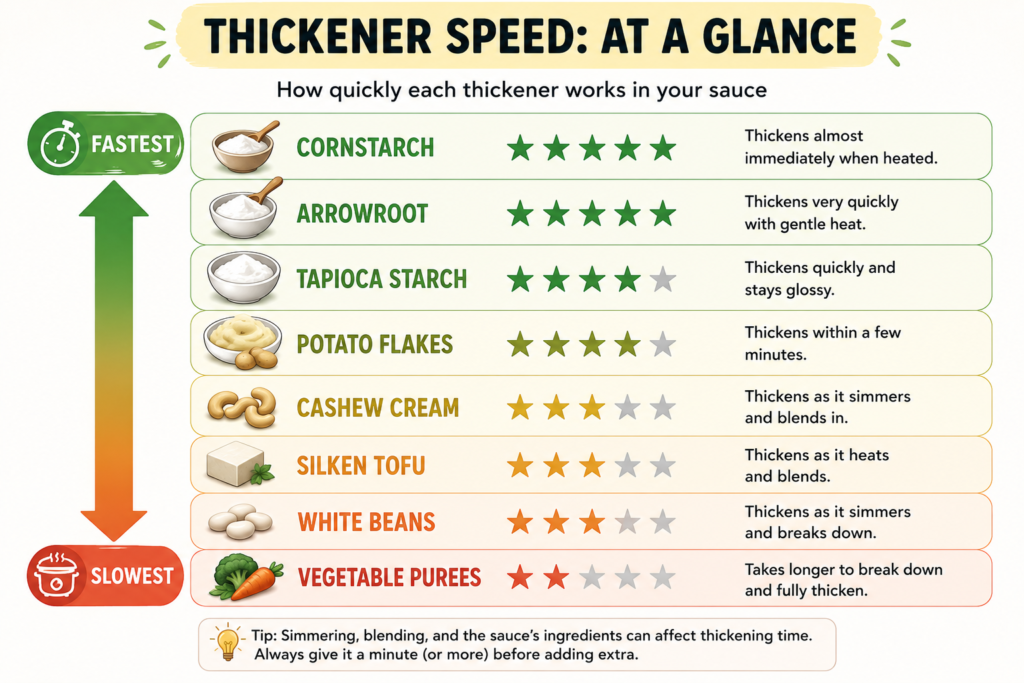
Potato flakes begin thickening almost immediately, making them one of the quickest options for rescuing a thin sauce.
Mild Flavor:
They have a subtle potato taste that blends well into many savory recipes without overpowering the other ingredients.
Pantry-Friendly:
Instant mashed potato flakes have a long shelf life, making them a convenient ingredient to keep on hand for last-minute cooking.
How Much to Use
Start with 1 teaspoon of potato flakes at a time, stirring well after each addition.
Let the sauce simmer for 1 to 2 minutes before deciding whether it needs more, as the flakes continue absorbing liquid as they cook.
Continue adding small amounts until the sauce reaches your desired consistency.
Adding too much at once can make the sauce thicker than expected.
Kitchen Tip: Potato flakes work best in savory sauces. If the sauce becomes a little too thick, simply stir in a splash of vegetable broth, plant milk, or water until it reaches the perfect texture.
Best Recipes
Instant mashed potato flakes work particularly well in:
- Vegan gravy
- Mushroom sauce
- Creamy soups
- Potato-based sauces
- Vegetable sauces
- Hearty stews
When you need a fast, reliable thickener using an ingredient you may already have in your pantry, instant mashed potato flakes are an excellent option.
How Much Thickener Should You Use?
If you’re unsure how much thickener to add, start with a small amount and adjust as needed.
It’s much easier to make a sauce thicker than it is to thin one that’s become overly thick.
The amounts below are good starting points for about 2 cups of sauce.
Depending on the recipe and your preferred consistency, you may need to add a little more or a little less.
| Thickener | Recommended Starting Amount (Per 2 Cups of Sauce) |
|---|---|
| Cornstarch (slurry) | 1 tablespoon |
| Arrowroot powder (slurry) | 1 tablespoon |
| Tapioca starch (slurry) | 1 tablespoon |
| Flour (for a roux) | 2 tablespoons |
| Cashew cream | ¼ cup |
| Silken tofu | ¼–½ cup |
| White beans (pureed) | ¼ cup |
| Cauliflower puree | ¼–½ cup |
| Potato puree | ¼ cup |
| Pumpkin puree | ¼ cup |
| Instant mashed potato flakes | 1 teaspoon |
| Nutritional yeast | 1–2 tablespoons |
| Tahini | 1 tablespoon |
| Peanut or almond butter | 1 tablespoon |
Kitchen Tip: After adding any thickener, let the sauce cook for 1 to 2 minutes (or simmer a little longer for whole-food thickeners) before deciding whether it needs more. Many thickeners continue to develop their full texture as they heat, and most sauces also become slightly thicker as they cool.
Can You Combine Thickeners?
Yes! In many cases, combining two thickeners creates a better texture than relying on just one.
Using smaller amounts of complementary ingredients can produce a sauce that’s creamy, smooth, and well-balanced without becoming overly thick or gummy.
Here are a few combinations that work especially well:
| Combination | Why It Works | Best For |
|---|---|---|
| Cornstarch + Nutritional Yeast | Cornstarch thickens quickly, while nutritional yeast adds body and a savory, cheesy flavor. | Vegan cheese sauce, gravies |
| Cashew Cream + Vegan Roux | Cashew cream adds richness, and the roux provides a smooth, stable consistency. | Alfredo, white sauces, creamy pasta sauces |
| Cauliflower + Potatoes | Cauliflower keeps the sauce light, while potatoes add extra thickness and a silky texture. | Cream soups, vegetable sauces |
| Silken Tofu + Nutritional Yeast | Silken tofu creates a creamy base, and nutritional yeast adds depth and a cheesy flavor. | Vegan mac and cheese, creamy sauces |
Tips for Combining Thickeners
- Start with small amounts of each thickener and adjust gradually.
- Let the sauce simmer for a minute or two after each addition before deciding if it needs more.
- Pair a quick thickener (like cornstarch) with a creamy whole-food ingredient (like cashew cream or tofu) for a sauce that’s both silky and stable.
- Taste the sauce after thickening and adjust the seasoning if needed, as some ingredients can slightly mellow the overall flavor.
Kitchen Tip: If you’re aiming for the creamiest texture, combine one starch-based thickener with one whole-food thickener. This often produces a smoother, more natural consistency than using a large amount of either one on its own.
Thickener Comparison
Use this quick reference to choose the best thickener based on the type of sauce you’re making and the texture you’re after.
| Thickener | Best For | Gluten-Free | Flavor Impact | Heat Stable |
|---|---|---|---|---|
| Cornstarch | Gravies, stir-fry sauces | ✅ Yes | Neutral | ✅ Yes |
| Arrowroot Powder | Glossy sauces, fruit sauces | ✅ Yes | Neutral | ⚠️ Moderate |
| Tapioca Starch | Thick gravies, pan sauces | ✅ Yes | Neutral | ✅ Yes |
| All-Purpose Flour | Roux, cream sauces | ❌ No | Mild | ✅ Yes |
| Cashew Cream | Cream sauces, Alfredo | ✅ Yes | Mildly nutty | ✅ Yes |
| White Beans | Cream sauces, soups | ✅ Yes | Mild | ✅ Yes |
| Silken Tofu | Alfredo, pasta sauces | ✅ Yes | Mild | ⚠️ Moderate |
| Instant Potato Flakes | Quick thickening | ✅ Usually* | Neutral | ✅ Yes |
| Nutritional Yeast | Vegan cheese sauces | ✅ Yes | Cheesy, savory | ✅ Yes |
*Note: Most instant mashed potato flakes are gluten-free, but always check the package label, as some brands may contain added ingredients or be processed in facilities that handle wheat.
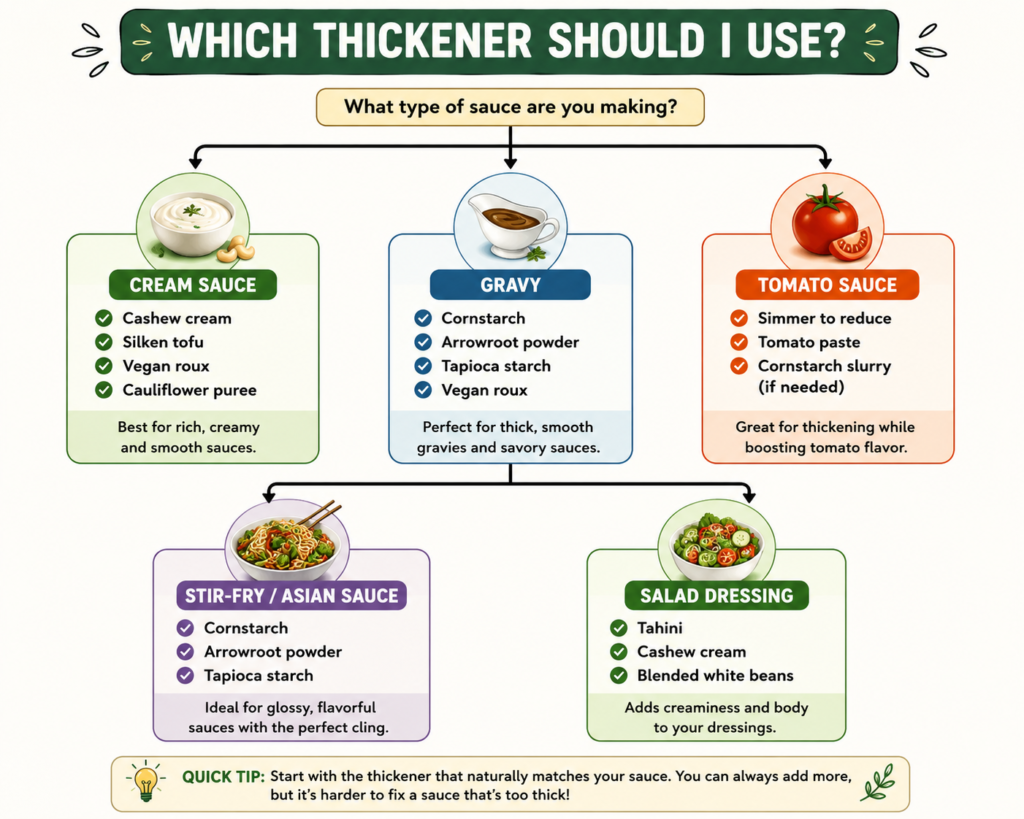
How to Choose the Right Thickener
The best thickener depends on the type of sauce you’re making.
While many options can work, choosing one that matches the sauce will give you the best texture and flavor.
Tomato Sauces
Tomato sauces usually become thicker with a little patience, so you often don’t need to add many extra ingredients.
Best choices:
- Reduction: Simmer the sauce until excess liquid evaporates and the flavors become more concentrated.
- Tomato paste: Adds thickness while boosting the tomato flavor.
- Cornstarch (small amount): Use a slurry if the sauce still needs a little more body after reducing.
Works well for:
- Marinara
- Pizza sauce
- Arrabbiata
- Tomato basil sauce
Cream Sauces
Creamy vegan sauces benefit from ingredients that create a rich, silky texture rather than just making the sauce thicker.
Best choices:
- Cashew cream: Rich and velvety with a mild flavor.
- Silken tofu: Smooth, creamy, and protein-rich.
- Vegan roux: Creates a classic creamy consistency.
- Cauliflower: Blends into a smooth puree with a subtle flavor.
Works well for:
- Vegan Alfredo
- Mac and cheese
- White sauce
- Creamy pasta sauces
Gravy
Gravy should be smooth, pourable, and rich without becoming overly thick.
Best choices:
- Cornstarch: Quick, reliable, and creates a glossy finish.
- Arrowroot: Great for smooth gravies with a clear appearance.
- Tapioca starch: Produces a silky texture with excellent body.
- Vegan roux: Ideal for traditional-style gravies with a richer texture.
Works well for:
- Mushroom gravy
- Brown gravy
- Onion gravy
- Holiday gravies
Asian Sauces
Many Asian-inspired sauces are meant to be glossy and lightly coated rather than heavy.
Best choices:
- Cornstarch: Perfect for stir-fry sauces and glazes.
- Arrowroot: Creates a smooth, shiny finish.
- Tapioca starch: Adds a silky consistency to thicker sauces.
Works well for:
- Stir-fry sauce
- Teriyaki sauce
- Sweet and sour sauce
- Garlic ginger sauce
Salad Dressings
Cold dressings don’t usually need cooked starches.
Instead, creamy whole-food ingredients create the best texture.
Best choices:
- Tahini: Adds richness with a nutty sesame flavor.
- Cashew cream: Creates a smooth, creamy dressing.
- Blended beans: Naturally thickens while keeping the flavor mild.
Works well for:
- Creamy herb dressing
- Caesar-style dressing
- Ranch-style dressing
- Tahini dressing
Kitchen Tip: If you’re unsure which thickener to use, start with one that naturally fits the style of your sauce. Whole-food thickeners are ideal for creamy sauces, starches work best for gravies and stir-fry sauces, and simple simmering is often all a tomato sauce needs.
Best Thickener by Dietary Need
If you’re cooking for specific dietary preferences or simply working with what you have in your pantry, this quick guide can help you choose the most suitable thickener.
| Dietary Need | Best Thickener Choices |
|---|---|
| Gluten-Free | Cornstarch, arrowroot powder, tapioca starch, potato starch |
| Nut-Free | Silken tofu, potatoes, cauliflower, white beans, oat flour* |
| Soy-Free | Cashew cream, potatoes, arrowroot powder, tapioca starch, white beans |
| Whole-Food | Cauliflower, potatoes, white beans, pumpkin puree, sweet potato |
| High-Protein | Silken tofu, white beans, cashew cream |
| Low-Flavor Impact | Cornstarch, arrowroot powder, tapioca starch, potato starch |
| Pantry-Friendly | Cornstarch, all-purpose flour, instant mashed potato flakes, nutritional yeast |
*Note: Oat flour is naturally gluten-free, but if you need to avoid gluten, choose a brand that is certified gluten-free to prevent cross-contamination.
Common Mistakes That Keep Vegan Sauces Thin
Avoid these common mistakes to achieve a smooth, perfectly thick vegan sauce every time:
- Adding too much liquid: Extra broth, plant milk, or water can easily thin out a sauce if the other ingredients aren’t adjusted to match.
- Skipping the reduction step: Some sauces simply need a few extra minutes of gentle simmering to allow excess moisture to evaporate.
- Using incorrect slurry ratios: Too little cornstarch or too much water can prevent a slurry from thickening the sauce properly.
- Boiling arrowroot for too long: Extended boiling can cause arrowroot to lose its thickening power and make the sauce thin again.
- Using too much thickener at once: Adding large amounts all at once can create lumps or make the sauce overly thick instead of smooth.
- Not blending ingredients thoroughly: Cashews, tofu, beans, or vegetables should be blended until completely smooth for the creamiest texture.
- Forgetting sauces continue thickening as they cool: Many sauces naturally become thicker after they’re removed from the heat, so avoid over-thickening them while they’re still hot.
| Problem | Quick Fix |
|---|---|
| Sauce is watery | Simmer longer |
| Sauce is lumpy | Blend or strain |
| Sauce became gummy | Thin with broth |
| Sauce too thick | Add plant milk |
| Sauce lost flavor | Add seasoning after thinning |
How to Fix a Sauce That’s Too Thick
Even experienced cooks occasionally end up with a sauce that’s thicker than planned.
The good news is that it’s usually an easy fix, and you can often adjust the consistency without affecting the flavor.
The key is to add a little liquid at a time and stir well before deciding if the sauce needs more.
Add Plant Milk Gradually
Plant milk is one of the easiest ways to loosen a thick vegan sauce while keeping it creamy.
Pour in just a splash at a time, stir until it’s fully mixed, and check the consistency before adding more.
Unsweetened oat, soy, and almond milk are all good choices because they blend smoothly into most savory sauces.
If you’re making a creamy pasta sauce or vegan Alfredo, plant milk is often the best option because it helps maintain a rich, silky texture.
Thin with Vegetable Broth
Vegetable broth is ideal when you want to make a sauce thinner without adding richness.
It blends especially well into gravies, mushroom sauces, curries, and tomato-based sauces.
Choose a low-sodium broth if possible so you can easily adjust the seasoning afterward if needed.
Add the broth a little at a time and stir thoroughly until the sauce reaches the consistency you’re looking for.
Stir in Reserved Pasta Water
If you’re making a pasta sauce, reserved pasta water is one of the best ingredients you can use.
The starch released by the pasta helps loosen the sauce while keeping it smooth and slightly creamy.
Start with a tablespoon or two, stir well, and add more only if necessary.
This simple trick also helps the sauce cling to the pasta instead of becoming watery.
Add Water in Small Amounts
Sometimes plain water is all you need.
This works well when the sauce already has plenty of flavor and simply needs to be loosened slightly.
Add only a small splash at a time, stirring well after each addition to avoid thinning the sauce too much.
If you accidentally add more water than intended, let the sauce simmer for a few minutes to reduce again.
Reheat Gently While Stirring
If the sauce has thickened after sitting or cooling, gentle reheating is often enough to restore a smoother consistency.
Warm it over low to medium-low heat while stirring frequently to help the liquid blend back into the sauce.
If it still feels too thick, add your chosen liquid a little at a time as it warms.
Avoid high heat, especially for creamy sauces made with plant milk, silken tofu, or vegan yogurt, as it can affect their texture.
Kitchen Tip: It’s easier to thin a sauce gradually than to fix one that’s become too watery. Add liquid in small amounts, stir well, and stop as soon as the sauce reaches the consistency you want.
Expert Kitchen Tips
- Taste before serving: After thickening a sauce, taste it again. Adding starches, plant milk, or other thickeners can slightly mellow the seasoning, so a small pinch of salt, herbs, or spices may bring the flavors back into balance.
- Keep the heat gentle for creamy sauces: When using ingredients like cashew cream, silken tofu, or vegan yogurt, cook over low to medium heat to maintain a smooth, silky texture and reduce the chance of the sauce separating.
- Start small and adjust gradually: Add less thickener than you think you’ll need, then let the sauce cook for a minute or two before adding more. It’s much easier to thicken a sauce further than to fix one that’s become too thick.
Final Thoughts
Thickening vegan sauces doesn’t have to be complicated.
Whether you choose to simmer the sauce, use a starch, blend in vegetables, or add creamy plant-based ingredients, there’s a simple method for almost every recipe.
The best results come from matching the thickener to the type of sauce you’re making.
A glossy stir-fry sauce, a rich gravy, and a creamy pasta sauce each benefit from a different approach.
Don’t be afraid to experiment with one technique at a time.
With a little practice, you’ll quickly learn which methods you enjoy most and be able to make smooth, flavorful vegan sauces with confidence every time.
FAQs
Can you thicken vegan sauce without flour?
Yes. You can use cornstarch, arrowroot powder, tapioca starch, pureed vegetables, cashew cream, silken tofu, white beans, or instant mashed potato flakes instead of flour.
What is the healthiest vegan sauce thickener?
Whole-food options like pureed cauliflower, potatoes, white beans, cashew cream, and silken tofu are excellent choices because they thicken sauces while adding texture and flavor.
Can you use cornstarch in coconut milk?
Yes. Cornstarch works well with coconut milk. Mix the cornstarch with cold water to make a slurry before stirring it into the simmering sauce.
Why did my sauce become lumpy?
Lumps usually form when dry starch is added directly to a hot sauce or when the ingredients aren’t whisked or blended thoroughly. Using a slurry and stirring continuously helps prevent this.
Why didn’t my sauce thicken?
Common reasons include using too much liquid, not simmering the sauce long enough, using too little thickener, or cooking certain thickeners incorrectly, such as boiling arrowroot for too long.
Which thickener works best for gluten-free cooking?
Cornstarch, arrowroot powder, tapioca starch, potato starch, and many whole-food thickeners like cashews and white beans are all excellent gluten-free options.
Can you freeze thickened vegan sauces?
Yes. Most thickened vegan sauces freeze well. Let the sauce cool completely before storing it in an airtight container, then thaw it in the refrigerator and reheat gently while stirring.
Do sauces become thicker after cooling?
Yes. Many vegan sauces continue to thicken as they cool, so it’s often best to remove them from the heat just before they reach your desired consistency.

Hi, I’m Daisy Roots, the home cook and recipe developer behind this kitchen. I create simple, tested vegan recipes using everyday ingredients. Every dish is developed and cooked in my own kitchen, with clear steps to help you get reliable results every time. Thanks for stopping by — let’s cook something great!