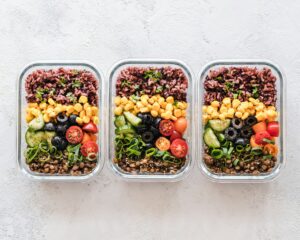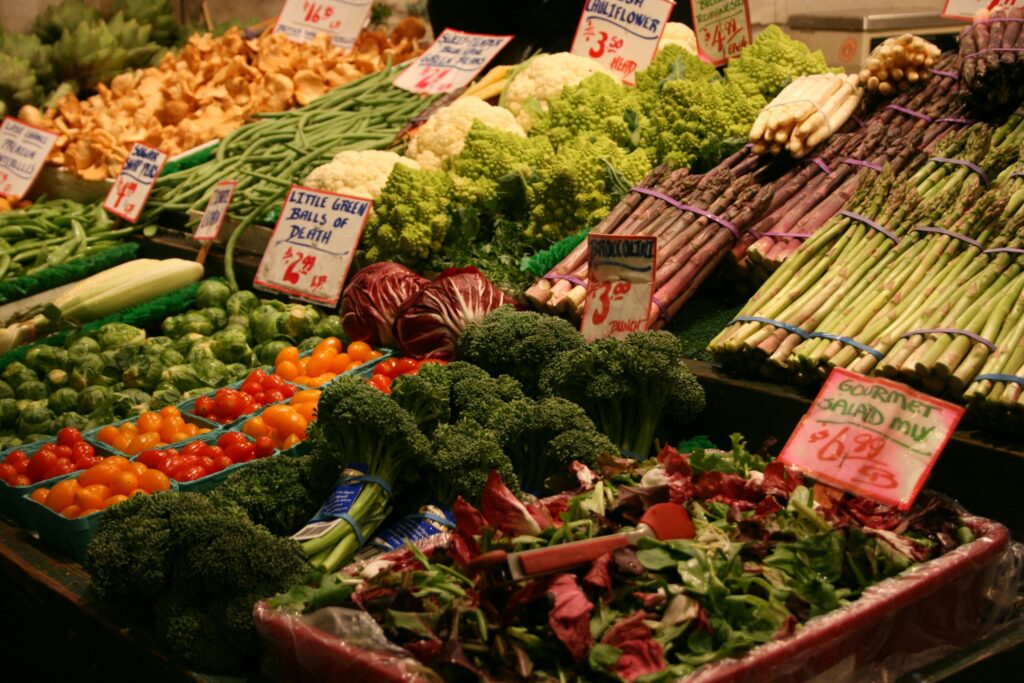
Many people assume eating vegan costs more because grocery stores are filled with pricey meat alternatives, specialty snacks, and trendy products.
The good news is you don’t need any of those to enjoy delicious, satisfying meals every day.
Some of the most affordable foods you can buy are naturally vegan.
Beans, lentils, rice, oats, potatoes, and seasonal vegetables can become filling meals that are easy to make and gentle on your budget.
With a little planning, you can eat well, reduce food waste, and keep grocery costs under control without giving up flavor.
In this guide, you’ll learn practical ways to shop smarter, build affordable meals, stock a budget-friendly pantry, and make the most of simple ingredients.
Is Eating Vegan Really Cheaper?
For many people, the idea that vegan food is expensive comes from seeing premium products on grocery store shelves.
Plant-based burgers, dairy-free cheeses, and ready-made meals often cost more than their traditional versions.
Those products can certainly fit into a vegan lifestyle, but they are optional, not essential.
A budget-friendly vegan kitchen is built around simple ingredients that have been feeding families for generations.
When you fill your cart with pantry staples, fresh produce, and frozen vegetables, it’s possible to prepare satisfying meals without spending a fortune.
The key is knowing which foods offer the best value and using them in different ways throughout the week.
Common Myths About Vegan Food Costs
One of the biggest myths is that every vegan meal requires specialty ingredients.
In reality, many everyday foods are already vegan and have always been some of the most affordable items in the grocery store.
Beans, lentils, rice, oats, potatoes, pasta, and seasonal vegetables often cost much less than meat and can be used in countless recipes.
Another common belief is that you need expensive meat substitutes to replace animal products.
While those products can be convenient, they aren’t necessary for flavorful, filling meals.
A hearty lentil curry, vegetable chili, or bean burrito can be just as satisfying while costing far less per serving.
Some people also think eating vegan means shopping at specialty health food stores.
Most budget-friendly vegan ingredients are available at regular supermarkets, discount grocery stores, and even local markets.
You’ll often find the best bargains by sticking to basic ingredients instead of heavily advertised convenience foods.
Why Whole Foods Cost Less Than Processed Alternatives
Whole foods are ingredients that are close to their natural form and have little or no processing.
Examples include dried beans, brown rice, potatoes, carrots, onions, oats, apples, and cabbage.
These foods usually cost less because they require less packaging, fewer ingredients, and less manufacturing.
Processed vegan foods often include added flavors, oils, seasonings, and packaging that increase the final price.
That doesn’t mean you should never buy them.
Keeping a carton of plant-based milk or a package of tofu on hand can make cooking easier and still fit comfortably into a budget.
The biggest savings come from making whole foods the foundation of your meals.
For example, a pot of homemade bean chili can provide several generous servings for less than the cost of one frozen vegan dinner.
Cooking from scratch also gives you more control over flavor.
You can season meals exactly the way you like them using herbs, spices, garlic, onions, and simple pantry ingredients you already have.
Where Your Grocery Budget Really Goes
Many grocery bills grow because of convenience purchases rather than the main ingredients.
Pre-cut vegetables, single-serve snacks, bottled drinks, and ready-made meals often cost much more than making similar foods at home.
Small purchases can add up surprisingly fast over the course of a month.
A simple meal made with rice, lentils, and roasted vegetables usually costs much less than several packaged convenience foods.
Planning your meals before shopping also helps keep spending under control.
When you know exactly what you’ll cook, it’s easier to buy only what you need and avoid impulse purchases.
Buying ingredients that work in several meals stretches your budget even further.
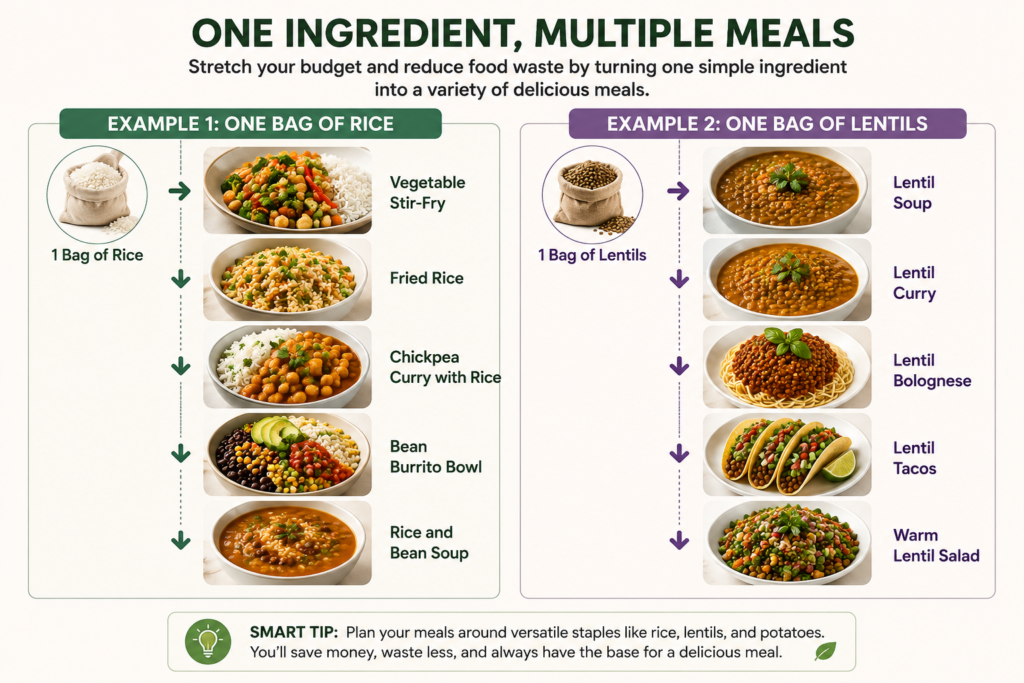
A bag of rice can become stir-fry one night, burrito bowls the next, and fried rice later in the week.
The same bag of lentils can turn into soup, curry, tacos, or pasta sauce with just a few extra ingredients.
This approach keeps meals interesting while making every grocery trip work harder for your wallet.
Budget Savings Comparison
One of the easiest ways to reduce your grocery bill is to make simple meals at home instead of relying on convenience foods or takeout.
The table below shows how a few budget-friendly vegan meals compare with their more expensive alternatives.
| Meal | Budget Homemade | Typical Convenience Version |
|---|---|---|
| Lentil Soup | Low | Canned soup or takeout |
| Bean Burrito | Low | Fast-food burrito |
| Vegetable Stir-Fry | Low | Restaurant takeout |
| Overnight Oats | Very Low | Coffee shop breakfast |
Preparing these meals at home not only helps you save money, but also lets you control the ingredients, adjust the flavors to your taste, and cook enough for leftovers.
Even replacing one or two convenience meals each week with homemade versions can make a noticeable difference to your grocery budget over time.
The Foundations of Budget-Friendly Vegan Eating
Eating vegan on a budget starts with a few simple habits rather than a long shopping list.
Once you know which ingredients give you the most value, planning meals becomes easier and grocery shopping feels much less overwhelming.
These small changes can help you spend less while still cooking meals that are full of flavor and satisfying to eat.
Focus on Whole Plant Foods
Whole plant foods are the backbone of an affordable vegan kitchen.
These are foods that are close to their natural form, such as beans, lentils, rice, oats, potatoes, fruits, and vegetables.
They usually cost less than heavily processed foods and can be turned into dozens of different meals.
A bag of dried lentils can become a comforting soup one day, a rich curry the next, and a hearty pasta sauce later in the week.
Rice is another great example.
One large bag can be used for stir-fries, burrito bowls, fried rice, soups, and simple side dishes without getting boring.
Cooking with whole foods also lets you build flavor from scratch.
A little garlic, onion, fresh herbs, and your favorite spices can transform simple ingredients into meals that taste homemade and comforting.
If you’re just getting started, don’t feel like you need to replace everything in your kitchen at once.
Start by adding one or two affordable staples to your shopping cart each week, and before long you’ll have a pantry that’s ready for almost any meal.
Buy Seasonal Produce
Seasonal fruits and vegetables are often fresher, tastier, and more affordable because they’re widely available.
When produce is in season, stores usually have better prices and more variety to choose from.
Instead of planning meals around one specific vegetable, let the grocery store guide your choices.
If broccoli is on sale this week, build a stir-fry around it.
If sweet potatoes are less expensive than regular potatoes, roast them for dinner or add them to soups and curries.
Farmers’ markets can also be a great place to find seasonal produce at reasonable prices, especially toward the end of the day when vendors may lower prices.
Don’t worry about buying every fruit and vegetable on your list.
Choosing what’s in season is one of the simplest ways to stretch your grocery budget without sacrificing delicious meals.
Choose Frozen Fruits and Vegetables
Frozen produce is one of the best budget-friendly items you can keep in your freezer.
Because fruits and vegetables are frozen soon after they’re harvested, they stay fresh for months and are ready whenever you need them.
They’re also a great way to reduce food waste.
You only use what you need, then return the rest to the freezer for another meal.
Frozen mixed vegetables can quickly become a colorful stir-fry, soup, fried rice, or pasta dish.
Frozen berries are perfect for smoothies, oatmeal, or homemade muffins.
Frozen spinach can be stirred into pasta sauces, curries, and soups without any extra preparation.
Keeping a few bags of frozen produce on hand means you’ll always have vegetables ready, even when your refrigerator is running low.
Prioritize Staple Ingredients
A well-stocked pantry makes budget cooking much easier.
Staple ingredients are inexpensive foods that can be mixed and matched to create a wide variety of meals.
Some of the best staples include rice, pasta, oats, dried beans, lentils, canned tomatoes, potatoes, onions, garlic, peanut butter, and a small collection of herbs and spices.
These ingredients work together in countless combinations.
For example, rice and beans can become burrito bowls, stuffed peppers, or a simple side dish with roasted vegetables.
Lentils can be turned into soups, curries, shepherd’s pie, or taco filling.
Pasta can be paired with tomato sauce, roasted vegetables, creamy blended beans, or sautéed mushrooms for completely different meals.
As your pantry grows, you’ll find that grocery shopping becomes less expensive because you’re only replacing the ingredients you’ve used instead of buying everything from scratch each week.
Building your kitchen one staple at a time is one of the smartest investments you can make if you want to eat well while keeping your grocery bill under control.
The Cheapest Vegan Foods to Keep in Your Pantry
A budget-friendly pantry doesn’t need dozens of specialty ingredients.
A handful of affordable staples can be mixed and matched to create hundreds of satisfying meals.
These ingredients store well, work in many different recipes, and help you spend less while cooking more at home.
| Ingredient | Keep On Hand |
|---|---|
| Rice | 2–5 lb |
| Lentils | 1–2 lb |
| Beans | 4–6 cans or dried equivalent |
| Oats | Large container |
| Pasta | 2–3 packs |
| Peanut Butter | 1 jar |
Dried Beans and Lentils
Dried beans and lentils are some of the best bargains in any grocery store.
They cost much less than most protein sources and make large, filling batches of food.
Use them in soups, stews, curries, tacos, chili, salads, and homemade veggie burgers.
Cooking a large batch at the beginning of the week saves both time and money.
Rice
Rice is one of the most versatile pantry staples you can buy.
It pairs well with vegetables, beans, tofu, curries, stir-fries, and soups.
Buying larger bags usually lowers the cost per serving, making rice an excellent choice for regular meals.
Brown rice adds a slightly nutty flavor, while white rice cooks more quickly, so both have a place in a budget-friendly kitchen.
Oats
Oats are inexpensive, filling, and far more versatile than many people realize.
They’re perfect for overnight oats, hot oatmeal, homemade granola, smoothies, muffins, pancakes, and cookies.
A large container of oats can provide dozens of breakfasts for just a few dollars.
Pasta
Pasta is an affordable pantry favorite that works with almost any vegetable or sauce.
Pair it with canned tomatoes, roasted vegetables, lentils, mushrooms, or garlic and olive oil for simple meals that feel comforting without costing much.
Keeping a few different pasta shapes on hand also helps add variety to weeknight dinners.
Potatoes
Potatoes are one of the most affordable and satisfying vegetables available year-round.
Bake them, roast them, mash them, or turn them into hearty soups and stews.
They also make an excellent base for grain bowls and can stretch meals without adding much to your grocery bill.
Peanut Butter
Peanut butter is a budget-friendly staple that works for both sweet and savory dishes.
Spread it on toast, stir it into oatmeal, blend it into smoothies, or whisk it into a creamy peanut sauce for noodles and stir-fries.
Choose natural peanut butter if it fits your budget, but any variety can be a practical pantry ingredient.
Canned Tomatoes
Canned tomatoes add rich flavor to countless meals and are available throughout the year.
They’re perfect for pasta sauces, soups, curries, casseroles, and chili.
Keeping a few cans in your pantry means you’re always ready to make a quick homemade meal.
Frozen Vegetables
Frozen vegetables are convenient, affordable, and help reduce food waste.
Since you only use what you need, nothing gets forgotten in the refrigerator.
Mixed vegetables, broccoli, spinach, peas, and corn can quickly turn rice, pasta, or soup into a complete meal.
Chickpeas
Chickpeas deserve their own place in the pantry because they’re so versatile.
Use them in curries, salads, wraps, grain bowls, roasted snacks, or blend them into homemade hummus.
Both canned and dried chickpeas are economical choices, with dried chickpeas usually offering the lowest cost per serving.
Whole Wheat Flour
Whole wheat flour is useful far beyond baking bread.
You can use it to make homemade pizza dough, tortillas, pancakes, muffins, flatbreads, and simple baking recipes.
Making a few baked goods at home often costs much less than buying ready-made versions.
Budget Pantry Staples
| Food | Average Cost | Best Uses |
|---|---|---|
| Brown Rice | Low | Grain bowls, stir-fries, side dishes |
| Lentils | Very Low | Soups, curries, chili, pasta sauce |
| Oats | Very Low | Breakfast, baking, smoothies, granola |
| Chickpeas | Low | Salads, hummus, curries, roasted snacks |
| Potatoes | Low | Roasting, mashing, baking, soups |
Smart Grocery Shopping Tips That Save Money
| Habit | Why It Saves Money |
|---|---|
| Shop with a list | Fewer impulse purchases |
| Cook larger batches | Less takeout |
| Freeze leftovers | Less waste |
| Buy seasonal produce | Lower prices |
| Compare unit prices | Better value |
Always Shop with a List
A grocery list is one of the easiest ways to save money.
Before heading to the store, check your refrigerator, freezer, and pantry to see what you already have.
Then plan a few meals around those ingredients and write down only what you need.
Shopping with a list helps you stay focused and reduces the chance of impulse purchases that can quickly increase your bill.
It also makes grocery shopping faster and less stressful.
Compare Unit Prices
The price on the shelf doesn’t always tell the whole story.
Take a moment to compare the unit price, which shows the cost per weight or volume, such as per kilogram or per liter.
A larger package may have a higher price, but it often costs less for each serving.
Checking the unit price takes only a few seconds and can lead to noticeable savings over time.
Budget Tip: Think in Cost Per Serving
Instead of asking, “How much does this package cost?” ask, “How much does each serving cost?”
A larger bag of rice, oats, or dried beans may seem more expensive at first, but it often costs much less per meal than a smaller package.
Buy Store Brands
Store-brand products are often just as good as name brands but cost less.
Items like rice, oats, pasta, canned tomatoes, frozen vegetables, and beans are excellent places to save.
Since these pantry staples are used in many meals, choosing the store brand can reduce your grocery bill week after week.
If you’re trying a product for the first time, start with the less expensive option.
You may find you can’t taste the difference.
Shop Bulk Bins
If your grocery store has bulk bins, they’re worth exploring.
Buying only the amount you need helps reduce waste and gives you more control over your budget.
Bulk bins are often a great place to find rice, oats, dried beans, lentils, nuts, seeds, and spices at competitive prices.
They’re especially useful when you’re trying a new ingredient and don’t want to buy a large package.
Avoid Shopping Hungry
Shopping on an empty stomach can make everything look tempting.
It’s much easier to stick to your list after you’ve had a meal or even a simple snack.
Making decisions when you’re not hungry helps you focus on the ingredients you planned to buy instead of filling your cart with extra treats.
Use Weekly Specials
Take a few minutes to check your store’s weekly specials before you shop.
Planning meals around discounted ingredients is one of the easiest ways to lower grocery costs.
If broccoli, sweet potatoes, or canned beans are on sale, build your meals around those items for the week.
When shelf-stable foods are heavily discounted, consider buying an extra package if you know you’ll use it before it expires.
Buy Larger Bags of Staples
If you have enough storage space, buying larger bags of frequently used ingredients can save money over time.
Staples like rice, oats, dried beans, flour, and pasta often have a lower cost per serving when purchased in larger quantities.
Only buy larger packages if you’ll use them before they lose quality.
A good deal isn’t really a bargain if part of it ends up going to waste.
Shopping Checklist
Before you leave for the store, run through this quick checklist:
- Check your pantry inventory.
- Plan your meals for the week.
- Write a complete grocery list.
- Pack reusable shopping bags.
- Gather coupons or store discounts if they’re available.
Meal Planning to Reduce Food Costs
Meal planning is one of the easiest ways to spend less on groceries without feeling like you’re giving anything up.
Plan Meals Around Sales
Start by checking your grocery store’s weekly specials.
If certain vegetables, beans, pasta, or rice are on sale, use those ingredients as the starting point for your meal plan.
Being flexible can save you more than sticking to one specific recipe.
For example, if cauliflower is less expensive than broccoli this week, swap it into your stir-fry or curry.
Small substitutions like these can lower your grocery bill without changing the overall meal.
Seasonal produce is another smart choice because it’s often both fresher and more affordable.
Cook Once, Eat Multiple Times
Cooking larger batches is one of the simplest ways to save both time and money.
Prepare a big pot of soup, chili, curry, or rice at the beginning of the week.
Enjoy it for dinner, then pack the leftovers for lunch or freeze extra portions for another day.
Batch cooking also helps you avoid ordering takeout on busy evenings because you’ll already have a homemade meal waiting.
A little extra cooking today can save a lot of time later in the week.
Reuse Leftovers Creatively
Leftovers don’t have to taste like yesterday’s dinner.
A few small changes can turn them into something completely different.
Leftover rice can become fried rice with frozen vegetables.
Extra roasted vegetables can be added to wraps, grain bowls, or pasta.
A bowl of bean chili makes a great topping for baked potatoes or can be tucked into burritos for a quick lunch.
Looking at leftovers as ingredients instead of finished meals makes them much more exciting to use.
Build Meals Around Affordable Staples
The most budget-friendly meals usually begin with ingredients you already keep in your pantry.
Choose a staple like rice, pasta, potatoes, oats, beans, or lentils, then add vegetables, herbs, spices, and a simple sauce.
This approach creates endless meal combinations without requiring a long shopping list.
For example, one bag of rice can be used for curry one night, vegetable stir-fry the next, and fried rice later in the week.
The same batch of cooked lentils can become soup, taco filling, or a hearty pasta sauce.
When you build meals around affordable staples, you’ll always have the foundation for a delicious meal, even if your grocery budget is tight.
Budget Meal Formula
Building an affordable vegan meal is easier when you follow a simple formula instead of relying on a recipe every time.
Choose one ingredient from each category:
Category Options Base Rice, pasta, potatoes, oats, quinoa Protein Beans, lentils, chickpeas, tofu, split peas Vegetables Fresh seasonal vegetables or frozen mixed vegetables Flavor Garlic, onion, herbs, spices, salsa, soy sauce, lemon juice, or a simple homemade sauce Mix and match these ingredients to create soups, curries, stir-fries, grain bowls, pasta dishes, burritos, and salads.
Once you keep a few basics stocked in your pantry, you’ll be able to create dozens of inexpensive meals without needing a new shopping list every week.
Example Weekly Meal Plan
| Day | Lunch | Dinner |
|---|---|---|
| Monday | Lentil Soup | Chickpea Curry |
| Tuesday | Leftovers | Rice & Beans |
| Wednesday | Pasta Salad | Vegetable Stir-Fry |
| Thursday | Bean Chili | Baked Potatoes |
| Friday | Burritos | Vegetable Curry |
Batch Cooking for Maximum Savings
Batch cooking is one of the smartest ways to save money in the kitchen.
Instead of cooking every meal from scratch, you prepare larger amounts at one time and enjoy them throughout the week or freeze them for later.
It reduces food waste, cuts down on cooking time, and makes busy days much less stressful.
Why Batch Cooking Saves Money
Cooking larger portions uses your ingredients more efficiently.
Instead of opening several cans or cooking small amounts throughout the week, you prepare everything in one session.
This helps reduce waste because ingredients are used while they’re still fresh.
Batch cooking also makes it easier to avoid expensive last-minute takeout.
When dinner is already waiting in your refrigerator or freezer, you’re much more likely to enjoy a homemade meal.
Buying ingredients in larger quantities often costs less as well.
Preparing several meals from those ingredients helps you get the most value from every grocery trip.
Foods That Freeze Well
Many budget-friendly vegan meals freeze beautifully, making them perfect for batch cooking.
Soups, bean chili, lentil curry, vegetable curry, tomato-based pasta sauce, cooked beans, and cooked grains all hold up well in the freezer.
Rice, quinoa, and cooked lentils can be frozen in individual portions and quickly reheated whenever you need them.
Bread, tortillas, and homemade muffins also freeze well, so you can stock up when they’re on sale without worrying about them going stale.
Some vegetables change texture after freezing once they’ve been cooked.
This usually isn’t noticeable in soups, stews, casseroles, or curries, making those dishes excellent freezer meals.
Portioning Meals Properly
Divide large batches into individual or family-sized portions before storing them.
Smaller portions cool more quickly and are much easier to reheat.
They also help prevent waste because you only thaw what you need instead of an entire container.
Choose containers that match the way you normally eat.
Single-serving containers work well for packed lunches, while larger containers are convenient for family dinners.
Leave a little space at the top of freezer-safe containers because food expands slightly as it freezes.
Labeling and Storage Tips
Label every container before placing it in the refrigerator or freezer.
Write the name of the meal and the date it was prepared.
It may seem unnecessary at first, but after a few weeks many containers can look surprisingly similar.
Try placing older meals toward the front of the freezer so they’re used before newer ones.
This simple habit keeps food moving and helps reduce waste.
Allow hot food to cool slightly before refrigerating it, but don’t leave it sitting at room temperature for too long.
Using clear, stackable containers also makes it easier to see what you already have, helping you avoid buying ingredients or meals you don’t need.
Affordable Sources of Vegan Protein
Getting enough protein on a budget is much easier than many people think.
Some of the least expensive foods in the grocery store are also excellent sources of plant-based protein.
Beans
Beans are one of the best-value foods you can buy.
Black beans, kidney beans, pinto beans, navy beans, and cannellini beans are all affordable, filling, and easy to cook with.
Add them to chili, soups, tacos, burritos, salads, grain bowls, and pasta dishes for a hearty meal.
Dried beans usually offer the lowest cost per serving, while canned beans are a convenient option when you’re short on time.
Lentils
Lentils cook quickly and don’t need to be soaked, making them one of the easiest pantry staples for busy home cooks.
They’re perfect for soups, curries, stews, pasta sauces, veggie burgers, and warm salads.
Brown, green, red, and black lentils each have a slightly different texture, so you can use them in a wide range of recipes.
A single bag can provide many meals while costing very little.
Chickpeas
Chickpeas are incredibly versatile and fit into almost any meal.
Blend them into creamy hummus, roast them until crispy for a snack, or stir them into curries, salads, wraps, and grain bowls.
Their mild flavor makes them easy to season, so they work well with everything from Mediterranean herbs to bold curry spices.
Keeping canned or cooked chickpeas on hand makes quick meals even easier.
Split Peas
Split peas are another affordable pantry staple that’s often overlooked.
They’re most commonly used in thick, comforting soups, but they also work well in stews and simple curries.
They cook down into a creamy texture without needing cream or dairy, making them perfect for cozy meals during cooler weather.
A little goes a long way, making split peas an excellent value.
Tofu
Tofu is one of the most versatile vegan proteins available.
It absorbs the flavors of whatever you cook it with, making it suitable for stir-fries, curries, sandwiches, scrambles, salads, and grain bowls.
Extra-firm tofu becomes wonderfully crisp when baked or pan-fried, while softer varieties are great for smoothies, sauces, and desserts.
A single block can easily provide several generous servings.
Soybeans (Edamame)
Edamame are young soybeans that are naturally rich in protein and have a fresh, slightly sweet flavor.
They’re often sold frozen, making them convenient to keep on hand.
Add them to fried rice, noodle dishes, salads, grain bowls, or enjoy them as a simple snack with a sprinkle of salt.
They cook in just a few minutes, making them ideal for quick weeknight meals.
Peanut Butter
Peanut butter provides a simple and affordable way to add extra protein to everyday meals.
Spread it on toast, stir it into oatmeal, blend it into smoothies, or use it to make a creamy sauce for noodles and vegetable stir-fries.
Its rich, nutty flavor makes it one of the most versatile pantry ingredients in a budget-friendly kitchen.
Oats
Oats aren’t usually the first food people think of when it comes to protein, but they contribute more than many realize.
They’re an excellent base for hearty breakfasts and can also be used in homemade veggie burgers, pancakes, muffins, baked oats, and energy bites.
Pairing oats with ingredients like peanut butter or soy milk creates an even more satisfying meal.
Cost Per Serving Comparison
| Protein Source | Protein | Approximate Cost |
|---|---|---|
| Lentils | High | Very Low |
| Beans | High | Very Low |
| Tofu | High | Low |
| Peanut Butter | Moderate | Low |
Choosing a mix of these affordable protein sources throughout the week keeps meals interesting while helping you stay within your grocery budget.
There’s no need to rely on expensive specialty products when simple pantry staples can do the job just as well.
Budget-Friendly Vegan Breakfast Ideas
Overnight Oats
Overnight oats are one of the easiest budget-friendly breakfasts you can make.
Simply combine rolled oats with your favorite plant-based milk and let the mixture chill in the refrigerator overnight.
In the morning, it’s ready to eat with almost no effort.
Add sliced bananas, frozen berries, chopped apples, peanut butter, cinnamon, or a sprinkle of seeds for extra flavor and texture.
Making several jars at once gives you breakfast for multiple days and saves valuable time during the week.
Peanut Butter Toast
Peanut butter toast is simple, affordable, and surprisingly versatile.
Spread peanut butter on toasted whole-grain bread and enjoy it as is, or add sliced banana, fresh berries, apple slices, or a drizzle of maple syrup.
A sprinkle of cinnamon or a handful of chopped nuts can make it feel a little more special without adding much to the cost.
It’s a quick breakfast that’s ready in just a few minutes, making it perfect for busy mornings.
Homemade Granola
Making granola at home is often much cheaper than buying packaged versions.
Start with rolled oats, then mix in nuts, seeds, cinnamon, and a small amount of maple syrup or another sweetener.
Bake until golden and crisp, then let it cool before storing it in an airtight container.
Serve it over plant-based yogurt, enjoy it with milk, or sprinkle it over fresh fruit for a breakfast that’s both crunchy and satisfying.
Fruit Smoothies
Smoothies are an excellent way to use fruit that’s becoming very ripe or frozen fruit you’ve kept on hand.
Blend bananas with frozen berries, mango, peaches, or spinach, then add your favorite plant-based milk.
A spoonful of peanut butter or a handful of oats makes the smoothie creamier and helps it stay satisfying for longer.
Frozen fruit is often more affordable than fresh fruit that’s out of season, making smoothies a smart budget-friendly choice all year.
Tofu Scramble
Tofu scramble is a delicious alternative to scrambled eggs and comes together in less than 20 minutes.
Crumble firm tofu into a pan and cook it with onions, garlic, and your favorite vegetables.
Season it with turmeric for color, black pepper, paprika, and a pinch of salt to create a flavorful breakfast.
Serve it with toast, roasted potatoes, or wrapped in a tortilla for a hearty breakfast burrito.
Make a larger batch and enjoy the leftovers for breakfast or lunch the next day, saving both time and money.
Affordable Vegan Lunch Ideas
Lentil Soup
Lentil soup is one of the most affordable meals you can make.
A handful of lentils, onions, carrots, celery, garlic, and canned tomatoes can turn into a hearty pot of soup that serves several people.
Season it with herbs and spices you already enjoy, then let everything simmer until the vegetables are tender.
Serve it with crusty bread or a simple side salad for a comforting lunch that feels homemade.
Make a large batch and freeze individual portions for quick lunches later in the month.
Bean Burritos
Bean burritos are filling, budget-friendly, and easy to customize.
Spread cooked or canned beans onto a tortilla, then add rice, salsa, lettuce, corn, diced tomatoes, or leftover roasted vegetables.
Roll everything together and enjoy it right away, or wrap it tightly for an easy packed lunch.
If you make several at once, they can be frozen and reheated whenever you need a quick meal.
Changing the vegetables or seasoning each week keeps them interesting without increasing your grocery bill.
Chickpea Salad Sandwiches
Chickpea salad is a simple alternative to traditional sandwich fillings.
Mash cooked chickpeas with a fork, then mix them with vegan mayonnaise or mashed avocado, diced celery, onion, and a squeeze of lemon juice.
Season with salt, pepper, and your favorite herbs for plenty of flavor.
Spread the mixture onto whole-grain bread or tuck it into a wrap with crisp lettuce and sliced tomatoes.
It also makes a tasty topping for crackers or baked potatoes if you want something different.
Leftover Grain Bowls
Grain bowls are one of the easiest ways to turn leftovers into a fresh meal.
Start with cooked rice, quinoa, or another grain, then add whatever vegetables, beans, tofu, or chickpeas you have available.
Finish everything with a simple dressing, a spoonful of hummus, or a drizzle of peanut sauce to bring the flavors together.
There are no strict rules.
Every bowl can be a little different depending on what’s already in your refrigerator, making this one of the best meals for reducing food waste.
Pasta Salad
Pasta salad is inexpensive, easy to prepare, and perfect for meal prep.
Cook your favorite pasta, let it cool, then toss it with chopped vegetables like cucumbers, tomatoes, peppers, spinach, or sweetcorn.
Add chickpeas or white beans for a heartier meal, then finish with a simple vinaigrette made from olive oil, vinegar, lemon juice, and herbs.
The flavors become even better after a few hours in the refrigerator, making pasta salad an excellent make-ahead lunch for busy weeks.
Cheap Vegan Dinner Ideas
Vegetable Stir-Fry
A vegetable stir-fry is one of the quickest ways to turn everyday ingredients into a colorful meal.
Start by cooking onions and garlic, then add fresh or frozen vegetables such as broccoli, carrots, peppers, mushrooms, or peas.
Stir in cooked tofu or chickpeas if you’d like an extra boost of plant-based protein.
Finish with a simple sauce made from soy sauce, garlic, ginger, and a splash of maple syrup or sesame oil if you have it.
Serve everything over rice or noodles for a dinner that’s ready in about 30 minutes.
Lentil Curry
Lentil curry is rich, comforting, and surprisingly affordable.
Cook onions, garlic, and your favorite curry spices until fragrant, then stir in lentils, canned tomatoes, and coconut milk or vegetable broth.
Let everything simmer until the lentils are tender and the sauce becomes thick and flavorful.
Add spinach, peas, or diced sweet potatoes to make the meal even heartier.
Serve the curry with rice or warm flatbread to soak up every bit of the sauce.
Bean Chili
Bean chili is perfect for feeding a family or preparing several meals at once.
Combine beans, canned tomatoes, onions, peppers, garlic, and your favorite chili seasonings in a large pot.
Let the chili simmer until the flavors come together and the vegetables are tender.
Enjoy it on its own, spoon it over baked potatoes, serve it with rice, or tuck it into burritos for a completely different meal.
Leftovers taste even better the next day, making this a great recipe for meal prep.
Vegetable Pasta
Pasta is one of the most affordable ingredients in the grocery store and works with almost any vegetable.
Cook your favorite pasta, then toss it with a simple tomato sauce, roasted vegetables, sautéed mushrooms, spinach, zucchini, or broccoli.
Add cooked lentils, white beans, or chickpeas to make the meal even more filling.
A sprinkle of fresh herbs and a little cracked black pepper are often all you need to bring everything together.
Fried Rice
Fried rice is one of the best ways to use leftover rice and vegetables.
Cold rice works especially well because it stays light and fluffy while cooking.
Sauté onions, garlic, and any vegetables you have available, then stir in the rice and a splash of soy sauce.
Add edamame, tofu, or chickpeas for extra texture and flavor.
This meal is incredibly flexible, so it’s perfect for using up small amounts of vegetables before they go to waste.
Stuffed Potatoes
Baked potatoes become a complete meal with just a few simple toppings.
Bake the potatoes until they’re crisp on the outside and soft in the middle.
Fill them with bean chili, baked beans, sautéed vegetables, lentil curry, or roasted chickpeas.
Finish with chopped green onions, fresh herbs, or a spoonful of dairy-free yogurt for extra flavor.
5-Minute Budget Meal Ideas
Short on time? These quick meals come together in about five minutes using simple, affordable ingredients.
- 🍚 Rice + black beans + salsa
- 🥜 Peanut butter toast + sliced banana
- 🍝 Pasta + canned tomatoes + garlic
- 🥣 Chickpeas + frozen vegetables + rice
- 🥔 Leftover bean chili over baked potatoes
- 🌯 Leftover rice + beans wrapped in a tortilla
- 🥗 Mixed salad + chickpeas + your favorite dressing
Healthy Vegan Snacks That Cost Very Little
Popcorn
Popcorn is one of the least expensive snacks you can make at home.
Pop plain kernels on the stovetop or in an air popper, then season them however you like.
A little salt, smoked paprika, garlic powder, nutritional yeast, or your favorite seasoning blend can completely change the flavor.
Buying popcorn kernels instead of microwave popcorn usually saves money and lets you control the ingredients.
Homemade Trail Mix
Making your own trail mix is often much more affordable than buying ready-made versions.
Start with ingredients you enjoy, such as peanuts, sunflower seeds, pumpkin seeds, raisins, dried cranberries, or a handful of dark chocolate chips.
Mix everything together and store it in an airtight container for quick grab-and-go snacks.
Buying ingredients in larger bags makes homemade trail mix even more budget-friendly over time.
Roasted Chickpeas
Roasted chickpeas are crispy, flavorful, and surprisingly easy to make.
Pat cooked chickpeas dry, toss them with a little oil and your favorite spices, then roast them until golden and crunchy.
Try seasoning them with paprika, garlic powder, cumin, curry powder, or chili powder for different flavors.
They’re perfect for snacking on their own or sprinkling over salads and grain bowls for extra crunch.
Apples with Peanut Butter
Apples and peanut butter are a classic combination that’s both simple and satisfying.
Slice a fresh apple and serve it with a spoonful of peanut butter for dipping.
The sweet, crisp fruit pairs perfectly with the creamy, nutty spread.
Bananas, pears, and celery also work well if you want to switch things up using whatever fruit or vegetables are in season.
Carrot Sticks and Hummus
Carrot sticks and hummus make an easy snack that’s full of fresh flavor.
Slice carrots into sticks and pair them with homemade or store-bought hummus.
Homemade hummus is often the more economical option, especially if you use cooked chickpeas from your pantry.
You can also serve hummus with cucumber slices, bell peppers, celery, or whole-grain crackers for extra variety.
Foods That Often Waste Your Grocery Budget
Expensive Vegan Meat Alternatives
Plant-based burgers, sausages, nuggets, and other meat alternatives can be convenient, but they often take up a large part of a grocery budget.
There’s nothing wrong with buying them once in a while if you enjoy them.
For everyday meals, though, beans, lentils, chickpeas, tofu, and homemade veggie burgers usually provide much better value.
Building most of your meals around these simple ingredients helps you save money without limiting your options in the kitchen.
Single-Serve Snacks
Individual snack packs may be convenient, but you’re often paying extra for smaller portions and additional packaging.
Buying larger bags of ingredients and portioning them into reusable containers at home is usually much more economical.
A container of homemade trail mix, roasted chickpeas, or popcorn is just as easy to grab before leaving the house.
This small habit can save a surprising amount of money over time.
Fancy Smoothie Ingredients
It’s easy to feel like every smoothie needs expensive powders, specialty seeds, or exotic fruits.
In reality, delicious smoothies can be made with just a few simple ingredients.
Bananas, frozen berries, oats, peanut butter, and your favorite plant-based milk create a creamy, flavorful smoothie without stretching your budget.
Use specialty ingredients only if they fit comfortably into your grocery plan.
They should be an extra, not a requirement.
Pre-Cut Produce
Pre-cut fruits and vegetables save a little preparation time, but they usually cost much more than buying whole produce.
With a good knife and a few extra minutes in the kitchen, you can prepare several days’ worth of vegetables at once.
Store them in airtight containers so they’re ready whenever you need them.
You’ll get the same fresh ingredients while spending considerably less.
Bottled Smoothies
Ready-made smoothies can be tempting when you’re in a hurry, but they often cost far more than making one at home.
A homemade smoothie takes only a few minutes to blend and gives you complete control over the ingredients and flavor.
Keeping frozen fruit on hand means you’re always just a few minutes away from a refreshing drink.
Making your own quickly becomes one of the easiest ways to cut unnecessary spending.
Premium Vegan Desserts
Specialty vegan cookies, cakes, ice cream, and pastries are delicious, but they can also be some of the most expensive items in the dessert aisle.
Instead of buying them every week, consider making simple desserts at home.
Banana “nice cream,” baked apples with cinnamon, oatmeal cookies, or homemade muffins are affordable treats that use everyday pantry ingredients.
Homemade desserts often cost less, make your kitchen smell wonderful, and let you enjoy a sweet treat whenever the craving strikes.
| Instead of… | Try… |
|---|---|
| Vegan burgers | Homemade bean burgers |
| Store hummus | Homemade hummus |
| Granola | Homemade granola |
| Bottled smoothie | Homemade smoothie |
| Frozen meal | Batch-cooked leftovers |
How to Reduce Food Waste and Save More
One of the easiest ways to lower your grocery bill is to make the most of the food you already buy.
Every ingredient you use instead of throwing away is money saved.
Store Produce Properly
Storing fruits and vegetables the right way helps them stay fresh for longer.
Leafy greens last better when they’re kept dry in the refrigerator with a paper towel to absorb extra moisture.
Potatoes, onions, and garlic should be stored in a cool, dark, and well-ventilated place rather than in the refrigerator.
Fresh herbs can stay vibrant for several days when placed in a glass with a little water or wrapped loosely in a damp paper towel.
Taking a few minutes to store produce properly can give you several extra days to use it.
| Food | Typical Pantry Life |
|---|---|
| Rice | 1–2 years |
| Pasta | 1–2 years |
| Oats | Up to 1 year |
| Lentils | Up to 2 years |
| Peanut Butter | Several months after opening |
Freeze Extra Ingredients
Your freezer is one of the best tools for reducing food waste.
If you notice vegetables, fruit, or bread won’t be used in time, freeze them before they spoil.
Bananas that are becoming too ripe are perfect for smoothies or baking once frozen.
Leftover cooked rice, beans, lentils, soups, curries, and pasta sauce also freeze well and make future meals much quicker to prepare.
Freezing ingredients in meal-sized portions makes thawing simple and helps prevent waste.
Repurpose Leftovers
Leftovers don’t have to be eaten exactly the same way the next day.
A little creativity can turn yesterday’s dinner into something completely new.
Roasted vegetables can be added to wraps, pasta, soups, or grain bowls.
Cooked rice becomes fried rice with a few vegetables and seasonings.
Extra beans can be blended into a dip, added to tacos, or stirred into a hearty soup.
Looking at leftovers as ingredients instead of finished meals makes them much more enjoyable to use.
Understand Best-Before vs. Use-By Dates
Many foods are thrown away even though they’re still perfectly good to eat.
A best-before date usually refers to quality rather than safety.
After this date, the food may gradually lose some freshness or flavor, but it can often still be enjoyed if it has been stored properly.
A use-by date is different.
It relates to food safety and should be followed carefully.
Before throwing something away, check how it looks, smells, and feels, and always use your best judgment along with the date on the package.
Compost Food Scraps
Not every food scrap has to end up in the trash.
Vegetable peels, fruit scraps, coffee grounds, and other plant-based leftovers can often be composted.
Composting reduces household waste and creates nutrient-rich material that can be used in gardens or potted plants.
If composting isn’t an option where you live, focus on using as much of each ingredient as possible before throwing anything away.
For example, broccoli stems, carrot tops, and herb stems can often be added to soups, stir-fries, or homemade vegetable stock.
Small habits like these may seem simple, but they add up over time.
Using more of the food you buy means fewer trips to the grocery store, less waste in your kitchen, and more delicious meals made from ingredients you already have.
Kitchen Equipment That Saves Money Over Time
Slow Cooker
A slow cooker is perfect for making large batches of soups, stews, curries, and chili with very little effort.
Simply add your ingredients, switch it on, and let it cook while you go about your day.
It’s especially useful for dried beans, lentils, and tougher vegetables that become tender after slow cooking.
Making several portions at once also gives you leftovers for lunches or freezer meals.
Rice Cooker
A rice cooker takes the guesswork out of cooking grains.
Once you add the rice and water, it cooks automatically and keeps the rice warm until you’re ready to eat.
Many rice cookers can also prepare quinoa and other grains, making them a versatile addition to a budget-friendly kitchen.
If rice is a regular part of your meals, a rice cooker quickly earns its place on the countertop.
Pressure Cooker
A pressure cooker speeds up meals that normally take much longer to cook.
It’s especially helpful for dried beans, soups, stews, curries, and hearty one-pot meals.
Cooking dried beans instead of buying canned ones can save money over time, and a pressure cooker makes that process much quicker.
Whether you use a stovetop model or an electric version, it’s a valuable tool if you cook often.
Blender
A blender opens the door to countless homemade recipes that are usually more expensive to buy ready-made.
Use it to make smoothies, creamy soups, sauces, hummus, salad dressings, and homemade plant-based dips.
Even a basic blender can handle most everyday recipes without costing a fortune.
If you’re just starting out, there’s no need to buy the most expensive model.
Good Chef’s Knife
A sharp chef’s knife is one of the most important tools in any kitchen.
It makes chopping vegetables quicker, safer, and much more enjoyable.
A good knife also encourages you to buy whole vegetables instead of more expensive pre-cut options.
With proper care and regular sharpening, a quality chef’s knife can last for many years.
Food Storage Containers
Food storage containers help keep leftovers fresh and make meal prep much easier.
Choose sturdy containers that stack neatly and seal well.
Clear containers are especially useful because you can quickly see what’s inside without opening every lid.
Having the right containers encourages you to save leftovers instead of letting them go to waste.
Equipment Priority
If you’re building your kitchen on a budget, start with the essentials before investing in specialty appliances.
| Buy First | Upgrade Later |
|---|---|
| Chef’s Knife | High-Speed Blender |
| Large Pot | Food Processor |
| Food Storage Containers | Air Fryer |
| Baking Sheet | Instant Pot |
Remember, great meals come from simple ingredients and good cooking habits, not expensive equipment.
As your confidence in the kitchen grows, you can add new tools when they fit your budget and the way you like to cook.
Sample $50 Weekly Vegan Grocery List
A budget-friendly grocery list doesn’t need to be complicated.
The goal is to choose versatile ingredients that can be used in several different meals throughout the week.
Prices vary depending on where you shop, but this list shows how a modest budget can still provide everything you need for satisfying homemade meals.
Use it as a starting point and swap ingredients based on what’s on sale or in season.
Grocery Budget Breakdown
| Category | Items |
|---|---|
| Grains | Brown rice, rolled oats, whole wheat pasta |
| Protein | Dried lentils, dried or canned beans, firm tofu |
| Vegetables | Frozen mixed vegetables, potatoes, carrots |
| Fruit | Bananas, apples |
| Pantry | Natural peanut butter, canned tomatoes |
With these ingredients, you can prepare a wide variety of meals throughout the week.
Breakfasts might include overnight oats, oatmeal with sliced bananas, or peanut butter toast.
Lunches can be lentil soup, bean burritos, pasta salad, or grain bowls made with leftover vegetables.
For dinner, use the same ingredients to make vegetable stir-fries, lentil curry, bean chili, baked potatoes, or pasta with tomato sauce and vegetables.
If your budget allows, consider adding a few extra items like onions, garlic, spinach, seasonal produce, herbs, or your favorite spices.
These simple additions bring even more flavor and variety while keeping your grocery bill affordable.
Remember that you don’t need to buy every pantry staple each week.
Many items, such as rice, oats, peanut butter, and spices, last for several weeks, leaving more room in future grocery budgets for fresh produce and other essentials.
One-Day Budget Vegan Meal Plan
Breakfast
Start your day with a bowl of overnight oats topped with sliced banana.
Prepare the oats the night before by combining rolled oats with your favorite plant-based milk.
In the morning, add the banana and a sprinkle of cinnamon or a spoonful of peanut butter if you have it.
It’s a simple breakfast that’s filling, easy to prepare, and perfect for busy mornings.
Lunch
A warm bowl of lentil soup paired with whole-grain bread makes a comforting and affordable lunch.
Cook a large batch of soup earlier in the week so you have several servings ready to enjoy.
The bread is perfect for dipping and helps turn a simple soup into a satisfying meal.
Snack
Keep things simple with an apple and a spoonful of peanut butter.
The crisp apple and creamy peanut butter make a delicious combination that’s quick to prepare and easy to pack for work or school.
If apples aren’t in season, swap them for pears, bananas, or any affordable fruit available in your area.
Dinner
Finish the day with a flavorful chickpea curry served over rice.
Cook the curry with onions, garlic, canned tomatoes, and your favorite spices, then let it simmer until everything is rich and fragrant.
Serve it over fluffy rice for a hearty meal that’s both comforting and budget-friendly.
Make a little extra so you’ll have lunch ready for tomorrow.
Dessert
Treat yourself to homemade frozen banana “nice cream.”
Simply freeze ripe banana slices, then blend them until smooth and creamy.
Enjoy it as it is, or add a spoonful of peanut butter, a sprinkle of cinnamon, or a handful of frozen berries for a little extra flavor.
It’s a delicious way to use bananas that have become too ripe instead of letting them go to waste.
Common Budget Vegan Mistakes to Avoid
Buying Too Many Specialty Products
It’s easy to fill your cart with plant-based burgers, cheeses, desserts, and other specialty products.
While they’re convenient and can be fun to try, they usually cost much more than everyday pantry staples.
Instead of making them the foundation of your meals, think of them as occasional treats.
Most of your weekly menu can be built around affordable ingredients like beans, lentils, rice, pasta, potatoes, vegetables, and tofu.
Shopping Without a Plan
Walking into the grocery store without a plan often leads to buying more than you need.
Before you shop, decide what meals you’ll cook during the week and check what ingredients you already have at home.
A simple meal plan and shopping list help you stay focused and reduce impulse purchases.
You’ll also spend less time wondering what to cook when you get home.
Ignoring Seasonal Produce
Buying fruits and vegetables that are out of season can quickly increase your grocery bill.
Seasonal produce is usually fresher, more flavorful, and easier on your budget.
If your favorite vegetable isn’t in season, choose another that’s on special that week.
Being flexible with your recipes is one of the easiest ways to save money while still enjoying a wide variety of meals.
Wasting Leftovers
Throwing away leftovers is like throwing away part of your grocery budget.
Store extra food in airtight containers so it’s easy to see and use.
Turn leftover rice into fried rice, extra vegetables into soup, or yesterday’s chili into a filling for baked potatoes or burritos.
A little creativity keeps meals interesting and helps every ingredient go further.
Overbuying Fresh Produce
Fresh fruits and vegetables are wonderful, but buying more than you can use often leads to unnecessary waste.
Start with realistic amounts based on your meal plan.
If you’re unsure how much you’ll need, buy a little less and rely on frozen vegetables or fruit to fill the gap.
Frozen produce lasts much longer and is always ready when you need it.
Forgetting to Compare Prices
The first product you see isn’t always the best value.
Take a few extra seconds to compare brands, package sizes, and unit prices.
Store brands often offer excellent quality at a lower price, and larger packages of pantry staples can reduce the cost per serving.
These small savings may seem minor on one shopping trip, but they add up over weeks and months.
Beginner Shopping Mistakes to Avoid
If you’re new to budget-friendly vegan cooking, these common mistakes can make grocery bills higher than they need to be.
Try to avoid:
- Buying more fresh vegetables than you’ll use before they spoil.
- Forgetting to leave space in your freezer for batch-cooked meals and leftovers.
- Trying too many new recipes in a single week, which often means buying ingredients you’ll only use once.
- Shopping without a simple meal plan or grocery list.
- Overlooking the ingredients already sitting in your pantry or freezer before buying more.
Beginner Budget Vegan Shopping Checklist
Before you head to the checkout, take one last look at your cart.
Make sure you’ve included:
- ✅ A protein source such as beans, lentils, tofu, or chickpeas.
- ✅ Whole grains like rice, oats, pasta, or another favorite grain.
- ✅ Fresh or frozen vegetables to use in soups, stir-fries, curries, salads, and side dishes.
- ✅ Fruit for snacks and breakfasts, choosing seasonal options whenever possible.
- ✅ Healthy fats such as peanut butter, seeds, or nuts if they fit your budget.
- ✅ Herbs and spices to add flavor and variety to simple ingredients.
- ✅ Ingredients for at least 5–7 planned meals so everything you buy has a purpose.
If every item in your cart can be used in more than one recipe, you’re already making smart budget-friendly choices.
Money-Saving Pantry Rules
Keep these simple habits in mind every time you plan meals or shop for groceries:
- 🛒 Buy ingredients, not meals.
- 🍲 Cook once, eat twice.
- ❄️ Freeze food before it spoils.
- 🥫 Shop your pantry before going to the store.
- 🍚 Build meals around the ingredients you already have.
- 📋 Plan your meals before you shop.
- 🥕 Choose seasonal produce whenever possible.
Final Thoughts
Eating vegan doesn’t have to be expensive.
When you build your meals around affordable staples like beans, lentils, rice, oats, potatoes, and seasonal produce, it’s easy to create delicious dishes without stretching your grocery budget.
A little planning, batch cooking, and making the most of leftovers can help every ingredient go further while saving you both time and money.
Start with a few simple recipes, keep your pantry stocked with versatile basics, and let your confidence grow one meal at a time.
Before long, you’ll see that eating well, cooking from scratch, and sticking to a budget can all go hand in hand.
FAQs
Is eating vegan actually cheaper than eating meat?
Yes, it can be. Building meals around affordable staples like beans, lentils, rice, oats, potatoes, and seasonal vegetables often costs less than meals centered on meat or specialty vegan products.
What is the cheapest source of vegan protein?
Dried beans and lentils are usually the most affordable vegan protein sources.
They’re inexpensive, versatile, and can be used in soups, curries, chili, salads, and many other meals.
How much should I budget for vegan groceries each week?
Your budget depends on where you live and how many people you’re feeding.
Many individuals can eat well on a modest weekly budget by focusing on whole foods, planning meals, and buying ingredients in bulk when possible.
Can I meal prep on a tight budget?
Absolutely. Batch cooking soups, curries, rice, beans, and pasta dishes saves both time and money while helping you avoid expensive last-minute meals.
Are frozen vegetables as healthy as fresh ones?
Yes. Frozen vegetables are picked and frozen at their peak, making them a convenient, affordable option that works well in many recipes.
Should I buy dried or canned beans?
Dried beans usually offer the best value and are ideal if you have time to cook them.
Canned beans are a convenient choice for quick meals and can still fit into a budget-friendly meal plan.
How can I avoid food waste on a vegan diet?
Plan your meals, store produce properly, freeze extra ingredients, and turn leftovers into new meals.
Are vegan meat substitutes worth buying?
They can be a convenient treat, but they’re not essential.
For everyday meals, affordable ingredients like beans, lentils, chickpeas, and tofu usually provide better value and plenty of flavor.
Hi, I’m Daisy Roots, the home cook and recipe developer behind this kitchen. I create simple, tested vegan recipes using everyday ingredients. Every dish is developed and cooked in my own kitchen, with clear steps to help you get reliable results every time. Thanks for stopping by — let’s cook something great!