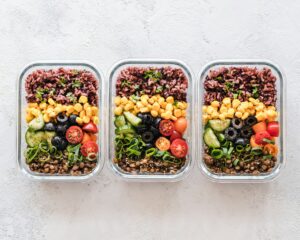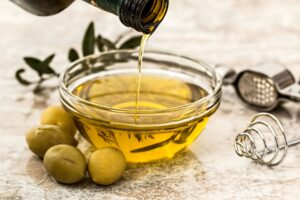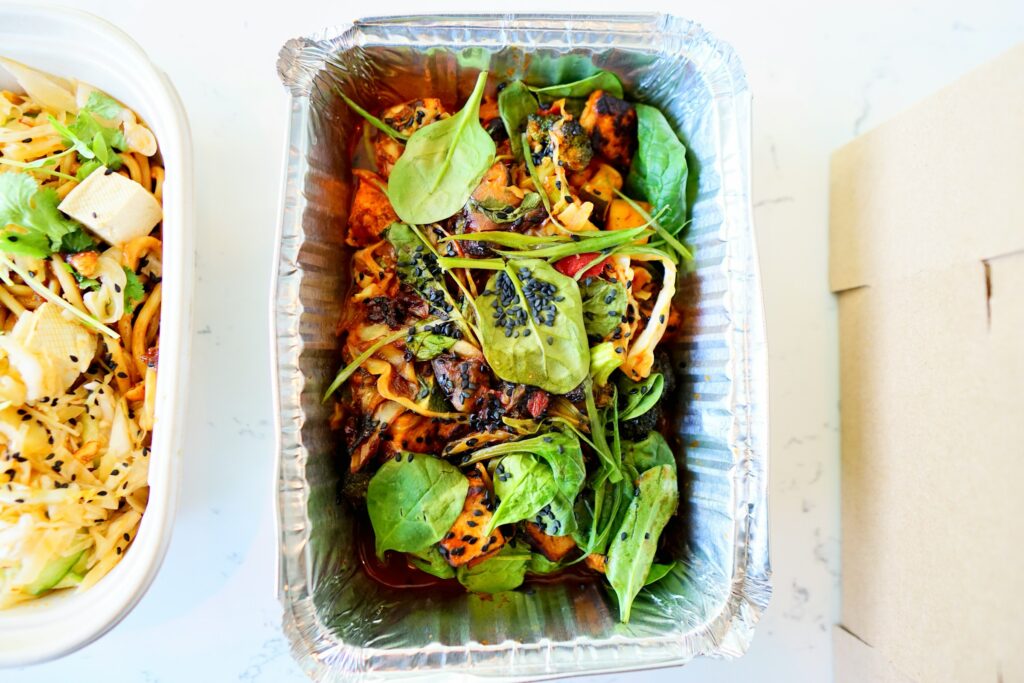
Preparing vegan meals for the week doesn’t have to take over your Sunday or leave your fridge full of meals you don’t want to eat.
With a simple plan, you can cook a few versatile ingredients, mix them into different meals, and enjoy delicious homemade food all week long while spending less time in the kitchen.
If you’re new to vegan meal prep, it’s normal to feel unsure about what to cook, how much to make, or how to keep meals from becoming repetitive.
The good news is that a little planning goes a long way. You’ll waste less food, save money on groceries, and skip the daily question of what’s for dinner.
In this guide, I’ll walk you through the entire process step by step.
You’ll learn how to plan your meals, shop efficiently, batch cook the basics, store everything properly, and build flavorful vegan meals that are easy to enjoy throughout the week.
At a Glance
| Quick Overview | Details |
|---|---|
| Prep Time | 1–2 hours |
| Difficulty | Beginner |
| Meals Covered | 5–15 meals |
| Best Prep Day | Sunday or any free day |
| Storage | Refrigerator and freezer friendly |
What Is Vegan Meal Prep?
Vegan meal prep is simply the practice of preparing vegan food before you need to eat it, so meals are ready when life gets busy.
Instead of cooking every breakfast, lunch, and dinner from scratch, you spend a little time preparing ingredients or full meals in advance.
The goal isn’t to fill your refrigerator with identical containers of food.
It’s to make everyday cooking easier by giving yourself a head start.
Meal Prep Explained
Preparing Complete Meals Ahead of Time
One way to meal prep is to cook complete meals and portion them into individual containers.
For example, you might prepare a chickpea curry with rice, divide it into containers, and simply reheat a serving whenever you’re ready to eat.
This approach works well if your weekdays are packed and you want meals that require almost no effort.
It also makes it easier to grab lunch before work or have dinner ready after a long day.
If you enjoy variety, you can prepare two or three different recipes instead of making one large batch of the same meal.
That way, you’ll have different flavors to look forward to throughout the week.
Batch Cooking Versus Ingredient Prepping
Another popular approach is batch cooking.
This means cooking larger amounts of staple ingredients like rice, quinoa, lentils, roasted vegetables, or baked tofu instead of assembling complete meals.
Once everything is cooked, you can mix and match those ingredients in different ways each day.
A bowl of rice, roasted vegetables, and tofu can become a grain bowl one day, a wrap the next, and a quick stir-fry later in the week with just a different sauce or seasoning.
Ingredient prepping is even simpler.
Instead of fully cooking everything, you wash lettuce, chop vegetables, drain beans, or prepare homemade sauces, so they’re ready when it’s time to cook.
Many home cooks enjoy combining these methods.
You might batch cook grains and proteins, prep fresh vegetables, and leave final assembly until mealtime.
This keeps meals feeling fresh while still saving plenty of time.
Choosing a Meal Prep Style That Fits Your Schedule
There isn’t one perfect way to meal prep.
The best system is the one you’ll actually use every week.
If you only have an hour on Sunday, focus on preparing a few basics instead of trying to cook every meal.
If you enjoy spending more time in the kitchen once a week, you may prefer making complete meals that are ready to heat and eat.
Some people prep twice a week instead of doing everything in one session.
A short prep on Sunday and another on Wednesday helps keep fresh ingredients tasting their best and adds more variety to your meals.
Don’t worry about following someone else’s routine.
Start small, find what feels comfortable, and adjust your process as you gain confidence.
Why It Works
Vegan meal prep isn’t about making cooking more complicated.
It’s about doing a little work ahead of time so everyday meals become quicker, easier, and more enjoyable.
Saves Time During Busy Weekdays
Having cooked ingredients waiting in your refrigerator can turn dinner into a meal that’s ready in minutes instead of nearly an hour.
Instead of chopping vegetables, cooking grains, and preparing protein every evening, much of the work is already finished.
That extra time can be spent relaxing with family, catching up on your favorite show, or simply enjoying your meal without feeling rushed.
Helps Reduce Food Waste
Planning meals before shopping makes it much easier to buy only what you’ll actually use.
Ingredients are less likely to sit forgotten in the back of the refrigerator until they’re no longer fresh.
Cooking with the same vegetables, grains, and proteins in several meals also helps you use everything efficiently.
A roasted tray of vegetables can easily appear in salads, grain bowls, wraps, and pasta dishes during the week.
Makes Everyday Eating More Convenient
When good food is already prepared, choosing a homemade meal becomes the easiest option.
There’s no need to start from scratch every time you’re hungry.
Even on your busiest days, you can put together a flavorful meal with very little effort.
Keeping a few sauces on hand is a simple trick that makes the same ingredients taste completely different from one meal to the next.
Can Lower Grocery Costs
Meal prep naturally encourages smarter shopping.
Planning your meals before heading to the store helps you avoid buying ingredients you don’t need.
Cooking larger batches of pantry staples like beans, lentils, rice, and pasta is often more affordable than relying on convenience foods or last-minute takeout.
Using leftovers in creative ways also stretches your grocery budget.
A pot of cooked lentils can become tacos one night, soup the next, and a hearty salad topping later in the week, giving you several satisfying meals from a single batch.
Benefits of Meal Prepping Vegan Meals
Less Time in the Kitchen
One of the biggest benefits of meal prepping is spending less time cooking during the week.
By preparing grains, beans, vegetables, and proteins in one session, you avoid repeating the same tasks every day.
You’ll also have fewer pots and pans to wash because you’re cooking larger batches instead of making separate meals each evening.
Cook once, then enjoy those ingredients in different meals throughout the week.
A batch of roasted vegetables can be added to grain bowls, wraps, pasta dishes, or salads, while cooked rice or quinoa can become the base for several different recipes.
Better Portion Control
Preparing meals ahead of time makes it easier to serve balanced portions without having to think about it every day.
Once meals are divided into containers or ingredients are portioned, grabbing lunch or putting together dinner becomes quick and convenient.
A simple combination of grains, plant-based protein, vegetables, and a flavorful sauce creates a satisfying meal that’s ready whenever you need it.
This approach also helps make busy weekdays feel much more organized.
More Variety Throughout the Week
Meal prep doesn’t mean eating the same meal every day.
Preparing a variety of ingredients instead of complete meals gives you the freedom to mix and match throughout the week.
The same roasted vegetables can be paired with rice and peanut sauce one day, tucked into a wrap with hummus the next, or served over pasta with a simple tomato sauce.
Changing herbs, spices, and sauces is an easy way to create fresh flavors without extra cooking.
Reduces Decision Fatigue
After a busy day, deciding what to cook can feel like the hardest part of making dinner.
Meal prep removes that daily guesswork because your meals or ingredients are already planned and waiting for you.
Instead of opening the refrigerator with no idea where to start, you can quickly assemble a flavorful meal in just a few minutes.
That extra bit of planning helps make home cooking feel easier, less stressful, and much more enjoyable all week long.
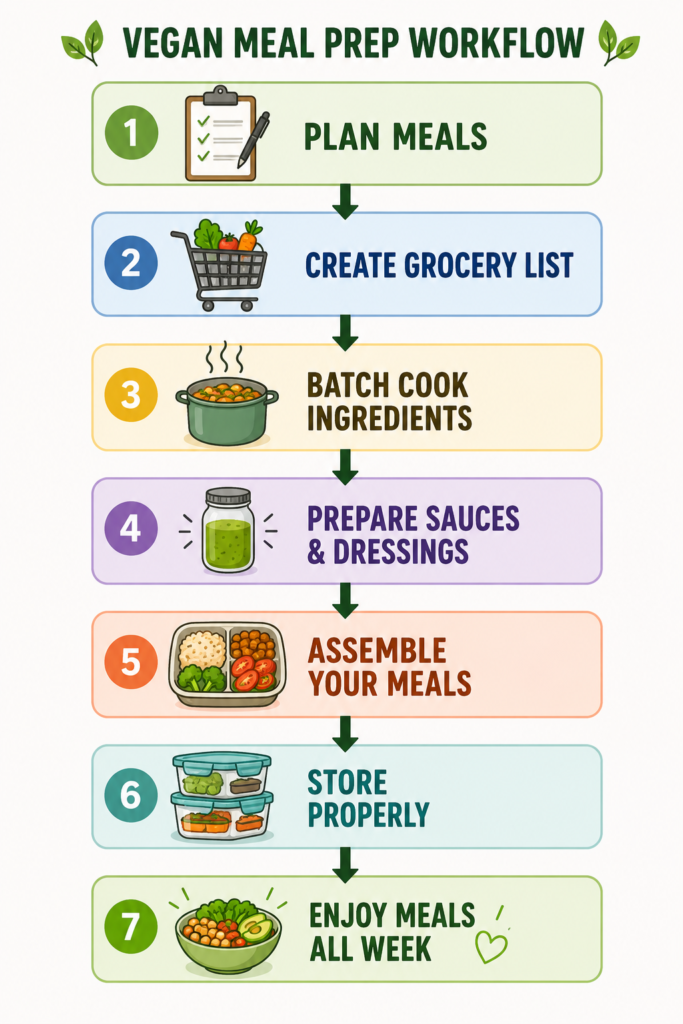
Step 1: Plan Your Weekly Meals
A successful meal prep session starts before you turn on the stove.
Taking a few minutes to plan your meals helps you shop with confidence, avoid wasting ingredients, and make the most of the time you spend cooking.
Decide How Many Meals You Need
Start by thinking about the week ahead.
Look at your work schedule, family plans, and any meals you’ll be eating away from home.
Then decide how many meals you actually need to prepare.
For example, consider:
- Breakfasts: Overnight oats, smoothie packs, or breakfast burritos.
- Lunches: Grain bowls, wraps, salads, or leftovers.
- Dinners: Simple meals made with your prepped ingredients, such as stir-fries, curries, or pasta dishes.
- Snacks: Fresh fruit, cut vegetables, hummus, roasted chickpeas, mixed nuts, or energy bites.
Planning only the meals you’ll actually eat keeps your prep realistic and helps reduce food waste.
Choose Simple Recipes
Meal prep is much easier when you keep your recipes simple.
Look for meals that share several of the same ingredients.
For example, if you’re roasting broccoli, sweet potatoes, and chickpeas, you can use them in grain bowls, wraps, salads, and pasta dishes throughout the week.
Using overlapping ingredients means less shopping, less chopping, and fewer leftovers sitting unused in the refrigerator.
It’s also a good idea to limit the number of brand-new recipes each week.
If you’re trying three or four unfamiliar dishes at once, meal prep can quickly become overwhelming.
Instead, pair one new recipe with a few family favorites that you already know and enjoy.
Build Around Seasonal Produce
Seasonal fruits and vegetables are often fresher, more flavorful, and easier on your grocery budget.
They also add natural variety to your meals throughout the year.
When planning your menu, choose a few vegetables that can be used in multiple dishes, such as broccoli, carrots, bell peppers, zucchini, or sweet potatoes.
Add fresh fruit for breakfasts and snacks, choosing whatever is in season and looks its best at the store or farmers market.
Building your meals around seasonal produce is a simple way to keep your meal prep colorful, delicious, and budget-friendly without adding extra work.
Meal Prep by Household Size
If you’re unsure how much food to prepare, use this table as a general starting point.
You can always adjust the number of meals based on your family’s schedule, how often you eat out, and how much you enjoy leftovers.
| Household Size | Suggested Meals to Prep |
|---|---|
| 1 person | 5–8 meals |
| 2 people | 10–12 meals |
| Family of 4 | 18–24 meals |
Common Prep Day Shopping Checklist
Before heading to the grocery store, take a few minutes to run through this quick checklist.
It helps you stay organized, avoid buying duplicates, and makes your meal prep session much smoother.
- Set out your meal prep containers.
- Check your pantry first.
- Plan your meals for the week.
- Make a grocery list.
- Clean out the refrigerator.
Step 2: Create a Smart Grocery List
A well-planned grocery list is one of the easiest ways to make meal prep smooth and stress-free.
Shopping with a list helps you buy only what you need, saves time in the store, and makes it less likely that you’ll forget an important ingredient.
Try organizing your list by category so it’s easier to shop and unpack when you get home.
Pantry Staples
Your pantry is the foundation of many vegan meals.
Keeping a few versatile staples on hand means you can build countless recipes without starting from scratch every week.
Some of the best pantry essentials include:
- Rice
- Pasta
- Oats
- Lentils
- Beans
- Quinoa
These ingredients store well, are easy to cook in large batches, and work in everything from soups and salads to grain bowls and hearty dinners.
Refrigerated Items
Refrigerated ingredients add freshness, texture, and satisfying plant-based protein to your meals.
Consider keeping these staples stocked:
- Tofu
- Tempeh
- Plant-based yogurt
- Plant milk
Tofu and tempeh absorb marinades beautifully, making them easy to flavor in different ways throughout the week.
Plant-based yogurt works well for breakfasts, snacks, or creamy sauces, while plant milk is useful for smoothies, overnight oats, baking, and cooking.
Fresh Produce
Choose vegetables and fruits that you enjoy eating and can use in several different meals.
Buying ingredients with multiple uses helps reduce waste and keeps meal prep more affordable.
Some excellent options include:
- Leafy greens
- Bell peppers
- Carrots
- Broccoli
- Cucumbers
- Sweet potatoes
- Onions
- Garlic
These vegetables can be roasted, steamed, sautéed, or enjoyed fresh, giving you plenty of flexibility when it’s time to build your meals.
Flavor Boosters
Simple seasonings and sauces can completely change the taste of the same basic ingredients.
Keeping a few flavor boosters in your kitchen makes it easy to create different meals without extra cooking.
Stock up on:
- Fresh or dried herbs
- Your favorite spices
- Soy sauce
- Tahini
- Mustard
- Lemon juice
- Nutritional yeast
For example, roasted vegetables can taste Mediterranean with lemon and herbs, savory with nutritional yeast, or rich and nutty with a drizzle of tahini.
A small collection of flavorful ingredients goes a long way toward keeping your weekly meal prep exciting.
Step 3: Batch Cook Your Core Ingredients
Now it’s time to cook the ingredients that will become the building blocks of your meals.
Instead of preparing a different recipe every day, cook a variety of staples in one session and mix them into different meals throughout the week.
Grains
Cook one or two grains to use as the base for lunches and dinners.
Some great choices include:
- Rice
- Quinoa
- Farro
- Couscous
Cook the grains according to the package directions and let them cool before storing them in airtight containers.
Having cooked grains ready makes it easy to build grain bowls, salads, stir-fries, stuffed vegetables, and side dishes in just a few minutes.
If you’re preparing more than one grain, each meal can have a different texture and flavor while using many of the same vegetables and proteins.
Protein Sources
Preparing plant-based proteins ahead of time saves a lot of work during the week.
Good options include:
- Lentils
- Chickpeas
- Black beans
- Tofu
- Tempeh
Cook dried lentils and beans until tender, or use canned versions when you’re short on time.
Bake, pan-fry, or air fry tofu and tempeh after seasoning them with your favorite marinade or spice blend.
Keeping several protein options ready allows you to create different meals without feeling like you’re eating the same thing every day.
Roasted Vegetables
Roasting brings out the natural sweetness and rich flavor of vegetables while creating delicious caramelized edges.
A large baking tray can provide enough vegetables for several meals.
Try roasting:
- Sweet potatoes
- Cauliflower
- Broccoli
- Zucchini
- Bell peppers
Cut the vegetables into similar-sized pieces so they cook evenly.
Toss them with a little oil, your favorite seasonings, and roast until they’re tender and lightly browned.
These vegetables are perfect for grain bowls, wraps, pasta dishes, salads, and quick side dishes.
Fresh Components
Not everything needs to be cooked.
Preparing a few fresh ingredients ahead of time makes assembling meals much faster while adding crisp texture and color.
Wash, dry, and prepare:
- Salad greens
- Shredded carrots
- Sliced cucumbers
- Cherry tomatoes
Store each ingredient in its own airtight container so everything stays fresh for as long as possible.
When it’s time to eat, simply combine your cooked grains, protein, roasted vegetables, and fresh components for a meal that’s colorful, flavorful, and ready in minutes.
One-Hour Meal Prep Timeline
If you’re short on time, this simple workflow helps you prepare the basics in about an hour.
Many of these tasks can overlap, making your prep session even more efficient.
| Time | Task |
|---|---|
| 0–10 min | Wash and chop all vegetables. |
| 10–20 min | Start cooking your grains, such as rice or quinoa. |
| 20–35 min | Roast vegetables and cook tofu or tempeh. |
| 35–45 min | Prepare homemade sauces and dressings. |
| 45–60 min | Assemble meals and portion them into containers. |
Tip: While your grains cook and vegetables roast, use that hands-off time to prepare sauces and organize your storage containers. This simple multitasking can help you finish your meal prep even faster.
Step 4: Prepare Homemade Sauces and Dressings
A good sauce can completely change a meal.
Even if you’re using the same grains, vegetables, and proteins throughout the week, switching the sauce makes everything taste fresh and exciting.
Preparing a few sauces during your meal prep session only takes a few extra minutes, but it gives you plenty of options when it’s time to eat.
Store each sauce in a sealed jar or small container in the refrigerator so it’s ready whenever you need it.
Easy Sauce Ideas
You don’t need a long list of ingredients to make flavorful sauces.
Start with a few simple favorites that pair well with a variety of meals.
- Lemon tahini dressing: Creamy, tangy, and perfect for grain bowls, roasted vegetables, and salads.
- Peanut sauce: Rich and nutty with a slightly savory flavor that works well with tofu, noodles, wraps, and stir-fries.
- Hummus: Use it as a dip for vegetables, a spread for sandwiches and wraps, or a creamy topping for bowls.
- Salsa: Adds a fresh, vibrant flavor to burrito bowls, tacos, baked potatoes, and rice dishes.
- Simple vinaigrette: A quick blend of olive oil, lemon juice or vinegar, mustard, and your favorite herbs for salads and roasted vegetables.
Making these sauces at home lets you adjust the flavors to your taste, whether you prefer something tangy, creamy, smoky, or a little spicy.
Why Sauces Matter
Sauces are one of the easiest ways to keep meal prep interesting.
A bowl of rice, roasted broccoli, and baked tofu can feel completely different depending on the sauce you drizzle over it.
One day you might choose a creamy lemon tahini dressing, while the next day the same ingredients become a satisfying meal with peanut sauce or fresh salsa.
This simple trick adds variety without requiring extra cooking or another trip to the grocery store.
Keeping a few sauces on hand also helps prevent meal boredom.
Instead of making several completely different recipes, you can prepare a handful of versatile ingredients and create new flavor combinations throughout the week.
Step 5: Assemble Your Meals
This is where all of your prep comes together.
With your grains, proteins, vegetables, and sauces ready to go, putting together a meal becomes quick and easy.
You don’t need to follow a strict recipe every time.
Mix and match your prepared ingredients based on what you’re in the mood for, and you’ll have plenty of variety throughout the week.
Grain Bowls
Grain bowls are one of the easiest meals to build because they follow a simple formula:
Grain + protein + vegetables + sauce
Start with a base like rice, quinoa, farro, or couscous.
Add a serving of tofu, tempeh, lentils, chickpeas, or black beans for plant-based protein.
Top everything with roasted vegetables and a handful of fresh ingredients like leafy greens or sliced cucumbers.
Finish with your favorite sauce, such as lemon tahini dressing or peanut sauce, to bring all the flavors together.
Wraps and Sandwiches
Wraps and sandwiches are perfect when you need a quick lunch or an easy dinner.
Spread a generous layer of hummus on your wrap or bread, then add your favorite vegetables, cooked beans, and fresh greens.
You can also include roasted vegetables or sliced tofu for extra texture and flavor.
Roll everything tightly or stack it between slices of bread for a meal that’s easy to pack and enjoy on the go.
Salads
A prepared salad doesn’t have to be boring.
Start with fresh leafy greens and add roasted vegetables, cooked grains, beans, or tofu to make it more satisfying.
Mix in crunchy vegetables like carrots and cucumbers for extra texture.
For the freshest flavor, keep your dressing in a separate container and add it just before serving.
This helps the greens stay crisp instead of becoming soft while they sit in the refrigerator.
Pasta Meals
Cooked whole-grain pasta makes an excellent base for quick weeknight meals.
Simply reheat a portion and toss it with roasted vegetables and your favorite beans or lentils.
Finish with dairy-free pesto for a fresh, herby flavor or a simple tomato sauce for a comforting classic meal.
A sprinkle of nutritional yeast and fresh herbs can add even more flavor with very little effort.
Stir-Fries
Stir-fries are one of the fastest meals you can make with prepped ingredients.
Heat a little oil in a skillet or wok, then add your cooked vegetables and protein until they’re warmed through.
Stir in a splash of soy sauce or peanut sauce, then serve everything over your prepared rice or quinoa.
Because most of the ingredients are already cooked, dinner can be ready in just a few minutes, making stir-fries a perfect option for busy evenings.
Mix-and-Match Meal Formula
Once you’ve prepped your ingredients, creating a meal is as simple as choosing one item from each category.
Mix different combinations throughout the week to enjoy a wide variety of meals without doing extra cooking.
| Choose One | Examples |
|---|---|
| Grain | Rice, quinoa, farro |
| Protein | Tofu, lentils, chickpeas |
| Vegetables | Broccoli, bell peppers, carrots |
| Sauce | Peanut sauce, lemon tahini dressing, salsa |
| Topping | Fresh herbs, seeds, nutritional yeast |
🍴 Kitchen Confidence Tip: You don’t need seven completely different meals to keep your week interesting. A simple change in sauce, seasoning, or grain can make the same vegetables and protein feel like an entirely new dish. Focus on preparing versatile ingredients, then have fun mixing and matching them throughout the week.
A Sample 5-Day Vegan Meal Prep Plan
| Day | Lunch | Dinner |
|---|---|---|
| Monday | Chickpea grain bowl with roasted vegetables and lemon tahini dressing | Vegetable stir-fry with tofu served over rice |
| Tuesday | Lentil salad with leafy greens, cucumbers, carrots, and vinaigrette | Whole-grain pasta with roasted vegetables and tomato sauce |
| Wednesday | Burrito bowl with rice, black beans, bell peppers, corn, salsa, and avocado | Vegetable curry served over fluffy rice |
| Thursday | Mediterranean wrap with hummus, roasted vegetables, leafy greens, and cucumbers | Stuffed sweet potato with black beans, broccoli, and a drizzle of tahini |
| Friday | Buddha bowl with quinoa, roasted vegetables, chickpeas, fresh greens, and peanut sauce | Peanut noodle bowl with whole-grain noodles, tofu, broccoli, carrots, and bell peppers |
This meal plan is meant to inspire rather than follow strict rules.
Notice how many of the same ingredients appear in different meals throughout the week.
Roasted vegetables, cooked grains, beans, tofu, and homemade sauces are used in new combinations each day, helping you save time while keeping meals fresh and flavorful.
As you become more comfortable with meal prepping, you can easily swap ingredients, try different sauces, or add seasonal produce to create a meal plan that fits your own tastes.
Essential Containers for Vegan Meal Prep
The right containers make meal prep easier from start to finish.
They help keep food fresh, make your refrigerator more organized, and make it simple to grab a meal when you’re short on time.
Start with a few reliable containers that fit the foods you prepare most often, then add more as needed.
Glass Containers
Glass containers are a favorite for weekly meal prep because they’re sturdy, easy to clean, and don’t absorb food odors or stains.
They’re perfect for storing cooked grains, roasted vegetables, pasta dishes, soups, and complete meals.
Most glass containers are also microwave-safe, so you can reheat your food in the same container without transferring it to another dish.
Choose containers with airtight lids to help keep your meals fresh throughout the week.
Leak-Proof Containers
Small leak-proof containers are ideal for sauces, dressings, and dips.
Keeping sauces separate until you’re ready to eat helps salads stay crisp and prevents grain bowls or wraps from becoming soggy.
They’re also great for packing peanut sauce, hummus, salsa, or vinaigrettes alongside your meals without worrying about spills.
Small Snack Containers
Small containers are perfect for portioning snacks ahead of time.
Having ready-to-eat snacks makes it easy to grab something satisfying between meals or pack a lunch without extra preparation.
Some great options include:
- Mixed nuts
- Fresh fruit
- Cut vegetables
- Hummus or other dips
Preparing snacks in advance also helps make busy mornings much smoother.
Mason Jars
Mason jars are surprisingly versatile and can be used for much more than preserving food.
They’re perfect for overnight oats because you can mix everything together, seal the jar, and refrigerate it until breakfast.
They also work well for layered salads, with the dressing on the bottom and leafy greens on top to keep everything fresh until it’s time to eat.
You can even fill mason jars with smoothie ingredients and store them in the refrigerator or freezer, making it easy to blend a quick breakfast or snack whenever you need it.
How to Store Vegan Meal Prep
Proper storage is just as important as the cooking itself.
A few simple habits will help keep your meals tasting fresh, make them easier to organize, and ensure they’re ready whenever you need them.
Refrigerator Tips
Allow cooked food to cool slightly before transferring it to storage containers.
Putting very hot food straight into the refrigerator can create extra moisture inside the container, which may affect the texture of your meals.
Once cooled, seal your meals in airtight containers and place them in the refrigerator.
Label each container with the date it was prepared so you can easily use older meals first.
This simple step helps you stay organized and reduces the chance of forgetting what’s in the fridge.
Whenever possible, store sauces and dressings in separate containers.
Adding them just before serving keeps salads crisp, roasted vegetables from becoming soft, and grain bowls tasting fresh.
If you’ve prepped fresh herbs or sliced avocado, add them at serving time for the best flavor and texture.
Freezer-Friendly Foods
Some vegan meals freeze exceptionally well, making them perfect for busy weeks or future meals.
If you’ve prepared more than you can eat in a few days, freezing individual portions is an easy way to avoid waste.
These foods are great choices for the freezer:
- Soups
- Chili
- Cooked beans
- Cooked rice
- Lentil dishes
- Vegetable curries
Let freezer-bound meals cool completely before packaging them in airtight freezer-safe containers or bags.
Label each container with the name of the meal and the date it was frozen so you can quickly identify it later.
When you’re ready to enjoy a frozen meal, thaw it in the refrigerator overnight if possible, then reheat it until it’s hot all the way through.
Best Foods to Prep Ahead vs. Prepare Fresh
Not every ingredient keeps its best texture or flavor after several days in the refrigerator.
This quick guide helps you decide what to prepare in advance and what to leave until you’re ready to eat.
| Prep Ahead | Prepare Fresh |
|---|---|
| Rice | Avocado |
| Lentils | Bananas |
| Roasted vegetables | Fresh herbs |
| Tofu | Leafy greens |
| Soups | Sliced apples |
How to Keep Meal Prep Interesting
One of the biggest myths about meal prep is that you’ll be eating the same meal every day.
The secret to keeping things exciting isn’t making dozens of different recipes.
It’s finding simple ways to give the same ingredients fresh flavors and textures throughout the week.
Rotate Proteins
Using different plant-based proteins is one of the easiest ways to add variety to your meals.
Instead of relying on just one option all week, switch between a few favorites such as:
- Tofu
- Tempeh
- Beans
- Lentils
Each protein has its own texture and flavor, so even if you’re using the same vegetables and grains, your meals will feel different.
For example, roasted vegetables paired with crispy tofu create a completely different meal than those same vegetables served with seasoned lentils or hearty black beans.
Change Seasonings
A different seasoning blend or sauce can completely transform a meal.
The same bowl of rice, vegetables, and beans can take on a whole new personality depending on the flavors you add.
Try changing your meals with different cuisines, such as:
- Mexican-inspired: Chili powder, cumin, salsa, and fresh cilantro.
- Mediterranean: Lemon juice, oregano, parsley, hummus, and tahini.
- Indian-inspired: Curry powder, turmeric, cumin, ginger, and garam masala.
- Asian-inspired: Soy sauce, sesame oil, garlic, ginger, and peanut sauce.
Use Different Cooking Methods
Cooking the same ingredients in different ways creates new textures and flavors.
A simple change in cooking method can make familiar vegetables and proteins feel completely different.
Try mixing things up by using:
- Roasting for rich, caramelized flavor.
- Air frying for a crispy finish with very little oil.
- Grilling for smoky flavor and beautiful char marks.
- Steaming for vegetables that stay bright, tender, and fresh-tasting.
Rotating cooking methods throughout the week keeps meals from feeling repetitive while helping you get more enjoyment from the ingredients you’ve already prepared.
Common Vegan Meal Prep Mistakes to Avoid
Making Too Much Food
It’s tempting to prepare enough food for every meal of the week, especially when you’re feeling motivated.
However, cooking too much can leave you with more leftovers than you can realistically eat.
Start with realistic portions based on your schedule and the number of meals you’ll actually be home to enjoy.
As you get more comfortable with meal prepping, you’ll quickly learn how much food works best for you or your family.
Forgetting Texture
Great meals aren’t just about flavor—they’re also about texture.
If everything in your meal is soft, it can start to feel repetitive after a few days.
Keep crunchy ingredients, such as nuts, seeds, crispy roasted chickpeas, or fresh vegetables, in separate containers until you’re ready to eat.
Adding them just before serving helps them stay crisp and makes each meal more enjoyable.
Skipping Sauces
A delicious sauce can completely change the flavor of a meal.
Without one, the same grains, vegetables, and proteins can start to taste repetitive.
Preparing one or two simple sauces during your meal prep session gives you an easy way to create different flavor combinations all week long.
Even a quick vinaigrette, peanut sauce, or lemon tahini dressing can make familiar ingredients feel fresh again.
Buying Too Much Produce
Fresh fruits and vegetables are wonderful, but buying more than you can use often leads to unnecessary waste.
Plan your shopping list around the meals you’ve already chosen instead of filling your cart with ingredients you might use.
Choosing produce that can appear in several different recipes also helps you get the most from every grocery trip.
Using Only One Flavor Profile
Cooking everything with the same herbs and spices can make meals feel repetitive, even when the ingredients change.
Instead, use different seasoning blends and sauces throughout the week to create variety.
A batch of roasted vegetables can taste Mediterranean one day, Mexican-inspired the next, and Asian-inspired later in the week with only a few simple changes.
Adding variety keeps meal prep enjoyable and makes it much easier to stick with your routine over time.
Budget-Friendly Vegan Meal Prep Tips
- Buy dried beans and lentils in bulk: They cost less than canned varieties and provide plenty of servings once cooked.
- Choose frozen fruits and vegetables when appropriate: They’re picked at peak freshness, last much longer, and help reduce food waste.
- Purchase seasonal produce: Fruits and vegetables that are in season are often more affordable and full of flavor.
- Repurpose leftovers into new meals: Turn leftover grains, beans, and roasted vegetables into wraps, salads, soups, or grain bowls instead of cooking from scratch.
- Keep a well-stocked pantry: Having staples like rice, pasta, oats, quinoa, canned tomatoes, herbs, and spices on hand makes it easier to create budget-friendly meals with fewer grocery trips.
💰 Estimated Weekly Savings: Preparing lunches and dinners at home instead of ordering takeout a few times each week can noticeably reduce your food spending while ensuring you always have ready-to-eat meals in the refrigerator. Even replacing just a few restaurant meals with homemade vegan dishes can make meal planning more affordable over time while helping reduce food waste.
Beginner’s First Meal Prep Checklist
Ready to try vegan meal prep for the first time? Follow this simple checklist to keep your prep session manageable and stress-free.
- ✓ Choose 2–3 simple recipes.
- ✓ Shop using a grocery list.
- ✓ Cook one grain and one protein.
- ✓ Roast one tray of vegetables.
- ✓ Prepare one homemade sauce.
- ✓ Portion meals into containers.
- ✓ Label your containers and refrigerate them.
You don’t have to prep every meal for the entire week on your first attempt.
Starting with a few simple, well-prepared meals is an easy way to build confidence and develop a meal prep routine that works for your schedule.
Final Thoughts
Vegan meal prep doesn’t have to be complicated to be effective.
Start with a few staple ingredients, prepare them well, and use them to build simple, flavorful meals throughout the week.
As you become more comfortable, experiment with new sauces, seasonings, and seasonal produce to keep every meal fresh and exciting.
If you’re just getting started, prep two or three meals instead of a full week.
You’ll build confidence with each session, and before long, meal prepping will feel like a natural part of your weekly routine.
FAQs
How many days do vegan meal prep meals usually stay fresh?
Most vegan meal prep meals stay fresh in the refrigerator for 3 to 5 days when stored in airtight containers.
For the best flavor and texture, enjoy fresh ingredients like salads and herbs earlier in the week.
Can you freeze vegan meal prep?
Yes. Many vegan meals freeze well, including soups, chili, curries, cooked beans, lentil dishes, and rice. Freeze meals in individual portions for quick and convenient lunches or dinners.
What’s the best protein for vegan meal prep?
There isn’t one best option. Tofu, tempeh, lentils, chickpeas, and black beans are all excellent choices because they’re versatile, easy to prepare in batches, and work well in many different recipes.
How long does cooked tofu last in the refrigerator?
Cooked tofu will usually keep for 3 to 5 days when stored in an airtight container in the refrigerator. Reheat it thoroughly before serving.
Can I meal prep salads for the whole week?
Yes, but store the dressing separately and add it just before serving. Keeping wet ingredients apart from the greens helps salads stay fresh and crisp for longer.
What are the easiest vegan meals to prep for beginners?
Grain bowls, wraps, pasta dishes, salads, stir-fries, and overnight oats are all beginner-friendly options.
They use simple ingredients, are easy to customize, and come together quickly with a little planning.
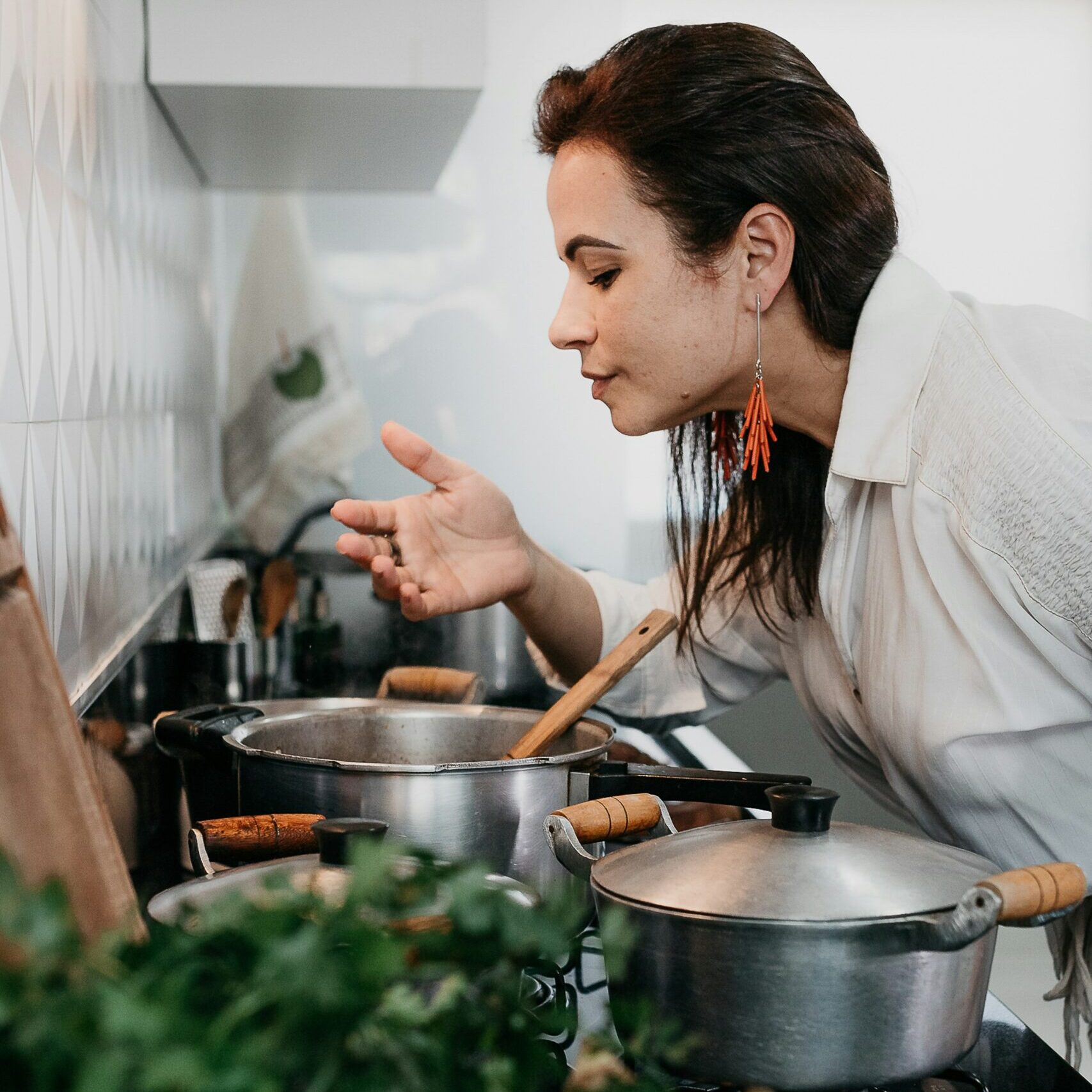
Hi, I’m Daisy Roots, the home cook and recipe developer behind this kitchen. I create simple, tested vegan recipes using everyday ingredients. Every dish is developed and cooked in my own kitchen, with clear steps to help you get reliable results every time. Thanks for stopping by — let’s cook something great!