Roasting is one of the easiest ways to turn everyday vegetables into something truly delicious.
The high heat brings out their natural sweetness, creates rich caramelized edges, and adds the kind of flavor that steaming or boiling simply can’t match.
If your vegetables often come out soggy, pale, or lacking flavor, a few small changes can make a big difference.
In this guide, you’ll learn the simple techniques that help vegetables roast evenly, brown beautifully, and deliver great flavor every time.
Why Roasting Enhances Flavor
The Science Behind Roasting
Roasting transforms vegetables in a way that brings out their best qualities.
The high heat of the oven removes excess moisture, which helps concentrate the natural flavors already present in the vegetables.
As the surface dries, the vegetables begin to brown instead of steam.
This is where the magic happens.
Natural sugars in the vegetables start to caramelize, creating a sweeter and more complex flavor.
At the same time, browning develops rich, savory notes that add depth to every bite.
This combination of caramelization and browning is what gives roasted vegetables their signature golden color and irresistible taste.
Heat also changes texture.
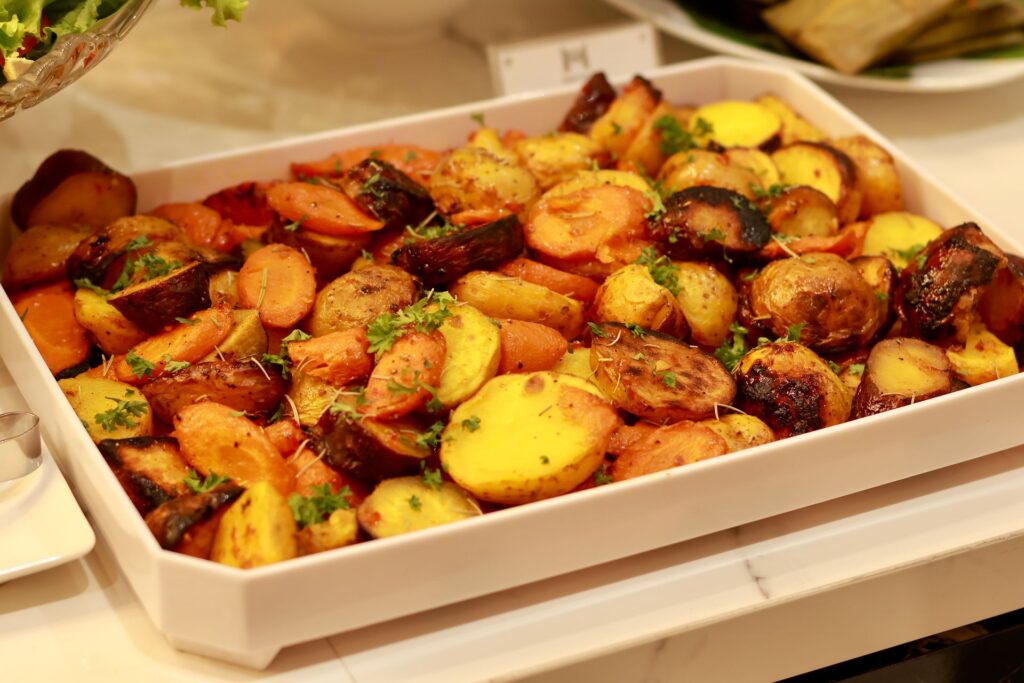
The inside becomes tender while the outside develops lightly crisp, caramelized edges.
That contrast makes roasted vegetables far more satisfying than vegetables that are simply boiled or steamed.
Benefits of Roasted Vegetables
One of the biggest benefits of roasting is the rich flavor it creates.
The concentrated sweetness, savory browned edges, and deeper overall taste can make even simple vegetables feel special.
Many vegetables that seem ordinary on their own become far more appealing after a trip through a hot oven.
Roasting also creates a better texture.
Instead of ending up soft and watery, vegetables develop crisp edges while staying tender in the center.
This balance of textures makes every bite more enjoyable.
Another advantage is versatility.
Roasted vegetables work as an easy side dish, but they can also be added to salads, grain bowls, pasta dishes, wraps, soups, and meal-prep containers.
Once you learn how to roast vegetables properly, you’ll have a simple cooking technique that adds flavor, texture, and variety to countless meals.
Choosing the Best Vegetables for Roasting
Not all vegetables roast the same way, but many develop incredible flavor when exposed to high heat.
The best roasting vegetables are those that can caramelize well, hold their shape, and develop a tender interior with lightly crisp edges.
Root Vegetables
- Carrots – Become naturally sweeter and develop delicious caramelized edges when roasted.
- Sweet Potatoes – Turn creamy on the inside while developing a lightly crisp, golden exterior.
- Beets – Roasting enhances their earthy sweetness and creates a richer flavor.
- Parsnips – Develop a sweet, nutty taste that becomes more pronounced in the oven.
Cruciferous Vegetables
- Broccoli – Produces crispy florets and deep, savory flavor with beautifully browned edges.
- Cauliflower – Becomes tender, slightly sweet, and wonderfully caramelized when roasted.
- Brussels Sprouts – Roasting creates crispy outer leaves and a rich, nutty flavor.
Other Great Options
- Bell Peppers – Become sweeter and softer while developing lightly charred edges.
- Zucchini – Roasts quickly and develops a mild, slightly sweet flavor.
- Onions – Turn soft, sweet, and deeply flavorful as their natural sugars caramelize.
- Mushrooms – Develop a rich, savory taste and a meaty texture when properly roasted.
- Asparagus – Becomes tender with lightly crisp tips and a delicate roasted flavor.
Best Vegetable Pairings for One Pan
Roasting multiple vegetables together is a great way to create a flavorful side dish with minimal effort.
The key is choosing vegetables with similar cooking times so everything finishes roasting at the same time.
Vegetables That Roast Well Together
- Broccoli + Cauliflower + Brussels Sprouts – These cruciferous vegetables roast at similar rates and develop delicious caramelized edges.
- Carrots + Parsnips + Sweet Potatoes – Dense root vegetables that become tender and naturally sweet after roasting.
- Bell Peppers + Onions + Zucchini – A colorful combination that cooks quickly and works well in many meals.
- Mushrooms + Onions + Cauliflower – The savory flavor of mushrooms pairs beautifully with the sweetness of roasted onions and cauliflower.
When combining vegetables on one baking sheet, try to cut them into similar-sized pieces whenever possible.
If one vegetable cooks much faster than the others, add it to the pan later in the roasting process to ensure everything finishes perfectly.
Essential Equipment
You do not need a kitchen full of gadgets to make great roasted vegetables.
A few basic tools are all it takes to achieve flavorful, evenly cooked results.
Using the right equipment helps vegetables roast instead of steam, which is the key to developing those delicious golden-brown edges.
Baking Sheets
A large, rimmed baking sheet is one of the most important tools for roasting vegetables.
The large surface area gives vegetables enough room to spread out in a single layer.
When vegetables have space around them, hot air can circulate properly and help them brown evenly.
A rimmed baking sheet also prevents oil or vegetable juices from spilling into the oven during cooking.
If you are roasting a large batch, use two baking sheets instead of crowding everything onto one.
Giving vegetables extra space almost always leads to better flavor and texture.
Parchment Paper vs. Bare Pan
Both parchment paper and a bare baking sheet can produce excellent roasted vegetables.
Parchment paper makes cleanup much easier and prevents vegetables from sticking to the pan.
It is a great option for beginners or anyone who wants less mess after cooking.
A bare baking sheet often creates slightly better browning because the vegetables make direct contact with the hot metal surface.
This extra contact can help develop deeper caramelization and crispier edges.
If maximum browning is your goal, a bare pan is often the better choice.
If convenience and easy cleanup are more important, parchment paper works beautifully.
Mixing Bowls and Tools
A large mixing bowl makes seasoning vegetables much easier.
Tossing vegetables in a bowl helps distribute oil, salt, and seasonings more evenly than sprinkling them directly on the baking sheet.
Even coating means every piece has a better chance of roasting properly.
A pair of tongs is useful for mixing vegetables and turning them during roasting.
A spatula can help loosen vegetables from the pan and make flipping easier.
Measuring spoons are also helpful when adding seasonings, especially when you want consistent results from batch to batch.
Preparing Vegetables for Roasting
Great roasted vegetables start long before the baking sheet goes into the oven.
A few simple preparation steps can make the difference between vegetables that are deeply caramelized and vegetables that are soft, pale, and lacking flavor.
Taking a few extra minutes here will help you get the best results later.
Wash and Dry Thoroughly
Always begin by washing your vegetables to remove any dirt or debris.
Once they are clean, take the time to dry them thoroughly.
This step is often overlooked, but it has a big impact on the final result.
Moisture is the enemy of browning.
When water sits on the surface of vegetables, the oven must first evaporate that moisture before browning can begin.
During that time, the vegetables are essentially steaming instead of roasting.
Steamed vegetables can still be tasty, but they will not develop the rich caramelization that makes roasting so special.
After washing, pat the vegetables dry with a clean kitchen towel or paper towels.
If you have time, let them sit for a few minutes before seasoning.
The drier the surface, the easier it will be for the vegetables to brown and develop flavor.
Cut Vegetables Evenly
Uniform pieces help vegetables cook at the same rate.
When some pieces are much larger than others, the smaller pieces can burn before the larger ones become tender.
This often leads to uneven texture and inconsistent flavor.
Try to cut each vegetable into pieces that are roughly the same size.
They do not need to be perfect.
The goal is simply to create pieces that will finish cooking at about the same time.
Smaller pieces generally roast faster and develop more browned edges.
Larger pieces take longer to cook but often stay softer in the center.
Choose the size based on the texture you prefer, then keep the pieces as consistent as possible.
Avoid Overcrowding the Pan
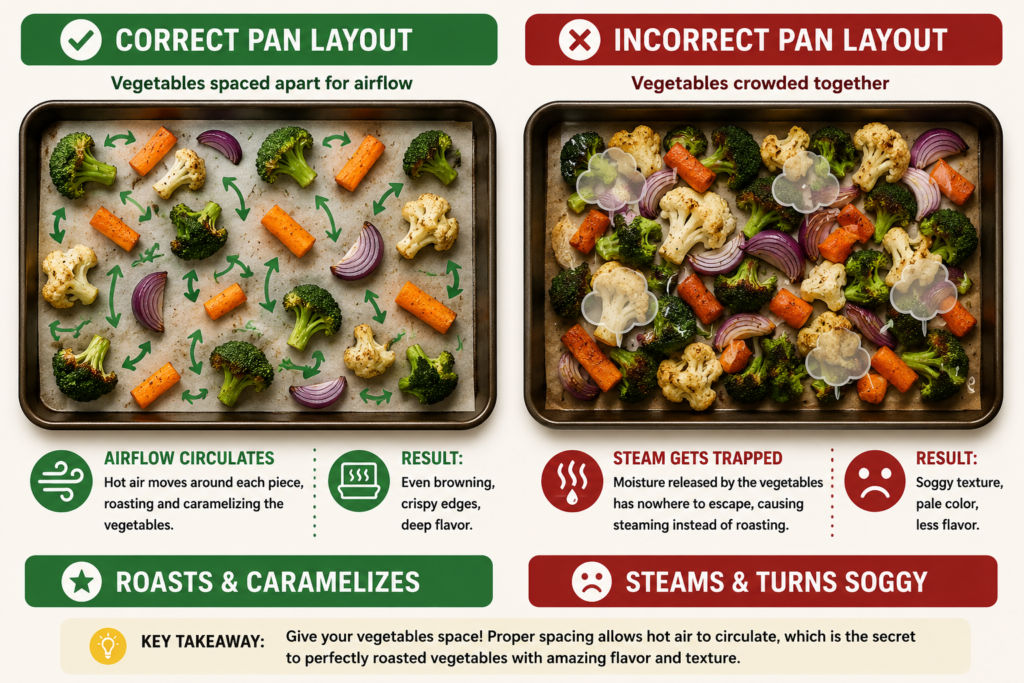
One of the most common roasting mistakes is placing too many vegetables on the baking sheet.
When vegetables are packed too closely together, they release moisture as they cook.
That moisture becomes trapped between the pieces and creates steam.
Instead of browning and caramelizing, the vegetables become soft and soggy.
For the best results, arrange the vegetables in a single layer with a little space between them.
This allows hot air to move around each piece and encourages even roasting.
The extra space helps moisture escape quickly, making it easier for caramelization to develop.
If your vegetables do not fit comfortably on one baking sheet, use a second pan.
A little extra space is one of the simplest ways to improve both flavor and texture.
When in doubt, spread them out.
Your vegetables will reward you with better color, crispier edges, and much deeper flavor.
The Perfect Roasting Temperature
The temperature of your oven plays a major role in how your vegetables turn out.
Too low, and the vegetables may become soft before they have a chance to brown.
Too high, and the outside can burn before the inside becomes tender.
Best Oven Temperature
For most vegetables, 425°F (220°C) is the sweet spot.
This temperature is hot enough to encourage browning and caramelization while still allowing the vegetables to cook through evenly.
At 425°F, vegetables can develop golden edges, concentrated flavor, and a satisfying texture without drying out too quickly.
This temperature works especially well for broccoli, cauliflower, Brussels sprouts, carrots, potatoes, sweet potatoes, and many other common roasting vegetables.
Always allow your oven to fully preheat before adding the baking sheet.
Starting with a properly heated oven helps vegetables begin roasting immediately.
That early blast of heat encourages better browning and helps prevent sogginess.
If your vegetables consistently come out pale, the oven may not have reached the correct temperature before cooking began.
A fully preheated oven is one of the simplest ways to improve your results.
Signs Your Vegetables Are Done
- Deep Golden-Brown Edges – Caramelized edges indicate that rich roasted flavors have developed.
- Tender When Pierced with a Fork – A fork should slide into the thickest piece with little resistance.
- Slightly Crisp Exterior – The outside should have some texture while the inside remains tender.
- Sweet Roasted Aroma – Properly roasted vegetables develop a warm, inviting smell as their natural sugars caramelize.
- No Visible Excess Moisture on the Pan – Most of the moisture should have evaporated, allowing the vegetables to roast instead of steam.
If your vegetables meet all five of these signs, they are ready to serve and should have excellent flavor, color, and texture.
When to Use Higher or Lower Heat
While 425°F works for most situations, some vegetables benefit from slight adjustments.
Dense vegetables such as potatoes, sweet potatoes, beets, and parsnips can handle slightly higher temperatures.
Roasting them at 450°F (230°C) can help create deeper caramelization and crispier edges.
Keep an eye on them during the final minutes of cooking to prevent excessive browning.
More delicate vegetables often do better at slightly lower temperatures.
Vegetables like asparagus, zucchini, and bell peppers can roast beautifully at 400°F (205°C).
The gentler heat allows them to become tender without overcooking or drying out.
When roasting a mixture of vegetables with different cooking times, try grouping vegetables with similar densities together.
This makes it easier for everything to cook evenly.
If that is not possible, simply add quicker-cooking vegetables to the baking sheet later in the roasting process.
A small temperature adjustment or timing change can make a noticeable difference in flavor and texture.
Once you become familiar with how different vegetables respond to heat, choosing the right temperature becomes second nature.
Seasoning for Maximum Flavor
Great roasting starts with heat, but seasoning is what takes vegetables from good to unforgettable.
The Right Amount of Oil
Oil helps vegetables roast evenly and develop those delicious golden-brown edges.
Too little oil can leave vegetables dry and prevent proper browning.
Too much oil can make them greasy and reduce caramelization.
A light, even coating is the goal.
For most baking sheets of vegetables, 1 to 2 tablespoons of oil is enough.
Toss the vegetables until every piece has a thin layer of oil rather than visible pools or heavy coatings.
The vegetables should look lightly glossy, not soaked.
Essential Seasonings
These basic seasonings create a flavorful foundation that works with almost any vegetable:
- Salt – Enhances natural flavors and helps vegetables taste more vibrant and balanced.
- Black Pepper – Adds mild heat and depth without overpowering the vegetables.
- Garlic Powder – Provides rich, savory flavor that spreads evenly across every bite.
Start with these simple seasonings before experimenting with additional flavors.
They are reliable, versatile, and work well with nearly every roasting vegetable.
Flavor Boosters
Once you have the basics covered, these ingredients can add extra personality and depth:
- Smoked Paprika – Adds a subtle smoky flavor and beautiful color.
- Chili Flakes – Bring gentle heat and a little excitement to roasted vegetables.
- Italian Seasoning – Adds a blend of herbs that pairs especially well with potatoes, zucchini, onions, and peppers.
- Lemon Zest – Brightens rich roasted flavors with a fresh citrus finish.
For the best results, add dried seasonings before roasting so they can cook with the vegetables.
Fresh ingredients such as lemon zest are often best added after roasting to preserve their bright flavor.
Do not feel limited to a single seasoning blend.
Roasted vegetables are incredibly versatile, and small changes in seasoning can create completely different flavor profiles while using the same cooking method.
Seasoning Combinations to Try
If you’re not sure which flavors pair best with certain vegetables, start with these tried-and-true combinations.
These simple pairings complement the natural flavors of the vegetables and make it easy to create a delicious side dish.
| Vegetable | Recommended Seasoning Combination |
|---|---|
| Broccoli | Garlic + Parmesan |
| Cauliflower | Smoked Paprika + Garlic |
| Carrots | Maple + Thyme |
| Brussels Sprouts | Balsamic + Black Pepper |
| Sweet Potatoes | Cinnamon + Smoked Paprika |
Use these combinations as a starting point, then adjust them to suit your taste.
Once you become comfortable with the basics, you’ll find that roasted vegetables are one of the easiest dishes to customize with different herbs, spices, and finishing ingredients.
Roasting Times by Vegetable Type
Roasting times vary depending on the size, density, and moisture content of each vegetable.
Use these general guidelines as a starting point, and check for tenderness and browning as the vegetables cook.
Quick-Cooking Vegetables (10–20 Minutes)
- Asparagus – Roasts quickly and becomes tender with lightly crisp tips in about 10–15 minutes.
- Zucchini – Softens rapidly and develops light browning in about 15–20 minutes.
- Bell Peppers – Become sweet and slightly charred in about 15–20 minutes.
Medium-Cooking Vegetables (20–30 Minutes)
- Broccoli – Develops crispy edges and tender stems in about 20–25 minutes.
- Cauliflower – Turns golden and caramelized while remaining tender in about 25–30 minutes.
- Brussels Sprouts – Roast until deeply browned and crisp on the outside in about 25–30 minutes.
Longer-Cooking Vegetables (30–45 Minutes)
- Potatoes – Become crispy on the outside and fluffy inside in about 35–45 minutes.
- Sweet Potatoes – Roast until caramelized and creamy in about 30–40 minutes.
- Carrots – Turn tender and naturally sweet in about 30–40 minutes.
| Vegetable | Temperature | Time | Flip? |
|---|---|---|---|
| Broccoli | 425°F | 20-25 min | Yes |
| Cauliflower | 425°F | 25-30 min | Yes |
| Brussels Sprouts | 425°F | 25-30 min | Yes |
| Carrots | 425°F | 30-40 min | Yes |
| Sweet Potatoes | 425°F | 30-40 min | Yes |
| Potatoes | 425°F | 35-45 min | Yes |
| Asparagus | 425°F | 10-15 min | Optional |
| Bell Peppers | 425°F | 15-20 min | Optional |
| Zucchini | 400°F | 15-20 min | Optional |
Roasting Vegetables With Different Cook Times
Roasting a mix of vegetables can be a great way to add variety to a meal, but not all vegetables cook at the same speed.
Dense vegetables need more time in the oven, while softer vegetables can become overcooked if they are added too early.
A simple solution is to stagger when the vegetables go onto the baking sheet.
Start with vegetables that take the longest to cook, such as potatoes, sweet potatoes, carrots, beets, or parsnips.
Once they have had a head start, add quicker-cooking vegetables like broccoli, cauliflower, bell peppers, zucchini, mushrooms, or asparagus.
For example, if you are roasting carrots and broccoli together, roast the carrots for about 15 minutes before adding the broccoli to the pan.
This allows both vegetables to finish cooking at roughly the same time.
Using this approach helps prevent some vegetables from becoming mushy while others remain undercooked.
It also ensures that every vegetable develops the color, texture, and caramelization that make roasted vegetables so flavorful.
Pro Tips for Better Roasted Vegetables
Once you have the basics down, a few small techniques can make a noticeable difference.
These simple tips help create deeper flavor, better texture, and more consistent results.
Many home cooks overlook these details, but they can take roasted vegetables from good to exceptional.
Preheat the Baking Sheet
Most people remember to preheat the oven.
Fewer people think about preheating the baking sheet.
Placing an empty baking sheet in the oven while it heats creates a hot surface before the vegetables ever touch the pan.
When the vegetables hit that hot surface, browning begins immediately.
This helps prevent sticking and encourages better caramelization on the side touching the pan.
The result is more color, more flavor, and crispier edges.
Be careful when transferring vegetables to a hot baking sheet.
Use oven mitts and work slowly to avoid burns.
Flip at the Right Time
Flipping vegetables helps them cook and brown more evenly.
If vegetables stay in one position for the entire cooking time, one side may become much darker than the other.
For most vegetables, a single flip about halfway through roasting works well.
This gives the first side enough time to develop color before turning.
Try not to flip too early.
Vegetables release more easily from the pan once browning has started.
Turning them at the right time helps both sides develop those delicious caramelized surfaces.
Use High-Quality Oil
Oil plays a bigger role than many people realize.
Since it coats every piece of vegetable, its flavor becomes part of the finished dish.
Choose oils that can handle oven temperatures without burning.
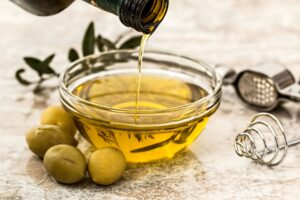
Olive oil is one of the most popular choices because it adds flavor while helping vegetables brown beautifully.
Avocado oil is another excellent option because it has a neutral taste and performs well at high temperatures.
Whichever oil you choose, freshness matters.
A good-quality oil will give your vegetables a cleaner and more appealing flavor.
| Oil | Flavor | Best For |
|---|---|---|
| Olive Oil | Rich and savory | Most vegetables |
| Avocado Oil | Neutral | High-heat roasting |
| Grapeseed Oil | Light | Mixed vegetable trays |
Finish with Fresh Ingredients
Some of the best flavor additions happen after the vegetables leave the oven.
Fresh ingredients add brightness and contrast that balance the deep roasted flavors.
A sprinkle of fresh herbs such as parsley, basil, thyme, or chives can instantly make roasted vegetables feel more vibrant.
A squeeze of lemon juice or a splash of fresh citrus can brighten rich flavors and make the vegetables taste fresher.
For extra savory depth, try a light sprinkle of grated Parmesan cheese.
If you prefer a dairy-free option, nutritional yeast adds a similar savory, cheesy flavor.
These finishing touches take only a few seconds but can completely change the final dish.
Think of them as the final layer of flavor that brings everything together.
A Few Extra Tips from Experience
- If vegetables stick to the pan, give them another minute before flipping. They often release naturally once a browned crust has formed on the surface.
- Dark baking sheets usually create more browning than light-colored pans. They absorb and retain heat more effectively, which can lead to deeper caramelization.
- Place flat-cut sides down whenever possible. Vegetables such as cauliflower, Brussels sprouts, and zucchini often develop better color and flavor when their cut surfaces are in direct contact with the hot pan.
- Rotate the baking sheet halfway through cooking. Many ovens have hot spots, and rotating the pan helps vegetables roast more evenly.
- Taste and adjust seasoning after roasting. A small pinch of salt or a squeeze of lemon juice at the end can make the flavors pop.
Common Roasting Mistakes to Avoid
- Using Too Much Oil – Excess oil can make vegetables greasy and reduce the amount of caramelization that develops during roasting.
- Skipping the Preheat – Starting with an oven that is not fully heated can cause vegetables to steam instead of brown properly.
- Crowding the Pan – Packing vegetables too closely together traps moisture and prevents crisp, caramelized edges from forming.
- Underseasoning – Too little seasoning can leave vegetables tasting flat, even if they are perfectly roasted.
- Removing Vegetables Too Early – Taking vegetables out before they are fully browned means missing out on the deeper flavors created by caramelization.
Delicious Flavor Combinations to Try
Once you are comfortable with the roasting process, experimenting with different flavor combinations is an easy way to keep vegetables exciting.
These simple pairings complement the natural flavors of the vegetables while adding extra depth and character.
- Garlic Parmesan Roasted Broccoli – Toss roasted broccoli with garlic and grated Parmesan for a savory, flavorful side dish.
- Maple Roasted Carrots – A light drizzle of maple syrup enhances the natural sweetness of roasted carrots.
- Lemon Herb Asparagus – Fresh lemon and herbs add brightness and freshness to tender roasted asparagus.
- Smoky Roasted Cauliflower – Smoked paprika gives cauliflower a rich, smoky flavor and beautiful color.
- Balsamic Brussels Sprouts – A splash of balsamic vinegar adds a sweet-tangy finish that pairs perfectly with caramelized Brussels sprouts.
How to Store and Reheat Roasted Vegetables
Roasted vegetables are just as useful after cooking as they are fresh from the oven.
Storing them properly helps preserve their flavor and texture.
Proper Storage
Allow roasted vegetables to cool before storing them.
Placing hot vegetables directly into a container can create excess moisture, which may make them softer over time.
Once cooled, transfer them to an airtight container.
Store the container in the refrigerator.
Most roasted vegetables stay fresh for three to four days when properly refrigerated.
If you have several types of vegetables, consider storing them separately.
This helps maintain their individual textures and makes it easier to use them in different meals throughout the week.
Reheating Methods
The oven is one of the best ways to reheat roasted vegetables.
Spread them on a baking sheet and warm them at 400°F (205°C) for a few minutes until heated through.
This helps restore some of the crispness that may have been lost during storage.
An air fryer also works extremely well.
The circulating hot air quickly brings vegetables back to life and helps recreate those roasted edges.
If you are short on time, the microwave is an option.
It heats vegetables quickly, but it may soften them more than other methods.
For the best texture, use the oven or air fryer whenever possible.
Meal Prep Tips
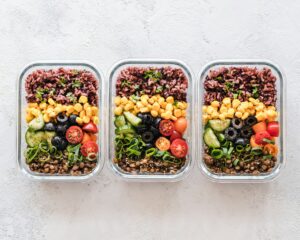
Roasted vegetables are one of the easiest foods to include in meal prep.
A large batch can be used in several meals throughout the week.
Add them to salads for extra flavor and texture.
Stir them into pasta dishes for a quick and satisfying dinner.
Use them in grain bowls, wraps, sandwiches, or omelets for easy lunches and breakfasts.
You can even blend certain roasted vegetables into soups and sauces for deeper flavor.
Preparing a variety of vegetables at once gives you plenty of options without requiring extra cooking each day.
A little time spent roasting can make weekday meals faster, easier, and far more flavorful.
Final Thoughts
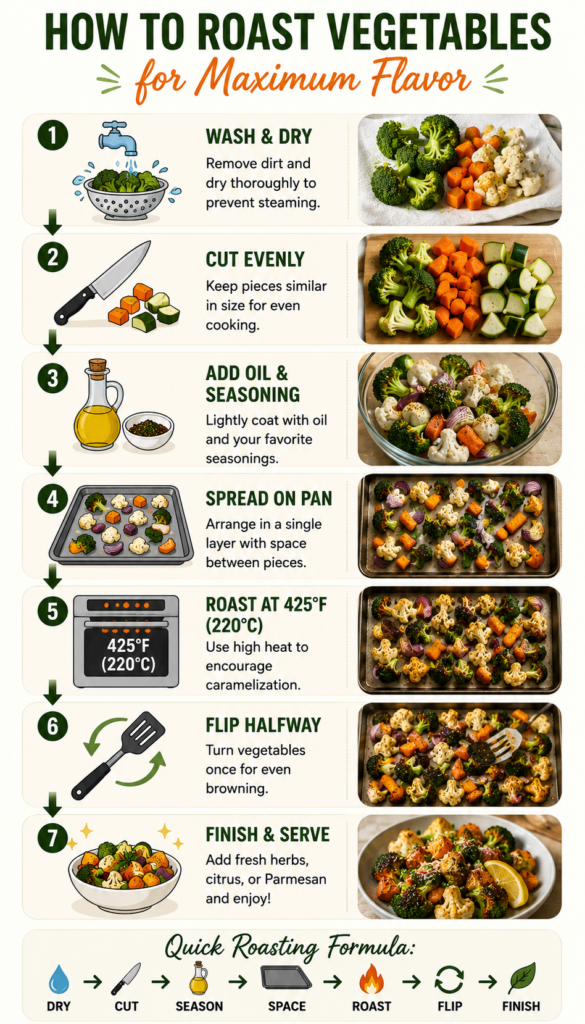
Great roasted vegetables come down to a few simple steps: dry them well, season them properly, give them plenty of space on the pan, and roast them at the right temperature.
Once you understand these basics, you can confidently roast almost any vegetable and achieve rich flavor, beautiful caramelization, and satisfying texture.
Don’t be afraid to experiment with different vegetables, herbs, spices, and finishing touches to discover your favorite combinations.
With a little practice and attention to detail, perfectly roasted vegetables can become one of the easiest and most flavorful dishes in your kitchen.
FAQs
Why aren’t my roasted vegetables crispy?
Vegetables often fail to crisp up when they are overcrowded on the pan, too wet, or cooked at a temperature that is too low.
Should I cover vegetables while roasting?
No, covering vegetables traps steam and prevents browning, so it is best to roast them uncovered.
What oil is best for roasting vegetables?
Olive oil and avocado oil are excellent choices because they help vegetables brown well and add great flavor.
Can I roast frozen vegetables?
Yes, but for the best results, roast them directly from frozen and spread them out well to reduce excess moisture.
How do I know when vegetables are done?
Vegetables are done when they are tender when pierced with a fork and have golden-brown, caramelized edges.
Do vegetables need to reach a certain internal temperature?
Unlike meat, vegetables do not need to reach a specific internal temperature.
Instead, focus on tenderness, caramelization, and flavor.
Hi, I’m Daisy Roots, the home cook and recipe developer behind this kitchen. I create simple, tested vegan recipes using everyday ingredients. Every dish is developed and cooked in my own kitchen, with clear steps to help you get reliable results every time. Thanks for stopping by — let’s cook something great!