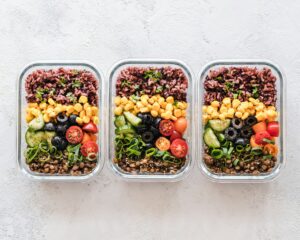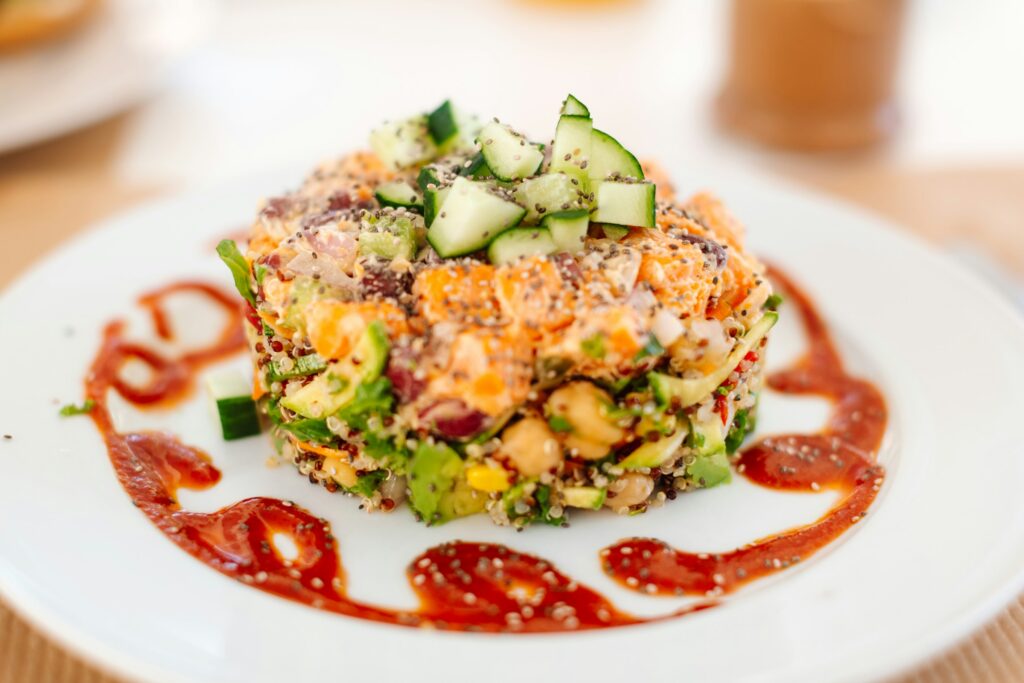
Changing to a vegan lifestyle doesn’t have to happen all at once.
Small, steady changes are often easier to stick with, and every step you take is progress.
Your journey will look different from someone else’s, and that’s perfectly okay.
In this guide, you’ll learn simple ways to get started, stock your kitchen with everyday vegan staples, swap familiar ingredients, plan easy meals, and avoid common beginner mistakes.
Take it one step at a time, and you’ll build a routine that feels natural, enjoyable, and easy to maintain.
What Does a Vegan Lifestyle Mean?
A vegan lifestyle is about choosing products and foods that don’t come from animals whenever it’s practical for you.
While food is often the first place people start, many also make small changes in other areas of daily life over time.
There isn’t a single “right” way to begin, so focus on building habits that fit your lifestyle and goals.
More Than Just Food
For most beginners, the biggest change is replacing animal-based foods with plant-based alternatives. This can include:
- Fruits and vegetables
- Beans, lentils, and peas
- Whole grains like rice, oats, and quinoa
- Nuts and seeds
- Plant-based milks and other dairy alternatives
- Tofu, tempeh, and other plant-based proteins
Many people also choose to avoid animal-derived ingredients where practical, such as dairy, eggs, gelatin, or honey.
As you become more familiar with ingredient labels and vegan products, these choices often become easier.
Some people also extend vegan choices beyond the kitchen by selecting cruelty-free household items, clothing, or personal care products.
There’s no need to change everything at once. Start with the areas that matter most to you and make adjustments at your own pace.
Why Many People Choose Vegan Living
People decide to live a vegan lifestyle for many different reasons. Some of the most common include:
- Environmental awareness: Many people choose more plant-based meals as a way to reduce their environmental impact.
- Animal welfare: Others prefer products that avoid the use of animals whenever possible.
- Personal preferences: Some simply enjoy plant-based cooking and the variety of ingredients it offers.
- Exploring new foods: Transitioning to vegan cooking often introduces new flavors, cuisines, and ingredients that become everyday favorites.
Whatever your reason for getting started, remember that your journey is personal.
Focus on building habits that work for your routine, budget, and cooking style, and allow your lifestyle to grow naturally over time.
Decide How You Want to Transition
There isn’t one “right” way to become vegan.
The best approach is the one that fits your schedule, cooking skills, and comfort level.
Some people enjoy making small changes over time, while others prefer a fresh start.
Choose a method that feels realistic, because lasting habits are easier to build than rushed changes.
Gradual Transition
A gradual transition lets you make small, manageable changes without feeling overwhelmed.
It’s a great option if you’re learning new recipes or cooking more meals at home.
You could start by:
- Having Meatless Mondays each week.
- Replacing one meal a day with a vegan meal.
- Swapping one food category at a time, such as dairy milk first, then eggs, then meat.
- Trying one new vegan recipe each week.
Small steps add up quickly, and each change helps build confidence in the kitchen.
Overnight Transition
Some people prefer to switch to a vegan lifestyle all at once.
This approach can work well if you enjoy planning ahead, like trying new foods, and feel ready to make a complete change.
Before you begin, stock your pantry with everyday vegan staples, plan a few simple meals, and have ingredients ready for your favorite recipes.
A little preparation can make the first few weeks much smoother.
Hybrid Approach
A hybrid approach combines the best of both methods.
You might make a few big changes while allowing yourself more time for others.
For example, you could replace all dairy products with plant-based alternatives right away while gradually exploring vegan versions of your favorite dinners.
Or you could eat vegan at home from the start while taking extra time to adjust when eating out.
Remember, your transition doesn’t have to look like anyone else’s.
Focus on steady progress, celebrate small wins, and adjust your approach as you discover what works best for you.
| Week | Focus |
|---|---|
| Week 1 | Replace one meal each day with a vegan meal and try a few familiar recipes. |
| Week 2 | Build your vegan pantry, stock your refrigerator, and cook two new vegan recipes. |
| Week 3 | Practice meal prep, improve your grocery shopping routine, and experiment with easy ingredient swaps. |
| Week 4 | Put everything together by planning a week’s worth of vegan meals and cooking with greater confidence. |
Start with Foods You Already Enjoy
One of the easiest ways to transition to a vegan lifestyle is to begin with meals you already know and love.
Instead of trying lots of unfamiliar recipes at once, make simple swaps to turn your favorite dishes into vegan-friendly versions.
This makes cooking feel familiar and helps you build confidence.
Here are a few easy ideas to get you started:
- Pasta dishes: Toss your favorite pasta with tomato sauce, roasted vegetables, mushrooms, spinach, or lentils. Finish with fresh herbs or a sprinkle of nutritional yeast for extra flavor.
- Vegetable stir-fries: Combine colorful vegetables with tofu or edamame and serve over rice or noodles with your favorite stir-fry sauce.
- Rice bowls: Build a satisfying bowl with rice, beans, roasted vegetables, avocado, and a simple sauce like tahini dressing or salsa.
- Bean chili: A hearty chili made with beans, tomatoes, onions, peppers, and spices is easy to cook in large batches and freezes well.
- Oatmeal: Top warm oats with fresh fruit, nuts, seeds, cinnamon, or a spoonful of peanut butter for a simple breakfast.
- Smoothies: Blend fruit with your favorite plant-based milk and add ingredients like oats, spinach, or nut butter for extra flavor and texture.
- Peanut butter sandwiches: A classic choice that’s quick, filling, and easy to customize with sliced banana, berries, or your favorite fruit spread.
- Baked potatoes: Fill baked potatoes with beans, steamed broccoli, sautéed mushrooms, salsa, or dairy-free cheese for a comforting meal.
Beginner Tip: You don’t need to replace every recipe overnight. Start with a handful of meals you enjoy and make them part of your weekly routine. Once those become second nature, you can gradually add new recipes and ingredients to your menu.
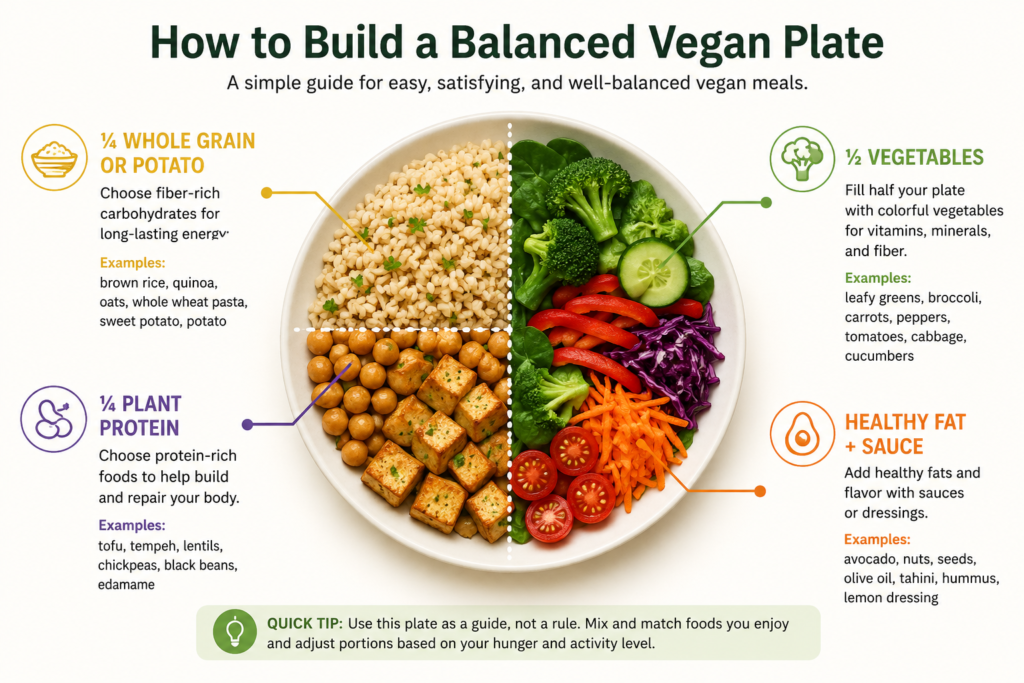
Build a Simple Vegan Pantry
A well-stocked pantry makes vegan cooking much easier.
When you have a few versatile ingredients on hand, you can put together simple meals without making a special trip to the store.
Start with everyday staples and add more variety as you discover new recipes you enjoy.
| Pantry Staples | Refrigerated | Freezer |
|---|---|---|
| Rice | Plant-based milk | Frozen vegetables |
| Pasta | Tofu | Frozen fruit |
| Lentils | Hummus | Edamame |
| Canned or dried beans | Vegan butter | Veggie burgers |
| Oats | Dairy-free yogurt | Mixed vegetables |
| Nuts and seeds | Fresh vegetables | Frozen herbs (optional) |
With these ingredients, you can easily make pasta dishes, grain bowls, soups, stir-fries, wraps, smoothies, and quick breakfasts throughout the week.
Pantry Tip: Replace ingredients as you use them instead of buying everything at once. Building your pantry gradually is more budget-friendly and helps reduce food waste while you learn which staples you reach for most often.
One-Week Beginner Grocery List
Once you’ve stocked your pantry with the basics, it’s helpful to have a simple shopping list for your first week.
These everyday ingredients can be mixed and matched to make breakfasts, lunches, dinners, and snacks without buying lots of specialty products.
| Category | Buy |
|---|---|
| Vegetables | Broccoli, carrots, spinach, onions, bell peppers |
| Fruit | Bananas, apples, berries, oranges |
| Protein | Tofu, canned chickpeas, black beans, lentils |
| Grains | Rice, oats, whole wheat pasta |
| Extras | Peanut butter, plant-based milk, olive oil, canned tomatoes, herbs and spices |
You don’t need to buy everything on this list every week.
Use it as a starting point, then adjust it based on the meals you enjoy most and the ingredients you already have at home.
Shopping Tip: Before heading to the store, check your pantry, refrigerator, and freezer. Buying only what you need helps reduce food waste and keeps your grocery budget under control.
Learn Easy Ingredient Swaps
You don’t need to learn an entirely new way of cooking to enjoy vegan meals. In many recipes, a simple ingredient swap is all it takes.
Start with the foods you use most often, and you’ll quickly find replacements that work well in your favorite dishes.
| Instead of | Try |
|---|---|
| Dairy milk | Oat, soy, or almond milk |
| Butter | Vegan butter or olive oil |
| Ground beef | Lentils or textured vegetable protein (TVP) |
| Chicken | Tofu or tempeh |
| Cheese | Vegan cheese or nutritional yeast |
| Eggs (for baking) | Flax egg or applesauce (where suitable) |
Don’t feel like you need to use every substitute right away.
Experiment with one or two swaps at a time and see which ones you enjoy most.
Before long, choosing vegan ingredients will become a natural part of your everyday cooking.
Kitchen Tip: If you’re trying a substitute for the first time, use it in a recipe you already know. Familiar flavors make it easier to focus on the new ingredient and discover how you like to use it.
Simple Flavor Boosters
One of the biggest surprises for many beginners is how flavorful vegan meals can be.
The secret isn’t complicated recipes—it’s using a few simple ingredients to add depth, freshness, and richness to everyday dishes.
| Add | Great For |
|---|---|
| Garlic | Stir-fries, soups, roasted vegetables |
| Lemon juice | Grain bowls, salads, roasted vegetables |
| Fresh herbs | Pasta, soups, sandwiches, salads |
| Soy sauce | Rice dishes, stir-fries, marinades |
| Nutritional yeast | Pasta, popcorn, roasted vegetables |
| Smoked paprika | Chili, roasted potatoes, bean dishes |
You don’t need to use every flavor booster in every meal.
Start with one or two that match the recipe you’re making, then experiment as you become more comfortable in the kitchen.
Small additions can completely change the flavor of a simple dish.
Focus on Simple Meals First
When you’re new to vegan cooking, simple meals are your best friend.
There’s no need to prepare complicated recipes or buy a long list of specialty ingredients.
A handful of easy, reliable meals can make the transition feel much more enjoyable and help you build confidence in the kitchen.
Breakfast
Start your day with quick, satisfying meals that take little effort to prepare.
- Overnight oats topped with fruit, nuts, or seeds
- Toast with peanut butter and sliced banana or your favorite fruit spread
- Fruit smoothies blended with plant-based milk and your favorite fruits
Lunch
Choose meals that are easy to pack, prepare ahead, or throw together in just a few minutes.
- Chickpea wraps with fresh vegetables and hummus
- Lentil soup served with crusty bread
- Grain bowls filled with rice or quinoa, roasted vegetables, beans, and a simple dressing
Dinner
Keep dinner simple by using familiar ingredients and one-pan or one-pot recipes whenever possible.
- Tofu stir-fry with colorful vegetables and rice
- Chickpea curry served with rice or flatbread
- Pasta primavera with seasonal vegetables and a flavorful tomato or olive oil-based sauce
- Black bean tacos topped with salsa, avocado, lettuce, and your favorite vegetables
Kitchen Confidence Tip: Pick three or four meals you genuinely enjoy and make them regularly during your first few weeks. Once those recipes become second nature, adding new vegan dishes to your menu will feel much easier.
Learn to Read Ingredient Labels
Reading ingredient labels is one of the most helpful habits you can build when transitioning to a vegan lifestyle.
While many foods are naturally vegan, some packaged products contain animal-derived ingredients that aren’t always obvious at first glance.
The good news is that label reading becomes much quicker and easier with practice.
Here are some common ingredients beginners may come across:
| Ingredient | Commonly Found In |
|---|---|
| Whey | Crackers, chips, baked goods, and dairy-based products |
| Casein | Cheese, creamy sauces, and processed foods |
| Gelatin | Gummies, marshmallows, and some desserts |
| Honey | Granola, cereals, snack bars, and sauces |
| Milk powder | Instant foods, chocolate, cookies, and seasoning mixes |
| Butterfat | Baked goods, popcorn, and packaged snacks |
At first, checking every label may feel slow, but it quickly becomes second nature.
You’ll start recognizing familiar ingredients and learning which brands offer products that fit your preferences.
Shopping Tip: If you’re unsure about a product, take a moment to read the ingredient list instead of relying only on the front of the package. With time, you’ll know exactly what to look for and grocery shopping will become much faster.
Make Grocery Shopping Easier
Grocery shopping gets much simpler once you know where to look.
Instead of focusing on specialty vegan products, start with everyday ingredients that you can use in a variety of meals.
Most of what you need is already available in a typical grocery store.
Shop the Perimeter
The outer aisles are usually where you’ll find fresh ingredients for everyday cooking, including:
- Fresh fruits and vegetables
- Plant-based milk and dairy-free yogurt
- Tofu and other refrigerated plant-based products
- Fresh herbs and salad greens
These ingredients are perfect for building simple breakfasts, lunches, and dinners throughout the week.
Don’t Skip the Center Aisles
The middle aisles are filled with affordable pantry staples that form the foundation of many vegan meals. Look for:
- Beans
- Rice
- Pasta
- Oats
- Canned tomatoes
- Herbs and spices
These ingredients are inexpensive, store well, and can be mixed and matched to create soups, curries, stir-fries, grain bowls, pasta dishes, and more.
Keep Budget-Friendly Staples on Hand
Stocking a few low-cost essentials makes it easier to cook at home and reduces the temptation to order takeout when you’re short on time.
Foods like dried beans, lentils, rice, oats, frozen vegetables, and pasta can be used in dozens of different meals and usually have a long shelf life.
Shopping Tip: Make a meal plan before heading to the store and shop with a list. Buying only the ingredients you need helps you stay on budget, reduces food waste, and makes weeknight cooking much less stressful.
First Grocery Trip Checklist
If this is your first time shopping for vegan ingredients, keep your list simple.
These everyday staples will help you prepare a wide variety of breakfasts, lunches, dinners, and snacks without feeling overwhelmed.
Print or save this checklist before your next grocery trip:
- ☐ Plant-based milk
- ☐ Beans (canned or dried)
- ☐ Lentils
- ☐ Rice
- ☐ Pasta
- ☐ Oats
- ☐ Frozen vegetables
- ☐ Fresh fruit
- ☐ Tofu
- ☐ Herbs and spices
Meal Prep to Make the Transition Easier
A little meal prep can make transitioning to a vegan lifestyle much less stressful.
Spending an hour or two preparing ingredients each week means you’ll have the building blocks for quick, homemade meals whenever you need them.
You don’t have to prep every meal—just having a few basics ready can save time and make cooking feel easier.
Here are a few simple meal prep ideas:
- Cook grains in batches: Prepare rice, quinoa, or other grains ahead of time to use in grain bowls, stir-fries, and salads throughout the week.
- Freeze soups: Make a large pot of lentil soup, bean chili, or vegetable soup and freeze individual portions for busy days.
- Prepare chopped vegetables: Wash and chop vegetables in advance so they’re ready for salads, wraps, stir-fries, or quick snacks.
- Portion snacks: Divide nuts, seeds, fresh fruit, or sliced vegetables into grab-and-go containers for easy snacking.
- Make overnight oats: Prepare several jars at once for quick breakfasts that are ready to enjoy the next morning.
- Cook beans ahead: If you’re using dried beans, cook a large batch and store them in the refrigerator or freezer for easy meal prep.
You don’t need to prepare everything on the list each week.
Start with one or two tasks that will save you the most time, then add more as meal prepping becomes part of your routine.
Kitchen Tip: Store prepared ingredients in clear containers so you can see what you have at a glance. When healthy ingredients are easy to find, they’re much more likely to be used.
| Time | Task |
|---|---|
| 15 min | Chop vegetables |
| 20 min | Cook rice |
| 20 min | Cook beans or tofu |
| 15 min | Portion snacks |
| 10 min | Store meals |
Foods to Keep in Your Freezer
A well-stocked freezer can make sticking to a vegan lifestyle much easier, especially on busy days when you don’t have time to cook from scratch.
Keeping a few ready-to-use staples on hand means you’re never far from a quick, satisfying meal.
Try to keep these freezer-friendly foods available:
- 🥦 Frozen vegetables
- 🍓 Frozen fruit
- 🍔 Veggie burgers
- 🍚 Cooked rice
- 🥣 Lentil soup
- 🌶️ Bean chili
- 🫛 Edamame
These ingredients can be mixed and matched to create stir-fries, grain bowls, smoothies, soups, and quick dinners in just a few minutes.
Freezer Tip: Label homemade meals with the name and date before freezing. It’s an easy habit that helps you use older meals first and keeps your freezer organized.
Eating Out Without Stress
Eating out can feel challenging when you’re new to a vegan lifestyle, but it gets easier with experience.
A little planning goes a long way, and many restaurants now offer plant-based meals or dishes that can be easily customized.
Here are a few simple tips to make dining out more enjoyable:
- Check menus beforehand: Many restaurants post their menus online, giving you time to find vegan-friendly choices before you arrive.
- Look for customizable meals: Salads, grain bowls, wraps, pasta dishes, and tacos can often be adjusted by swapping or removing certain ingredients.
- Ask about plant-based options: If you’re unsure, politely ask your server if a dish can be prepared without animal-based ingredients. Many restaurants are happy to help when possible.
- Keep expectations realistic: Not every restaurant will have a long list of vegan meals. Sometimes a few simple modifications are all that’s needed.
- Have a backup plan: If the menu is limited, knowing another nearby restaurant or having an easy meal ready at home can help you avoid unnecessary stress.
Remember, eating out doesn’t have to be perfect every time.
The goal is to enjoy the experience while making choices that work for you.
As you discover local restaurants with great plant-based options, dining out will become much more relaxed and enjoyable.
Dining Tip: If you’re meeting friends or family, suggest a restaurant with a variety of menu options. Choosing a place that offers something for everyone makes the experience easier and more enjoyable for the whole group.
Common Challenges Beginners Face
Every beginner faces a few bumps along the way, and that’s completely normal.
The good news is that most challenges become much easier with a little planning and practice.
Instead of aiming for perfection, focus on finding simple solutions that work for your lifestyle.
Missing Familiar Foods
It’s natural to miss some of your favorite meals at first.
Rather than giving them up completely, look for plant-based ways to recreate them.
For example, you can:
- Make tacos with black beans instead of ground beef.
- Use lentils in pasta sauce or shepherd’s pie.
- Swap dairy milk for oat or soy milk in your favorite recipes.
- Try tofu or tempeh in stir-fries and rice bowls.
You may be surprised at how satisfying familiar meals can be with a few simple changes.
Feeling Overwhelmed
Trying to change everything at once can make the transition feel difficult.
Instead, focus on one change at a time.
You might start by:
- Replacing one meal each day with a vegan option.
- Learning one new recipe each week.
- Swapping one ingredient, such as dairy milk, before moving on to others.
Small, consistent steps are often easier to maintain than making every change at once.
Limited Options
There will be times when vegan choices are limited, especially when you’re busy or away from home.
Keeping convenient pantry and freezer staples on hand can make these moments much easier.
Helpful options include:
- Canned beans
- Rice and pasta
- Frozen vegetables
- Oats
- Nut butter
- Tofu
- Ready-to-use veggie burgers
With a few reliable ingredients at home, you’ll always have the basics for a quick meal.
Social Situations
Family gatherings, parties, and celebrations can feel a little unfamiliar when you’re getting started.
A simple way to make things easier is to bring a vegan dish to share.
That way, you’ll know there’s something you can enjoy, and others may enjoy trying it too.
If you’re visiting friends or family, letting them know your preferences ahead of time can also help everyone plan without added stress.
Remember: Every vegan has been a beginner at some point. Don’t let a few challenges discourage you. Learn as you go, celebrate your progress, and remember that each small change brings you one step closer to building a routine that works for you.
Helpful Kitchen Equipment
You don’t need a kitchen full of gadgets to cook delicious vegan meals.
A few reliable tools can make meal preparation quicker, easier, and more enjoyable.
Start with the basics and add other equipment only if you find you’ll use it regularly.
| Kitchen Tool | Why It’s Helpful |
|---|---|
| Sharp chef’s knife | Makes chopping vegetables, herbs, and fruit faster and safer. |
| Cutting board | Provides a sturdy surface for preparing ingredients. |
| Blender | Great for smoothies, soups, sauces, and homemade dressings. |
| Rice cooker (optional) | Cooks rice and other grains with little effort while you prepare the rest of your meal. |
| Sheet pans | Perfect for roasting vegetables, tofu, and one-pan dinners. |
| Measuring cups and spoons | Help ensure consistent results, especially when following new recipes. |
| Food storage containers | Keep leftovers and meal-prepped ingredients fresh and organized. |
| Non-stick skillet | Ideal for cooking tofu, vegetables, pancakes, and other everyday meals with minimal sticking. |
Remember, great vegan meals come from simple ingredients and good cooking habits—not expensive equipment.
As your confidence grows, you’ll discover which tools you use most often and can expand your kitchen over time if needed.
Kitchen Tip: Invest in a good-quality chef’s knife before buying specialty gadgets. It’s the tool you’ll likely reach for every time you cook.
Beginner Vegan Meal Plan Example
If you’re not sure what a day of vegan eating looks like, start with a simple meal plan like the one below.
It uses familiar ingredients, requires minimal preparation, and can easily be adjusted to suit your tastes and schedule.
| Meal | Example |
|---|---|
| Breakfast | Overnight oats with berries |
| Morning Snack | Apple with peanut butter |
| Lunch | Chickpea salad wrap |
| Afternoon Snack | Mixed nuts |
| Dinner | Tofu stir-fry with rice |
| Dessert | Fresh fruit |
This is just one example, so don’t worry about following it exactly.
Swap ingredients, try different vegetables, or rotate your favorite meals throughout the week.
Planning Tip: Choose a few breakfasts, lunches, and dinners you enjoy, then rotate them during the week. Keeping your meal plan simple makes grocery shopping easier and helps reduce food waste.
Tips to Stay Consistent
Building a vegan lifestyle is about creating habits you can maintain over time.
The easier you make everyday cooking, the more likely you are to stick with it.
Focus on steady progress and enjoy the process of discovering new meals and ingredients.
Here are a few practical ways to stay consistent:
- Keep favorite recipes on rotation. Find a handful of meals you enjoy and make them part of your regular routine. Familiar recipes save time and make meal planning easier.
- Try one new recipe each week. There’s no need to change everything at once. Adding one new dish at a time keeps cooking fun without feeling overwhelming.
- Celebrate small wins. Every vegan meal you make is a step forward. Acknowledge your progress, even if you’re still learning.
- Keep emergency freezer meals. Frozen soups, chili, veggie burgers, or cooked grains can save the day when you’re short on time or don’t feel like cooking.
- Don’t compare your journey to others. Everyone starts somewhere. Focus on what works for your schedule, budget, and cooking style instead of trying to match someone else’s routine.
- Make your kitchen vegan-friendly. Keep your favorite plant-based ingredients stocked and easy to reach. When the foods you enjoy are already in your kitchen, preparing meals becomes much simpler.
Beginner Mistakes to Avoid
When you’re first transitioning to a vegan lifestyle, it’s easy to make a few common mistakes.
The good news is that most of them are simple to avoid with a little planning.
Keeping things practical and uncomplicated will make the experience much more enjoyable.
Buying Too Many Specialty Products
It’s tempting to fill your cart with every new vegan product you see, but many of them aren’t necessary.
Start with affordable pantry staples like beans, lentils, rice, pasta, oats, fruits, and vegetables, then add specialty items only if you enjoy them.
Trying Complicated Recipes Immediately
You don’t need elaborate recipes to eat well.
Begin with simple meals that use familiar ingredients, then gradually try more adventurous dishes as your confidence grows.
Shopping Without a Meal Plan
Heading to the grocery store without a plan often leads to impulse purchases or missing key ingredients.
Planning a few meals before you shop makes it easier to stay organized and buy only what you need.
Forgetting Pantry Staples
Running out of basics can make weeknight cooking more difficult.
Keep ingredients like rice, pasta, beans, lentils, canned tomatoes, herbs, and spices stocked so you can prepare a meal at any time.
Letting Produce Spoil
Buying more fresh produce than you can use often leads to unnecessary food waste.
Purchase realistic amounts, use delicate vegetables first, and keep frozen vegetables on hand as a convenient backup.
Expecting Perfection
No one gets everything right from day one. You’ll discover new ingredients, recipes, and cooking techniques as you go.
If something doesn’t work out, treat it as a learning experience and keep moving forward.
Transition Success Checklist
Before you finish, take a moment to see how prepared you feel.
You don’t need to check every box today because this is simply a quick way to track your progress and identify what you’d like to work on next.
- ✅ My pantry has basic vegan staples.
- ✅ I know 3–5 easy vegan meals I enjoy making.
- ✅ I have a simple grocery list for my weekly shopping.
- ✅ I keep quick freezer meals or ingredients on hand for busy days.
- ✅ I have a plan for eating out or ordering food when needed.
- ✅ I’m focusing on steady progress instead of perfection.
If you missed a few boxes, that’s completely normal.
Building new habits takes time, and every small step brings you closer to a routine that feels natural, enjoyable, and easy to maintain.
Kitchen Confidence Tip: Don’t worry if every recipe isn’t a success. Every meal teaches you something, whether it’s a flavor you love, a new ingredient you’ve discovered, or a small change you’d make next time. The more you cook, the more confident you’ll become and before long, preparing simple, flavorful vegan meals will feel like second nature.
Final Thoughts
Every vegan journey is different, so don’t worry about doing everything perfectly from the start.
Focus on small, consistent habits that fit your lifestyle, and let your confidence grow one meal at a time.
A simple pantry, a few reliable recipes, and a little planning can make the transition much easier.
Keep trying new ingredients, experiment with different flavors, and most importantly, have fun discovering vegan meals you’ll look forward to making again and again.
FAQs
How long does it take to transition to a vegan lifestyle?
There isn’t a set timeline. Some people switch in a few days, while others take weeks or months.
Choose a pace that feels comfortable and focus on building habits you can maintain over the long term.
Is it better to transition gradually or all at once?
Neither approach is better than the other. Some people enjoy making small changes over time, while others prefer to start fresh.
The best method is the one that fits your lifestyle and helps you stay consistent.
What foods should beginners buy first?
Start with simple, versatile staples like rice, pasta, oats, beans, lentils, fruits, vegetables, plant-based milk, tofu, and nuts.
These ingredients can be used to make a wide variety of easy meals.
How can I make vegan meals more flavorful?
Use herbs, spices, garlic, onions, fresh herbs, citrus juice, and flavorful sauces to add depth to your meals.
Roasting vegetables and seasoning food well can also make a big difference.
Do I need special vegan products?
No. Many everyday foods are naturally vegan and are all you need to prepare satisfying meals.
Specialty products like vegan cheese or meat alternatives are optional and can be added if you enjoy them.
What should I cook first as a beginner?
Start with simple recipes like overnight oats, lentil soup, tofu stir-fry, pasta with tomato sauce, bean chili, or black bean tacos.
These meals use familiar ingredients and are easy to prepare.
Can I transition on a budget?
Yes. Budget-friendly staples such as beans, lentils, rice, pasta, oats, frozen vegetables, and seasonal produce can help you prepare delicious vegan meals without spending a lot.
How do I stay motivated during the transition?
Keep your favorite recipes in regular rotation, try one new meal every week, and celebrate your progress along the way.
Remember that every small step counts, and consistency is more important than perfection.
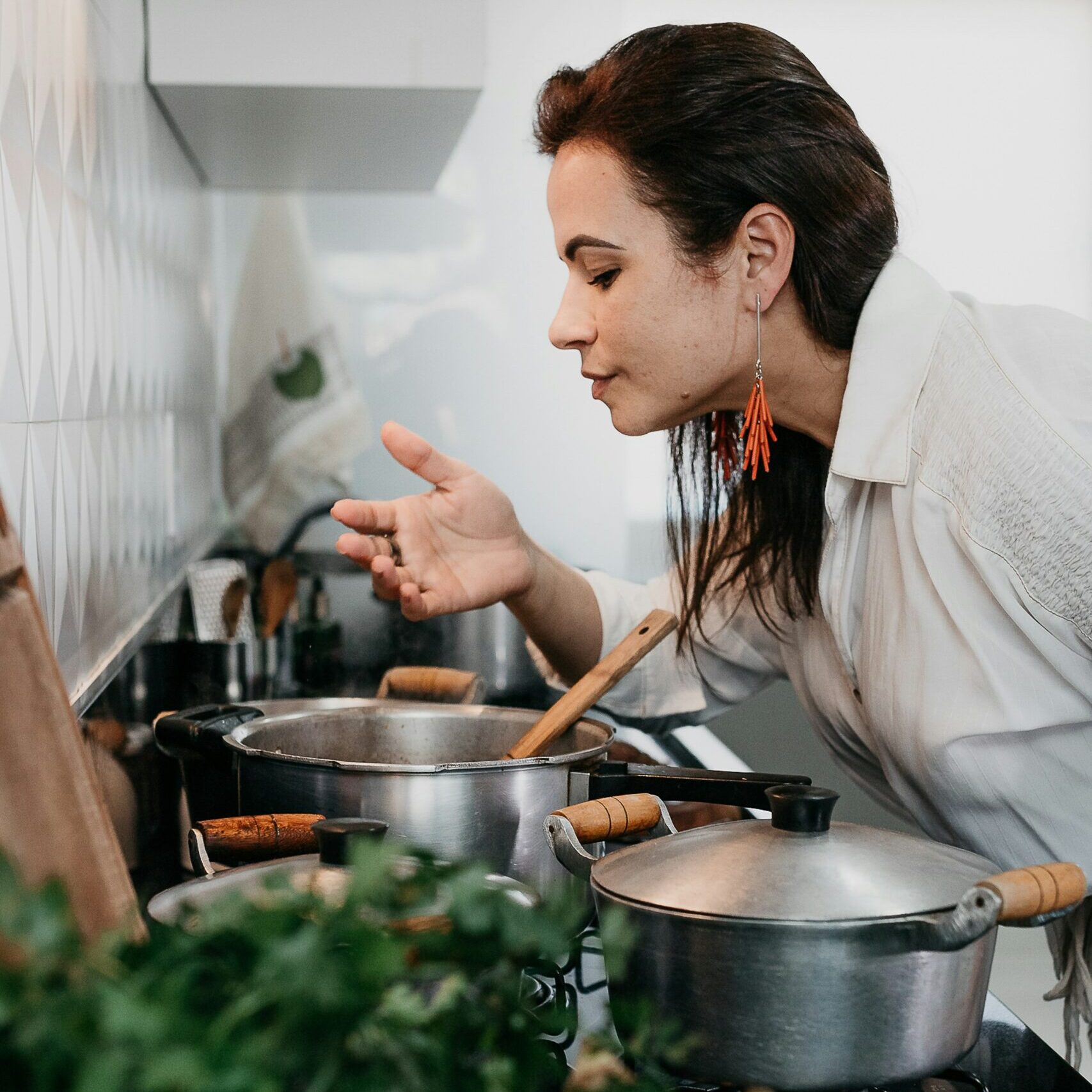
Hi, I’m Daisy Roots, the home cook and recipe developer behind this kitchen. I create simple, tested vegan recipes using everyday ingredients. Every dish is developed and cooked in my own kitchen, with clear steps to help you get reliable results every time. Thanks for stopping by — let’s cook something great!