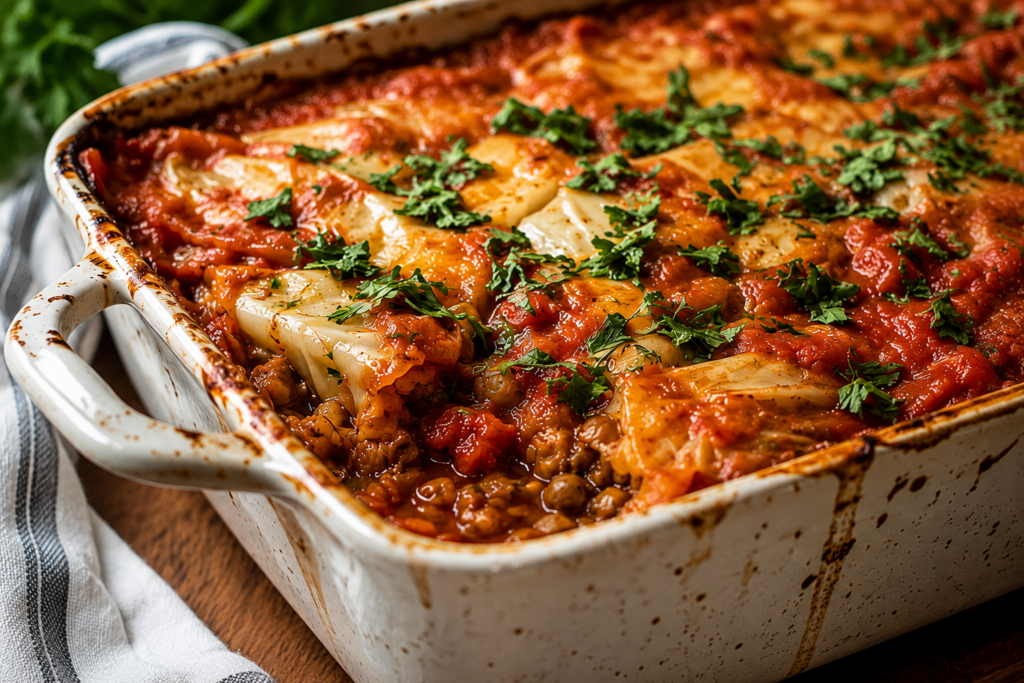
If you love the cozy flavors of traditional cabbage rolls but don’t love the time it takes to make them, this vegan cabbage roll casserole is for you.
Instead of rolling individual cabbage leaves, everything is layered together in one baking dish for an easy, stress-free meal.
Tender cabbage, hearty rice, savory lentils, and a rich tomato sauce come together to create a comforting dish that’s full of flavor in every bite.
It’s a great option for busy weeknights, weekend meal prep, or sharing with family around the table.
Even if you’ve never made cabbage rolls before, this simple casserole makes it easy to enjoy all the classic flavors with much less work.
Recipe At a Glance
| Detail | Information |
|---|---|
| Prep Time | 15 minutes |
| Cook Time | 50 minutes |
| Total Time | 1 hour 5 minutes |
| Difficulty | Easy |
| Servings | 6-8 |
| Cuisine | Comfort Food |
| Diet | Vegan |
| Freezer Friendly | Yes |
This vegan cabbage roll casserole delivers all the comforting flavors of traditional cabbage rolls in an easy, family-friendly casserole that’s perfect for weeknight dinners and meal prep.
Why You’ll Love This Vegan Cabbage Roll Casserole
Simple and Fuss-Free
This recipe gives you all the cozy flavors of traditional cabbage rolls without the extra work.
Instead of softening cabbage leaves and rolling each one by hand, everything is layered together in a baking dish.
That means less prep, fewer steps, and a much easier cooking experience.
It’s a great choice for busy weeknights when you want a homemade meal that doesn’t take all evening to prepare.
With just a little chopping and mixing, the oven takes care of the rest.
Even if you’ve never made cabbage rolls before, this casserole is simple enough to make with confidence.
Budget-Friendly Ingredients
One of the best things about this casserole is how affordable it is to make.
The recipe uses everyday ingredients like cabbage, rice, lentils, onions, garlic, and canned tomatoes.
These simple pantry staples come together to create a meal that tastes rich and comforting without costing a lot.
Because the ingredients are filling and stretch well, this casserole can easily feed a family or provide leftovers for another meal.
It’s proof that delicious comfort food doesn’t have to be expensive.
Healthy and Satisfying
This casserole is packed with hearty ingredients that make every serving filling and flavorful.
Tender cabbage, savory lentils, fluffy rice, and a rich tomato sauce create a comforting combination of textures and tastes.
The lentils add a satisfying bite, while the cabbage becomes soft and slightly sweet as it bakes.
Every spoonful delivers the classic flavors people love about cabbage rolls in an easy-to-serve casserole form.
It’s the kind of meal that leaves everyone feeling happy and satisfied around the dinner table.
Perfect for Meal Prep
If you enjoy having ready-made meals on hand, this recipe is a fantastic option.
The casserole stores well in the refrigerator and reheats beautifully throughout the week.
Many people find that the flavors become even better after a day or two as everything has more time to blend together.
You can prepare a batch ahead of time and enjoy quick lunches or easy dinners whenever you need them.
It’s a practical recipe that saves time while still delivering plenty of homemade flavor.
What Is a Cabbage Roll Casserole?
A cabbage roll casserole is a simplified version of traditional stuffed cabbage rolls.
It brings together the same classic ingredients—cabbage, rice, a savory filling, and tomato sauce—but layers them in a baking dish instead of wrapping them inside individual cabbage leaves.
The result is a hearty, comforting meal that captures all the flavors people love about cabbage rolls while being much easier to prepare.
Traditional Cabbage Rolls vs. Casserole Version
Traditional cabbage rolls are made by carefully softening whole cabbage leaves, filling them with a mixture of rice and protein, and rolling each one by hand before baking.
While the finished dish is delicious, the process can take quite a bit of time.
A cabbage roll casserole takes those same ingredients and layers them together instead.
You still get tender cabbage, flavorful filling, and rich tomato sauce in every bite.
The biggest difference is that you skip the rolling completely.
That simple change saves time and makes the recipe much more approachable for beginner cooks.
The deconstructed approach also makes serving easier.
Instead of carefully lifting individual rolls from the baking dish, you can simply scoop portions onto plates and enjoy.
Because the ingredients are layered together, every serving contains a little bit of everything.
The flavors blend beautifully as the casserole bakes, creating a rich and comforting dish with very little effort.
Why the Vegan Version Works So Well
A vegan cabbage roll casserole delivers the same warm, savory flavors as the traditional version while using simple plant-based ingredients.
The key is choosing ingredients that add heartiness and depth to the dish.
Lentils are a popular choice because they provide a satisfying texture that works wonderfully with rice and cabbage.
As they cook, they absorb the flavors of the tomato sauce and seasonings, making every bite flavorful and filling.
The rich tomato sauce ties everything together and gives the casserole its signature comforting taste.
Onions and garlic add a savory base that builds flavor from the very beginning.
Seasonings like paprika, parsley, and oregano help create the familiar taste people expect from classic cabbage rolls.
Once baked, the cabbage becomes tender and slightly sweet, balancing the richness of the sauce.
The combination of textures and flavors makes this vegan version feel just as comforting and satisfying as the original.
Even people who don’t regularly eat vegan meals often enjoy this casserole because it focuses on simple, familiar ingredients that naturally taste great together.
Ingredients You’ll Need
Main Ingredients
- 1 medium green cabbage (about 2 pounds), chopped into bite-sized pieces
- 1 cup uncooked long-grain white rice or brown rice
- 2 cups cooked brown lentils (or 12 ounces plant-based ground meat)
- 1 medium yellow onion, diced
- 4 cloves garlic, minced
- 1 can (28 ounces) crushed tomatoes
- 1 can (15 ounces) tomato sauce
- 1 cup vegetable broth
Seasonings
- 1 tablespoon paprika
- 1 teaspoon dried oregano
- 2 tablespoons chopped fresh parsley (or 2 teaspoons dried parsley)
- 1 teaspoon salt, or to taste
- ½ teaspoon black pepper, or to taste
Optional Add-Ins
- 1 cup mushrooms, chopped
- 1 medium bell pepper, diced
- 1 medium carrot, grated or finely diced
- ¼ to ½ teaspoon red pepper flakes for a little heat
Ingredient Notes and Substitutions
Best Type of Cabbage to Use
Green cabbage is the best choice for this casserole.
It becomes tender as it bakes while still holding its shape well.
Its mild flavor pairs perfectly with the tomato sauce, rice, and seasonings.
A medium-sized head of green cabbage usually provides the right amount for the recipe.
If you only have savoy cabbage on hand, it can also work well.
Savoy cabbage has softer leaves and a slightly sweeter flavor.
The finished casserole may have a more delicate texture, but it will still be delicious.
Napa cabbage can be used in a pinch.
Because it is softer and contains more moisture, it may cook faster than green cabbage.
If using Napa cabbage, check the casserole a little earlier during baking to avoid overcooking.
| Cabbage Cut Size | Result |
|---|---|
| Large chunks | May stay firm after baking and can be harder to eat. |
| Medium bite-size pieces | Best texture with tender cabbage that still holds its shape. |
| Very small pieces | Can become too soft and blend into the sauce. |
Brown Rice vs. White Rice
Both brown rice and white rice work well in this recipe.
The choice mainly comes down to texture and cooking time.
Brown rice has a slightly nutty flavor and a firmer texture.
It holds up nicely during baking and adds a little extra chew to each bite.
White rice creates a softer casserole and absorbs the flavors of the sauce very well.
It also cooks more quickly, making it a convenient option when you’re short on time.
If you’re using leftover cooked rice, either variety can be added directly to the casserole mixture.
This is a great way to use up rice from a previous meal while making preparation even easier.
Lentils vs. Vegan Ground Beef
Cooked lentils are a classic choice for vegan cabbage roll casserole.
They have a hearty texture and absorb the flavors of the sauce and seasonings beautifully.
Brown or green lentils are usually the best options because they hold their shape after cooking.
If you prefer a more traditional cabbage roll texture, vegan ground beef is an excellent substitute.
Many plant-based ground products provide a savory, meaty bite that works very well in this recipe.
Some cooks even use a combination of lentils and vegan ground beef.
This creates extra texture and gives the casserole a rich, satisfying feel.
Choose whichever option you enjoy most or already have available.
Low-Carb Alternatives
If you’d like to reduce the amount of rice, there are several simple alternatives.
Cauliflower rice is one of the easiest substitutions.
It blends nicely with the other ingredients while keeping the casserole light.
Because cauliflower rice contains more moisture than regular rice, you may want to reduce the vegetable broth slightly.
Finely chopped mushrooms are another great option.
They add a hearty texture and savory flavor that complements the cabbage and tomato sauce.
Some cooks also use a mixture of cauliflower rice and mushrooms for a balanced texture.
These substitutions allow you to customize the recipe while keeping it flavorful and satisfying.
Gluten-Free Considerations
This casserole is naturally easy to make gluten-free.
The main ingredients, including cabbage, rice, lentils, tomatoes, and vegetables, do not contain gluten.
The most important step is checking packaged ingredients before cooking.
Some vegetable broths and plant-based meat alternatives may contain gluten-based ingredients or additives.
A quick look at the label can help ensure everything fits your dietary needs.
If you’re serving guests with gluten sensitivities, using certified gluten-free products provides extra peace of mind.
Ingredient Swap Quick Reference
Need a quick substitution while cooking? Use this table to easily swap common ingredients without affecting the overall flavor of the casserole.
| If You Don’t Have | Use Instead |
|---|---|
| Lentils | Vegan ground beef |
| White rice | Brown rice |
| Green cabbage | Savoy cabbage |
| Fresh parsley | Dried parsley |
| Vegetable broth | Vegan chicken-style broth |
Most of these substitutions can be made in equal amounts, making it easy to adapt the recipe based on what you already have in your kitchen.
Kitchen Tools You’ll Need
- Large skillet – Used for sautéing the onion, garlic, and any additional vegetables before assembling the casserole.
- Cutting board and knife – Essential for safely chopping the cabbage and preparing the remaining ingredients.
- Measuring cups and spoons – Help ensure accurate ingredient amounts for the best flavor and texture.
- 9×13-inch baking dish – Provides enough space for layering the casserole and allows it to cook evenly.
- Aluminum foil – Covers the casserole during baking to help the cabbage soften and prevent the top from drying out.
How to Make Vegan Cabbage Roll Casserole
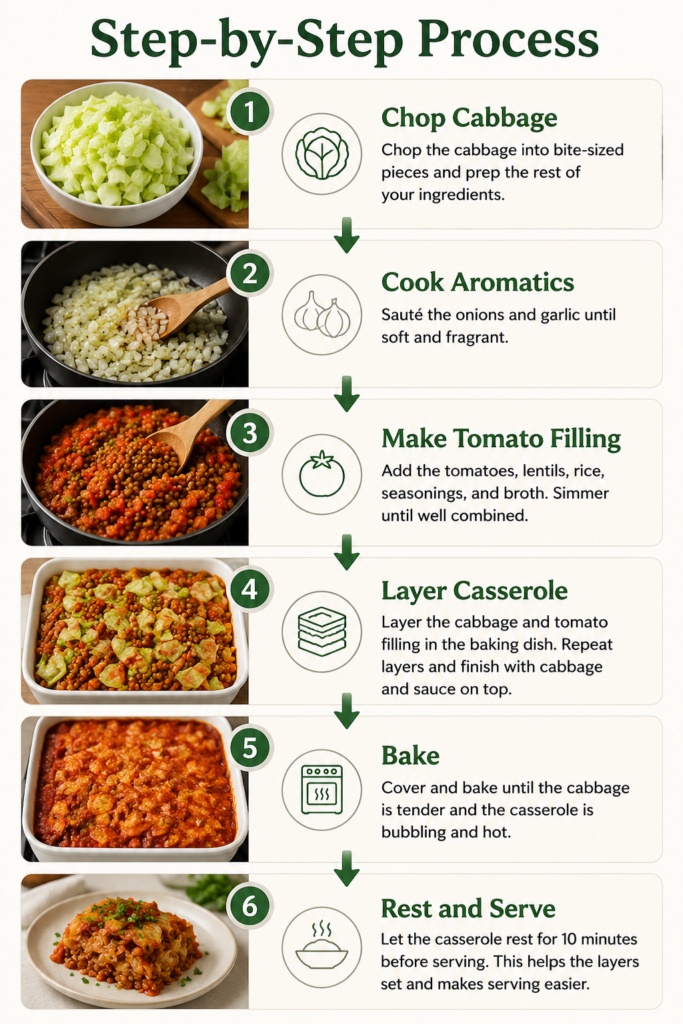
Step 1: Prepare the Ingredients
Start by preheating your oven to 375°F (190°C).
Chop the cabbage into bite-sized pieces so it cooks evenly and is easy to serve later.
Dice the onion and mince the garlic.
If you’re using optional vegetables like mushrooms, bell peppers, or carrots, prepare them now as well.
If your rice is not already cooked, prepare it according to the package instructions before continuing.
Using cooked rice helps the casserole bake evenly and prevents it from absorbing too much liquid during cooking.
Having all of your ingredients ready before you begin makes the assembly process much smoother.
Step 2: Cook the Aromatics
Heat a large skillet over medium heat.
Add a small amount of oil if desired.
Add the diced onion and cook for about 4 to 5 minutes until softened.
Stir occasionally to prevent sticking.
Add the minced garlic and cook for about 30 seconds.
The garlic should become fragrant but not browned.
If you’re using mushrooms, bell peppers, or carrots, add them at this stage and cook for another 3 to 4 minutes until slightly softened.
This quick sauté builds a deeper flavor base for the casserole.
Step 3: Build the Filling
Add the cooked lentils to the skillet.
Pour in the crushed tomatoes, tomato sauce, and vegetable broth.
Sprinkle in the paprika, oregano, parsley, salt, and black pepper.
Stir everything together until well combined.
Allow the mixture to simmer for about 5 minutes.
This gives the seasonings time to blend into the sauce and develop a richer flavor.
Taste the mixture and adjust the seasoning if needed.
A well-seasoned filling makes a big difference in the finished casserole.
Step 4: Layer the Casserole
Lightly grease a 9×13-inch baking dish.
Spread about one-third of the chopped cabbage across the bottom of the dish.
Add half of the cooked rice over the cabbage layer.
Spoon half of the tomato and lentil mixture evenly over the rice.
Repeat the layers with another third of the cabbage, the remaining rice, and the remaining filling.
Finish with the final layer of cabbage on top.
Pour any remaining sauce from the skillet over the surface to help keep the casserole moist during baking.
Cover the dish tightly with aluminum foil.
This helps the cabbage steam and become tender as it cooks.
Quick Layering Cheat Sheet
Before you start assembling the casserole, use this simple guide to keep the layers in the right order.
Layer 1 → Chopped cabbage
Layer 2 → Cooked rice
Layer 3 → Lentil and tomato filling
Repeat the layers
Finish with → Remaining cabbage and any extra sauce
Following this layering order helps distribute the flavors evenly and ensures every serving contains a balanced mix of cabbage, rice, and filling.
Step 5: Bake Until Tender
Place the covered casserole in the preheated oven.
Bake for 45 to 50 minutes.
The exact baking time may vary slightly depending on the thickness of your cabbage pieces.
After about 45 minutes, carefully remove the foil and check the texture of the cabbage.
The cabbage should be tender enough to pierce easily with a fork.
The sauce should be bubbling gently around the edges.
If the cabbage still feels firm, cover the dish again and bake for an additional 10 to 15 minutes.
Once tender, remove the casserole from the oven.
How to Know It’s Done
Before removing the casserole from the oven, use this quick checklist:
✓ Cabbage is fork tender and easy to pierce without resistance
✓ Sauce is bubbling gently around the edges of the baking dish
✓ Center is hot throughout with no cool spots in the middle
✓ Layers hold together when served instead of appearing watery
If all four boxes are checked, your casserole is ready to come out of the oven and rest before serving.
Step 6: Rest and Serve
Allow the casserole to rest for about 10 minutes before serving.
This short resting period helps the layers settle and makes it easier to scoop neat portions.
It also gives the sauce time to thicken slightly.
Resist the urge to dig in right away.
A few minutes of patience will improve both the texture and the flavor.
Serve warm and garnish with fresh parsley if desired.
Each spoonful should be packed with tender cabbage, savory filling, and rich tomato flavor.
What I Would Recommend
For the best texture, I like chopping the cabbage into medium-sized pieces rather than shredding it.
The cabbage becomes tender as it bakes but still keeps a little bite, which helps the casserole hold its texture and makes each spoonful more satisfying.
Tips for the Best Cabbage Roll Casserole
Don’t Overcook the Cabbage
The goal is tender cabbage that still has a little structure.
Overcooked cabbage can become overly soft and lose its pleasant texture.
Check the casserole near the end of the suggested baking time rather than automatically adding extra minutes.
A fork should slide through the cabbage easily, but the pieces should still hold their shape.
Cutting the cabbage into evenly sized pieces also helps it cook at the same rate.
If some pieces are much larger than others, they may remain firm while smaller pieces become too soft.
A little attention during preparation can make a big difference in the finished dish.
Season Each Layer
One of the easiest ways to build great flavor is to season throughout the cooking process.
While the filling contains most of the seasonings, lightly seasoning each layer helps ensure every bite tastes balanced.
The cabbage naturally absorbs flavor as it bakes.
A small sprinkle of salt and pepper between layers can help bring out its sweetness.
Always taste the sauce before assembling the casserole.
If the filling tastes flavorful on its own, the finished casserole will usually taste flavorful as well.
Remember that the rice and cabbage will absorb some of the seasoning during baking.
A well-seasoned filling creates a much more satisfying final dish.
Use Fresh Herbs for Extra Flavor
Dried herbs work very well in this recipe, but fresh herbs can add an extra layer of brightness just before serving.
Fresh parsley is one of the easiest and most effective additions.
A small handful sprinkled over the top adds color and a fresh flavor that complements the rich tomato sauce.
If you enjoy fresh dill, a little can also pair nicely with the cabbage.
There’s no need to use a large amount.
Even a small garnish can make the casserole feel fresher and more vibrant.
Let It Rest Before Slicing
Allowing the casserole to rest after baking is one of the most important steps.
It may be tempting to serve it immediately, especially when it smells so good.
However, giving it about 10 minutes to rest helps the layers settle together.
The sauce thickens slightly as it cools.
This makes serving much easier and helps each portion hold its shape better.
The short wait also allows the flavors to settle and blend.
By the time you serve it, the casserole will be easier to portion, more flavorful, and even more enjoyable to eat.
Flavor Variations to Try
This casserole is easy to customize, making it simple to create new flavors using ingredients you already enjoy.
- Spicy Vegan Cabbage Roll Casserole – Add ½ teaspoon red pepper flakes, a diced jalapeño, or a dash of hot sauce for a gentle kick of heat.
- Mushroom and Lentil Version – Mix in 1 to 2 cups of chopped mushrooms with the lentils for an extra savory, hearty flavor.
- Mediterranean-Inspired Version – Add chopped olives, sun-dried tomatoes, and a sprinkle of fresh parsley or dill for a Mediterranean twist.
- High-Protein Vegan Version – Replace part of the lentils with crumbled tofu, tempeh, or plant-based ground meat to boost the protein content and create a meatier texture.
What to Serve with Vegan Cabbage Roll Casserole
While this casserole is satisfying on its own, these simple side dishes can help round out the meal.
- Fresh Green Salad – A crisp salad with a light vinaigrette adds freshness and balances the rich tomato-based flavors.
- Crusty Bread – Warm, crusty bread is perfect for soaking up the delicious sauce left on the plate.
- Roasted Vegetables – Roasted carrots, Brussels sprouts, or broccoli add extra texture and complement the savory casserole.
- Vegan Sour Cream or Yogurt – A spoonful on top adds a cool, creamy contrast to the warm and hearty casserole.
Make-Ahead and Storage Tips
Make Ahead Instructions
This casserole is a great option when you want to prepare dinner in advance.
You can fully assemble the casserole up to 24 hours before baking.
Cover the baking dish tightly with foil or plastic wrap and store it in the refrigerator.
When you’re ready to cook, remove the casserole from the refrigerator while the oven preheats.
This helps it warm slightly before baking.
If baking directly from the refrigerator, you may need to add an extra 5 to 10 minutes to the cooking time.
You can also prepare the rice and filling a day ahead.
Storing the components separately can make assembly even quicker when it’s time to bake.
Refrigeration Guidelines
Allow the casserole to cool completely before storing leftovers.
Transferring hot food directly into the refrigerator can create excess moisture and affect the texture.
Place leftovers in an airtight container or cover the baking dish tightly.
Properly stored casserole will keep well in the refrigerator for up to 4 days.
For the best flavor and texture, enjoy leftovers within the first few days.
Individual portions are especially convenient for quick lunches and easy weeknight dinners.
Freezing Instructions
This casserole freezes very well.
Once cooled completely, divide it into individual portions or freeze the entire casserole dish.
Use freezer-safe containers or wrap the dish tightly with a layer of plastic wrap followed by aluminum foil.
Label the container with the date so you can easily keep track of storage time.
For the best quality, enjoy frozen casserole within 2 to 3 months.
When you’re ready to eat it, thaw the casserole overnight in the refrigerator whenever possible.
This helps it reheat more evenly.
Reheating Methods
For individual servings, the microwave is the quickest option.
Heat portions in 30-second intervals, stirring if needed, until warmed through.
For larger amounts, the oven provides the best texture.
Place the casserole in an oven-safe dish and cover it loosely with foil.
Bake at 350°F (175°C) for about 20 to 25 minutes, or until heated through.
If the casserole seems slightly dry after storage, add a small splash of vegetable broth or tomato sauce before reheating.
This helps restore moisture and keeps every bite flavorful and tender.
Leftover Ideas
If you have leftovers, there are plenty of easy ways to turn them into a completely new meal.
- Stuff leftovers into baked potatoes – Spoon the warm casserole over fluffy baked potatoes for an extra hearty dinner.
- Serve over mashed potatoes – The rich tomato sauce pairs perfectly with creamy mashed potatoes.
- Fill wraps or pita pockets – Add leftover casserole to wraps or pita bread for a quick and satisfying lunch.
- Use as a grain bowl topping – Serve it over cooked quinoa, brown rice, or farro for an easy grain bowl packed with flavor.
Make-It-Ahead Timeline
If you’re planning ahead, this simple timeline can help break the preparation into manageable steps.
| Time | Task |
|---|---|
| Night Before | Cook the rice |
| Night Before | Prepare the lentil and tomato filling |
| Night Before | Chop the cabbage |
| Morning | Assemble the casserole |
| Dinner Time | Bake and serve |
Following this schedule keeps prep work spread out and makes dinner much easier on busy days.
Common Mistakes to Avoid
- Using Too Much Liquid – Excess liquid can make the casserole watery and prevent the layers from holding together properly.
- Cutting Cabbage Pieces Too Large – Large pieces take longer to soften and can create uneven texture throughout the casserole.
- Skipping the Resting Time – Letting the casserole rest for about 10 minutes helps the layers set and makes serving much easier.
- Under-Seasoning the Dish – Proper seasoning brings out the flavors of the cabbage, rice, lentils, and tomato sauce, so be sure to taste and adjust as needed.
Nutritional Benefits
Rich in Fiber
Cabbage, lentils, and rice all contribute fiber to this casserole.
Fiber helps create a satisfying meal that keeps you feeling full longer.
The cabbage becomes tender as it bakes while still adding substance to every bite.
Lentils are especially rich in fiber, making them a valuable addition to the dish.
When combined with vegetables and grains, they help create a hearty casserole with plenty of texture.
Plant-Based Protein Source
Lentils provide a generous amount of plant-based protein.
Their hearty texture works perfectly in place of traditional meat fillings while adding substance to the casserole.
Each bite feels satisfying and filling thanks to the combination of lentils and rice.
If you choose to use vegan ground beef or add tofu or tempeh, the protein content can be increased even further.
This makes the casserole a practical option for anyone looking for a flavorful plant-based meal.
Loaded with Vegetables
Cabbage is the star of this recipe, but it’s not the only vegetable in the dish.
Onions, garlic, tomatoes, and optional additions like mushrooms, carrots, and bell peppers all contribute flavor and variety.
These vegetables add color, texture, and depth to the casserole.
Because everything bakes together in one dish, the flavors blend beautifully while the vegetables become tender and delicious.
It’s an easy way to enjoy a variety of vegetables in a meal that feels comforting and familiar.
Naturally Dairy-Free and Egg-Free
This recipe is naturally free from dairy and eggs.
There’s no need for butter, cream, cheese, or eggs to create a rich and satisfying casserole.
The tomato sauce provides plenty of moisture and flavor on its own.
That simplicity makes the recipe suitable for a variety of dietary preferences without requiring special adjustments.
It’s a great example of how everyday plant-based ingredients can come together to create a meal that’s both comforting and delicious.
Final Thoughts
This vegan cabbage roll casserole is a simple way to enjoy all the comforting flavors of traditional cabbage rolls without the time-consuming rolling and stuffing.
With tender cabbage, hearty lentils, rice, and a rich tomato sauce, it’s an easy meal that’s perfect for busy weeknights, meal prep, and family dinners.
Don’t be afraid to make it your own by adding your favorite vegetables, seasonings, or plant-based protein options.
Give this recipe a try, and enjoy the process as much as the finished meal.
FAQs
Can I make vegan cabbage roll casserole ahead of time?
Yes, you can assemble the casserole up to 24 hours in advance, cover it tightly, and store it in the refrigerator until you’re ready to bake.
Can I freeze cabbage roll casserole?
Absolutely. Let the casserole cool completely, then freeze it in airtight containers or a freezer-safe baking dish for up to 3 months.
What is the best rice for cabbage roll casserole?
Both white rice and brown rice work well, but white rice creates a softer texture while brown rice adds a slightly nuttier flavor and firmer bite.
Can I use vegan ground beef instead of lentils?
Yes, vegan ground beef is an excellent substitute and provides a texture that’s similar to traditional cabbage roll filling.
How long does cabbage roll casserole last in the refrigerator?
Stored in an airtight container, leftover casserole will stay fresh in the refrigerator for up to 4 days.
Can I make this recipe gluten-free?
Yes, the recipe is naturally gluten-free as long as you use certified gluten-free vegetable broth and any plant-based meat products are labeled gluten-free.
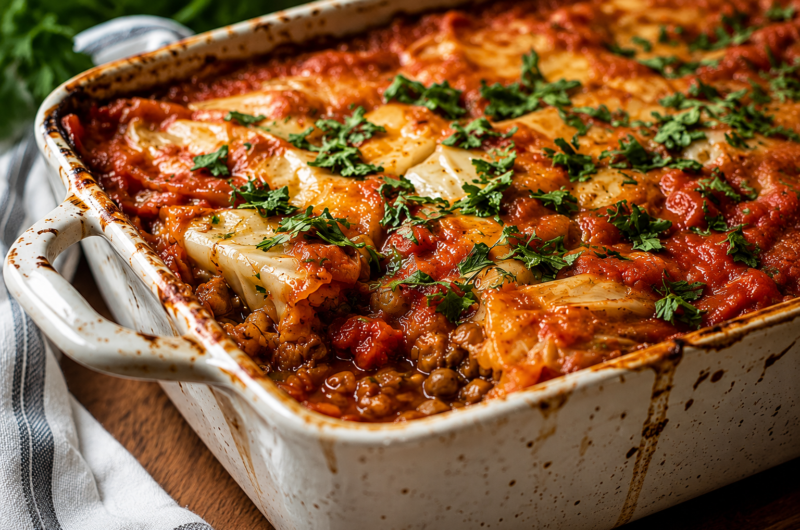
Vegan Cabbage Roll Casserole: Easy One-Pan Comfort Food
Course: Vegan Dinner RecipesDifficulty: Easy8
servings15
minutes50
minutes1
hour5
minutesThis Vegan Cabbage Roll Casserole combines tender cabbage, hearty lentils, rice, and rich tomato sauce in a simple layered casserole that’s packed with comforting flavor and perfect for busy weeknights.
Ingredients
1 medium green cabbage, chopped
1 cup cooked rice
2 cups cooked brown lentils
1 medium onion, diced
4 cloves garlic, minced
1 can (28 oz) crushed tomatoes
1 can (15 oz) tomato sauce
1 cup vegetable broth
1 tablespoon paprika
1 teaspoon dried oregano
1 teaspoon salt
½ teaspoon black pepper
2 tablespoons fresh parsley, chopped
Directions
- Preheat the oven to 375°F (190°C).
- Sauté the onion and garlic in a skillet until softened.
- Stir in the lentils, crushed tomatoes, tomato sauce, vegetable broth, paprika, oregano, salt, and pepper.
- Layer one-third of the cabbage in a greased 9×13-inch baking dish, followed by half the rice and half the lentil mixture.
- Repeat the layers and finish with the remaining cabbage and sauce.
- Cover with foil and bake for 45-50 minutes, or until the cabbage is tender.
- Let the casserole rest for 10 minutes before serving.
- Garnish with fresh parsley and enjoy.
Notes
- Medium-sized cabbage pieces provide the best texture after baking.
- This casserole can be assembled up to 24 hours in advance and refrigerated before baking.
- Leftovers keep well in the refrigerator for up to 4 days and freeze well for up to 3 months.
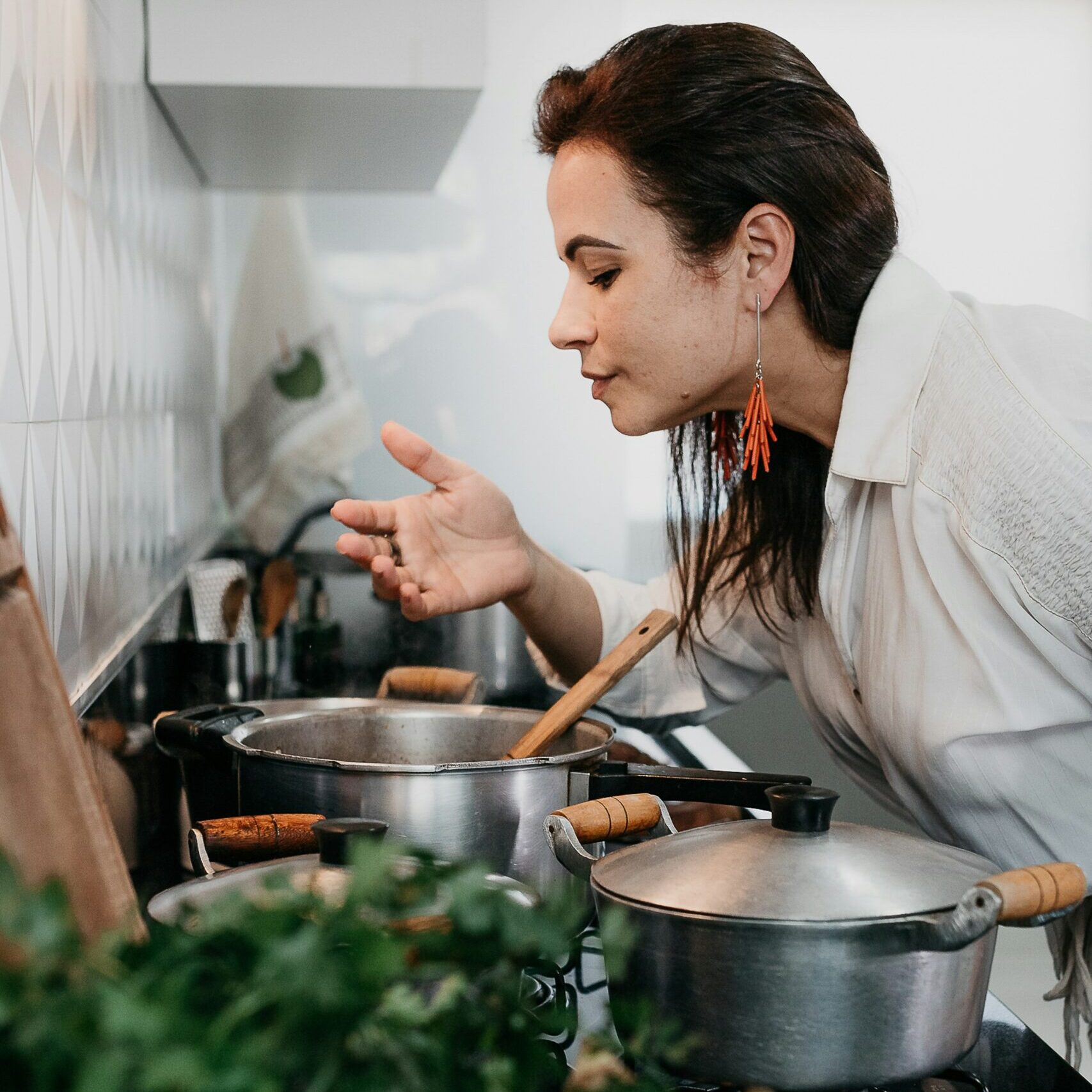
Hi, I’m Daisy Roots, the home cook and recipe developer behind this kitchen. I create simple, tested vegan recipes using everyday ingredients. Every dish is developed and cooked in my own kitchen, with clear steps to help you get reliable results every time. Thanks for stopping by — let’s cook something great!